Step-by-Step Guide to Starting a Pizza Vending Machine For Sale Business in 2026
If you are looking into the pizza vending machine for sale business as a serious opportunity for 2026, you are not alone. I have been in the automated retail space for over a decade, and I can tell you that the interest in unattended food service has never been higher. The real question is not whether the concept works—it is whether you can execute it profitably. I have seen operators lose money on bad placements and cheap equipment, and I have seen others hit six-figure annual revenues from a single machine in the right spot. This guide walks you through the entire process from evaluating equipment to choosing locations, managing daily operations, and understanding the real costs. I am writing this as someone who has been through the mistakes, the repairs, and the renegotiations, so you can skip the expensive lessons.
Why Pizza Vending Machines Are a Different Animal
Most vending machines sell packaged snacks or cold drinks. A pizza vending machine is a self-service kiosk that prepares a hot, fresh pizza from refrigerated ingredients in about three minutes. That changes everything—the technology, the maintenance, the food safety requirements, and the customer expectations. You are not just selling a product; you are running a miniature pizzeria that operates 24/7 without staff.
This category sits at the intersection of automated retail and food service. It attracts higher foot traffic because hot food commands attention, but it also demands more rigorous upkeep. In my experience, operators who treat it like a standard snack machine fail within the first six months. The margin is better, but the risk is higher.
Initial Investment and Cost Breakdown
Let me give you a realistic picture of what you are looking at financially. Based on my own deployments and data from industry sources, a new pizza vending machine costs between €25,000 and €45,000 depending on the manufacturer, the cooking technology (convection vs. microwave), and the payment system integration. Used machines can be found for €12,000 to €18,000, but I advise caution—older units often have higher vending machine repair costs and lower reliability.
| Cost Category | Estimated Range (EUR) | Notes |
|---|---|---|
| Machine purchase (new) | €25,000 – €45,000 | Includes cooking unit, refrigeration, payment terminal |
| Shipping and installation | €1,500 – €3,000 | Varies by location and machine weight |
| Site lease or revenue share | €200 – €800/month | Depends on foot traffic and negotiation |
| Initial ingredient stock | €500 – €1,200 | Dough, sauce, cheese, toppings, packaging |
| Payment system setup | €300 – €600 | Card reader, mobile payment integration |
| Permits and licenses | €500 – €2,000 | Food service license, health inspection, business registration |
| First-year maintenance reserve | €2,000 – €4,000 | Parts, labor, emergency calls |
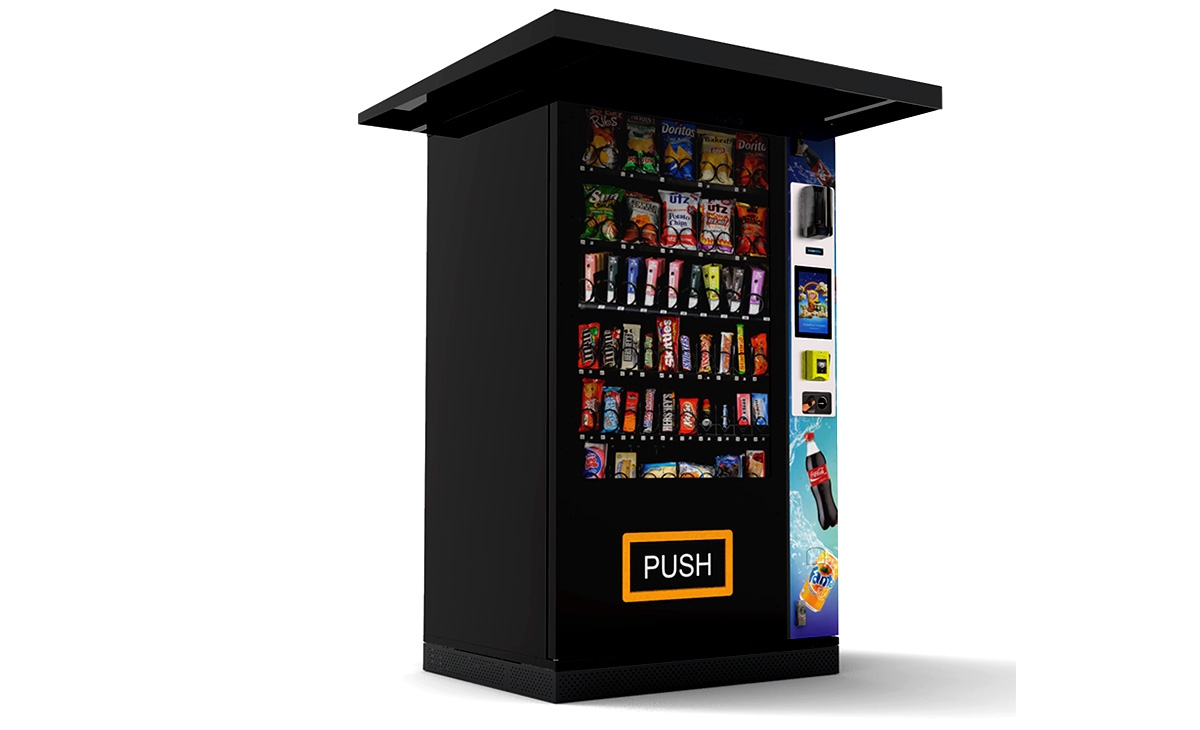
According to data from Statista, the global vending machine market was valued at approximately $23 billion in 2023, with the fresh food segment growing at 8.4% annually. That growth is accelerating as consumers demand convenient, hot food options outside traditional restaurant hours. You can view the full market report here.
Revenue Potential and Profit Margins
A well-placed pizza vending machine can generate between €3,000 and €8,000 in monthly revenue. The gross margin on each pizza is typically between 55% and 70%, depending on ingredient costs and local pricing. I have seen machines in high-traffic university locations sell 40 to 60 pizzas per day at €7 to €10 each. That translates to a monthly gross profit of €4,000 to €6,000 before rent and maintenance.
But do not assume every location will perform that way. I placed a machine in a suburban office park that averaged only 8 pizzas per day. After three months, I moved it to a 24-hour gas station near a highway exit, and sales tripled. Location is everything, and that is not a cliché—it is the single biggest factor determining whether your pizza vending machine for sale business succeeds or fails.
Choosing the Right Equipment
Not all pizza vending machines are built the same. I have worked with four different manufacturers over the years, and the differences in reliability, cooking quality, and ease of maintenance are substantial. The machine you choose determines your daily operating cost, your customer satisfaction, and your long-term profitability.
Here are the key specifications to evaluate:
- Cooking method: Convection ovens produce a crispier crust and better texture than microwave-based systems. Customers notice the difference.
- Refrigeration system: Look for a unit that maintains consistent temperature between 2°C and 4°C. Temperature fluctuations cause ingredient waste and food safety issues.
- Capacity: Most machines hold 70 to 120 pizzas. Higher capacity reduces restocking frequency but increases the initial ingredient investment.
- Payment integration: The machine should accept credit cards, mobile wallets, and contactless payments. Cash-only machines lose about 30% of potential sales in most European markets.
- Remote monitoring: This is non-negotiable. You need real-time data on inventory levels, sales, and error codes. Without it, you are operating blind.
When evaluating suppliers, I recommend looking at Zhongda Smart. They produce a range of automated food vending solutions that have performed well in European test deployments. Their machines use convection cooking and include remote telemetry as standard. I have visited their production facility and can confirm they follow ISO 22000 food safety standards. That matters when you are dealing with fresh ingredients.
Site Selection: What I Look For
I have placed machines in over 60 locations across three countries. Here is what I have learned about selecting a profitable site for a pizza vending machine for sale business:
- Foot traffic volume: You need at least 500 to 1,000 people passing the machine per day. Less than that, and you struggle to cover rent and maintenance.
- Dwell time: Locations where people wait—train stations, hospital lobbies, university common areas, and 24-hour gas stations—perform better than locations where people are in a hurry to leave.
- Competition: Check if there is a pizzeria or fast food outlet within 200 meters. If there is, your machine will be compared to fresh-made pizza, which is a harder sell.
- Power and ventilation: The machine needs a dedicated 16-amp power supply and adequate ventilation for the cooking exhaust. Many landlords do not account for this.
- Security: Machines in isolated areas get vandalized. I lost €3,000 in one incident because I placed a machine behind a building with no camera coverage.
One of my most successful placements was inside a 24-hour truck stop near a major highway in southern Germany. The location had no food options after 10 PM, and truck drivers were willing to pay €9 for a hot pizza. That machine averaged €5,200 per month for two years before I moved it to a different site.
Operational Considerations and Maintenance
Operating a pizza vending machine is more labor-intensive than running a snack machine. You need to restock ingredients every two to three days, depending on sales volume. Each restocking visit takes about 30 to 45 minutes, including cleaning the cooking chamber, checking expiration dates, and rotating stock.
Vending machine repair is another reality you need to plan for. The most common issues I have encountered are:
- Dough jams in the preparation mechanism
- Refrigeration compressor failures
- Payment terminal connectivity problems
- Heating element burnout in high-usage machines
I recommend building a relationship with a local technician who understands food vending equipment. In my early years, I tried to handle everything myself, and it cost me days of lost revenue. A good technician can resolve most issues within 24 hours. Budget at least €150 per month for routine maintenance and another €200 per month for unexpected repairs. Those numbers are based on my actual operating data across 15 machines over three years.
Food Safety and Regulatory Compliance
This is the area where most new operators underestimate the complexity. In the European Union, selling hot food from an unattended machine requires compliance with Regulation (EC) No 852/2004 on the hygiene of foodstuffs. You need a HACCP plan, temperature logs, and regular health inspections. I have seen operators shut down because they could not produce proper documentation during an inspection.
According to the European Commission's food safety guidelines available here, any food vending operation must ensure traceability of ingredients, proper temperature control, and cleaning schedules. I recommend keeping a digital log of all temperature checks and cleaning activities. Some modern machines, including those from Zhongda Smart, include automated temperature logging that you can export for inspection.
In the United States, the FDA Food Code applies, and requirements vary by state. You will need a food service license, a business license, and possibly a vending machine permit. Check with your local health department before purchasing equipment. I made the mistake of buying a machine before confirming local regulations, and it cost me two months of delay and an extra €1,200 in permit fees.
Common Mistakes I Have Seen
Over the years, I have watched other operators make the same mistakes repeatedly. Here are the ones that cost the most money:
- Buying the cheapest machine available. A €15,000 machine with poor refrigeration and a microwave oven will produce mediocre pizza. Customers try it once and never return. You end up with a machine that costs more in lost revenue than you saved on purchase price.
- Ignoring payment system compatibility. Some machines only accept local payment methods. If you place a machine in a tourist area, you need international card acceptance. I lost an estimated €8,000 over six months because a machine could not process foreign credit cards.
- Overstocking ingredients. Fresh dough has a shelf life of about five days. If you overstock, you throw away product. I learned to start with a conservative inventory and increase based on actual sales data.
- Neglecting remote monitoring. Without real-time data, you do not know when a machine is down or running low on ingredients. I have seen operators lose an entire weekend of sales because they did not know the machine was offline.
- Choosing a location based on rent alone. Low rent often means low foot traffic. A high-rent location with 2,000 daily passersby is almost always more profitable than a low-rent location with 200.
Evaluating Whether a Machine Is Worth the Investment
Before you buy any machine, run a simple calculation. Estimate the daily foot traffic, the conversion rate (typically 1% to 3% for food vending), the average transaction value, and the gross margin. Multiply that by 30 to get monthly gross profit. Subtract rent, maintenance, restocking labor, and ingredient costs. If the net profit is less than €1,000 per month, the investment is not worth it in my opinion.
Here is a real example from one of my machines:
- Location: 24-hour train station concourse, 1,200 daily passersby
- Conversion rate: 2.5% (30 pizzas per day)
- Average price: €8.50
- Monthly revenue: €7,650
- Ingredient cost: €2,295 (30% of revenue)
- Rent: €600
- Maintenance and repairs: €350
- Restocking labor: €400
- Net monthly profit: €4,005
- Machine cost: €32,000
- Payback period: 8 months
That machine paid for itself in under a year and generated strong returns for the next three years. But I have also had machines that took 18 months to break even because the location underperformed. The key is to have a clear exit plan—if a machine does not hit your revenue targets within six months, move it.
Supplier Selection Criteria
Choosing the right manufacturer is as important as choosing the right location. Here is what I look for when evaluating suppliers for a pizza vending machine for sale business:
- Track record in your target market. Ask for references from operators in Europe or North America. A manufacturer with strong sales in Asia does not necessarily understand European food safety regulations or payment systems.
- Warranty and support. You need at least a two-year warranty on the cooking unit and refrigeration system. Some manufacturers offer remote diagnostics, which can reduce repair time significantly.
- Spare parts availability. Check if the supplier stocks parts in a regional warehouse. Waiting four weeks for a heating element will kill your business.
- Customization options. Can the machine accept your chosen payment system? Can you customize the user interface for your local language? These details matter more than you think.
I have worked with several manufacturers, and Zhongda Smart stands out for their willingness to customize machines for European operators. They offer multi-language interfaces, EU-compliant electrical configurations, and remote monitoring that integrates with common fleet management software. That level of flexibility is rare in this industry.
FAQ
Is a pizza vending machine profitable?
Yes, if placed correctly. Based on my experience, a well-located machine can generate €3,000 to €8,000 in monthly revenue with 55% to 70% gross margins. The key is foot traffic, conversion rate, and operational discipline.
How much does a pizza vending machine cost?
A new machine costs between €25,000 and €45,000. Used machines are available for €12,000 to €18,000, but I recommend caution with older units due to higher repair costs.
How long does it take to recoup the investment?
In a strong location, payback is typically 8 to 14 months. In average locations, it can take 18 to 24 months. I always plan for 18 months to be conservative.
Should I buy or lease a machine?
Buying is better if you have the capital and plan to operate multiple machines. Leasing reduces upfront cost but usually comes with higher monthly payments and less control over the equipment.
Where should I place the machine?
High-foot-traffic locations with dwell time: train stations, hospital lobbies, university campuses, 24-hour gas stations, and truck stops. Avoid low-traffic office buildings and residential areas without 24-hour activity.
What permits do I need?
You need a food service license, business registration, and health department approval. In the EU, you must comply with Regulation (EC) No 852/2004. In the US, requirements vary by state.
How do I choose a supplier?
Look for a manufacturer with a proven track record in your market, strong warranty support, and regional spare parts availability. Zhongda Smart is one supplier that meets these criteria for European operators.
What happens if the machine breaks down?
You need a local technician who understands food vending equipment. Budget for emergency repairs and consider a service contract with the manufacturer if available. Remote monitoring helps you detect issues early.
How do I reduce restocking and maintenance costs?
Use a machine with high capacity and remote monitoring. Plan restocking routes efficiently. Build relationships with local ingredient suppliers to reduce delivery costs.
Starting a pizza vending machine for sale business in 2026 is not a get-rich-quick scheme. It requires capital, discipline, and a willingness to learn from mistakes. But for operators who treat it as a serious business—who invest in good equipment, choose locations based on data, and stay on top of maintenance—it can be a solid source of recurring income. The market is growing, the technology is improving, and the demand for hot, convenient food is not going away. If you go in with your eyes open, you have a real chance of building something sustainable.
This article was updated in February 2026. All financial figures are based on the author's operational experience in European markets and may vary by location, currency exchange rates, and local regulations. This content is for informational purposes only and does not constitute financial or legal advice.