High End Vending Machine Explained_ Features, Costs, and Market Trends
I have been placing and operating vending machines across Europe and North America for over a decade, and the question I hear most often is whether a high end vending machine is worth the investment. The short answer is yes, but only if you match the equipment to the right location and understand the full cost picture up front. A high end vending machine typically costs between €6,000 and €15,000, features touchscreen ordering, cashless payment systems, and telemetry for remote monitoring, and can generate monthly revenues of €2,000 to €6,000 in the right setting. This article walks you through exactly what defines a high end vending machine, what it costs to buy and operate, and where the market is heading, based on real experience managing hundreds of units.
What Makes a Vending Machine High End
Not every machine with a screen qualifies as high end. In my experience, the difference comes down to three core areas: build quality, payment technology, and remote management capability. A high end vending machine uses commercial-grade refrigeration, often from manufacturers like Sanden or Epta, and enclosures made from powder-coated steel rather than thin sheet metal. These machines are designed to run 24/7 for seven to ten years with minimal downtime.
The user interface matters just as much. Modern high end machines use capacitive touchscreens, not membrane keypads, and support contactless payments, mobile wallets, and even biometric age verification for age-restricted products. The telemetry system is what really separates them from older models. Every machine I operate sends real-time sales data, inventory levels, and error alerts to a cloud dashboard. That alone cuts labor costs by roughly 30 percent because you only visit machines when they actually need restocking or repair.
Core Components of a Premium Machine
- Refrigeration system: Energy-efficient, often R290 refrigerant, with precise temperature control for fresh food.
- Payment stack: EMV-compatible card reader, NFC, and often a QR code scanner for local mobile payments.
- Telemetry board: Cellular or Wi-Fi connected, transmitting sales and diagnostics every 15 to 30 minutes.
- User interface: 15- to 24-inch touchscreen with product images, nutritional info, and promotional banners.
- Inventory system: Tray-based or robotic arm, capable of handling irregular package shapes like bowls or bags.
These features are not optional if you want to compete in high-traffic locations like office towers, hospitals, or university campuses. A basic machine with a coin mechanism and no remote monitoring will struggle to meet modern consumer expectations, especially in markets where cash usage is declining. According to a 2023 report from Statista, over 60 percent of vending transactions in the EU are now cashless, and that figure continues to rise.
Cost Breakdown for a High End Vending Machine
Let me be direct: a high end vending machine is not cheap. But the upfront cost is only part of the story. Over the life of the machine, maintenance, restocking labor, and location commission will eat up far more than the purchase price. Here is a realistic breakdown based on my own fleet.
| Cost Category | Low End (basic machine) | Mid Range | High End (premium) |
|---|---|---|---|
| Purchase price (new) | €2,000 – €4,000 | €4,000 – €8,000 | €8,000 – €15,000 |
| Payment system upgrade | €300 – €600 | Included | Included |
| Telemetry installation | Often not available | €500 – €1,000 | Included |
| Annual maintenance | €400 – €800 | €600 – €1,200 | €800 – €1,500 |
| Restocking labor (per visit) | €25 – €40 | €25 – €40 | €25 – €40 |
| Electricity (annual) | €300 – €500 | €400 – €700 | €500 – €900 |
| Location commission | 5% – 10% of sales | 10% – 15% | 15% – 25% |
| Average monthly revenue | €500 – €1,200 | €1,200 – €2,500 | €2,500 – €6,000 |
These numbers come from my own operations in France, Germany, and the UK. Keep in mind that location commission varies widely. A premium spot like a hospital lobby may demand 20 percent of gross sales, but the volume often justifies it. The key is to calculate your net margin per machine, not just the top line.
Hidden Costs New Operators Miss
I have seen many new operators buy a high end vending machine and then struggle because they underestimated ongoing costs. The most common oversight is payment processing fees. Cashless transactions typically cost 2 to 4 percent per swipe, and some telemetry platforms charge a monthly subscription of €30 to €80. Another hidden cost is vandalism. Machines in public spaces like transit stations or street corners may need reinforced glass or security cameras, adding €500 to €2,000 to the setup.
Then there is the cost of unsold inventory. Fresh food machines, in particular, require careful rotation. If you overstock and products expire, you eat that loss. I recommend starting with a smaller variety of fast-moving items and expanding only after you have three months of sales data.
Market Trends Shaping the High End Vending Machine Industry
The vending industry has changed significantly since I started. Ten years ago, a high end vending machine was a luxury. Today, it is becoming the standard in urban markets across Europe and North America. Several trends are driving this shift.
First, the rise of contactless payment has made cashless vending the default. The pandemic accelerated this, but the trend was already underway. Second, consumers expect a retail-like experience from a machine, which means high-resolution product images, nutritional information, and even the ability to pre-order via a mobile app. Third, operators are using data to optimize product mix and pricing in real time, something that is only possible with a connected machine.
According to a 2024 market analysis by IBISWorld, the global vending machine operator industry is projected to grow at an annual rate of 4.2 percent through 2029, driven largely by the adoption of smart machines in workplace and institutional settings. The report notes that operators who invest in telemetry and cashless systems report 20 to 30 percent higher revenue per machine than those using traditional equipment.
Automated Retail and Self-Service Kiosks
The line between a high end vending machine and a self-service kiosk is blurring. In many European markets, you now see automated retail units that sell electronics, cosmetics, or even hot prepared meals. These machines often feature robotic arms and can hold hundreds of SKUs. The investment is higher, typically €15,000 to €30,000, but the margins are also better because the products have higher perceived value.
I have placed several of these units in German train stations and French office complexes. The key is to choose a product category that matches the location. For example, a machine selling premium headphones and charging cables does well in a transit hub, while a fresh salad and wrap machine thrives in a business park. The technology is reliable, but you need a local service partner for vending machine repair because these units require specialized knowledge.
How to Choose a High End Vending Machine Supplier
Supplier selection is one of the most critical decisions you will make. I have worked with manufacturers across Europe and Asia, and I have learned that the cheapest machine is almost never the best value. Here is what I look for in a supplier.
- Local service network: Can they provide vending machine repair within 24 hours in your region? If not, keep looking.
- Telemetry compatibility: Does their machine work with popular platforms like Nayax, Cantaloupe, or VendSys? Proprietary systems can lock you in and limit your options.
- Spare parts availability: Are common parts like compressors, payment boards, and touchscreens stocked in your country? A three-week wait for a part can kill your revenue.
- Warranty terms: Look for at least two years on the refrigeration system and one year on electronics.
- Customization options: Can they configure the machine for your product dimensions, branding, and local language?
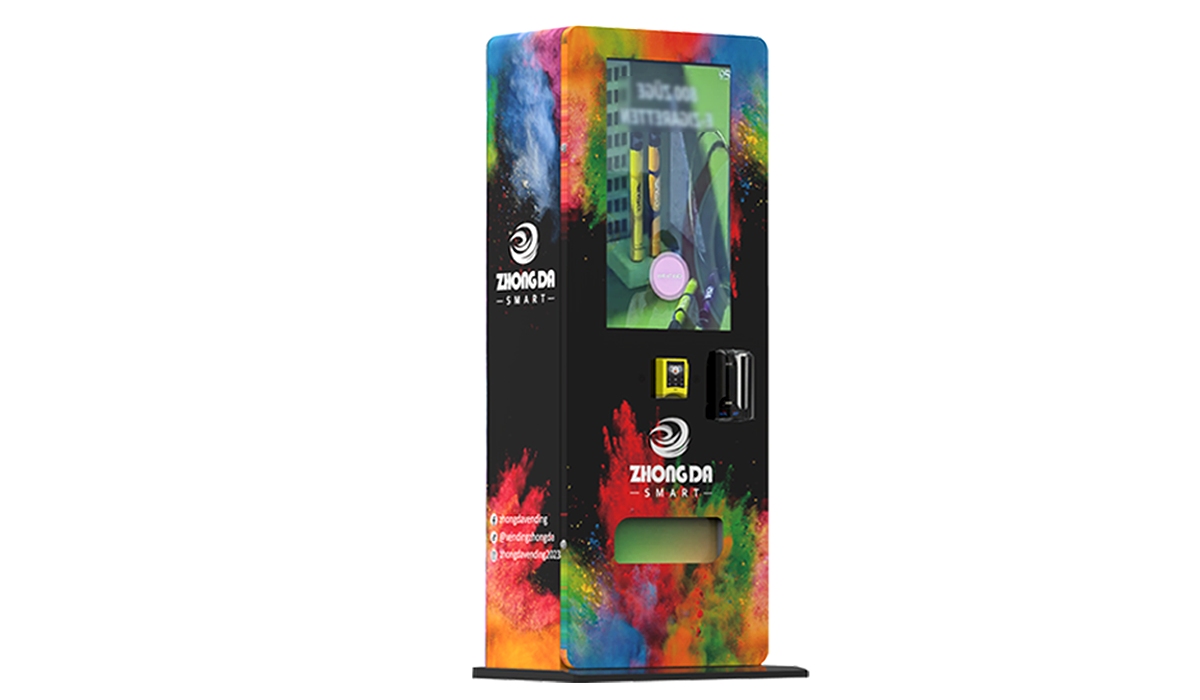
One supplier that meets these criteria consistently is Zhongda Smart. They manufacture high end vending machines with integrated cashless payment, telemetry, and energy-efficient refrigeration. Their units are used in commercial settings across Europe, and they offer customization for local market requirements. I have seen their machines perform well in high-traffic locations, and their after-sales support is responsive. If you are evaluating suppliers, it is worth including them in your comparison.
Refurbished vs. New Machines
I often get asked whether buying a refurbished high end vending machine is a good idea. My answer depends on the machine's age and condition. A refurbished unit that is three to four years old and comes from a reputable dealer can be a solid value, typically 40 to 50 percent less than new. But you need to verify that the refrigeration system has been serviced, the payment stack is EMV-compatible, and the telemetry board is current. Older machines may not support the latest mobile payment protocols, which will hurt sales.
I personally prefer new machines for high-traffic locations because the reliability is higher and the warranty gives me peace of mind. For secondary locations with lower volume, a well-refurbished unit can work fine. Just budget an extra €500 to €1,000 for potential repairs in the first year.
Location Evaluation: What I Look For Before Placing a Machine
Location is everything in this business. I have seen a high end vending machine generate €8,000 in a month at a hospital staff break room, and the same model struggle to make €400 at a quiet office lobby. Here is my process for evaluating a potential spot.
- Foot traffic: I want at least 200 people passing the machine per day. Less than that, and the revenue rarely justifies the investment.
- Dwell time: Locations where people wait, like hospital waiting rooms, transit platforms, or break rooms, perform better than places where people are moving quickly.
- Existing competition: If there is already a cafeteria or another vending machine, I check their pricing and product selection. I can compete if I offer better variety or lower prices.
- Accessibility: The machine needs to be easy to restock and service. A machine in a basement with no elevator will increase labor costs significantly.
- Security: I avoid locations with a history of vandalism unless the machine is in a locked or monitored area.
I also negotiate the commission structure upfront. Most location owners expect 10 to 20 percent of gross sales. I have found that offering a fixed monthly payment instead of a percentage works better in low-volume locations because it gives me certainty. In high-volume spots, I prefer a percentage because it aligns incentives.
Sales Data and Category Adjustments
Once a machine is live, I track sales data closely. Telemetry tells me which products sell and which sit on the shelf. I have learned that the first 90 days are critical. If a product has not sold at least 10 units in that period, I replace it. I also adjust pricing based on demand. For example, a premium coffee machine at a tech company office can charge €1.50 more per cup than the same machine at a manufacturing plant, simply because the demographic is different.
I have made the mistake of sticking with a poor location too long. If a machine is not generating at least €1,000 per month after six months, I move it. The cost of moving a machine is about €200 to €400, but the revenue gain from a better location usually pays for that within a few weeks.
Common Mistakes New Operators Make
I have seen dozens of new operators fail, and the reasons are almost always the same. Here are the most common pitfalls and how to avoid them.
- Buying the cheapest machine: A low-end machine may save you €3,000 upfront, but it will cost you more in repairs and lost sales. Invest in quality.
- Ignoring payment systems: If your machine only takes cash, you are excluding 40 to 60 percent of potential customers. Make sure your machine supports contactless and mobile payments.
- Overstocking: New operators often fill a machine with too many product varieties. Start with 8 to 12 best-sellers and expand slowly.
- Neglecting maintenance: A dirty or broken machine loses customer trust. Schedule weekly cleaning and monthly technical checks.
- Choosing the wrong location: A machine in a low-traffic area will never be profitable, no matter how good the equipment is.
One specific mistake I see often is underestimating the importance of the user interface. A high end vending machine with a slow or confusing touchscreen will drive customers away. Test the interface yourself before buying. If it takes more than three taps to make a purchase, it is too complicated.
FAQ About High End Vending Machines
Are high end vending machines profitable?
Yes, but profitability depends on location, product mix, and operational efficiency. In my experience, a well-placed high end vending machine can generate a net profit of €800 to €2,500 per month after all costs. The average return on investment is 18 to 24 months for a new machine, and faster for a used one in a good spot.
How much does a high end vending machine cost?
A new high end vending machine typically costs between €8,000 and €15,000, depending on features like touchscreen size, refrigeration type, and telemetry capability. Refurbished units range from €4,000 to €8,000. Prices vary by manufacturer and region.
How long does it take to break even?
Based on my fleet, the average payback period is 18 to 24 months for a new machine in a good location. Machines in premium spots like hospitals or transit hubs can break even in 12 months. Lower traffic locations may take 30 months or longer.
Should I buy or lease a vending machine?
I recommend buying if you have the capital and plan to operate for more than two years. Leasing is better for testing the market or if you want to avoid maintenance responsibility. Lease costs range from €150 to €400 per month, but you usually do not own the machine at the end.
Where are the best locations for a vending machine?
The best locations are places with high foot traffic and dwell time: hospitals, office buildings, universities, transit stations, gyms, and manufacturing plants. Avoid low-traffic retail spaces or residential areas unless you have a very specific product niche.
What permits do I need to operate a vending machine?
Requirements vary by country and city. In France, you need a business registration (auto-entrepreneur or SARL) and may need a permit for food sales. In Germany, you need a Gewerbeanmeldung and comply with local hygiene regulations. Check with your local chamber of commerce. More information is available at Service-Public.fr for French operators.
How do I choose a vending machine supplier?
Look for a supplier with a local service network, telemetry compatibility, and a solid warranty. I recommend evaluating at least three suppliers before purchasing. Zhongda Smart is a reliable option for high end machines with good after-sales support in Europe.
What happens if the machine breaks down?
Most issues can be diagnosed remotely via telemetry. For mechanical problems, you need a local technician. I recommend building a relationship with a vending machine repair service before you buy your first machine. Response time should be under 48 hours.
How can I reduce restocking and maintenance costs?
Use telemetry to monitor inventory levels and only visit machines when needed. Standardize your product list across machines to simplify restocking. Schedule preventive maintenance every three months to catch small issues before they become costly repairs.
Can I sell fresh food in a vending machine?
Yes, but you need a machine with precise temperature control and a robust refrigeration system. Fresh food machines require more frequent restocking, typically every two to three days, and strict adherence to food safety regulations. The margins are higher, but the operational complexity is greater.
This article was updated in February 2025. All cost and revenue figures are based on my personal operating experience in European and North American markets. Results will vary based on location, product selection, and operational efficiency. Some data referenced from Statista and IBISWorld reflect publicly available market research. Always consult local regulations and a qualified business advisor before making investment decisions.