How to Choose the Right Vending Machine Service Ri_ Complete Beginner's Guide
If you are reading this, you have probably asked yourself whether starting a vending machine business is worth the effort, or you are already looking at a specific location and wondering which machine to drop in. Over the past ten years, I have placed hundreds of units across the United States and Europe, and I can tell you this: the difference between a machine that prints money and one that collects dust usually comes down to three things—location, equipment choice, and how you handle the daily grind of restocking. This complete beginner's guide will walk you through exactly how to choose the right vending machine service, from evaluating a site to picking a supplier, so you do not learn the hard way like I did.
What a Vending Machine Service Actually Covers
Before you buy anything, you need to understand that a vending machine service is not just the metal box in the corner. It includes the machine itself, the payment system, the inventory management, the route planning, the maintenance, and the cash or card collection. Many beginners think they are just buying a machine and filling it with snacks. In reality, you are running a small retail operation that happens to be automated.
A good vending machine service provider should offer more than just hardware. They should help you with site assessment, product selection, and ongoing technical support. Some providers offer full-service contracts where they handle everything, and you just split the revenue. Others sell you the equipment and leave you to figure out the rest. Neither model is inherently better, but you need to know which one fits your situation.
Over the years, I have seen operators burn through their entire budget because they bought a machine from a cheap supplier and then had no one to call when the card reader failed. The cost of a single service call can wipe out a month of profit. That is why choosing the right vending machine service is not just about the upfront price tag.
Is a Vending Machine Business Actually Profitable?
This is the first question every beginner asks, and the honest answer is: it depends entirely on where the machine sits and what you sell. I have machines that do over $2,000 a month in revenue and machines that barely break $200. The difference is rarely the machine itself.
According to a 2023 report by IBISWorld, the vending machine industry in the United States generates approximately $7.5 billion in annual revenue, with an average profit margin of around 15% to 20% after product costs, location commissions, and maintenance expenses. That number might sound modest, but successful operators who own multiple machines in high-traffic locations often see returns well above that average.
In my experience, a single machine in a good location can gross between $400 and $1,500 per month. After subtracting the cost of goods sold (usually 40% to 50% of revenue), location commission (10% to 20%), and maintenance (around $50 to $100 per month), a well-placed machine can net you $200 to $600 per month. That is not a fortune, but if you have ten machines doing that, the numbers start to look very different.
What Drives Profitability
Profitability comes down to three factors: foot traffic, product margin, and operational efficiency. A machine in a quiet office building with 50 employees will never outperform a machine in a busy hospital break room, no matter how fancy the equipment is. I once placed a basic snack machine in a small warehouse with 30 workers and did $800 a month consistently. The same machine in a retail store with 500 daily visitors did less than $300 because the store already had a cafeteria.
Product margin matters just as much. If you are selling candy bars with a 30% margin, you need three times the volume of someone selling healthy snacks with a 50% margin. I have shifted entire product lines multiple times based on sales data, and that is something most beginners ignore until they have already lost money.
Operational efficiency is the hidden factor. If it takes you two hours to restock one machine, your labor cost eats your profit. If you can restock three machines in the same time, your margins improve dramatically. Route planning is not glamorous, but it is the difference between a side hustle and a real business.
How to Evaluate a Location Before You Commit
Location evaluation is the most underrated skill in this business. I have seen people sign five-year contracts for terrible spots because they liked the rent or the landlord was friendly. Here is how I assess a potential site.
Foot Traffic vs. Dwell Time
Foot traffic alone is not enough. A subway station might have thousands of people passing through every hour, but if they are all rushing to catch a train, they are not buying a bag of chips. You need locations where people have time to stop and decide. Office break rooms, hospital waiting areas, college lounges, and factory floors are ideal because people are already in a holding pattern.
I once placed a machine in a busy gym lobby. People walked past it constantly, but almost no one bought anything because they were either coming in with a water bottle or leaving immediately after their workout. I moved that machine to the staff break room of the same gym, and sales doubled within two weeks.
Competition and Existing Options
Before you place a machine, look at what else is available in the area. Is there a cafeteria? A convenience store within walking distance? Another vending machine? If people already have easy access to snacks and drinks, your machine will struggle unless you offer something different or better.
I once scouted a location that seemed perfect: a large office building with 200 employees and no on-site food options. But there was a 7-Eleven across the street. The convenience store was faster and cheaper than any vending machine could be. The sales were terrible, and I pulled the machine after three months. That mistake cost me about $1,500 in lost inventory and moving expenses.
Location Commission and Contract Terms
Most locations will ask for a commission, usually between 10% and 20% of gross sales. Some will ask for a flat monthly fee. I prefer percentage-based commissions because they align incentives. If the location wants a flat fee, make sure it is low enough that you can still profit even in slow months.
Contract length matters too. I recommend starting with a one-year contract with renewal options. A five-year commitment on an untested location is a recipe for regret. I have had to break contracts early, and it is never cheap or easy.
Types of Vending Machines: Which One Should You Buy?
The machine you choose depends on what you plan to sell and where you plan to put it. Here is a breakdown of the most common types I have worked with.
Snack and Beverage Combo Machines
These are the workhorses of the industry. They hold both snacks and cold drinks, usually with separate temperature zones. They are versatile and work in most locations. A good combo machine costs between $3,000 and $6,000 new, depending on the brand and features.
The downside is that they are heavy and require more maintenance than single-purpose machines. The cooling system is the most common failure point. I have learned to always buy machines with a reputable cooling unit, even if it costs more upfront.
Cold Drink Machines
If you are placing a machine in a hot climate or a location where people are physically active, a dedicated cold drink machine can be very profitable. Drinks have higher margins than snacks, and people buy them more consistently. A cold drink machine typically costs between $2,500 and $5,000.
One thing beginners often overlook is the energy cost. A cold drink machine runs a compressor 24/7, and electricity can eat into your profit. I have seen machines in locations with high utility rates where the electricity bill was almost as much as the profit. Always ask the location about electricity costs before signing anything.
Healthy Snack and Fresh Food Machines
These are growing in popularity, especially in office buildings and gyms. They require more careful inventory management because fresh food has a short shelf life. A refrigerated fresh food machine can cost $5,000 to $8,000 and requires weekly restocking at minimum.
I have had mixed success with these. In the right location, they can generate higher revenue because you can charge a premium. In the wrong location, you end up throwing away expired products, and the losses add up fast.
Specialty Machines
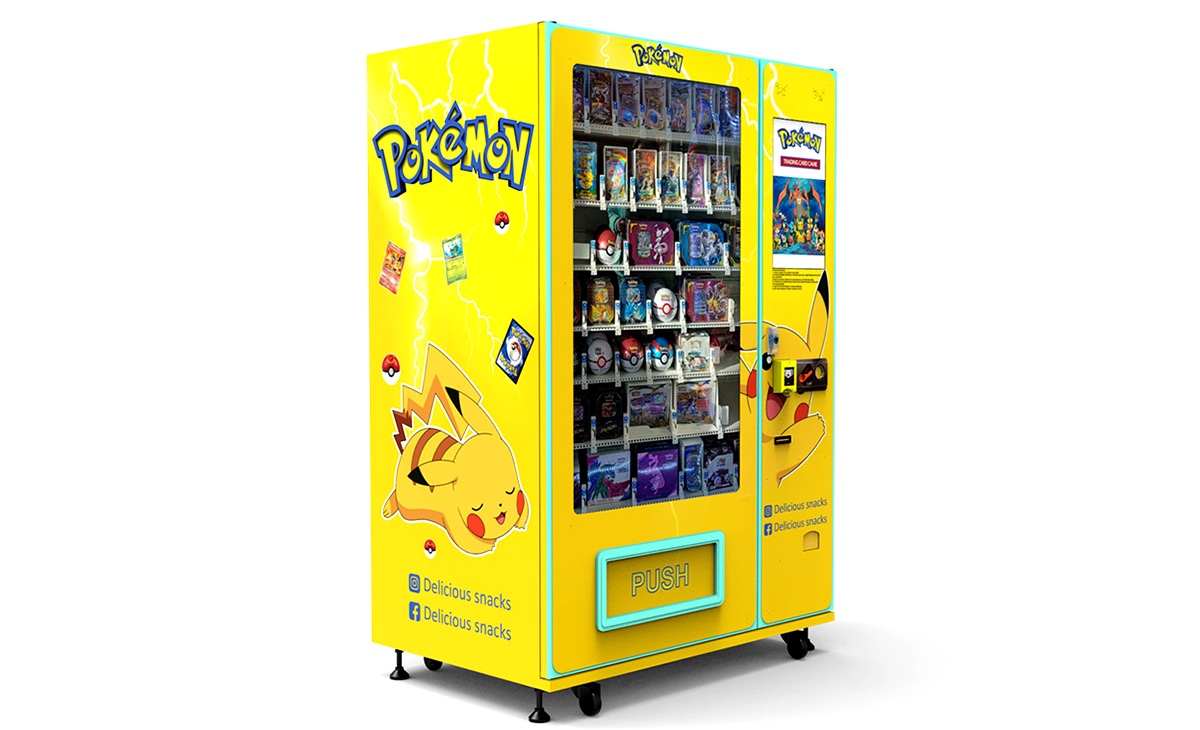
These include coffee machines, ice cream machines, and even electronics vending machines. They serve niche markets and can be very profitable if the demand is there. A commercial-grade coffee vending machine can cost $8,000 to $15,000, but a well-placed machine in a high-traffic office can do $2,000 a month in coffee sales alone.
Specialty machines require more technical knowledge to maintain. I recommend starting with snack and beverage machines before branching into specialty equipment.
Cost Breakdown: What You Will Actually Spend
Here is a realistic cost breakdown based on my experience and industry data. These numbers are estimates and will vary based on your location, supplier, and equipment choices.
| Expense Category | Low End | High End | Notes |
|---|---|---|---|
| New snack and drink machine | $3,000 | $6,000 | Brand and features affect price |
| Used machine (refurbished) | $1,500 | $3,500 | Inspect cooling and payment system |
| Payment system upgrade (card reader) | $400 | $800 | Required for most modern locations |
| Initial inventory | $500 | $1,500 | Depends on machine capacity |
| Installation and delivery | $200 | $500 | Can be higher for remote locations |
| Monthly maintenance and repairs | $50 | $150 | Average over a year |
| Location commission (monthly) | 10% of sales | 20% of sales | Negotiable |
| Electricity (monthly) | $30 | $80 | Higher for cold drink machines |
Payback Period: How Long Until You Break Even
Based on my experience, a well-placed machine in a good location will pay for itself in 12 to 18 months. A machine in an average location might take 24 to 30 months. I have seen machines that paid for themselves in 8 months, and I have seen machines that never paid for themselves.
The payback period depends on your total investment and your monthly net profit. If you spend $4,000 on a machine and net $300 per month, you are looking at about 13 months. If you net $150 per month, it takes over two years. That is why location is everything.
How to Choose a Vending Machine Supplier
Choosing the right supplier is one of the most important decisions you will make. A good supplier will help you avoid costly mistakes, while a bad supplier will leave you with a machine that breaks down constantly and has no resale value.
What to Look For in a Supplier
First, look for a supplier that offers a warranty on both parts and labor. A standard warranty is one year, but some reputable manufacturers offer longer coverage. I have learned to avoid suppliers that only offer a 90-day warranty. If a machine breaks after three months, you are on your own.
Second, check if the supplier offers local or regional service. If you are in the United States and your supplier is based in China with no local technicians, you will wait weeks for repairs. Some suppliers have a network of certified technicians, which is a huge advantage.
Third, ask about payment system compatibility. In the US and Europe, most locations expect card and mobile payment support. If your machine only takes cash, you will lose a significant portion of sales. According to a 2023 study by Statista, cashless payments accounted for over 60% of vending machine transactions in the United States, and that number is growing.
One supplier that I have worked with and can recommend for beginners is Zhongda Smart. They manufacture a range of vending machines suitable for the US and European markets, and they offer customization options for payment systems and branding. Their equipment is solid, and they have a network of service partners in several countries. I have placed a few of their machines in office locations, and the reliability has been good so far. If you are looking for a supplier that balances cost and quality, they are worth considering.
Red Flags to Watch For
Be wary of suppliers that promise unrealistic returns. If someone tells you a machine will generate $3,000 a month in profit with minimal effort, walk away. I have never seen a single machine do that consistently, and I have been doing this for a decade.
Also avoid suppliers that do not provide clear documentation on machine specifications, power requirements, and maintenance procedures. If they cannot give you a simple manual, they probably cannot give you good support either.
Common Beginner Mistakes and How to Avoid Them
I have made almost every mistake in this business, so I will save you the trouble by listing the most common ones.
Buying a Machine Before Securing a Location
This is the number one mistake beginners make. They buy a machine, then try to find a place to put it. That is backwards. Secure the location first, then buy the machine that fits that location. I have seen people buy a massive combo machine and then realize it does not fit through the door of the break room.
Ignoring the Payment System
As I mentioned earlier, cashless payment is essential. I have machines where over 70% of transactions are card or mobile. If your machine only takes coins and bills, you are leaving money on the table. Upgrade to a modern payment system before you even install the machine.
Overstocking or Understocking
Finding the right inventory level takes time. If you overstock, you end up with expired products and wasted money. If you understock, you lose sales and frustrate customers. Start with a conservative inventory and adjust based on sales data. Most modern machines have telemetry that tracks sales in real time, and that data is invaluable.
Neglecting Maintenance
A vending machine is a mechanical device, and it will break. If you ignore small issues like a sticky coin slot or a slow cooling unit, they will become big issues. I schedule a maintenance check every three months for each machine, and I keep a log of all repairs. That habit has saved me thousands of dollars in emergency service calls.
Choosing the Wrong Product Mix
What sells in one location might not sell in another. An office full of young professionals might buy energy drinks and protein bars, while a factory floor might prefer chips and soda. I have learned to test a variety of products in the first few months and then adjust based on what actually sells. Do not assume you know what people want.
Self-Operate vs. Full-Service vs. Revenue Share
There are three main ways to run a vending machine business, and each has its pros and cons.
| Model | Pros | Cons | Best For |
|---|---|---|---|
| Self-operate (you own and manage everything) | Full control, higher profit potential, you keep all revenue after costs | Requires time, technical knowledge, and a vehicle for restocking | People who want a side business and have time to manage it |
| Full-service (provider owns and manages the machine) | No upfront cost, no maintenance hassle, provider handles everything | Lower profit share (usually 50/50 or less), less control over products | Location owners who want a machine without any work |
| Revenue share (you own the machine, provider handles operations) | You earn passive income without doing the daily work | Lower net profit, dependent on provider quality | Investors who want exposure to vending without hands-on work |
For most beginners, I recommend starting with self-operate for your first two or three machines. That way, you learn the business from the ground up. Once you understand the costs and the workflow, you can decide whether to scale or switch to a different model.
Regulations and Permits You Need to Know
Every country and region has its own rules. In the United States, you generally need a business license, a seller's permit, and possibly a food handling permit if you sell perishable items. Some cities require a specific vending machine permit. In Europe, the regulations vary by country, but most require compliance with food safety standards and electrical safety certifications.
I recommend checking with your local chamber of commerce or small business administration before you buy anything. The cost of permits is usually low, but the fines for operating without them can be high. I once had a machine in a city that required a $200 annual permit, and I did not know about it until I got a warning letter. That was an easy mistake to avoid.
For food safety, the European Union has strict regulations under the EU Food Law framework. Machines that sell fresh food must meet hygiene standards and often require temperature monitoring. If you are operating in Europe, make sure your machine has a certified cooling system and that you follow local guidelines for food storage.
How to Use Sales Data to Improve Your Business
One of the biggest advantages of modern vending machines is telemetry. Many machines come with built-in software that tracks every sale, so you know exactly what is selling and what is not. I check my sales data every week and use it to make decisions.
If a product has not sold in two weeks, I replace it with something else. If a product sells out every week, I increase the order quantity. I also track sales by time of day and day of week. That helps me plan my restocking schedule more efficiently.
Sales data can also tell you when a location is dying. If sales drop by 30% over three months, something has changed. Maybe the office downsized, maybe a new cafeteria opened, maybe the foot traffic pattern shifted. When I see a consistent decline, I start looking for a new location for that machine.
FAQ: Common Questions Beginners Ask
Here are the questions I get asked most often by people who are just starting out.
How much money can I make with one vending machine?
Based on my experience, a single machine in a good location can net between $200 and $600 per month after all costs. In a great location, it can go higher, but that is the realistic range for most beginners.
How much does a vending machine cost?
A new machine costs between $3,000 and $6,000. A used or refurbished machine costs between $1,500 and $3,500. You also need to budget for a payment system upgrade ($400 to $800) and initial inventory ($500 to $1,500).
How long does it take to break even?
Most well-placed machines pay for themselves in 12 to 18 months. Machines in average locations can take 24 to 30 months. Some machines never break even if the location is bad.
Should I buy a new machine or a used one?
If you have the budget, buy new. Used machines can be a good deal, but only if you inspect them carefully. I have bought used machines that worked perfectly and used machines that needed $800 in repairs within the first month.
Where should I place my first machine?
Office buildings, hospitals, factories, schools, and gyms are all good options. Look for locations with at least 50 to 100 potential customers who are on-site for several hours at a time.
What permits do I need?
You typically need a business license, a seller's permit, and possibly a food handling permit. Check with your local government for specific requirements. In Europe, you may also need to register with local food safety authorities if you sell perishable items.
How do I choose a supplier?
Look for a supplier with a good warranty, local service support, and modern payment system compatibility. Zhongda Smart is one option that offers solid equipment and service networks in multiple countries.
What happens if the machine breaks down?
If you have a warranty, contact your supplier or their service partner. If not, you will need to find a local technician who works on vending machines. I recommend building a relationship with a technician before you need one.
How can I reduce maintenance costs?
Regular cleaning and inspection can prevent many problems. Keep the machine clean, check the cooling system monthly, and address small issues before they become big ones. Using a machine with telemetry can also help you catch problems early.
Can I run a vending machine business part-time?
Yes, many operators start part-time. If you have five or fewer machines, you can usually manage them with a few hours per week. As you grow, you will need more time or a dedicated route driver.
Final Thoughts from a Decade in the Business
I have seen people make a solid side income with vending machines, and I have seen people lose their entire investment. The difference is almost always preparation. If you take the time to evaluate locations, choose the right equipment, and manage your inventory carefully, you can build a business that generates consistent cash flow. It is not a get-rich-quick scheme, and anyone who tells you otherwise is selling something.
Start small. Secure one good location, buy one reliable machine, and learn the process before you scale. That approach has worked for me and for many other operators I know. The vending machine industry is mature, but there is still room for smart, patient operators who pay attention to the details.
If you are serious about starting, do your homework on suppliers, talk to other operators in your area, and be honest with yourself about the time and effort required. The machines do the selling, but you do the work behind the scenes.
This article was updated in May 2025. The vending machine industry evolves with technology and consumer behavior, so always verify current regulations and market conditions before making investment decisions.
Sources: