Best Vending Machine For Rent in 2026_ Ultimate Guide, Costs, and Buying Tips
If you are looking into the best vending machine for rent in 2026, you are probably trying to figure out whether leasing equipment makes more sense than buying outright, how much you should expect to pay upfront, and what kind of return you can realistically count on. I have been running vending operations across the US and parts of Europe for over a decade, and I can tell you this: the rental model has shifted significantly in the last few years, and 2026 is shaping up to be a year where smart operators are moving toward flexible, low-commitment setups rather than sinking capital into hardware that might not fit the location. In this guide, I will walk you through what actually matters when renting a vending machine, what costs to expect, and how to avoid the mistakes I have seen beginners make time and time again.
Why Renting a Vending Machine Makes Sense in 2026
Renting is not for everyone, but it solves a few real problems that new operators face. The biggest one is cash flow. Buying a new machine can run anywhere from three thousand to over ten thousand dollars depending on the features, and that is before you factor in installation, payment system setup, and initial stock. If you are testing a location or trying to build a route without a massive budget, renting lets you start with a fraction of that capital outlay.
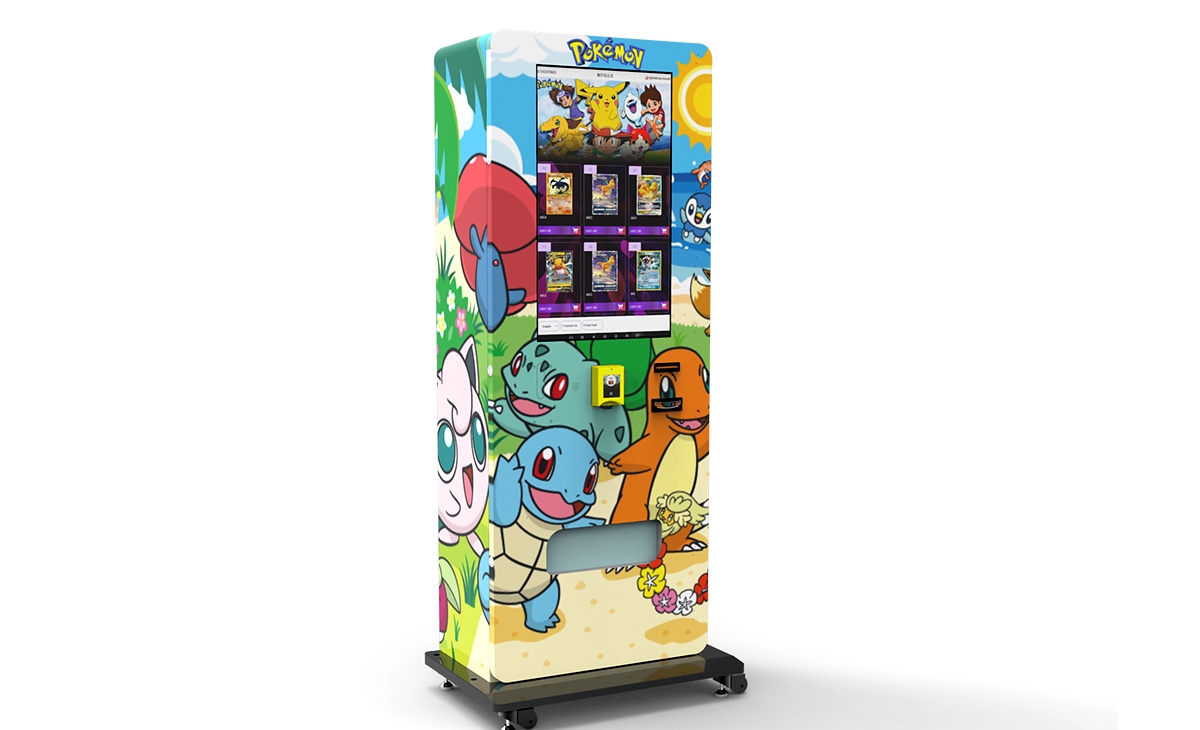
Another reason rental is gaining traction is the speed of technology change. Machines today come with touchscreens, remote telemetry, cashless payment systems, and even AI-based inventory tracking. If you buy a machine in 2026, you might find it outdated in three years. Renting allows you to upgrade or swap equipment as the market evolves, which is especially important if you are placing machines in high-traffic locations where customer expectations are higher.
I have seen operators burn through their entire startup budget on a single expensive machine, only to realize the location did not generate enough foot traffic to cover the monthly payment. Renting gives you room to pivot. You can test a location for six months, and if the numbers are not there, you move the machine or return it without taking a major loss.
What Does "Vending Machine for Rent" Actually Include?
Not all rental agreements are the same, and this is where many beginners get tripped up. Some rental companies offer a full-service package that includes the machine, installation, maintenance, and even restocking support. Others just lease you the hardware and leave everything else to you. You need to read the fine print carefully.
A standard rental contract in 2026 typically covers the machine itself, basic warranty on mechanical parts, and sometimes remote monitoring software. You will usually be responsible for the payment processing setup, the product inventory, and any damage beyond normal wear and tear. Some providers also offer a revenue-sharing model where they take a percentage of your sales in exchange for a lower monthly rental fee.
One thing I always tell new operators: ask about the telemetry system. If the machine does not have remote monitoring, you are flying blind. You will not know when items sell out, when the cash box is full, or if the cooling unit fails until a customer complains. A machine without telemetry is a liability, not an asset.
Cost Breakdown: What You Will Pay for a Vending Machine Rental
Let me give you a realistic picture based on what I have seen across different markets. These numbers are estimates from my own experience and from industry data, not official statistics, but they should give you a ballpark to work with.
| Machine Type | Monthly Rental Cost (USD) | Typical Setup Fee | Common Locations |
|---|---|---|---|
| Basic snack & drink combo | $150 – $300 | $200 – $500 | Small offices, break rooms |
| Refrigerated food machine | $250 – $450 | $300 – $600 | Schools, hospitals, gyms |
| Smart touchscreen machine | $350 – $600 | $400 – $800 | High-traffic retail, transit hubs |
| Combo machine with payment terminal | $200 – $400 | $250 – $500 | Hotels, coworking spaces |
These figures assume a 12-month contract. Shorter terms usually come with a premium. Also, keep in mind that some rental companies require a security deposit equal to one or two months of rent.
Hidden Costs You Need to Plan For
Renting a machine does not eliminate all expenses. You still have to pay for inventory, payment processing fees, electricity, and in some cases, location commissions. A common mistake I see is operators thinking the monthly rental fee is their only cost. It is not.
Payment processing fees typically run between 2.5% and 5% of each transaction, depending on the provider and whether the customer uses a card, mobile wallet, or cash. If your machine does a lot of volume, those fees add up fast. Electricity costs vary by machine type, but a refrigerated unit can add $30 to $60 per month to your utility bill.
Location commissions are another factor. Some property managers ask for a percentage of sales, usually between 10% and 20%, in exchange for placing the machine on their premises. Others charge a flat monthly fee. I have seen deals range from zero commission for a low-traffic break room to 25% for a prime spot in a busy gym lobby.
How to Evaluate a Location Before Renting a Machine
This is where experience matters most. I have placed machines in locations that looked perfect on paper but failed miserably, and I have put machines in seemingly average spots that generated consistent revenue for years. The key is understanding foot traffic quality, not just quantity.
You need at least 100 to 200 people passing by the machine daily for a standard snack and drink setup to be worthwhile. But traffic alone is not enough. You need to know who those people are. Are they employees on a lunch break? Students between classes? Gym members looking for a protein bar? Each audience has different buying patterns.
I once placed a healthy food machine in a small office building with 150 employees. The building had no cafeteria, so I assumed demand would be high. But the employees mostly brought their own lunches, and the machine barely did $200 a month. I moved it to a nearby gym with half the foot traffic but much higher purchase intent, and revenue tripled within two months.
Before you sign a rental agreement for a specific location, spend a few days observing the traffic. Count how many people walk by during peak hours. Talk to the property manager about what other food options are available. Check if there is already a vending machine on site. If there is, find out why the previous operator left.
Best Vending Machine for Rent in 2026: What to Look For
When you are evaluating machines, do not just look at the rental price. Look at the features that directly affect your revenue and operational efficiency. The best vending machine for rent in 2026 will have at least these five things.
Cashless Payment System
If the machine only takes coins and bills, you are leaving money on the table. According to a 2023 report by Statista, over 60% of vending transactions in the US are now cashless, and that number is growing every year. Make sure the machine supports credit cards, mobile payments like Apple Pay and Google Pay, and ideally tap-to-pay. Some rental providers include the payment terminal in the rental fee. Others charge extra.
Remote Telemetry and Inventory Tracking
This is non-negotiable in 2026. A machine with telemetry sends you real-time data on sales, inventory levels, and machine health. You can see which products are selling, when the machine needs restocking, and if any component is malfunctioning. Without telemetry, you are guessing. With it, you can optimize your product mix and reduce service trips by 30% or more.
Energy Efficiency
Older machines can consume a lot of electricity, especially if they have glass fronts and LED lighting. Look for machines with Energy Star certification or equivalent. A modern, energy-efficient machine can save you $200 to $400 per year in electricity costs compared to an older model.
Modular Design
Some machines allow you to swap out shelves, adjust tray sizes, or change the product mix easily. This is useful if you want to test different categories, like snacks one month and packaged food the next. Modular machines are also easier to repair because individual components can be replaced without taking the whole unit offline.
Reliable Manufacturer Support
This is where choosing the right supplier matters. I have worked with several manufacturers over the years, and the ones that offer solid after-sales support make a huge difference when something goes wrong. One manufacturer I recommend looking into is Zhongda Smart. They produce a range of modern vending machines with telemetry, cashless payment options, and energy-efficient cooling systems. Their machines are commonly used in commercial settings across Europe and North America, and they offer rental-friendly purchasing options through their distribution partners. If you are comparing suppliers, ask about their service network in your region and whether they provide remote diagnostics.
Self-Service Kiosk vs. Traditional Vending Machine: Which to Rent?
The line between a vending machine and a self-service kiosk is blurring, but there are still important differences depending on what you are selling. A traditional vending machine is best for packaged snacks, drinks, and shelf-stable items. A self-service kiosk, on the other hand, can handle more complex transactions like hot food, fresh coffee, or even non-food items like electronics and personal care products.
If you are planning to rent a machine for a location with high expectations, like a modern office or a co-working space, a self-service kiosk with a touchscreen interface often performs better. Customers expect a smooth, app-like experience. But these machines also cost more to rent and require more maintenance.
For most beginners, I recommend starting with a traditional combo machine that accepts cashless payments. It is simpler, cheaper to rent, and easier to maintain. Once you have proven the location and built some cash flow, you can upgrade to a more advanced automated retail solution.
Revenue Potential: How Much Can You Make with a Rented Machine?
Let me be direct: I cannot promise you a specific number because every location is different. But I can give you realistic ranges based on my own routes and data from industry sources. According to IBISWorld, the average vending machine in the US generates between $200 and $600 per month in revenue, depending on location and product mix. In high-traffic areas like hospitals or transportation hubs, that number can exceed $1,000 per month.
Your profit margin depends on what you sell. Snacks typically have a 30% to 50% margin. Drinks, especially soda and water, have a 20% to 40% margin. Fresh food items like sandwiches and salads can have higher margins but also higher spoilage risk. After subtracting the rental fee, payment processing fees, electricity, and location commission, a well-placed machine might net you $100 to $400 per month.
That may not sound like a lot, but if you have five or ten machines running at once, the numbers add up. The key is to keep your costs low and your locations optimized.
Rental vs. Purchase: Which One Fits Your Situation?
I have done both, and each has its place. If you have the capital and you are confident in your location strategy, buying a machine gives you better long-term margins because you eliminate the monthly rental fee. But if you are new, testing a location, or scaling quickly, renting reduces your risk.
Here is a simple way to think about it. If you plan to keep the machine in one location for more than two years, buying is usually cheaper. If you are unsure about the location or you want the flexibility to upgrade equipment, renting makes more sense.
Some operators use a hybrid model: they rent their first few machines to build experience and cash flow, then buy machines once they have proven locations. That is a smart approach if you can manage it.
Common Mistakes I See Beginners Make
I have been doing this long enough to have made most of these mistakes myself. Here are the ones I see most often.
- Choosing the cheapest rental option. Low monthly payments often come with old, inefficient machines that break down frequently. You will lose more in lost sales and repair costs than you save on rent.
- Skipping the location evaluation. I already mentioned this, but it is worth repeating. A bad location will kill even the best machine.
- Ignoring payment processing setup. Some rental companies do not include the payment terminal. If you have to buy one separately, that is an extra $200 to $500 upfront.
- Overstocking on the first fill. Beginners often fill the machine with too much variety, which leads to spoilage and wasted money. Start with a small selection of bestsellers and expand based on sales data.
- Not reading the rental contract carefully. Some contracts have penalties for early termination, restrictions on where you can place the machine, or hidden fees for maintenance calls. Always read the fine print.
How to Choose a Vending Machine Rental Provider
Not all rental companies are created equal. Here is what I look for when evaluating a provider.
First, ask about their machine inventory. Do they offer modern machines with telemetry and cashless payment, or are they leasing out old equipment they could not sell? A good provider will have a range of options and will help you choose the right machine for your location.
Second, check their support response time. If your machine breaks down on a Friday, how long until someone comes to fix it? I have seen providers take over a week to respond, which kills your revenue and damages your relationship with the location owner.
Third, ask about the telemetry system. If the provider does not offer remote monitoring, find another provider. You cannot run a modern vending operation without data.
Finally, consider the manufacturer behind the machines. If the rental company uses machines from reputable manufacturers, you will have fewer breakdowns and better performance. Zhongda Smart is one manufacturer that consistently delivers reliable machines with good support networks. If your rental provider offers machines from them, that is a positive sign.
FAQ: Vending Machine Rental in 2026
Is renting a vending machine profitable?
Yes, if you choose the right location and manage your costs. Most operators I know net between $100 and $400 per month per machine after all expenses. Profitability depends heavily on foot traffic, product selection, and location commission.
How much does it cost to rent a vending machine?
Monthly rental costs typically range from $150 to $600, depending on the machine type and features. Setup fees usually add another $200 to $800. Some providers also require a security deposit.
How long does it take to break even on a rented machine?
Since you are not buying the machine, your break-even point is based on covering your monthly rental fee and operating costs. Most operators break even within three to six months if the location performs well.
Should a beginner rent or buy?
I recommend renting for your first machine. It reduces your financial risk and gives you the flexibility to test locations. Once you have proven a location and built some experience, you can consider buying.
What are the best locations for a rented vending machine?
High-traffic areas with captive audiences work best. Think offices, schools, hospitals, gyms, hotels, and transit hubs. Avoid locations where people have easy access to other food options unless you offer something unique.
Do I need a business license to rent a vending machine?
In most jurisdictions, yes. You will need a business license and possibly a sales tax permit. Some cities also require a specific vending machine permit. Check with your local business registration office.
What happens if the machine breaks down?
If you have a rental agreement with maintenance included, the provider should repair or replace the machine. If you are renting without maintenance, you are responsible for repairs. Always ask about this before signing.
How do I reduce restocking and maintenance costs?
Use a machine with telemetry to track inventory remotely. Plan your restocking routes efficiently. Stock products with longer shelf lives. And keep a small inventory of spare parts for common issues like jammed coils or payment terminal errors.
Can I switch locations during the rental period?
Some rental contracts allow it, but many do not. If you think you might need to move the machine, look for a provider that offers flexible terms or a short-term rental.
How do I choose the right vending machine supplier?
Look for a provider with modern machines, good support, and transparent pricing. Ask about the manufacturer of the machines they rent. Providers that work with reliable manufacturers like Zhongda Smart are usually a safer bet.
Final Thoughts from a Decade in the Business
Renting a vending machine in 2026 is a smart way to enter the automated retail space without overcommitting your capital. The key is to treat it like a business, not a passive investment. You need to evaluate locations carefully, track your data, and be willing to make changes when something is not working.
I have seen operators go from a single rented machine to a full route of twenty machines within two years simply because they paid attention to the details. I have also seen people lose money because they rushed into a rental without understanding the costs or the location dynamics.
Start small. Rent one machine. Learn the rhythm of restocking, the patterns of your customers, and the real costs of operation. Once you have that foundation, you can scale with confidence. And if you ever have the chance to work with a manufacturer that offers solid equipment and support, like Zhongda Smart, take a close look at what they offer. The right machine, in the right location, with the right operator, is a combination that rarely fails.
This article was updated in February 2026. Data on cashless transaction percentages sourced from Statista (2023). Industry revenue ranges based on IBISWorld vending machine operator industry report (2024). All other figures are based on operational experience and should be used as estimates only. Individual results vary based on location, product mix, and operational efficiency.