Where Can You Put Vending Machines Business Guide_ How It Works, Profit & Maintenance Explained
If you are serious about starting a vending machine business in the US or Europe, the first question you need to answer is not what machine to buy—it is where to put it. After a decade of placing, moving, and occasionally pulling machines out of terrible locations, I can tell you that placement determines roughly 80% of your success. The best machine loaded with premium products will fail in a low-traffic spot, while a basic model in the right corridor can generate consistent monthly revenue for years. This guide answers the core question of where can you put vending machines, explains how the business actually works, what profit looks like in real numbers, and what maintenance really costs once you are past the honeymoon phase.
How the Vending Machine Business Actually Works
Let me start by clearing up a common misunderstanding. Many newcomers think a vending machine is a set-it-and-forget-it cash printer. It is not. It is a small retail store that happens to have no employees on site. You are the buyer, the merchandiser, the repair technician, and the accountant. The machine does the selling, but you do everything else.
You purchase or lease a machine, find a location, stock it with products, and collect the cash or card payments. The business model is simple in concept but demanding in execution. The difference between a profitable route and a money pit comes down to three things: location density, product margin, and how often you are willing to drive to refill a machine.
In the US market, the average vending machine generates between $75 and $400 per week depending on placement, product mix, and foot traffic. In Europe, the numbers are similar when adjusted for currency and local purchasing habits. According to IBISWorld, the US vending machine services industry generates roughly $8 billion annually, with over 20,000 operators running the show. That tells you the business is viable, but it also tells you competition exists.
Where Can You Put Vending Machines: The Real Criteria
When someone asks me where can you put vending machines, I do not give them a generic list of locations. I give them a framework. Any location must meet three criteria: consistent foot traffic, a captive audience, and low risk of vandalism. Let me break each one down based on what I have seen work and fail.
Consistent Foot Traffic
Traffic is not just about numbers. A busy street with people walking past quickly does not help you. You need people who stop, wait, or linger. Office break rooms, hospital waiting areas, school corridors, and gym lobbies all create natural pauses where someone has time to buy. A train platform with a two-minute wait between trains is better than a sidewalk with thousands of people rushing to work.
I once placed a machine in a busy shopping mall that looked perfect on paper. Over 10,000 visitors per day. The machine did less than $100 per week. Why? Because everyone was there to shop at stores, not buy snacks from a machine in the corner. The location had traffic but no captive audience. That was an expensive lesson.
Captive Audience
A captive audience means people cannot easily leave the building to buy what they need. Hospitals, factories, college dorms, and secured office buildings are classic examples. If someone is working a twelve-hour shift in a warehouse and the nearest store is a fifteen-minute drive away, your machine becomes the only option. That is where margins grow.
In Europe, I have seen excellent results in industrial parks where workers have limited break time and no cafeteria. A well-stocked machine with hot drinks, sandwiches, and snacks can do €500 to €800 per week in such a setting. The key is matching products to the audience. Factory workers want hearty snacks and coffee. Office workers want healthier options and cold beverages.
Low Vandalism Risk
Vandalism is a silent killer in this business. A machine placed in a poorly lit area or a location with no security will get damaged. I have had machines kicked, pried open, and even set on fire. Insurance helps, but downtime kills revenue. Always check the location during evening hours. If it looks sketchy at night, find another spot.
Best Locations for Vending Machines Based on Real Experience
Over the years, I have compiled a shortlist of location types that consistently perform well. These are not theoretical. I have placed machines in most of them and tracked the results.
- Office buildings and corporate campuses: Consistent weekday traffic, low vandalism, high repeat purchases. Expect $200–$400 per week per machine in mid-sized buildings.
- Hospitals and medical facilities: Staff and visitors are captive. Machines near emergency rooms or staff break rooms perform best. Weekly revenue can range from $300 to $600.
- Schools and universities: High volume but seasonal. Summer breaks hurt revenue. Product selection must comply with local nutrition guidelines. In the US, many schools require healthier options under federal Smart Snacks standards.
- Gyms and fitness centers: Protein bars, bottled water, and electrolyte drinks sell well. Revenue is moderate but margins are high because you can charge a premium.
- Warehouses and distribution centers: Large workforce, long shifts, limited break options. This is one of the most underrated segments. Machines in these locations often do €400–€700 per week in Europe.
- Transit hubs: Train stations, bus terminals, and airports. High traffic but high rent or commission percentages. You need high volume to make these work.
A common mistake I see is placing machines in retail stores. Unless the store owner gives you free floor space and electricity, the math rarely works. The store already sells similar products, and you are competing with their inventory. Avoid retail unless you have a very specific niche product they do not carry.
Profit Margins: What You Can Really Expect
Let me give you a realistic picture of vending machine profit. I am not going to tell you that you will get rich. I will tell you that with good locations and disciplined operations, you can build a solid side income or even a full-time business.
Gross margins on vending machine products typically range from 25% to 40%. Snacks and candy are on the lower end. Beverages, especially energy drinks and bottled water, are on the higher end. Hot drinks like coffee have the best margins if you use a bean-to-cup machine. You can hit 60% to 70% gross margin on coffee after cost of goods.
However, gross margin is not net profit. You have to subtract the following:
- Location commission: 10% to 25% of gross sales depending on the site.
- Credit card processing fees: 2% to 4% per transaction.
- Product spoilage: 2% to 5% for perishable items.
- Machine maintenance and repairs: $200 to $600 per year per machine.
- Fuel and vehicle costs: Depends on route density.
- Insurance: $150 to $400 per year per machine.
After all costs, a well-run machine in a good location can net you $150 to $400 per month. That might not sound huge, but if you have twenty machines, you are looking at $3,000 to $8,000 per month in net profit. The key is scaling efficiently.
According to Statista, the average vending machine operator in the US manages between 15 and 30 machines. That range is not random. It reflects the point where route efficiency starts to work in your favor. Fewer than ten machines, and your per-machine costs are too high. More than fifty, and you need employees.
Equipment Costs: What to Expect When Buying
New vending machines range from $3,000 to $12,000 depending on type, size, and features. Used machines can be found for $1,000 to $4,000, but you need to be careful. A cheap used machine often comes with expensive problems.
Here is a rough breakdown based on what I have seen in both the US and European markets:
| Machine Type | Price Range (New) | Typical Weekly Revenue | Best Use Case |
|---|---|---|---|
| Snack and beverage combo | $5,000 – $8,000 | $200 – $500 | Offices, schools, warehouses |
| Beverage only (glass front) | $4,000 – $7,000 | $150 – $400 | Gyms, transit hubs, break rooms |
| Bean-to-cup coffee machine | $6,000 – $12,000 | $300 – $800 | Offices, hospitals, hotels |
| Frozen food or ice cream | $7,000 – $10,000 | $200 – $450 | Schools, industrial sites |
| Used refurbished machine | $1,500 – $3,500 | Varies widely | Budget entry, low-risk test |
When you are evaluating suppliers, look for companies that offer reliable after-sales support. I have worked with several manufacturers over the years, and one name that consistently comes up in discussions among operators is Zhongda Smart. They produce solid mid-range machines with good telemetry features, which is critical for remote monitoring. Their equipment is used by operators in both the US and Europe, and the feedback I have heard is generally positive on build quality and serviceability. That said, always compare multiple suppliers and ask for references before committing.
Maintenance: The Part Nobody Talks About
Every vending machine will break. It is not a question of if, but when. The most common issues I have dealt with include jammed coin mechanisms, failed card readers, refrigeration compressor failures, and user interface glitches. A well-maintained machine might have two or three service calls per year. A neglected machine can need a repair every month.
If you are not handy with basic repairs, you will either learn fast or lose money on technician calls. A professional vending machine repair technician charges $75 to $150 per hour in the US, and similar rates in Europe. A simple coin jam that takes five minutes to fix can cost you a full hour of labor if you call someone.
My advice: learn to fix the common problems yourself. Buy a spare parts kit for your machine model. Keep extra coin mechs, card readers, and keypads in your vehicle. The difference between a two-hour repair and a two-day wait for a technician can cost you a week of sales.
For operators who want to minimize downtime, modern machines with telemetry are worth the extra investment. Telemetry lets you see sales data, inventory levels, and error codes remotely. You can know a machine is down before the location manager calls you. That alone can save hundreds of dollars in lost revenue over a year.
Payment Systems: Cash vs. Card vs. Mobile
The days of coin-only machines are over. If you place a machine without a card reader in 2025, you are leaving 40% to 60% of potential sales on the table. In the US, cash usage is declining fast. In Europe, contactless payments are even more dominant. According to the European Central Bank, over 60% of point-of-sale transactions in the Eurozone are now contactless.
You need a vending machine that supports at least credit cards and NFC payments like Apple Pay and Google Pay. Cash is still relevant for certain locations like schools or rural areas, but it should be secondary. Modern card readers from companies like Nayax, Cantaloupe, or Worldline integrate well with most machines and provide remote monitoring capabilities.
Do not cut corners on the payment system. A cheap reader that fails frequently will kill your revenue and frustrate customers. Budget $400 to $800 for a good card reader installation, and factor in the monthly service fee, which is usually $10 to $20 plus transaction fees.
Common Mistakes I See New Operators Make
I have been in this business long enough to see the same mistakes repeated year after year. Here are the ones that cost the most money.
Buying a machine before securing a location. You cannot sell products without a place to put the machine. Secure the location first, then buy the machine that fits that space and audience. I have seen people buy expensive machines and then struggle for months to find a decent spot.
Underestimating the importance of product rotation. Stale products kill repeat sales. If a customer buys a stale granola bar once, they will never trust your machine again. Track expiration dates and rotate stock weekly. This is especially important for perishable items in refrigerated machines.
Ignoring the location commission negotiation. Some location owners will ask for 25% or more of gross sales. That is too high unless the location is exceptional. I aim for 10% to 15% for most spots. If the location provides electricity and space, that is fair. If they want a high percentage, offer a flat monthly fee instead. Many will accept that because it guarantees them income regardless of sales.
Not having a cash reserve. Machines break. Products need restocking. You will have slow months. If you do not have at least $2,000 in reserve per machine, you will be scrambling when something goes wrong. I keep a separate account for maintenance and emergency purchases.
Overlooking local regulations. In the US, you may need a business license, sales tax permit, and health department approval depending on the products you sell. In Europe, food safety regulations are strict. A self-service kiosk selling perishable items must comply with local health codes. In France, for example, any machine selling food must be registered with the Direction Départementale de la Protection des Populations. Failing to do so can result in fines or seizure of equipment.
How to Evaluate a Potential Location Before Signing
Before I agree to place a machine anywhere, I do a simple evaluation. You can do the same. First, count the number of people who walk past the spot during a typical hour. Multiply that by the number of hours the location is open. If the number is below 500 per day, I am cautious. Below 200, I walk away unless the audience is highly captive.
Second, check if there is a cafeteria, restaurant, or convenience store nearby. If there is direct competition within 100 meters, your sales will be lower. The exception is if you offer something they do not, like healthy snacks or specialty coffee.
Third, ask about cleaning and maintenance responsibilities. Some locations expect you to clean the machine and the area around it. Others handle it. Clarify this in writing before you install anything.
Fourth, test the location for three months. I always ask for a trial period. If the machine does not hit a minimum revenue target after three months, I move it. Most location owners will agree to this if you explain it as a fair arrangement for both sides.
Buy, Lease, or Revenue Share: Which Model Works Best
You have three main ways to get a machine into a location. Each has pros and cons.
| Model | How It Works | Best For | Downside |
|---|---|---|---|
| Self-owned, self-operated | You buy the machine, stock it, and keep all revenue minus location commission | Operators who want full control and maximum profit per machine | Higher upfront cost, all maintenance responsibility |
| Leased machine | You pay a monthly fee to use the machine, usually $100–$300 | New operators who want to test the business without large capital outlay | Lower profit margins, limited customization |
| Revenue share with location owner | Location owner buys or provides the machine, you split revenue | Operators with strong product sourcing but limited capital | Less control, complex accounting, potential disputes |
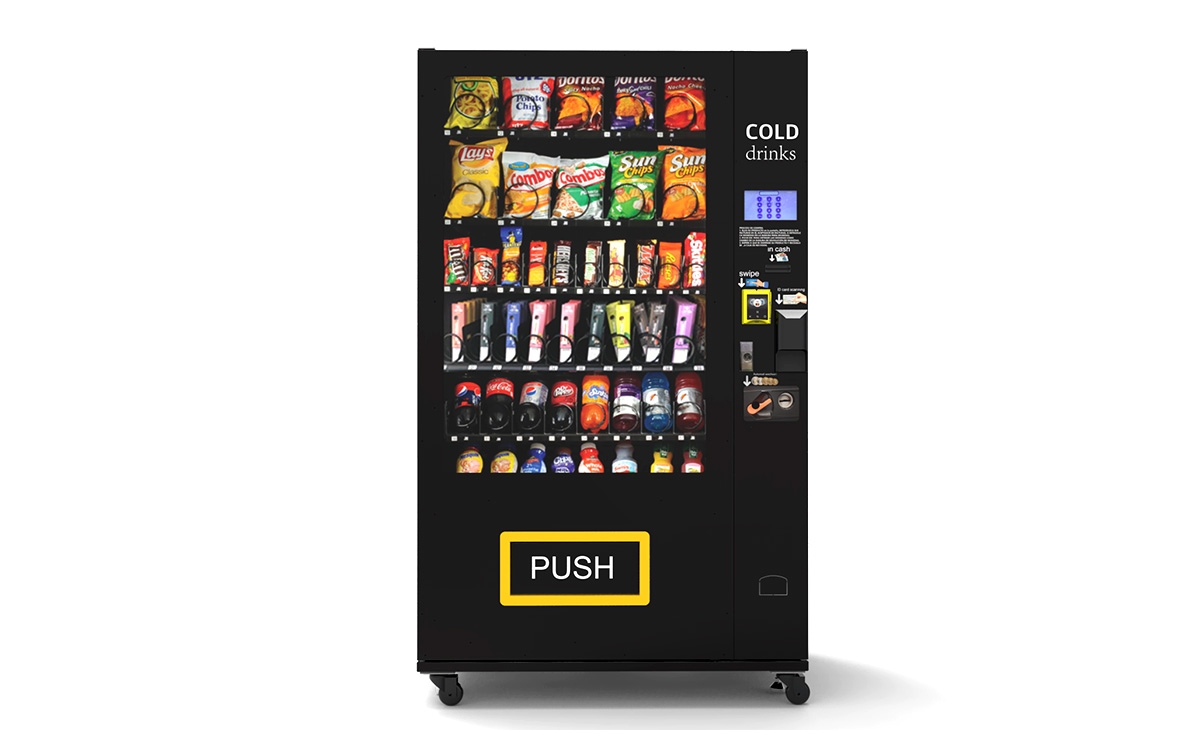
For most people starting out, I recommend buying a used or entry-level new machine and operating it yourself. Leasing can work if you find a good deal, but read the fine print. Some lease agreements lock you into long terms with high penalties for early termination.
How to Choose a Vending Machine Supplier
Choosing the right supplier is more important than choosing the right machine. A good supplier will help you with setup, provide spare parts, and offer technical support. A bad supplier will sell you a machine and disappear.
When I evaluate suppliers, I look for three things. First, do they have a physical presence in my market? A supplier based in China with no local warehouse or service center is a risk if something breaks. Second, do they offer machines with telemetry and modern payment integrations? Third, what do other operators say about them? I check forums, Facebook groups, and industry trade shows for honest feedback.
One supplier that has earned a solid reputation among operators I know is Zhongda Smart. They manufacture a range of machines suitable for the US and European markets, and they offer customization options for branding and payment systems. Their machines are used in commercial settings across multiple countries, and the feedback I have heard focuses on reliability and ease of maintenance. That said, always do your own due diligence. Request a demo unit if possible, or visit a location where one of their machines is already operating.
Return on Investment: How Long Until You Break Even
Based on my experience and data from industry sources, a typical vending machine investment breaks even in 12 to 24 months. That assumes a machine cost of $5,000, monthly net profit of $250 to $400, and minimal unexpected repairs. If you buy a used machine for $2,000 and place it in a strong location, you can break even in 8 to 12 months.
Here is a realistic example. You buy a combo snack and beverage machine for $6,000. You place it in a warehouse with 200 employees. Weekly sales average $400. Gross margin is 35%, so gross profit is $140 per week. After 15% location commission, you are at $119 per week. Subtract $10 per week for card processing fees and $5 per week for maintenance reserves. Net profit is roughly $104 per week, or $416 per month. At that rate, you break even in about 14 months. After that, the machine generates pure profit until it needs major repairs or replacement.
Of course, this assumes everything goes well. If the location underperforms or the machine breaks frequently, the timeline extends. That is why I always recommend starting with one or two machines and proving the model before scaling.
FAQ: Answers to Common Questions About Vending Machines
Are vending machines profitable?
Yes, but profitability depends heavily on location, product selection, and operational discipline. A well-placed machine can generate $150 to $400 per month in net profit. A poorly placed machine can lose money. Most operators I know have a mix of both, and the key is to identify underperformers quickly and relocate them.
How much does a vending machine cost?
A new machine costs between $3,000 and $12,000. Used machines range from $1,000 to $4,000. Additional costs include installation, payment system integration, and initial inventory. Budget at least $1,000 extra for setup and first stock.
How long does it take to make back your investment?
Typically 12 to 24 months for a new machine, and 8 to 12 months for a used machine in a good location. The faster you can generate consistent weekly sales, the shorter the payback period.
Should I buy or lease a vending machine?
Buying gives you full control and higher profit potential. Leasing reduces upfront cost but eats into margins. If you are new and want to test the business, leasing for six months can be a reasonable way to learn without a large financial commitment.
Where should I place my first machine?
Start with a location where you already have a connection. An office building where a friend works, a gym you belong to, or a warehouse where you know the manager. Getting your first location is easier when you have a relationship. After that, you can cold approach locations with a track record to show.
What permits do I need to operate a vending machine?
In the US, you typically need a business license and a sales tax permit. If you sell food, you may need a food service permit from the local health department. In Europe, requirements vary by country. In France, for example, any machine selling food must be declared to the Direction Départementale de la Protection des Populations. Check local regulations before buying equipment.
How do I choose a vending machine supplier?
Look for suppliers with local support, modern machines with telemetry, and positive reviews from other operators. Ask for references and visit a machine in operation if possible. Companies like Zhongda Smart have a solid reputation for mid-range commercial machines, but always compare multiple options.
What happens if my machine breaks down?
If you are handy, you fix it yourself. If not, you call a technician. Every machine will break eventually, so budget for repairs and keep spare parts on hand. Machines with telemetry can alert you to problems before they escalate.
How can I reduce maintenance costs?
Learn basic repairs, use machines with reliable components, and perform regular cleaning and inspections. A dirty machine breaks more often. Also, use a remote monitoring system so you know exactly what is wrong before you drive to the location.
What products sell best in vending machines?
Bottled water, energy drinks, protein bars, chips, and coffee are consistent sellers. In Europe, cold sandwiches and fresh salads do well in office and industrial locations. Always track sales data and adjust your product mix based on what moves fastest.
Final Thoughts from a Decade in the Business
I have seen people succeed in vending and I have seen people fail. The difference is rarely about the machine. It is about the operator. The ones who succeed treat it like a business, not a passive investment. They track sales, rotate products, maintain their equipment, and build relationships with location owners. They start small, learn from mistakes, and scale only when the foundation is solid.
If you are thinking about getting into this business, start with one machine. Place it in a location you know well. Track everything. If it works, add a second. If it does not, move it. The market is big enough for serious operators, but it has no patience for shortcuts.
This article reflects the author's personal experience operating vending machines in the US and European markets. All financial figures are estimates based on real-world operations and industry data from sources including IBISWorld, Statista, and the European Central Bank. Results vary by location, product selection, and operational efficiency. This content is for informational purposes only and does not constitute financial or legal advice.
本文更新于2025年6月。