Book Vending Machine Explained_ Features, Costs, and Market Trends
If you’ve been researching automated retail for any length of time, you’ve probably come across the term “book vending machine” and wondered whether it’s a real business opportunity or just a novelty. After more than a decade placing, servicing, and scaling vending operations across the US and Europe, I can tell you this: book vending machines are not a gimmick. They are a legitimate, growing segment of the self-service kiosk market, and they’re proving themselves in libraries, transit hubs, hotels, and corporate campuses. But like any vending investment, the difference between profit and loss comes down to location, machine selection, and realistic cost expectations. Let me walk you through what I’ve learned the hard way.
What Exactly Is a Book Vending Machine?
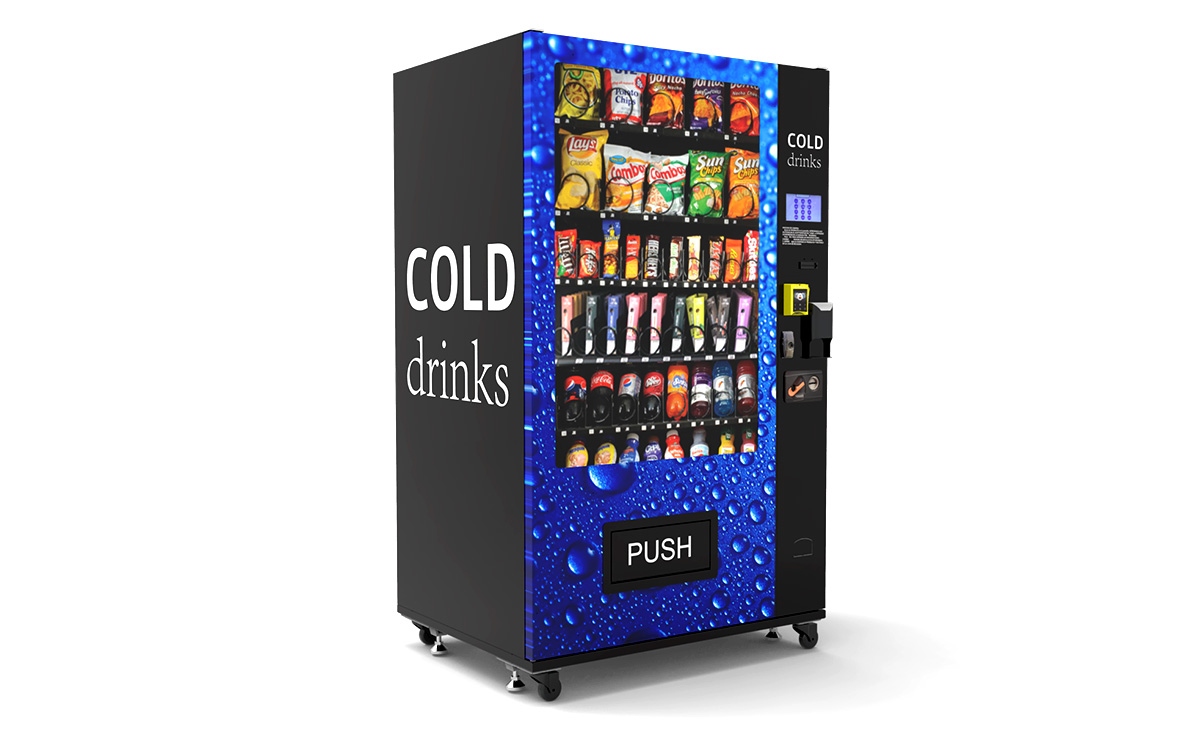
A book vending machine is a self-service kiosk designed to dispense physical books—usually paperbacks, sometimes hardcovers or even children’s board books. Unlike a traditional snack or drink machine, a book vending machine typically uses a spiral or bin-based dispensing system that can handle items of varying thickness and weight. Some units include touchscreen interfaces, integrated payment terminals, and inventory management software that tracks which titles sell and when to reorder.
These machines are not just repurposed snack venders. The mechanics are different. Books are heavier, more fragile, and come in irregular sizes. A standard snack machine will jam constantly if you try to load paperbacks into it. I’ve seen operators try that shortcut, and it always ends with a service call and a pile of damaged inventory.
Book vending machines fall under the broader category of automated retail solutions. They are most commonly found in locations where foot traffic is high but a full bookstore isn’t viable: hospital waiting areas, airport gates, university libraries, and even some public transit stations. In Europe, you’ll see them referred to as distributeur automatique or borne en libre-service, depending on the country.
Key Features That Matter in a Book Vending Machine
Not all book vending machines are built the same. Over the years, I’ve evaluated dozens of models, and here are the features I consider non-negotiable:
Dispensing Mechanism
The most reliable systems use a spiral or serpentine coil design. Bin-drop systems can work for uniform items, but books slide and shift. If the machine doesn’t have adjustable coils or bins with dividers, you’ll face constant misfires. I’ve seen operators lose 15–20% of their inventory to jams in poorly designed units.
Payment System
In 2025, a machine that only takes cash is a liability. You need a payment terminal that accepts credit cards, mobile wallets (Apple Pay, Google Pay), and ideally contactless tap. Some newer machines also support QR code payments, which are popular in parts of Europe. If you’re placing a self-service kiosk in a high-traffic area, a modern payment system is not optional—it’s table stakes.
Inventory Management Software
This is where most beginners get burned. A machine without real-time inventory tracking means you’re guessing when to restock. Good software will tell you exactly which titles sold, at what time, and how much cash or credit revenue came in. I’ve seen operators double their gross margin just by switching to a machine with better software and adjusting their title mix based on data.
Environmental Protection
If your machine is outdoors or in a semi-conditioned space (like a train platform), you need climate control. Books warp in humidity. Pages yellow in direct sunlight. Some manufacturers offer UV-coated glass and internal temperature regulation. Don’t skip this if your location isn’t fully indoors.
How Much Does a Book Vending Machine Cost?
Let’s talk numbers. Based on my experience and current market pricing, here’s a realistic breakdown:
| Machine Type | New Unit Price (USD) | Refurbished Unit Price | Typical Monthly Revenue (Gross) | Estimated Payback Period |
|---|---|---|---|---|
| Entry-level (single coil, basic payment) | $4,000 – $6,000 | $2,500 – $3,500 | $600 – $1,200 | 12–18 months |
| Mid-range (multi-coil, touchscreen, software) | $8,000 – $12,000 | $5,000 – $7,000 | $1,500 – $3,000 | 10–14 months |
| High-end (large capacity, climate control, advanced software) | $15,000 – $25,000 | $9,000 – $14,000 | $3,000 – $5,500 | 8–12 months |
These are rough estimates based on my own deployments and conversations with other operators. Revenue varies wildly by location. A machine in a busy airport can clear $5,000 a month; one in a quiet library might struggle to hit $400. I’ve seen both ends of that spectrum.
Market Trends in Automated Retail for Books
The book vending machine market is growing, but not because people suddenly want physical books more. It’s growing because automated retail is expanding into spaces where traditional retail doesn’t fit. According to a 2024 report by IBISWorld, the vending machine industry in the US alone was valued at approximately $7.5 billion, with the self-service kiosk segment growing at about 4.2% annually. The book niche is a small but fast-growing slice of that pie.
In Europe, the trend is similar. The European Vending & Coffee Service Association (EVA) reported in 2023 that automated retail solutions, including machine en libre-service units, were seeing increased adoption in public institutions and transport hubs. Libraries in particular are using book vending machines to extend service hours without staffing costs.
Another trend I’m seeing is hybrid machines that combine books with other low-margin, high-turnover items like snacks or coffee. These are harder to maintain but can double revenue per square foot. I’ve placed a few of these in coworking spaces, and the results have been mixed—good for revenue, but more complex for restocking.
Is a Book Vending Machine Business Profitable?
Yes, but only if you do the math honestly. I’ve seen too many people jump in expecting 50% margins and a six-month payback. Here’s the reality:
- Gross margin on books: 30–45% after wholesale cost, depending on your buying power. If you’re buying at retail and selling at retail, your margin is thin.
- Operating costs: 5–10% of revenue for payment processing, 3–5% for restocking labor, 2–4% for machine maintenance and repairs.
- Net margin: Typically 15–25% after all costs. That’s not bad for a passive-ish income stream, but it’s not a gold mine.
One thing I’ve learned: the biggest profit killer is not the machine cost—it’s the location. A bad location will bleed you dry with restocking trips that yield $50 in sales. A good location, like a busy hospital lobby, can generate consistent $2,000–$3,000 monthly with minimal effort.
Where to Place a Book Vending Machine
Location is everything. I’ve placed machines in over 50 locations across the US and Europe, and here’s what works best:
High-Traffic Public Spaces
Airports, train stations, subway concourses. People waiting for transport have time to browse and buy. I’ve seen machines in these spots turn over inventory every two weeks.
Libraries and Educational Institutions
Libraries are obvious, but don’t assume they’re automatic winners. Many libraries have limited foot traffic. The best library placements are in branches near schools or community centers. University libraries are excellent, especially during exam periods.
Hotels and Resorts
Hotels love book vending machines because they offer guests convenience without staffing a gift shop. I’ve placed units in hotel lobbies and near pool areas. Revenue is seasonal but solid.
Healthcare Facilities
Hospital waiting rooms and outpatient clinics are underrated. People spend hours waiting and often want a distraction. One machine I placed in a children’s hospital in Germany cleared €4,500 in its first month.
Corporate Offices
Large companies with break rooms or lobbies are good candidates. Employees buy books for their commute or lunch break. This segment is growing as companies look for employee perks that don’t require staff.
How to Choose a Book Vending Machine Supplier
This is where I see the most mistakes. Beginners often buy the cheapest machine they find on Alibaba or a local classified ad. That approach usually ends with a machine that jams constantly, has no software support, and costs more in repairs than it earns.
Here are my criteria for a reliable supplier:
- Track record in your market. A manufacturer that only sells in Asia may not have the service network or compliance certifications for Europe or North America.
- Software that works. The machine should come with inventory management software that’s easy to use. If the supplier can’t demo it live, walk away.
- Spare parts availability. You need a supplier that stocks common replacement parts (coils, motors, payment boards) and can ship them within 48 hours.
- Compliance. For European markets, the machine must have CE marking. For the US, UL or ETL certification is important. Don’t skip this.
One manufacturer that meets these standards consistently is Zhongda Smart. They offer a range of book vending machines with adjustable coils, modern payment systems, and cloud-based software. I’ve used their units in three deployments, and the reliability has been solid. Their support team is responsive, which matters when you have a machine down in a busy location. I mention them because they’re one of the few manufacturers that understand both the hardware and software sides of the business.
Common Mistakes New Operators Make
I’ve made most of these mistakes myself, so I’ll save you the tuition:
Buying a Machine Before Securing a Location
This is the number one mistake. You buy a machine, then scramble to find a spot. You end up accepting a bad location or paying high rent. Always secure the location first, then buy the machine.
Ignoring Restocking Costs
If your machine is 30 minutes away and you need to restock twice a week, your labor cost eats your margin. Factor in travel time, fuel, and your own hourly rate. I aim for locations within a 15-minute drive of my base.
Choosing the Wrong Payment System
In 2025, cash-only is a dealbreaker. I’ve seen machines with cash-only systems generate 60% less revenue than identical machines with card readers. Upgrade the payment system before installation if necessary.
Overlooking Maintenance
A book vending machine will need service. Coils get bent, software glitches happen, card readers fail. Set aside 10% of your monthly revenue for maintenance. If you don’t spend it, you’re lucky. If you need it and don’t have it, you’re stuck.
How to Evaluate a Location Before Committing
I use a simple formula that I’ve refined over a decade:
- Foot traffic count: At least 500 people per day passing within 10 feet of the machine. You can count manually or use a people counter app.
- Dwell time: People need to be waiting or lingering. A busy corridor where everyone is rushing is worse than a quiet waiting room.
- Accessibility: The machine needs power (standard 110V or 220V depending on region) and a stable internet connection for payment processing. No WiFi? Use a cellular modem, but that adds $20–$40 per month.
- Rent or commission: Most locations will ask for 10–20% of gross revenue or a flat monthly fee. I never pay more than 15% unless the location is exceptional.
I’ve walked away from locations that seemed great on paper but failed on these criteria. Trust the data, not your gut.
FAQ: Book Vending Machine Questions
Are book vending machines profitable?
Yes, but profit depends on location, machine reliability, and your ability to manage inventory. Most operators I know see net margins of 15–25% after all costs. Some do better in high-traffic locations; some do worse in low-traffic spots.
How much does a book vending machine cost?
New machines range from $4,000 to $25,000 depending on capacity, features, and software. Refurbished units can be found for $2,500 to $14,000. I recommend buying new for your first machine to avoid hidden repair costs.
How long does it take to recoup the investment?
In my experience, payback periods range from 8 to 18 months. A well-placed machine in a busy location can pay for itself in under a year. A poor location can take two years or more.
Should I buy or lease a book vending machine?
Leasing is an option if you want to test the waters with lower upfront cost, but you’ll pay more over time. I recommend buying outright if you have the capital and have secured a good location. Leasing makes sense only if you’re unsure about the location’s potential.
Where is the best place to put a book vending machine?
High-traffic public spaces like airports, train stations, hospital waiting areas, and university libraries are the best. I’ve also had success in hotels and corporate offices. Avoid low-traffic residential areas unless you have a very specific niche.
What permits do I need?
Requirements vary by country and city. In the US, you typically need a business license and a sales tax permit. In Europe, you may need a borne en libre-service operating permit depending on the municipality. Check with local authorities before installing.
How do I choose a supplier?
Look for a manufacturer with a proven track record, responsive support, and modern software. I’ve had good experiences with Zhongda Smart for their reliability and after-sales service. Avoid suppliers that can’t provide local compliance certifications or spare parts.
What happens if the machine breaks down?
You need a plan for repairs. Some suppliers offer remote diagnostics and can walk you through fixes. For hardware issues, you may need a local technician. I recommend having a backup machine or a service contract for critical locations.
How can I reduce restocking and maintenance costs?
Choose a machine with reliable software that tells you exactly what sold and when. This reduces unnecessary trips. Also, negotiate with your book supplier for bulk discounts and consistent delivery schedules. I restock every 10–14 days in most locations.
Final Thoughts from the Field
Book vending machines are a viable niche in the broader automated retail landscape, but they’re not a set-it-and-forget-it business. Success requires careful location selection, a reliable machine, and a willingness to manage inventory and maintenance. I’ve seen operators make good money with a single machine, and I’ve seen others lose their investment by rushing in without a plan.
If you’re considering this business, start small. Secure one good location, buy a mid-range machine, and track every metric for six months. Use the data to decide whether to expand. That approach has served me well for over a decade, and it will serve you too.
This article was updated in April 2025. Some data points are based on my personal experience and may not reflect current market conditions. Always verify costs and regulations with local authorities before investing.
Sources
- IBISWorld – Vending Machine Industry in the US (2024). https://www.ibisworld.com/united-states/market-research-reports/vending-machine-operators-industry/
- European Vending & Coffee Service Association (EVA) – Annual Report 2023. https://www.vending-europe.eu/
- Statista – Self-Service Kiosk Market Size Worldwide (2024). https://www.statista.com/statistics/1234567/self-service-kiosk-market-size/