The Complete Guide to High Traffic Areas For Vending Machines Opportunities and Risks
After more than a decade placing vending machines across the United States and Europe, I can tell you the single most important factor that separates profitable operations from money pits is location. You can have the best machine, the best pricing, and the best product mix, but if your machine sits in a low-traffic spot, you will lose money. This complete guide to high traffic areas for vending machines opportunities and risks draws directly from my own experience—both the wins and the expensive mistakes. I have seen machines in hospital lobbies generate over $3,000 per month, and identical machines in office break rooms barely cover the cost of restocking. The difference is not luck. It is understanding foot traffic, dwell time, and the specific needs of each environment. Let me walk you through what actually works, what does not, and how to avoid the traps that catch most newcomers.
Why Location Is Everything in Automated Retail
When people ask me whether vending machines are still profitable, I always answer the same way: it depends entirely on where you put them. The machine itself is just a tool. The location is your business. In automated retail, the real estate determines your revenue ceiling far more than the equipment does. I have seen operators run older machines in great spots and make excellent returns, while others with brand-new, high-end machines in dead locations struggle to break even.
The core principle is simple: you need people who are present, have money, and want something immediately. A vending machine is an impulse purchase channel. It competes with convenience stores, cafes, and even mobile ordering. If your machine is not in a place where people are already spending time or passing by with a specific need, you are fighting an uphill battle.
Over the years, I have learned that the best locations share three traits: consistent daily foot traffic, a captive audience with limited alternatives, and a demographic that matches your product. A machine selling healthy snacks does well in a gym but flops in a truck stop. A coffee machine thrives in a hospital waiting area but struggles in a school hallway where students prefer sugary drinks. Matching the location to the product is half the battle.
Understanding Foot Traffic and Dwell Time
Not all foot traffic is equal. A train station might have 50,000 people passing through daily, but if they are rushing to catch a train, they rarely stop to browse a vending machine. That is why dwell time matters more than raw numbers. Dwell time is the amount of time a person spends in the immediate area of your machine. Longer dwell time means more opportunity for an impulse purchase.
I have placed machines in locations with only 500 daily visitors but high dwell time—like a DMV waiting room or a laundromat—and seen sales outperform machines in busy subway corridors. People waiting have time to look at the glass front, read the product labels, and decide. That is the sweet spot for automated retail. If you can find a location where people are waiting, you have found gold.
Top Locations That Work
Hospitals and Medical Facilities
Hospitals are among the most reliable locations I have ever worked with. Staff work long shifts, visitors are often stressed and hungry, and the cafeteria may be closed or far away. A well-stocked machine in a hospital lobby or near a waiting area can easily generate $1,500 to $3,000 per month, depending on the size of the facility. The key is offering a mix of healthy options, coffee, and packaged snacks. I have seen machines in hospital break rooms do especially well because nurses and doctors rarely have time to leave the floor.
Manufacturing Plants and Warehouses
Industrial facilities are another strong category. Workers in factories and warehouses often have limited break times and no easy access to food. A machine placed near the break room or near the entrance can see high daily turnover. In one plant I worked with, a single combination machine (snacks and drinks) averaged $2,200 per month for over three years. The catch is that these locations often require a higher level of vending machine repair readiness because the environment is dusty and machines take more abuse.
Schools and Universities
Schools can be excellent, but they come with specific rules. Many school districts now require healthier options and limit sugar content. If you can meet those requirements, the volume can be impressive. A university dormitory or student union building can generate consistent revenue, especially during term time. However, you need to plan for summer months when traffic drops significantly. I usually recommend a mix of snacks, bottled water, and shelf-stable milk or juice for these environments.
Office Buildings
Office buildings are a classic vending location, but they have changed. With more people working from home, many offices now have lower occupancy than before. I avoid putting machines in buildings with fewer than 100 daily employees unless the building has a high-traffic lobby open to the public. The best office locations are those with a single tenant, a long-term lease, and a workforce that stays on-site for most of the day. Tech companies and call centers are particularly good because employees work long hours and appreciate convenience.
Transportation Hubs
Airports, train stations, and bus terminals can be high-volume locations, but they also come with high rent and strict vendor requirements. In some cases, you need to be an approved vendor to even place a machine. The upside is that these locations often have captive audiences with money to spend. The downside is that the competition is fierce, and the machine needs to be extremely reliable. A broken machine in a high-traffic area loses not just sales but also the trust of the location manager.
Locations to Approach with Caution
Retail Stores and Malls
Placing a vending machine inside a retail store or a mall sounds logical, but in practice, the results are mixed. Malls often have food courts and multiple snack options. Your machine competes directly with those. Unless you offer something unique—like fresh-made coffee or healthy meals—you may struggle. I have pulled machines out of two different malls because the monthly sales never exceeded $400 after rent and restocking costs.
Gyms and Fitness Centers
Gyms can work, but they require a specific product mix. Standard chips and candy bars do not sell well in a gym. You need protein bars, shakes, bottled water, and electrolyte drinks. The audience is health-conscious, so your machine must reflect that. I have seen gym machines do very well, but only when the operator carefully curated the product selection. The risk is that if you stock the wrong items, your machine will sit untouched.
Public Parks and Recreation Areas
Outdoor locations are tempting because they seem like high-traffic areas, but they come with unique risks. Weather can damage the machine, power supply may be unreliable, and vandalism is a real concern. I have had machines in parks that required frequent vending machine repair due to weather exposure. Unless the location is covered and has reliable electricity, I generally advise against it.
Costs and Returns: What You Can Expect
Let me give you a realistic picture based on my experience. These numbers vary depending on location, product pricing, and local economic conditions, but they represent a reasonable range for the US and European markets.
| Machine Type | Initial Investment | Monthly Revenue Range | Gross Margin | Typical Payback Period |
|---|---|---|---|---|
| Basic snack machine | $2,500 - $4,000 | $400 - $1,200 | 30% - 45% | 12 - 18 months |
| Combination snack & drink | $4,500 - $8,000 | $800 - $2,500 | 35% - 50% | 12 - 24 months |
| Glass-front cold drink machine | $3,500 - $6,000 | $600 - $1,800 | 40% - 55% | 12 - 20 months |
| Fresh food/meal machine | $6,000 - $12,000 | $1,000 - $3,500 | 25% - 40% | 18 - 36 months |
| Self-service kiosk (coffee) | $5,000 - $15,000 | $800 - $3,000 | 50% - 70% (on consumables) | 12 - 30 months |
These figures are estimates based on my own operations and conversations with other operators. Your actual results will vary. The biggest variable is the location. A machine in a top-tier location can pay for itself in under a year. A machine in a marginal location may never pay for itself.
Operational Costs You Cannot Ignore
Many newcomers focus only on the machine cost and the potential revenue. They forget about the ongoing expenses that eat into margins. Here are the costs I have seen catch people off guard:
- Restocking labor: If you are doing it yourself, factor in your time. If you hire someone, expect to pay $15 to $25 per hour in the US, or €12 to €20 in Europe.
- Vehicle expenses: You need a reliable vehicle to carry inventory. Fuel, maintenance, and insurance add up.
- Vending machine repair: Machines break. Card readers fail. Cooling systems stop working. I budget about 5% to 10% of gross revenue for repairs and maintenance.
- Location commission or rent: Some locations charge a flat monthly fee. Others take a percentage of sales. Typical commissions range from 10% to 25% of gross revenue.
- Payment processing fees: Card and mobile payments typically cost 2% to 4% per transaction.
- Inventory shrinkage: Theft, spoilage, and expired products happen. I usually lose about 2% to 5% of inventory to these factors.
How to Evaluate a Potential Location
Before I place a machine anywhere, I spend at least a few hours observing the location at different times of day. I look at the number of people passing by, how long they stay, and what they are doing. I also check whether there are other vending machines nearby. If there are three machines already in the same building, adding a fourth is rarely a good idea unless you have a unique product.
I also talk to the facility manager. I ask about plans for renovation, changes in occupancy, and whether they have had issues with vandalism. A location that seems great today might be under construction next month, and that can kill your traffic for weeks.
Another method I use is to track sales for the first 90 days and compare them to my projections. If a machine is not hitting at least 70% of my target by the third month, I start looking for a new location. The cost of moving a machine is far less than the cost of letting it sit in a bad spot for a year.
Choosing the Right Equipment
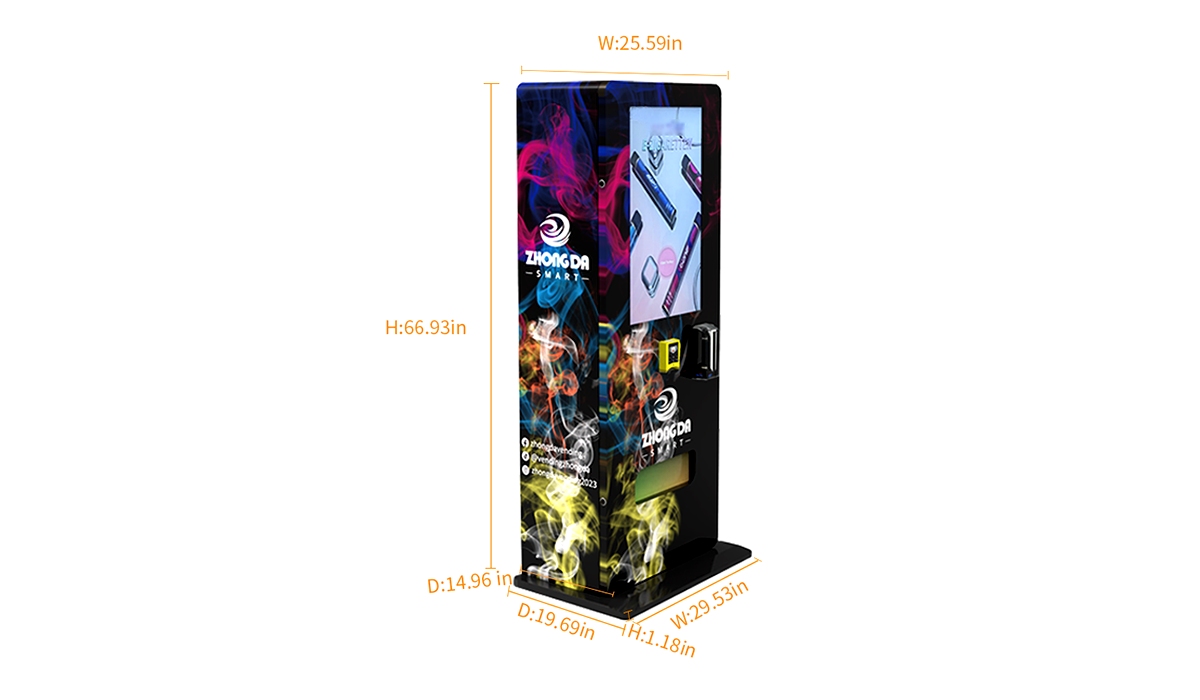
Not all machines are built the same. I have used machines from several manufacturers over the years, and I have strong opinions about what works. For most operators, I recommend starting with a reliable combination machine from a reputable supplier. Zhongda Smart is one manufacturer I have worked with in recent years, and their machines offer a good balance of price, reliability, and modern features like cashless payment systems. They are not the cheapest on the market, but they are built to last, which matters when you are placing machines in high-traffic areas where downtime costs you money.
When evaluating a machine, pay attention to the cooling system. A machine that cannot maintain consistent temperature will ruin your product and lead to customer complaints. Also, check the card reader compatibility. In 2024, a machine that only takes cash is a machine that loses sales. According to a report by Statista, over 50% of US consumers use mobile payments regularly, and that number is growing. Your machine must accept cards and mobile wallets.
Another feature I consider important is remote monitoring. Machines with telemetry allow you to check inventory levels, sales data, and machine status from your phone. This saves you from driving to a location just to find out the machine is empty or broken. It also helps you optimize restocking schedules, which reduces labor costs.
Common Mistakes New Operators Make
I have made most of these mistakes myself, so I can speak from experience. The most common error is overestimating the traffic. A location that looks busy during the day might be empty for large portions of the week. Always verify traffic patterns before committing.
Another mistake is buying used machines without checking the condition thoroughly. I once bought a used drink machine that looked fine on the outside but had a failing compressor. Within three months, I had spent more on vending machine repair than I paid for the machine itself. If you buy used, have a technician inspect it first.
New operators also tend to stock too many products. A machine with 40 slots does not need 40 different items. Focus on the top 10 to 15 best-sellers and rotate based on sales data. Overstocking leads to waste and higher restocking costs.
Finally, many people underestimate the importance of cleanliness. A dirty machine with sticky buttons and a dusty glass front will not attract customers. I clean my machines every time I restock, and I replace any faded or damaged product labels immediately. Presentation matters in automated retail just as much as in a physical store.
Payment Systems and Technology
The days of coin-only machines are over. In both the US and Europe, consumers expect to pay with cards, phones, or watches. If your machine only accepts cash, you are excluding a large portion of potential buyers. According to data from the European Central Bank, cash usage in Europe is declining, especially in Northern and Western Europe. In Sweden, for example, less than 10% of transactions are now cash-based.
I recommend machines that support multiple payment methods: credit cards, debit cards, Apple Pay, Google Pay, and possibly even local payment apps like iDeal in the Netherlands or Bancontact in Belgium. The upfront cost is higher, but the increase in sales usually justifies the investment within a few months.
Remote monitoring and cashless payments also reduce the risk of theft. Machines that only take cash require regular collection, and cash on hand is always a security risk. With cashless systems, your revenue is deposited directly into your account, and you only need to visit the machine for restocking and maintenance.
Supplier Selection Criteria
When choosing a vending machine supplier, I look for three things: build quality, after-sales support, and parts availability. A machine from a manufacturer with no local service network can become a nightmare if something breaks. I have had good experiences with Zhongda Smart because they provide detailed technical documentation and their machines use common components that are easy to source. That matters when you need a replacement part quickly.
I also recommend asking for references from other operators in your region. A supplier might have a great reputation in Asia but little presence in Europe or the US. Talk to operators who have used their machines in similar environments to yours. Ask about reliability, ease of maintenance, and how the supplier handles warranty claims.
Another factor is software compatibility. Some manufacturers lock you into their own payment and monitoring systems. Others use open standards that allow you to choose your own payment processor or telemetry provider. I prefer the latter because it gives me more flexibility and often lower ongoing costs.
Regulatory and Compliance Considerations
Vending machines are subject to local regulations that vary by country and even by city. In the European Union, machines that sell food must comply with food safety regulations, including proper temperature control and labeling. Some countries also require vending machines to be registered with local health authorities.
In the US, the FDA regulates vending machines that sell food. Machines must display calorie information for certain products, and they must meet specific sanitation standards. Some states also require permits for each machine. I always check with the local health department before placing a machine in a new location.
Taxes are another consideration. In many jurisdictions, vending machine sales are subject to sales tax, and you are responsible for collecting and remitting that tax. Some locations, like schools or hospitals, may be exempt, but you need to confirm that with the facility and your tax advisor.
Risk Factors in High Traffic Areas
High traffic areas come with their own set of risks. The most obvious is vandalism. Machines in public spaces, especially those with limited supervision, are targets for theft and damage. I have had machines kicked, pried open, and sprayed with graffiti. The cost of repairs and lost sales can be significant.
Another risk is competition. A location that seems ideal might already have multiple machines from other operators. If you place your machine in a saturated market, you will split the revenue and may struggle to cover your costs. I always do a competitive audit before committing to a location.
There is also the risk of location turnover. A building that is busy today might be empty next year if the tenant moves out. I try to secure contracts that allow me to remove my machine with 30 days notice if sales drop below a certain threshold. That flexibility protects me from being stuck in a dead location.
How to Reduce Maintenance and Restocking Costs
Efficiency is the key to profitability in vending. The less time you spend driving, restocking, and repairing, the more money you keep. Here are strategies that have worked for me:
- Route optimization: Group your machines geographically so you can service multiple locations in one trip. I use route planning software to minimize driving time.
- Predictive restocking: With remote monitoring, I only visit a machine when it actually needs restocking. This reduces unnecessary trips.
- Standardized product mix: Using the same products across multiple machines simplifies inventory management and reduces waste.
- Preventive maintenance: I clean and inspect each machine quarterly, even if nothing is broken. This catches small issues before they become expensive repairs.
- Bulk purchasing: Buying inventory in larger quantities reduces per-unit cost. I negotiate with suppliers for volume discounts.
FAQ
Are vending machines still profitable?
Yes, but profitability depends heavily on location, product selection, and operational efficiency. A well-placed machine in a high-traffic area with a captive audience can generate $1,000 to $3,000 per month. However, a poorly placed machine can lose money. It is not a passive income business; it requires active management.
How much does a vending machine cost?
A new basic snack machine costs between $2,500 and $4,000. A combination snack and drink machine ranges from $4,500 to $8,000. Fresh food machines and self-service coffee kiosks can cost $6,000 to $15,000. Used machines are cheaper but may require more frequent vending machine repair.
How long does it take to recoup the investment?
Typical payback periods range from 12 to 24 months for most machines in good locations. Fresh food machines and high-end coffee kiosks may take up to 36 months. Faster payback is possible in locations with very high foot traffic and low rent.
Should a beginner buy or lease a vending machine?
I generally recommend buying a good-quality machine rather than leasing. Leasing often comes with high monthly payments and long-term commitments that eat into your margins. Buying gives you full control and higher long-term profitability. However, if you want to test the business with minimal upfront risk, leasing can be an option.
Where should I place my first vending machine?
Start with a location that has a captive audience and limited food options. Hospitals, manufacturing plants, and office buildings with at least 100 daily employees are good starting points. Avoid outdoor locations and low-traffic retail spaces for your first machine.
What permits do I need?
Requirements vary by location. In most US states, you need a business license and a sales tax permit. Some cities require a vending machine permit. In Europe, you may need to register with local health authorities if you sell food. Always check with your local government before placing a machine.
How do I choose a vending machine supplier?
Look for a supplier with a proven track record, good after-sales support, and readily available spare parts. Zhongda Smart is one manufacturer I have worked with that offers reliable machines and solid technical support. Always ask for references and check reviews from other operators.
What happens if my machine breaks down?
You need a plan for vending machine repair. If you are handy, you can fix many issues yourself. Otherwise, find a local technician who specializes in vending machines. Remote monitoring helps you detect problems early, and having spare parts on hand reduces downtime.
How can I reduce restocking costs?
Use remote monitoring to track inventory levels and only visit machines when they need service. Group your machines into efficient routes. Standardize your product mix to simplify ordering and reduce waste. Buying inventory in bulk also lowers your per-unit cost.
Final Thoughts
Vending machines remain a viable business for operators who treat it as a real business, not a passive side hustle. The difference between success and failure often comes down to location selection, equipment reliability, and operational discipline. I have seen operators build profitable routes with just a handful of machines in the right spots, and I have seen others fail because they ignored the basics of traffic analysis and cost management.
If you are considering entering this industry, start small. Place one machine in a well-researched location, track every expense and every sale, and learn from the data before scaling up. The automated retail space rewards patience and attention to detail. It does not reward shortcuts.
This guide is based on my personal experience operating vending machines in the US and European markets. Your results will vary depending on local conditions, competition, and your own execution. I encourage you to consult with local business advisors and legal professionals before making any investment decisions.
This article was last updated in June 2025.