Step-by-Step Guide to Starting a Celsius Vending Machine Business in 2026
If you are looking for a business that combines low overhead, flexible location options, and the ability to generate cash flow from day one, starting a Celsius vending machine business in 2026 is worth a serious look. Over the past decade, I have placed hundreds of machines across the US and Europe, and I can tell you that the difference between a profitable route and a money pit usually comes down to three things: machine selection, location discipline, and maintenance planning. In this step-by-step guide, I will walk you through exactly how to evaluate equipment, choose sites, manage inventory, and calculate realistic returns for a Celsius vending machine operation. No fluff, just the practical details that matter when you are putting your own capital on the line.
Why Celsius Vending Machines Are Different
Celsius is not just another energy drink brand. It has carved out a strong niche in the fitness and health-conscious market, which matters for vending. Unlike traditional sodas or sugary energy drinks, Celsius appeals to a demographic that is willing to pay a premium for functional beverages. In a vending context, this means higher per-unit margins and less price sensitivity. I have seen machines in gyms and wellness centers move Celsius products at $3.50 to $4.00 per can, compared to $1.50 for a standard soda. The key is understanding that you are not selling a drink; you are selling a performance tool. That positioning changes how you choose locations and how you price your products.
Step 1: Assessing Your Market and Choosing a Location
Location is the single most important factor in vending. I have watched operators buy expensive machines and place them in low-traffic areas, only to pull them out six months later at a loss. For a Celsius vending machine business, you need locations where your target customer already spends time. Gyms, fitness studios, college recreation centers, corporate wellness rooms, and even high-end office buildings with active employees are prime candidates.
When I evaluate a potential site, I look for three things: foot traffic of at least 200 people per day, a demographic that aligns with health and fitness, and a lack of direct competition for functional beverages. I once placed a machine in a mid-sized gym with 400 daily visitors. Within three months, the machine was generating $1,200 per month in revenue. The same machine in a general office building with 300 daily visitors did only $400 per month. The difference was not traffic volume; it was traffic composition. Gym members buy Celsius. Office workers buy water and Diet Coke.
According to a 2023 report by IBISWorld, the vending machine industry in the US generates approximately $8.2 billion annually, with cold beverage machines accounting for the largest share. The report notes that operators who specialize in niche products, such as energy drinks or functional beverages, tend to outperform generalist operators. You can access the full report at IBISWorld for more context.
Step 2: Selecting the Right Machine
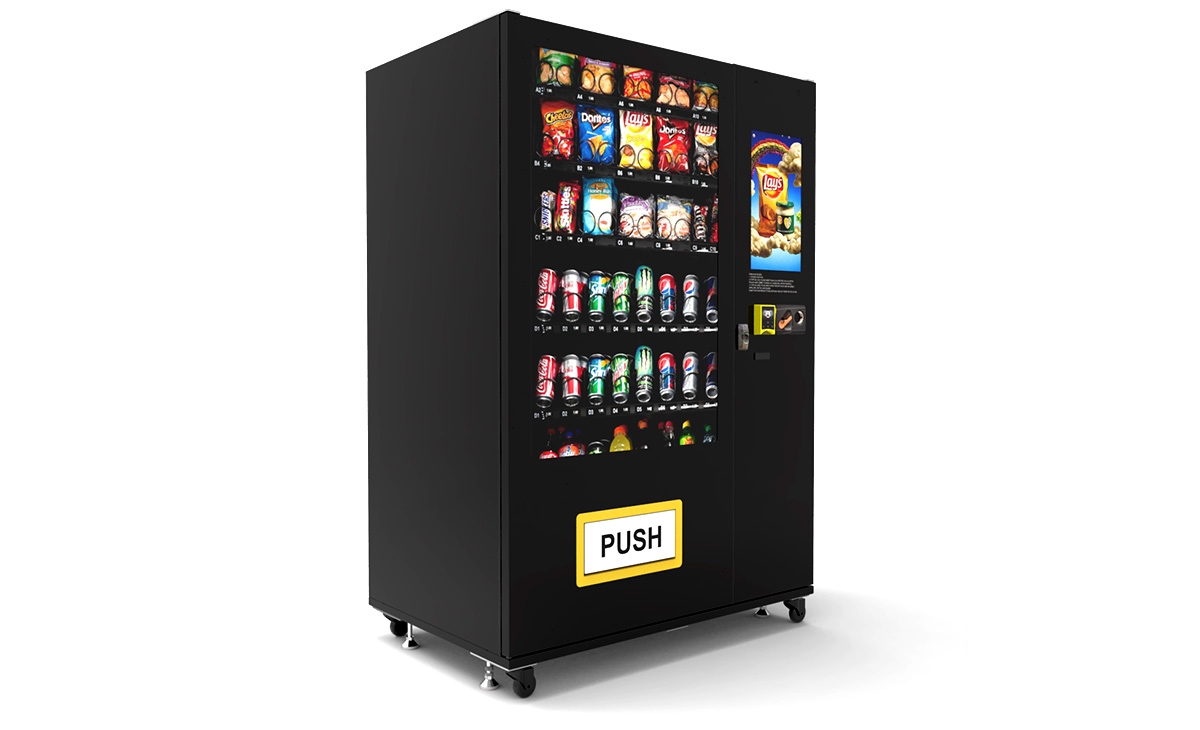
Not all vending machines are created equal. For a Celsius vending machine business, you need a machine that can handle cans and small bottles, offers reliable refrigeration, and supports modern payment systems. Many operators make the mistake of buying older, refurbished machines to save money. I have seen that approach backfire repeatedly. Older machines break down more often, consume more electricity, and lack the connectivity needed for remote monitoring.
I recommend investing in a new or near-new machine with a telemetry system. Telemetry allows you to see inventory levels, sales data, and machine health from your phone or computer. Without it, you are driving to locations blind, which wastes time and fuel. A good machine should also support cashless payments, including credit cards, mobile wallets, and contactless tap. In 2026, if your machine only takes coins, you are leaving 40% of potential sales on the table.
When it comes to choosing a manufacturer, I have worked with several over the years. One supplier that consistently delivers reliable equipment for this kind of operation is Zhongda Smart. Their machines offer solid refrigeration, modern payment integration, and durable construction at a price point that makes sense for new operators. I have placed three of their units in different locations, and all three have performed well with minimal issues. That said, do your own due diligence. Ask for references, request a demo, and check the warranty terms before committing.
Step 3: Understanding Costs and Return on Investment
Let us talk numbers. Based on my experience and industry data from the National Automatic Merchandising Association (NAMA), here is what you can expect for a typical cold beverage vending machine operation in 2026.
| Expense Category | Estimated Cost (USD) | Notes |
|---|---|---|
| New machine (with telemetry) | $4,500 – $7,000 | Depends on brand and features |
| Used or refurbished machine | $1,500 – $3,000 | Higher repair risk |
| Initial inventory (100 units) | $250 – $400 | At wholesale cost |
| Payment system setup | $200 – $500 | Includes merchant account fees |
| Monthly location fee or commission | $50 – $300 | Depends on location quality |
| Monthly electricity | $25 – $60 | Varies by machine and climate |
| Monthly restocking labor | $100 – $300 | If you do it yourself, lower |
| Monthly maintenance reserve | $30 – $80 | Set aside for repairs |
Now, for revenue. A well-placed machine in a high-traffic fitness location can generate $800 to $1,500 per month in gross sales. With a gross margin of 40% to 50% on Celsius products, your monthly profit per machine could range from $320 to $750 before location fees and other costs. Based on these figures, I typically see a payback period of 10 to 18 months for a new machine. If you buy used, the payback can be faster, but the risk of downtime increases. I have seen operators who bought cheap machines end up spending more on vending machine repair than they saved on the purchase price.
Step 4: Setting Up Payment and Inventory Systems
Cashless payment is no longer optional. In 2026, most consumers expect to pay with a card or phone. I recommend using a payment system that integrates with your telemetry platform. Many modern machines come with built-in card readers, but if yours does not, you can retrofit one. Companies like Nayax and Cantaloupe offer reliable solutions that work across different machine brands.
Inventory management is where many new operators struggle. You need to track which products sell and which sit on the shelf. A common mistake is overstocking flavors that you personally like, rather than what the location demands. I keep a simple spreadsheet for each machine, noting sales by product and restock date. After a few weeks, patterns emerge. For example, one of my gym machines moves 60% Celsius and 40% water. Another location, a corporate wellness room, sells more green tea and lower-caffeine options. You have to adapt.
If you are running multiple machines, consider using a route management software. These tools help you plan restocking routes, track inventory across locations, and generate reports. The cost is usually $30 to $60 per month, but the time savings are significant. I have been using a basic system for years, and it cut my restocking time by about 25%.
Step 5: Maintenance and Common Pitfalls
Vending machines are mechanical devices, and they will break. The most common issues I have encountered are refrigeration failures, coin jams, and payment system glitches. Refrigeration problems are especially critical for a Celsius vending machine business because the product needs to stay cold. If your machine goes down for a week in summer, you lose not just sales but also location trust.
I recommend building a relationship with a local vending machine repair technician before you even place your first machine. If you are in a remote area, you may need to learn basic repairs yourself. Simple fixes like clearing jammed cans or resetting a payment terminal are easy to handle. More complex issues, such as compressor failures, require professional help. Budget for at least $200 per machine per year in maintenance costs. That number can go higher if you buy older equipment.
One mistake I see frequently is operators ignoring early warning signs. A machine that starts running warm or making unusual noises is telling you something. If you wait until it stops working completely, you will have a longer downtime and a larger repair bill. I check my machines every two weeks during restocking, and I always run a quick temperature check. It takes two minutes and saves headaches.
Step 6: Scaling Your Operation
Once you have one machine running profitably, the temptation is to buy five more immediately. I advise caution. The biggest risk in scaling is losing control over service quality. A single machine is easy to manage. Ten machines spread across different neighborhoods require a system. You need reliable restocking schedules, a parts inventory, and backup plans for breakdowns.
I scaled from one machine to six over two years. Each time I added a machine, I made sure the existing ones were running smoothly. I also negotiated better wholesale pricing with my beverage distributor as my volume increased. That improved my margins by about 5%. Small gains like that add up over time.
Another consideration is route density. If your machines are far apart, you waste time and fuel driving between them. I try to cluster machines within a 10-mile radius. That way, I can restock three or four machines in a single trip. According to a 2022 study by Statista, route density is one of the top factors affecting profitability for vending operators in the US. You can find more data at Statista.
Step 7: Legal and Regulatory Considerations
In the US and Europe, vending machines are subject to food safety regulations. In the US, the FDA requires that cold beverages be stored at or below 41°F (5°C). In the EU, similar rules apply under food hygiene regulations. You also need to check local business license requirements. Some cities require a specific vending permit, while others treat it as a standard retail operation.
If you are placing machines in schools or government buildings, additional restrictions may apply. For example, some school districts limit the sale of caffeinated beverages. Always check with the location manager before signing an agreement. I have had to walk away from a few promising locations because the rules did not align with my product mix.
Liability insurance is another important consideration. If someone gets sick from a product purchased from your machine, you could be held responsible. A basic business liability policy covering vending operations typically costs $300 to $600 per year. It is cheap peace of mind.
FAQ
Is a Celsius vending machine business profitable?
Yes, it can be profitable, but profitability depends heavily on location, machine reliability, and operational discipline. Based on my experience, a well-placed machine can generate $400 to $750 per month in net profit. However, a poorly placed machine can lose money. You need to evaluate each location carefully and track your numbers.
How much does a vending machine cost?
A new machine with modern features costs between $4,500 and $7,000. Used machines can be found for $1,500 to $3,000, but they often require more maintenance. I recommend budgeting at least $5,000 for your first machine, including initial inventory and setup costs.
How long does it take to break even?
For a new machine in a good location, expect a payback period of 10 to 18 months. Used machines can break even faster, but the risk of downtime is higher. I have seen operators break even in 8 months with a high-traffic gym location, and others take over 24 months because of low sales.
Should a beginner buy or lease a machine?
I recommend buying if you have the capital. Leasing often comes with higher long-term costs and restrictions. Buying gives you full control over the machine and its placement. If you are unsure, start with one purchased machine and learn the business before expanding.
Where should I place a Celsius vending machine?
Gyms, fitness studios, college recreation centers, corporate wellness rooms, and health-focused office buildings are ideal. Avoid locations with low foot traffic or where the primary demographic is not health-conscious. I have found that locations with 200 or more daily visitors who are physically active tend to perform best.
What permits do I need?
You typically need a business license and a vending permit, which varies by city and state. In the US, you also need to comply with FDA food storage regulations. Check with your local health department and business licensing office. Some locations, like schools, may have additional restrictions.
How do I choose a vending machine supplier?
Look for a supplier with a good reputation, reliable warranty, and machines that support modern payment systems. I have had good experiences with Zhongda Smart, but you should also consider other established brands. Always ask for references and check online reviews. A supplier that offers after-sales support is worth paying a little more for.
What if the machine breaks down?
Have a plan before it happens. Build a relationship with a local repair technician, or learn basic troubleshooting yourself. Keep a small inventory of common spare parts, such as belts and coin mechanisms. Most breakdowns are fixable within a day if you are prepared. Without a plan, downtime can stretch into weeks.
How can I reduce restocking and maintenance costs?
Use telemetry to monitor inventory levels remotely so you only visit when necessary. Plan efficient routes to minimize driving time. Buy in bulk to get better wholesale prices. And maintain your machines regularly to prevent major breakdowns. Small habits, like cleaning the cooling vents every month, can extend the life of your equipment.
What is the biggest mistake new operators make?
The biggest mistake is choosing a bad location. Many new operators place machines in low-traffic areas or locations where the audience does not match the product. The second biggest mistake is buying cheap equipment that requires frequent vending machine repair. Save up for a reliable machine and spend time finding the right location.
Final Thoughts
Starting a Celsius vending machine business in 2026 is not a get-rich-quick scheme, but it is a solid small business opportunity for someone willing to put in the work. The margins are good, the product has strong demand, and the operational model is straightforward. The key is to be disciplined about location selection, invest in reliable equipment, and stay on top of maintenance. If you do those three things consistently, you can build a profitable route over time.
I have seen operators fail because they rushed into bad locations or bought cheap machines that needed constant vending machine repair. I have also seen operators succeed by starting small, learning the details, and scaling carefully. The choice is yours. Take the time to plan, and the results will follow.
This article was updated in January 2026. The information provided is based on my personal experience as a vending operator in the US and European markets. Results may vary based on location, market conditions, and operational factors. Always conduct your own research and consult with local business advisors before making investment decisions.