How Profitable Are Vending Machines Explained_ Features, Costs, and Market Trends
If you are wondering how profitable vending machines actually are, the short answer is that a well-placed machine with the right product mix can generate a monthly revenue between $400 and $1,200, with gross margins ranging from 25% to 40%. However, profitability is not automatic. Over the past decade operating vending machine businesses across the US and parts of Europe, I have seen owners walk away after six months because they ignored location data, underestimated machine downtime, or chose equipment that could not handle local payment preferences. The reality is that a vending machine is a small automated retail store. It requires the same discipline in site selection, inventory management, and maintenance as any brick-and-mortar business. In this article, I will walk you through the real costs, revenue expectations, equipment options, and the most common mistakes I have encountered, so you can decide if this business fits your goals.
What Is a Vending Machine Business Today?
Vending machines have evolved far beyond the old candy-and-soda dispensers. Modern machines are self-service kiosks that accept credit cards, mobile wallets, and sometimes even cryptocurrency. They can sell fresh food, electronics, personal care items, or even hot meals. The core concept remains simple: you stock a machine in a high-traffic location, customers buy items through an automated interface, and you collect the cash or digital payments.
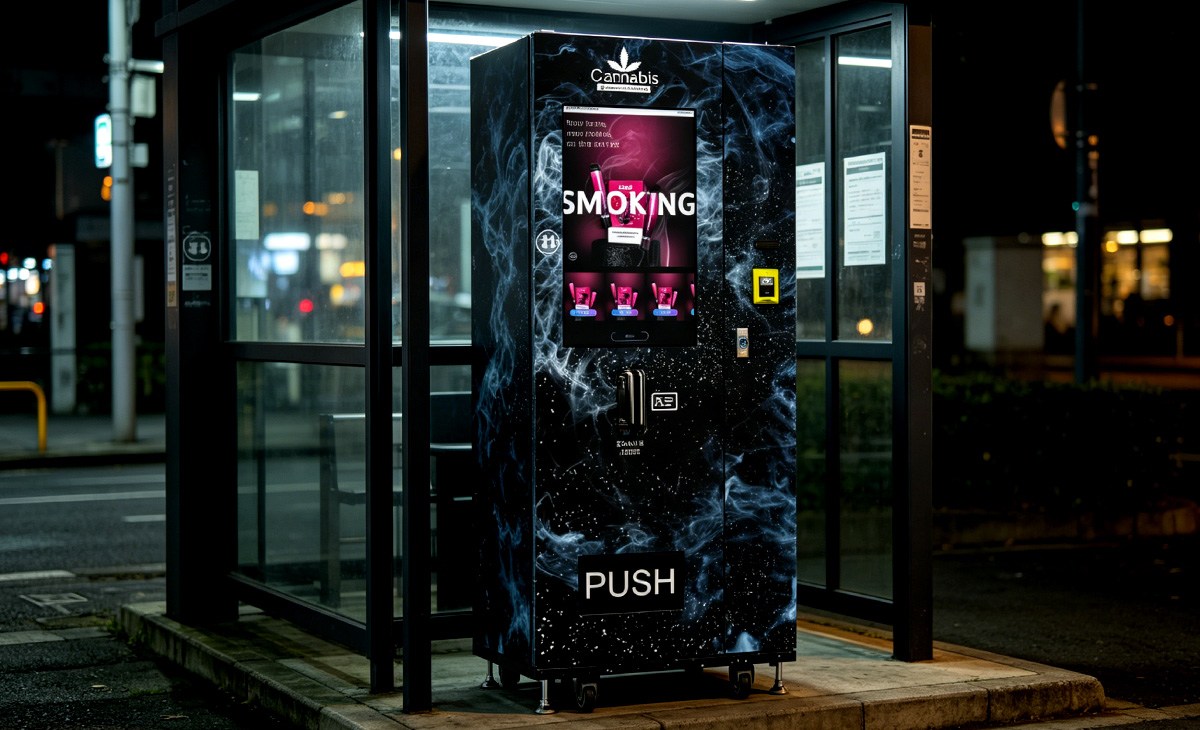
What has changed dramatically is the technology behind the machine. Telemetry systems now allow operators to monitor inventory levels, sales patterns, and machine health remotely. This means fewer wasted trips to empty machines and faster responses when a unit breaks down. For operators who treat this as a real business rather than a side hobby, the potential for consistent returns is solid.
Key Factors That Determine Vending Machine Profitability
Location Is Everything
I have seen machines in office break rooms do $800 a month, while identical machines in a busy laundromat barely break $150. The difference was not the machine or the product. It was the foot traffic and the dwell time. A good location has at least 200 to 500 people passing by daily, with a reason to stop and buy. Places like warehouses with shift workers, hospitals with 24-hour staff, and college dorm lounges consistently outperform tourist spots during off-season.
One of my early mistakes was placing a machine in a small retail store with low foot traffic. The owner promised high customer volume, but the reality was that people came for specific items and left. After three months of losses, I moved the machine to a nearby gym. Revenue tripled within the first month. That move taught me that foot traffic data from the location owner is not enough. You need to observe the flow yourself during different times of the day.
Product Selection and Margins
Gross margins vary significantly by product category. Snacks typically yield 30% to 40%, while cold drinks often sit at 25% to 35%. Fresh food, like sandwiches or salads, can offer higher margins but come with shorter shelf life and stricter food safety regulations. In my experience, the sweet spot is a mix of high-margin snacks and staple drinks, with one or two fresh items if the location supports it.
I have seen operators load machines with cheap, low-quality products to save money, only to watch sales stagnate. Consumers today expect recognizable brands. If you stock generic candy bars next to name-brand ones, the name-brand will outsell the generic even at a higher price. The lesson is that margin matters, but turnover matters more. A lower-margin item that sells quickly is better than a high-margin item that sits for weeks.
Payment Systems and Customer Experience
In 2025, a vending machine that only takes cash is almost a liability. According to a 2023 report by Statista, over 80% of in-store transactions in the US are cashless. I have personally seen a machine in a tech company lobby that did $200 a week with cash-only, then jumped to $600 a week after I added a card reader. The upfront cost for a modern payment system is around $200 to $400, but it pays for itself in weeks if the location has a younger, tech-savvy demographic.
Touchscreens, remote inventory tracking, and even loyalty programs are becoming standard. If you are buying new equipment, do not skip on the payment terminal. It is the single most important feature for maximizing revenue in most locations today.
Real Costs of Starting a Vending Machine Business
Equipment Costs
The price of a new vending machine ranges from $2,500 for a basic snack model to over $10,000 for a large combo unit with a glass front and touchscreen. Used machines can be found for $1,000 to $3,000, but you need to factor in potential repair costs. I have bought used machines that looked fine but needed a new compressor or payment system within six months, wiping out any savings.
When evaluating suppliers, I recommend looking at manufacturers that offer modular components and reliable after-sales support. One manufacturer I have worked with directly is Zhongda Smart, which produces units with modern payment integration and remote monitoring features. Their machines are priced competitively for the European and North American markets, and they provide documentation that meets local electrical and safety standards. Always ask for a list of compatible payment systems and warranty terms before purchasing.
Installation and Setup
Shipping a vending machine can cost $200 to $500 depending on distance. Installation may require electrical work, especially if the location does not have a dedicated outlet. I have also paid location owners a commission of 10% to 20% of gross sales, which is standard in the industry. Some high-demand locations, like airports or large corporate offices, may require a flat monthly fee instead of a commission split.
Ongoing Operating Costs
Monthly costs include restocking labor, product purchases, payment processing fees (2% to 4% per transaction), machine repairs, and electricity. For a single machine, these costs typically total $150 to $400 per month. If you are self-stocking, your labor cost is your own time. If you hire help, expect to pay $15 to $25 per hour, depending on your region.
One cost that beginners often overlook is vending machine repair. A broken machine loses revenue every day it is down. I keep a spare payment terminal and a set of basic tools for common issues like jammed coils or faulty sensors. If you are not handy with repairs, build a relationship with a local technician before you need one. The average service call costs $100 to $200, plus parts.
Profitability Scenarios: What to Expect
Based on my experience and industry benchmarks, here is a realistic breakdown for a single mid-range vending machine in a good location:
| Item | Estimated Amount |
|---|---|
| Initial machine cost (new) | $4,000 |
| Installation and first stock | $600 |
| Monthly gross sales | $800 |
| Cost of goods sold (35% margin) | $520 |
| Location commission (15%) | $120 |
| Payment processing fees (3%) | $24 |
| Electricity and misc. | $30 |
| Monthly net profit | $106 |
| Payback period | ~18 to 24 months |
This is a conservative scenario. If you find a high-traffic location with low commission and strong margins, payback can drop to 12 months. Conversely, a poor location can stretch payback to three years or more. I have had machines that paid for themselves in nine months. I have also had one that never broke even and had to be relocated.
Comparing Different Machine Types and Configurations
There is no one-size-fits-all vending machine. The table below summarizes the main types I have used and what they are best suited for:
| Machine Type | Price Range | Best Use Case | Maintenance Complexity |
|---|---|---|---|
| Snack-only | $2,500 – $4,500 | Small offices, break rooms | Low |
| Drink-only | $3,000 – $6,000 | Gyms, schools, hot locations | Medium (compressor care) |
| Combo (snack + drink) | $5,000 – $9,000 | High-traffic lobbies, hospitals | Medium |
| Fresh food / refrigerated | $6,000 – $12,000 | Corporate cafeterias, universities | High (temperature control, spoilage) |
| Specialty (electronics, beauty) | $4,000 – $10,000 | Airports, malls, transit hubs | Medium (security concerns) |
Location Types That Work Best
Not every busy location is a good vending machine location. I have tested dozens of site types. Here is a ranking based on my personal experience:
- Manufacturing and warehouse facilities – Workers on shifts with limited break time. High repeat purchase rate. Often no commission required. Monthly revenue $800–$1,500.
- Hospitals and medical centers – 24-hour traffic, staff and visitors. Good for snacks, drinks, and fresh food. Expect 10–15% commission. Monthly revenue $600–$1,200.
- College dormitories and student centers – High volume, but seasonal. Summer months can be slow. Monthly revenue $500–$1,000 during semesters.
- Office buildings – Steady traffic 9-to-5. Good for snacks and premium coffee. Monthly revenue $400–$800.
- Gyms and fitness centers – Excellent for water, protein bars, and sports drinks. Monthly revenue $300–$700.
- Retail stores and laundromats – Highly variable. Only place here if foot traffic is consistent. Monthly revenue $150–$400.
How to Choose a Vending Machine Supplier
When I started, I bought the cheapest machine I could find. It broke down three times in the first year, and the manufacturer was overseas with no local support. Since then, I have developed a checklist for evaluating suppliers:
- Do they offer machines with UL or CE certification? This is non-negotiable for insurance and safety.
- Can they provide a list of compatible payment systems that work in your country?
- What is their warranty period, and do they have a service network in your region?
- Do they offer remote monitoring as a built-in feature?
- Can they supply spare parts quickly?
One supplier that meets these criteria is Zhongda Smart. Their machines are designed for international markets, with certifications that cover both North America and Europe. I have used their combo units in several locations, and the build quality has been solid. That said, always request a sample contract and read the fine print on shipping and warranty exclusions.
Common Mistakes New Operators Make
I have made most of these mistakes myself, and I have watched others repeat them:
- Ignoring location data. A location that looks busy may not have the right demographic. Always test with a small machine or a temporary setup if possible.
- Buying too many machines too fast. Start with one or two. Learn the operational rhythm before scaling.
- Underestimating machine downtime. A broken machine loses money and damages your reputation with the location owner. Keep spare parts on hand.
- Choosing the wrong payment system. Cash-only machines in cashless areas are a waste of capital.
- Not tracking inventory. Without sales data, you are guessing. Use telemetry or manual logs to track what sells and what does not.
- Signing long-term contracts with bad locations. Negotiate a 3-month trial period whenever possible.
How to Evaluate a Machine Before Investing
Before I commit to a new machine, I ask myself these questions:
- What is the estimated foot traffic at the proposed location, and have I verified it personally?
- What is the average transaction value expected? If it is under $1.50, margins will be tight.
- How much will commissions and payment fees eat into gross profit?
- Is the machine easy to service? Can I replace a coil or a payment module without calling a technician?
- What is the break-even point in months, and am I comfortable with that timeline?
I also run a simple calculation: if the machine does not hit 75% of my projected revenue within three months, I relocate it. This rule has saved me from sinking money into dead locations.
Market Trends Influencing Vending Machine Profitability
The vending machine industry is shifting toward healthier options, contactless payments, and data-driven inventory management. According to IBISWorld, the vending machine operators industry in the US has grown at an annualized rate of about 2.5% over the past five years, driven by technological upgrades and expansion into non-traditional locations.
In Europe, the trend is similar. A report by the European Vending & Coffee Service Association (EVA) shows that cashless payments now account for over 60% of transactions in major markets like France and Germany. Operators who adopt these technologies early tend to outperform those who stick with older equipment.
Another trend I am watching is the rise of micro-markets, which are essentially unattended retail spaces with multiple self-service kiosks. These setups require more capital but offer higher revenue potential and lower per-unit operating costs. For operators with several machines, this is a natural evolution.
Frequently Asked Questions
Are vending machines profitable?
Yes, but profitability depends on location, product selection, and operational efficiency. A single machine in a good spot can net $100 to $300 per month after all costs. Scaling to multiple machines improves overall returns.
How much does a vending machine cost?
New machines range from $2,500 to $12,000. Used machines can be found for $1,000 to $3,000, but may require repairs. I recommend budgeting $4,000 to $6,000 for a reliable new unit with modern payment features.
How long does it take to break even?
In my experience, the typical payback period is 18 to 24 months for a new machine in a good location. High-traffic spots with low commissions can reduce this to 12 months.
Should a beginner buy or lease a vending machine?
Buying is better in the long run if you plan to operate for more than two years. Leasing often locks you into higher monthly costs and restrictions on machine placement. If you want to test the business, start with one used machine.
Where should I place a vending machine for maximum profit?
Target locations with consistent foot traffic and captive audiences: factories, hospitals, college dorms, and large office buildings. Avoid retail stores with low dwell time unless you have verified traffic data.
What permits or licenses do I need?
Requirements vary by city and state. In the US, you typically need a business license and a sales tax permit. Some locations require a food handler's permit if you sell fresh food. Check with your local business office before placing any machine.
How do I choose a vending machine supplier?
Look for manufacturers with certifications (UL, CE), a warranty of at least one year, and local service support. Ask for references from other operators. Zhongda Smart is one supplier that meets these criteria for international buyers.
What happens if the machine breaks down?
You need to have a plan for vending machine repair. Keep a basic toolkit and spare parts for common issues. If you are not comfortable with repairs, find a local technician before you need one. Downtime directly affects your revenue.
How can I reduce restocking and maintenance costs?
Use a machine with telemetry to track inventory remotely. This reduces unnecessary trips. Also, standardize your product mix across machines to simplify ordering. Regular cleaning and preventive maintenance can prevent costly breakdowns.
Final Thoughts from an Operator
Running a vending machine business is not passive income. It requires planning, consistent effort, and a willingness to learn from mistakes. The most successful operators I know treat it like any other small business: they track metrics, build relationships with location owners, and reinvest profits into better equipment. If you go in with realistic expectations and a clear understanding of the costs involved, you can build a solid revenue stream. Start small, choose your first location carefully, and pay attention to what the sales data tells you.
This article was updated in May 2025. Data and market conditions may have changed since publication. Always verify current local regulations and costs before making investment decisions.