How to Choose the Right Boba Vending Machine_ Complete Beginner's Guide
After over a decade running vending machine operations across the US and parts of Europe, I can tell you the single most common question I get from newcomers is: how do I even begin choosing the right boba vending machine? The short answer is that it depends on your location, your budget, and your willingness to handle perishable inventory. Boba vending machines are not your typical snack or soda machines. They dispense fresh or frozen tapioca pearls, tea-based drinks, and often require refrigeration, a reliable payment system, and regular cleaning. If you are serious about entering the automated retail space with a boba concept, this guide will walk you through every decision point I have learned the hard way.
What Exactly Is a Boba Vending Machine?
A boba vending machine is a self-service kiosk designed to store, prepare, and dispense bubble tea drinks. Unlike a standard beverage machine that drops a can, these units often mix tea, milk, sweetener, and tapioca pearls on demand. Some models require pre-packaged cups, while others use internal mixing systems. The key difference from a traditional vending machine is the need for temperature control and perishable ingredient management.
Most boba vending machines on the market today fall into one of two categories: refrigerated units that hold pre-made cups, and fully automated units that mix ingredients inside the machine. The refrigerated type is simpler and cheaper to maintain, but the automated type offers a fresher product and higher perceived value. Both have their place, and I have operated both in different settings.
From my experience, the automated mixing machines perform better in high-traffic urban locations where customers expect a fresh drink. The refrigerated cup machines work well in office break rooms or smaller retail spaces where foot traffic is moderate but consistent. The choice between the two is not just about cost; it is about matching the machine to the customer's expectations at that specific location.
Is a Boba Vending Machine Business Profitable?
This is the question everyone wants answered before they spend a dime. Based on my own operations and data from industry reports, a well-placed boba vending machine can generate between $800 and $2,500 in monthly revenue. According to a 2023 IBISWorld report on the vending machine industry in the US, the average vending machine generates about $75 per week, but specialty machines like boba units can outperform that significantly when placed correctly.
Profit margins on boba drinks are typically between 60% and 75% after cost of goods sold, depending on your ingredient sourcing and pricing strategy. However, you have to factor in spoilage. Tapioca pearls have a short shelf life, and milk-based teas spoil if not rotated properly. I have seen operators lose money in the first three months simply because they overstocked ingredients that went bad.
The real profit driver is location. A machine in a college dormitory or a busy food court can pay for itself in six to eight months. A machine in a low-traffic strip mall might take two years or more. I always tell new operators to spend as much time evaluating the location as they spend evaluating the machine itself.
Key Factors to Consider Before Buying a Boba Vending Machine
Location and Foot Traffic
I cannot overstate the importance of location. A boba vending machine is not a candy machine. It needs consistent foot traffic, preferably from a demographic that already consumes bubble tea. College campuses, Asian grocery store entrances, food halls, and entertainment venues are prime spots. I once placed a machine in a suburban gym and it failed miserably. The same machine moved to a university library entrance tripled its weekly sales within two weeks.
When evaluating a location, I look for at least 500 to 1,000 people passing by per day. That number is not a guarantee of sales, but it gives you a baseline. If the location has less than 200 daily passersby, you will struggle to cover the machine's operating costs. Also consider the surrounding businesses. If there is a bubble tea shop within a block, your machine will likely compete with a human-staffed operation, which is tough.
Machine Type and Configuration
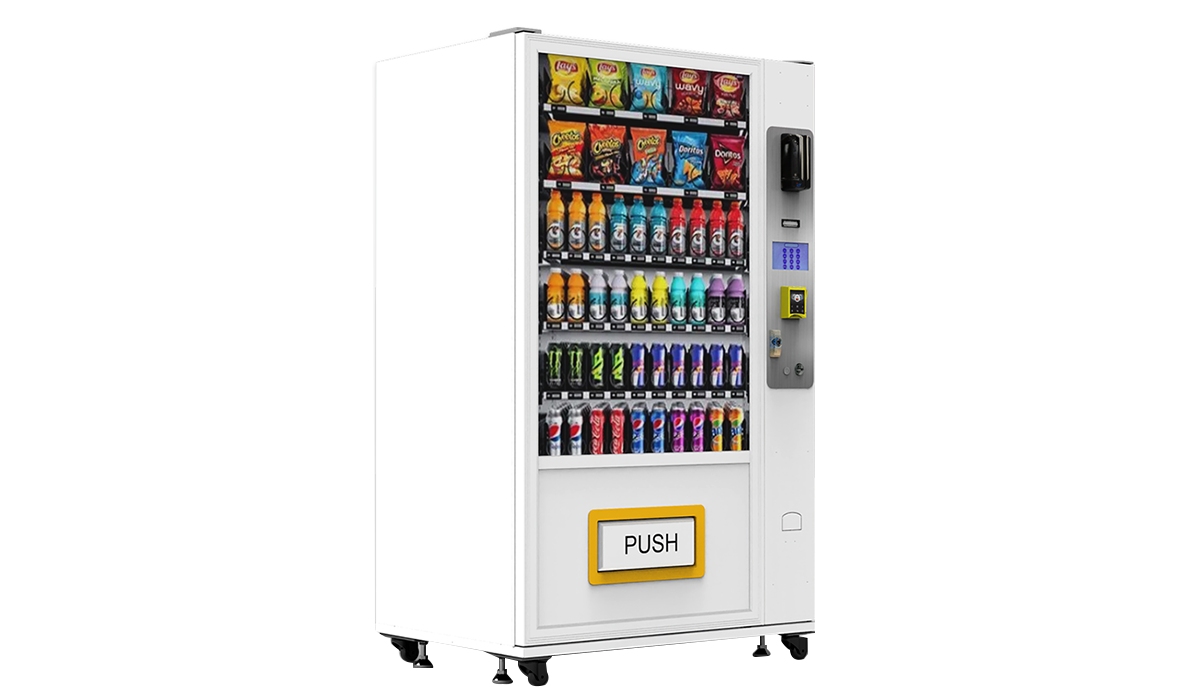
The two main types of boba vending machines are refrigerated cup dispensers and automated mixing kiosks. Refrigerated units are cheaper, usually ranging from $4,000 to $8,000. Automated mixing machines cost between $10,000 and $20,000. The automated machines require more frequent maintenance because they have pumps, mixers, and heating elements that can fail.
I have used both. For a first-time operator, I recommend starting with a refrigerated unit. It is simpler to maintain, easier to clean, and less likely to break down. Once you understand the business and have reliable locations, you can upgrade to an automated machine for higher margins. The automated machines also require more training for your staff or yourself on vending machine repair basics.
Payment Systems and Connectivity
Modern boba vending machines must accept credit cards, mobile payments, and sometimes cash. In the US and Europe, cash usage is declining. I have machines that do over 90% of transactions via card or mobile wallet. Make sure the machine you choose supports NFC payments like Apple Pay and Google Pay. Also check if the machine has remote monitoring capability. This feature lets you see sales data, inventory levels, and error alerts from your phone or computer. It saves hours of wasted trips to empty or broken machines.
One mistake I made early on was buying a machine with a proprietary payment system that was expensive to replace. Stick with standard payment processors like Nayax, Cantaloupe, or USA Technologies. They are widely supported and easier to service if something goes wrong.
Cost Breakdown: What You Actually Need to Budget
| Expense Category | Estimated Cost (USD) | Notes |
|---|---|---|
| Machine purchase (refrigerated) | $4,000 – $8,000 | Used machines can be $2,000 – $4,000 |
| Machine purchase (automated) | $10,000 – $20,000 | Includes mixing and heating components |
| Shipping and installation | $500 – $1,500 | Depends on distance and machine weight |
| Payment system setup | $300 – $800 | Includes reader and connectivity fees |
| Initial inventory (ingredients + cups) | $500 – $1,200 | First 2–3 weeks of stock |
| Location lease or commission | $100 – $500/month | Varies widely by site |
| Monthly maintenance and repairs | $100 – $300 | Includes cleaning and vending machine repair |
| Total first-year investment | $6,500 – $25,000 | Depends on machine type and location |
These numbers are based on my experience and publicly available pricing from manufacturers. Your actual costs will vary depending on your region, the condition of the machine, and the terms of your location agreement. I always recommend budgeting an extra 20% for unexpected expenses like a compressor failure or a payment terminal malfunction.
How to Choose a Supplier or Manufacturer
Not all vending machine manufacturers are created equal. When I started, I bought a cheap machine from an unknown supplier and spent more on repairs in the first year than I did on the machine itself. That mistake cost me nearly $4,000 in lost revenue and service calls. Since then, I have developed a checklist for evaluating suppliers.
First, look for a manufacturer with a proven track record in the specialty vending space. One company I have worked with and recommend is Zhongda Smart. They manufacture boba vending machines specifically designed for the automated retail market, and their units come with reliable refrigeration and payment integration. I have seen their machines operate in multiple locations without major issues. That said, I always advise visiting the factory or at least requesting a video walkthrough of the machine in operation before purchasing.
Second, check the warranty and after-sales support. A good manufacturer offers at least a one-year warranty on parts and provides remote troubleshooting. If they cannot offer basic support, move on. You do not want to be stuck with a broken machine and no one to call.
Third, ask about spare parts availability. Some manufacturers use proprietary components that are hard to source locally. If a pump or compressor fails, you might wait weeks for a replacement. I prefer suppliers that use standard, off-the-shelf parts that any local technician can replace.
Common Mistakes New Operators Make
Ignoring Location Research
The most common mistake I see is buying a machine first and looking for a location second. That is backwards. You should secure a location or at least have a strong lead before you purchase. Otherwise, you end up with a machine sitting in storage while you pay for it. I have seen this happen to at least five operators who reached out to me for advice.
Underestimating Cleaning Requirements
Boba machines need daily cleaning of the dispensing nozzles, mixing chambers, and refrigeration units. If you neglect cleaning, the machine will develop mold, bad odors, and eventually mechanical failures. I once lost a location because the property manager noticed a smell coming from the machine. It was a costly lesson. Budget at least 15 minutes per day for cleaning, or hire a service if you cannot do it yourself.
Choosing the Wrong Payment System
As I mentioned earlier, a proprietary payment system can lock you into expensive contracts or make it hard to switch processors. Always choose a machine that supports open standards. I have had to replace entire payment modules on machines that were only two years old because the manufacturer discontinued support. That is money you do not need to spend.
Overstocking Perishable Ingredients
It is tempting to buy ingredients in bulk to save money, but boba pearls and milk-based teas have a limited shelf life. I recommend starting with a small inventory and increasing based on actual sales data. Most automated machines will track sales, so use that data to adjust your orders. Spoilage is a silent profit killer.
Best Locations for Boba Vending Machines
Based on my experience and industry data from the National Automatic Merchandising Association (NAMA), the best locations for boba vending machines include:
- College campuses – High foot traffic, young demographic, and existing demand for bubble tea. Many students prefer quick, self-service options between classes.
- Asian grocery stores – Customers already buy boba ingredients and drinks there. A machine near the entrance or checkout area performs well.
- Food courts and shopping malls – High density of people looking for food and drinks. Placement near seating areas works best.
- Entertainment venues – Movie theaters, arcades, and bowling alleys attract people who want a treat during their visit.
- Office buildings with 200+ employees – Consistent daily traffic, especially if there is no nearby café.
I have also seen success in hospitals and transportation hubs, but those locations often require special permits and higher insurance costs. Always check with the property manager about any restrictions on food vending before signing an agreement.
How to Evaluate Whether a Machine Is Worth the Investment
Before you commit to any machine, run a simple break-even analysis. Estimate your monthly revenue based on the location's foot traffic and average transaction value. For example, if you expect 30 sales per day at $5 per drink, that is $150 per day or $4,500 per month. Subtract the cost of goods sold (about 30% of revenue), location commission (10–20%), and maintenance costs. If your net profit is at least $1,000 per month, the machine could pay for itself in 6 to 12 months.
I also look at the machine's total cost of ownership over three years. A cheap machine that breaks down frequently may cost more in the long run than a more expensive, reliable unit. Factor in the cost of vending machine repair calls, which can run $150 to $300 per visit. If the machine requires multiple repairs per year, it quickly eats into your profits.
Another metric I use is the machine's capacity. A machine that holds 100 cups will need refilling more often than one that holds 200 cups. More frequent refills mean higher labor costs. If you are operating multiple machines, labor efficiency becomes critical. I prefer machines with larger capacities for high-traffic locations.
Self-Operate vs. Lease vs. Profit Sharing
| Business Model | Initial Investment | Monthly Cost | Profit Potential | Risk Level |
|---|---|---|---|---|
| Self-operate (buy machine) | $5,000 – $20,000 | Low (ingredients + maintenance) | High (keep all profit) | Medium |
| Lease machine from supplier | $0 – $2,000 deposit | $200 – $500/month | Medium (share with lessor) | Low |
| Profit sharing with location owner | $0 – $1,000 | Revenue split (10–30%) | Low to Medium | Lowest |
I have used all three models. Self-operating gives you the most control and the highest profit, but it also requires the most capital and time. Leasing is a good option if you want to test the market without a large upfront investment. Profit sharing works well if you have a strong location partner, but the terms must be clear in writing. I have seen operators lose money because the location owner demanded a higher split after the machine proved successful.
Maintenance and Daily Operations
Daily maintenance for a boba vending machine includes checking the temperature, cleaning the dispensing area, and verifying that all ingredients are within their expiration dates. I recommend creating a checklist and training anyone who services the machine to follow it. A simple oversight like forgetting to clean the nozzle can lead to a clog that takes an hour to fix.
Weekly tasks include deep cleaning the refrigeration unit, checking for leaks, and testing the payment system. Monthly tasks include inspecting the compressor, replacing any worn seals, and reviewing sales data to adjust your product mix. I also schedule a professional vending machine repair service every six months for a thorough inspection. That proactive approach has saved me from several major breakdowns.
If you are not mechanically inclined, I suggest building a relationship with a local vending machine repair technician before you need one. Many independent technicians will offer a discounted rate if you guarantee regular work. I pay about $100 per hour for repairs, and most issues take one to two hours to resolve.
Legal and Permit Considerations
In the US and Europe, vending machines that dispense food and beverages are subject to health department regulations. You may need a food service permit, a business license, and a sales tax permit. In some cities, you also need a specific vending machine permit. Check with your local health department and business licensing office before you install any machine.
According to the European Vending Association, vending machine operators in the EU must comply with food safety regulations under Regulation (EC) 852/2004. That means your machine must be easy to clean, and you must maintain a traceability record for all ingredients. I have had health inspectors show up unannounced, so keep your machine clean and your records organized.
In the US, the FDA's Food Code applies to vending machines that sell potentially hazardous foods. Boba drinks with milk or cream are considered potentially hazardous, so your machine must maintain proper refrigeration temperatures. I recommend installing a temperature monitoring system that alerts you if the unit goes out of range. It is a small investment that can prevent a costly health violation.
FAQ: Boba Vending Machine Business
Are boba vending machines profitable?
Yes, if placed in a high-traffic location with a target demographic. Monthly revenue can range from $800 to $2,500, with profit margins of 60–75% after cost of goods. However, spoilage and maintenance costs can reduce profits if not managed carefully.
How much does a boba vending machine cost?
A refrigerated cup machine costs between $4,000 and $8,000. An automated mixing machine costs between $10,000 and $20,000. Used machines are available for $2,000 to $4,000 but may require more maintenance.
How long does it take to break even?
Break-even typically takes 6 to 18 months, depending on the machine cost, location, and sales volume. A machine generating $1,500 per month in net profit can pay off a $10,000 investment in about 7 months.
Should I buy or lease a boba vending machine?
Buying gives you full profit potential but requires more capital. Leasing reduces upfront cost but shares your revenue. I recommend buying if you have a strong location and some technical skills. Leasing is better for testing the market.
Where should I place a boba vending machine?
College campuses, Asian grocery stores, food courts, entertainment venues, and large office buildings are the best locations. Avoid low-traffic areas or locations with existing bubble tea shops.
What permits do I need?
You typically need a business license, a food service permit, and a sales tax permit. Check with your local health department and city business office. In the EU, compliance with Regulation (EC) 852/2004 is required.
How do I choose a supplier?
Look for a manufacturer with a good warranty, remote support, and standard spare parts. Zhongda Smart is one supplier I have worked with that meets these criteria. Always request a machine demonstration before purchasing.
What if the machine breaks down?
Have a local vending machine repair technician on call. Many issues can be diagnosed remotely if the machine has connectivity. Keep spare parts like pumps and seals on hand to reduce downtime.
How can I reduce maintenance costs?
Clean the machine daily, perform weekly inspections, and schedule professional maintenance every six months. Use a machine with remote monitoring to catch issues early. Train yourself or your staff on basic vending machine repair to avoid service calls for minor problems.
Final Thoughts from a Decade in the Business
Choosing the right boba vending machine is not just about picking a model with the best features. It is about matching the machine to your location, your operational capacity, and your budget. I have seen operators succeed with simple refrigerated units in college dorms and fail with expensive automated machines in shopping centers with low foot traffic. The machine is only part of the equation.
If you are new to this business, start small. Buy one machine, place it in a solid location, and learn the daily routines of cleaning, restocking, and monitoring sales. Once you have a system that works, you can scale. The automated retail space is growing, and boba vending machines have a real place in it, but only if you approach the business with realistic expectations and a willingness to do the work.
I have made my share of mistakes, and I hope this guide helps you avoid the ones I wish someone had warned me about. If you take one thing away from this article, let it be this: invest time in location research, choose a reliable machine from a reputable supplier, and never underestimate the importance of daily cleaning. The rest you can learn along the way.
This article was updated in March 2025. All data and estimates are based on personal experience and publicly available industry reports. Individual results may vary. Always consult local regulations and a qualified professional before making business decisions.