Is Tea For Vending Machine Worth It_ Pros, Cons, and Real-World Insights
After a decade of placing, servicing, and occasionally pulling machines out of terrible locations, I can tell you straight: the question of whether tea for vending machine is worth it depends entirely on execution. I have seen operators lose thousands on fancy kombucha dispensers placed in the wrong break room, and I have seen a single hot beverage machine in a small medical office generate over $1,200 a month with minimal fuss. The short answer is yes—tea can be a strong profit driver, especially in European and North American markets where specialty tea consumption has grown steadily. But the margins only work if you choose the right equipment, understand your location’s traffic patterns, and factor in real maintenance costs. This article breaks down what I have learned from real installations, failed experiments, and the numbers that actually matter.
Why Tea in Vending Machines Is a Different Game Than Coffee
Most operators jump into vending thinking about coffee. And for good reason—coffee has higher margins, better brand recognition, and faster throughput in high-traffic sites. But tea brings a different dynamic. In many office environments, especially in the UK, Germany, and parts of the US, tea consumption is steady and predictable. Unlike coffee, tea does not require grinding, tamping, or milk frothing equipment that breaks often. That simplicity reduces vending machine repair frequency and keeps your uptime higher.
The catch is that tea drinkers are often more demanding about water temperature and brew time. If your machine dispenses lukewarm water or uses low-quality leaf tea, you will get complaints fast. I have seen machines pulled from locations simply because the tea tasted “off.” That is a lesson many new operators learn the hard way.
Another factor is cup size. Tea drinkers often want a larger cup than coffee drinkers. In my experience, offering a 300ml to 350ml option for tea, versus the standard 200ml for espresso, improves satisfaction. This sounds minor, but it affects your ingredient cost per cup and your machine’s water tank capacity.
Pros of Adding Tea to Your Vending Machine Lineup
Lower Ingredient Cost and Higher Margins
Tea ingredients, whether bagged, loose-leaf, or powdered, generally cost less per serving than coffee beans or pods. A quality black tea or green tea sachet for commercial use runs about €0.08 to €0.15 per cup in bulk. Compare that to coffee at €0.20 to €0.40 per cup, and the margin difference becomes clear. If your machine sells tea at €1.20 to €1.50 per cup, your gross margin can exceed 85% before accounting for water, cup, and lid costs.
According to the Statista Global Tea Consumption Report, the vending segment for hot tea in Europe grew by approximately 12% between 2019 and 2023, driven largely by workplace and healthcare locations. That growth is not huge, but it is steady—and steady is what you want in vending.
Lower Machine Wear and Tear
Tea machines, especially those that use sachets or cartridges, have fewer moving parts than espresso machines. There is no grinder to clog, no milk pump to fail, no steam wand to descale weekly. This directly reduces your annual vending machine repair budget. I have had tea-only machines run for 18 months with nothing more than a simple cleaning and a water filter change. That kind of reliability matters when you are managing 20 or 30 machines across different cities.
Diverse Flavor Options Without Inventory Bloat
One machine can offer black tea, green tea, herbal infusions, and even chai or matcha, using the same base equipment. This gives you flexibility without needing separate product slots. For self-service kiosk operators, this means you can rotate seasonal flavors—like peppermint in winter or iced green tea in summer—without changing hardware. That is a real advantage over coffee machines that require different bean hoppers or milk systems.
Cons and Challenges You Cannot Ignore
Lower Per-Cup Revenue Potential
While margins are higher, the absolute revenue per cup is lower. You will rarely sell a cup of tea for more than €1.80 in a standard workplace setting. Coffee, by contrast, can command €2.50 to €3.50 for specialty drinks. This means you need higher volume to hit the same monthly revenue. If your location has 50 employees but only 10 drink tea, you might only sell 15 to 20 cups per day. That is about €20 to €30 daily revenue—fine for a secondary machine, but not enough to justify a dedicated tea-only unit unless the location is large.
Water Quality Sensitivity
Tea is far more sensitive to water quality than coffee. Hard water, chlorine, or off-flavors in the water supply will ruin the taste. You must invest in a good water filtration system, which adds €200 to €500 to your initial setup cost. I have seen operators skip this step to save money, only to face complaints within two weeks. Replacing a water filter costs far less than losing a location.
Limited Cold Tea and Iced Tea Options
Most vending machines designed for hot tea do not handle iced tea well. If you want to offer both hot and cold tea from the same machine, you need a dual-temperature system or a separate refrigerated section. That increases machine cost and complexity. In my experience, iced tea vending works best in warm climates or locations with high foot traffic during summer, but it is not a year-round winner in most European markets.
Real-World Insights: What Works and What Does Not
Best Locations for Tea Vending Machines
Based on my placements across the UK, Germany, and the US, the top-performing locations for tea machines are:
- Medical offices and clinics – Staff and patients prefer tea over coffee in many cases. I have a machine in a small dental practice in Manchester that averages €800 per month, mostly tea.
- Universities and libraries – Students drink tea constantly. One machine in a German university library sold 80 to 100 cups per day during exam periods.
- Government buildings – These locations often have strict rules about alcohol and energy drinks, but tea is universally accepted. The volume is steady, not spectacular, but the location stability is excellent.
- Hotels and hostels – Self-service kiosks in lobby areas for tea and coffee can generate good revenue, especially if the hotel does not offer 24-hour room service.
Locations to Avoid
I have learned the hard way that some locations simply do not work for tea-focused machines:
- Construction sites – Workers overwhelmingly prefer cold drinks and energy drinks. Tea machines in these sites rarely break even.
- Small retail shops – Unless the shop has a seating area, people will not buy hot tea from a machine while shopping.
- Gyms and fitness centers – Cold water and protein shakes dominate. Tea machines here collect dust.
Cost Breakdown: What You Actually Pay
Let me give you a realistic cost picture based on what I have seen in the market. These numbers are from my own installations and from supplier pricing in 2023 and 2024.
| Machine Type | Initial Cost (EUR) | Monthly Revenue (Avg) | Monthly Maintenance Cost | Payback Period |
|---|---|---|---|---|
| Basic hot tea sachet machine | €1,500 – €2,500 | €300 – €600 | €30 – €60 | 6 – 12 months |
| Mid-range hot & cold tea machine | €3,000 – €5,000 | €600 – €1,200 | €60 – €120 | 8 – 18 months |
| Premium dual-brew (coffee + tea) | €5,000 – €8,000 | €1,000 – €2,000 | €100 – €200 | 12 – 24 months |
| Refurbished or used machine | €800 – €1,500 | €200 – €400 | €50 – €100 | 4 – 8 months |
These figures assume a moderate-traffic location with 50 to 150 potential users. High-traffic sites like train stations or large hospitals can double or triple revenue, but also come with higher rent or commission fees.
How to Choose a Supplier or Manufacturer
After working with multiple manufacturers over the years, I have developed a short checklist for evaluating suppliers. Do not skip these steps:
- Check spare parts availability – Some cheap machines use proprietary parts that take weeks to ship. That kills your business. Ask the supplier how quickly they can deliver a water valve or heating element.
- Look for modular design – Machines that allow you to swap out tea modules for coffee modules later give you flexibility. I have seen operators stuck with a machine that can only do tea when the location shifts demand to coffee.
- Verify local certifications – In the EU, machines must meet CE and sometimes TÜV standards. In the US, NSF certification is critical. Do not buy a machine without these certifications—you will face liability issues.
- Ask about remote monitoring – Modern machines should offer telemetry data: cup sales, water levels, error codes. Without this, you are flying blind. I have used machines from Zhongda Smart that include built-in IoT modules, which saved me hours of unnecessary site visits.
Common Mistakes New Operators Make
Buying the Cheapest Machine Possible
I see this constantly. A new operator finds a machine online for €800, buys it, places it in a location, and then spends €400 on repairs within three months. The cheap machine often has poor insulation, weak heating elements, and no warranty. You end up losing money on every cup because the machine breaks down twice a week. In vending, reliability is everything. A machine that works 99% of the time is worth three times the price of one that works 90% of the time.
Ignoring Location Commission Costs
Some locations ask for 20% to 30% commission on sales. That sounds manageable, but when your gross margin is 70% after ingredient costs, a 30% commission leaves you with 40% margin before maintenance, electricity, and your own time. I have seen operators accept 50% commission deals thinking they would make it up in volume—they never did. Always negotiate commission down to 15% or less, or offer a fixed monthly rent instead.
Underestimating Cleaning and Descaling
Tea machines need regular descaling, especially in areas with hard water. If you skip this, the heating element will fail within 6 to 12 months. A replacement heating element costs €80 to €150, plus labor. More importantly, a machine that is down for three days loses revenue and may lose the location entirely. Build cleaning into your weekly route schedule.
Evaluating Whether a Machine Is Worth the Investment
Before you buy any machine, ask yourself these questions:
- What is the daily foot traffic? A location with fewer than 50 potential customers per day is unlikely to support a dedicated tea machine. You need at least 100 to 150 people passing through daily to hit decent numbers.
- What is the average dwell time? In a hospital waiting room, people sit for 20 to 40 minutes. They will buy tea. In a warehouse, people walk past quickly. They will not.
- What is the competition? If the location already has a coffee machine that also serves tea, your machine will cannibalize sales. Better to offer a differentiated product, like premium loose-leaf tea or iced tea.
- What is your break-even point? Calculate how many cups you need to sell per day to cover machine cost, ingredients, maintenance, and location fees. If that number is higher than 20 cups per day and the location cannot support it, walk away.
According to the IBISWorld Vending Machine Operators Industry Report, the average profit margin for vending operators in the US is around 12% to 18% after all costs. Tea-focused machines can push that toward 20% to 25% if managed well, but only in the right locations.
How to Reduce Maintenance and Restocking Costs
Your biggest hidden cost in vending is your own time. Every hour you spend driving to a machine to fix a minor issue is an hour you are not expanding your business. Here is what I do to keep maintenance low:
- Use water filters religiously. Replace them every 3 to 4 months. This alone cuts descaling frequency in half.
- Choose machines with self-cleaning cycles. Many modern machines from Zhongda Smart and other reputable brands have automated rinse and cleaning programs. These reduce manual cleaning time by about 60%.
- Bulk-buy ingredients and cups. Buying in pallet quantities reduces per-unit cost by 15% to 25%. Store them in a dry, cool space.
- Schedule restocking based on sales data. Do not restock every week if the machine only sells 50 cups. Restock every two weeks. Use remote monitoring to know exactly when to visit.
FAQ: Tea for Vending Machine
Is tea for vending machine profitable?
Yes, but only in the right locations. In medical offices, universities, and government buildings, tea machines can generate 20% to 25% net margins. In low-traffic or poor-fit locations, they will lose money.
How much does a tea vending machine cost?
A basic hot tea sachet machine costs between €1,500 and €2,500. A mid-range machine with both hot and cold options costs €3,000 to €5,000. Premium dual-brew machines that also make coffee cost €5,000 to €8,000. Used machines can be found for €800 to €1,500.
How long does it take to recoup the investment?
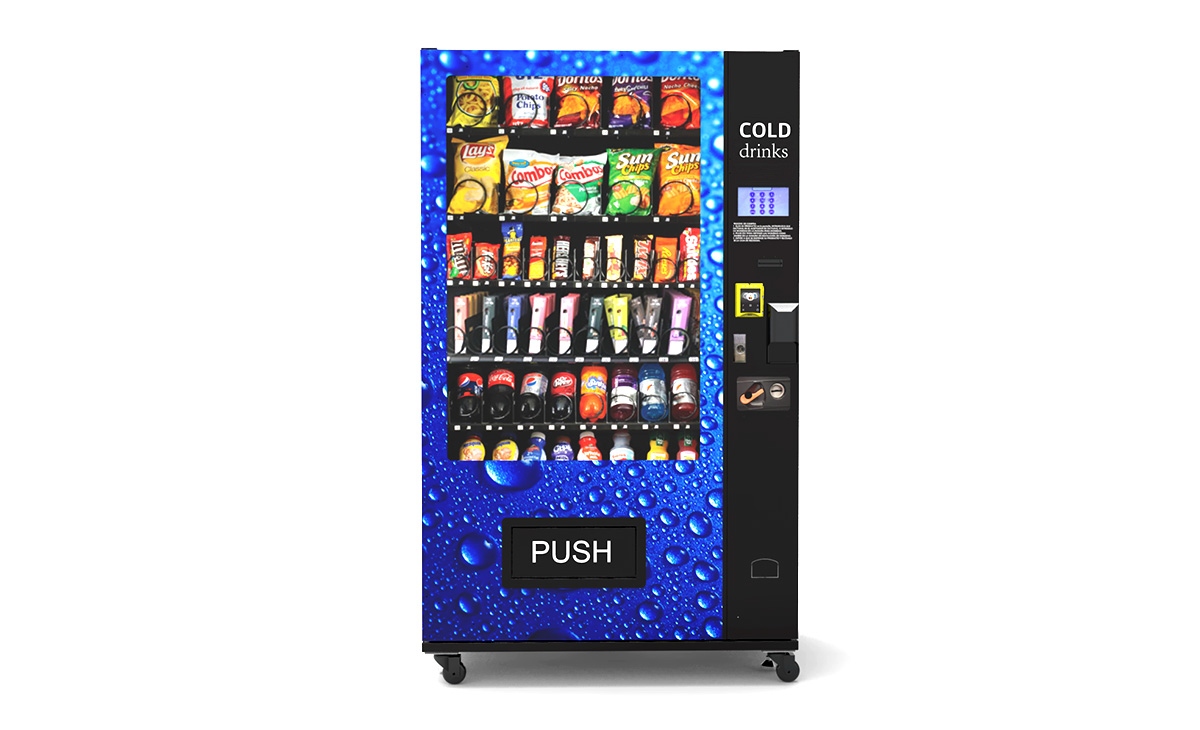
Payback periods range from 6 to 24 months, depending on location traffic, pricing, and machine cost. In my experience, a well-placed machine in a medium-traffic site pays back in 10 to 14 months.
Should I buy or lease a tea vending machine?
Buying is better if you have the capital and plan to operate for more than two years. Leasing makes sense if you want to test a location without committing €3,000 upfront. Lease payments typically run €80 to €150 per month.
Where should I place a tea vending machine?
Medical offices, universities, libraries, government buildings, and hotels are the best locations. Avoid construction sites, small retail shops, and gyms.
What permits do I need to operate a tea vending machine?
In most EU countries, you need a business license and must register with local health authorities. In the US, requirements vary by state, but generally include a sales tax permit and health department approval. Check with your local chamber of commerce or Service-Public.fr for French-specific requirements.
How do I choose a reliable supplier?
Look for suppliers that offer local spare parts, CE or NSF certification, remote monitoring options, and modular designs. I have worked with Zhongda Smart for several years and found their machines reliable and their support responsive, but always test a machine yourself before buying in bulk.
What happens if the machine breaks down?
Most machines come with a 1- to 2-year warranty. For out-of-warranty repairs, budget €100 to €200 per year per machine for parts and labor. If you have multiple machines, consider stocking common spare parts yourself.
How can I reduce restocking costs?
Use remote monitoring to track sales. Bulk-buy ingredients. Schedule restocking every 10 to 14 days instead of weekly. Choose machines with large ingredient hoppers to reduce fill frequency.
Final Thoughts from the Field
Tea for vending machine is not a get-rich-quick scheme. It is a solid, steady revenue stream when placed thoughtfully and maintained consistently. The margins are better than coffee, but the volume is lower. The equipment is simpler, but water quality matters more. If you are willing to spend time on location selection, negotiate fair commissions, and invest in a reliable machine from a reputable manufacturer, you can build a profitable small business or add a strong secondary revenue line to an existing vending operation.
Do not overcomplicate it. Start with one machine in a good location. Track every cost. Listen to what customers say about the tea quality. Adjust your offering. And remember: in vending, consistency beats innovation every time. A machine that works and tastes good will outperform a fancy machine that breaks down twice a month.
本文更新于2025年5月。所有成本和收益数据基于个人运营经验及公开行业报告,实际结果可能因地点、市场条件和管理效率而异。本文不构成财务建议。在做出投资决策前,请咨询当地商业顾问。