Top Things You Should Know About Ice Vending Machine Franchise in 2026
If you are looking into the ice vending machine franchise space for 2026, you are likely trying to figure out whether this is a genuine business opportunity or just another passing trend. After spending over a decade in the automated retail industry across the US and parts of Europe, I can tell you this: the ice vending machine franchise model has evolved significantly, and it is no longer a niche side hustle. It is a serious, location-driven business that requires the same operational discipline as any traditional vending route. The key difference is the product—bagged ice—which offers high margins and consistent demand, but also comes with its own set of maintenance and compliance challenges. In this article, I will share what I have learned from real deployments, failed experiments, and profitable routes, so you can make an informed decision before committing capital.
What Exactly Is an Ice Vending Machine Franchise?
An ice vending machine franchise typically involves a business model where you purchase or lease a self-service kiosk that produces and dispenses bagged ice directly to consumers. Unlike traditional ice delivery services, these machines operate 24/7 and require no staff on-site. The franchise aspect usually means you get a brand name, a proven machine design, and sometimes a protected territory. However, not all franchises are created equal. Some are essentially equipment resellers with a logo, while others provide real training, site selection support, and ongoing technical assistance.
From my experience, the most successful operators treat these machines as a retail point-of-sale location, not just a vending unit. You need to think about foot traffic, visibility, and local demand patterns. In 2026, the market is shifting toward smart machines with telemetry, cashless payment systems, and remote monitoring. This is not your father's ice machine. It is a sophisticated piece of automated retail equipment that can generate solid returns if placed correctly.
How It Differs from Traditional Vending
Most vending machines sell packaged snacks or drinks that you buy from a distributor and restock. An ice vending machine, on the other hand, produces the product on-site. This means you are manufacturing inventory, which changes the cost structure and the maintenance requirements. You need a water line, proper drainage, and consistent electrical supply. The machine also has a compressor, an ice maker, a bagging mechanism, and a payment system. When something breaks, it is not as simple as swapping a candy bar tray. You need someone who understands refrigeration and mechanical systems.
I have seen operators underestimate the technical side of these machines. They assume it is just another vending machine, but the reality is that a machine en libre-service producing ice has more moving parts and higher repair costs. If you are not prepared for that, you will lose money quickly.
Is an Ice Vending Machine Franchise Profitable in 2026?
Profitability depends on three things: location, operational efficiency, and machine reliability. Based on my own route data and industry benchmarks from IBISWorld, a well-placed ice vending machine can generate between $2,000 and $6,000 per month in gross revenue. Ice has a high perceived value and a low production cost. A typical 20-pound bag of ice sells for $2 to $4, and the cost of water, electricity, and bag material is usually under $0.50 per bag. That leaves a gross margin of 75% to 85% before factoring in franchise fees, location rent, and maintenance.
However, these numbers are not guaranteed. I have seen machines in low-traffic areas struggle to break $800 per month. The key is understanding local demand. In hot climates or areas with frequent outdoor events, ice is a necessity. In cooler regions, you need to find niche demand like camping grounds, marinas, or construction sites.
Real Data on Ice Vending Revenue
According to a 2023 report by Statista, the global vending machine market was valued at approximately $24.5 billion, with ice vending representing a small but growing segment. While Statista does not isolate ice vending specifically, the trend toward automated retail and self-service kiosks is clear. In the US, the National Automatic Merchandising Association (NAMA) reported that the average vending machine operator sees a 20% to 30% profit margin on product sales. Ice vending often outperforms that because you control production costs.
I personally operated a route of five ice machines in Texas for three years. The best location, a gas station near a lake, averaged $4,200 per month during summer and $1,800 in winter. The worst location, a suburban strip mall, never exceeded $900 per month. I moved that machine after six months. Location is everything.
Key Factors to Consider Before Buying an Ice Vending Machine Franchise
Before you sign any agreement, you need to evaluate several factors that directly impact your bottom line. These are not theoretical considerations. They come from watching other operators fail and succeed.
Initial Investment and Franchise Fees
The cost of an ice vending machine franchise varies widely. A single machine can cost between $30,000 and $80,000 depending on the brand, capacity, and technology. Franchise fees add another $10,000 to $25,000. Some franchises include site selection and training, while others just sell you the machine and a logo. You need to read the fine print. I have seen operators pay $60,000 for a machine that costs the manufacturer $25,000 to build, with the difference being marketing and brand markup.
If you are looking for a reliable manufacturer, I have worked with Zhongda Smart on several deployments. They produce ice vending machines with robust refrigeration systems, modern payment interfaces, and remote monitoring capabilities. Their equipment is used in both franchise and independent setups. I recommend evaluating their specifications alongside other suppliers to compare build quality and after-sales support.
Location Selection Criteria
You cannot just place a machine anywhere. The ideal location has high vehicle traffic, visibility from the road, and a consistent flow of people who need ice. Gas stations, convenience stores, campgrounds, RV parks, marinas, and construction supply yards are all strong candidates. You need at least 1,000 vehicles passing per day, preferably more. The location must also have access to water, drainage, and a 220V electrical outlet.
I made the mistake of placing a machine at a small grocery store with low foot traffic. The owner gave me a cheap rent deal, but the machine never did enough volume to cover the cost of maintenance and electricity. I learned that cheap rent often means bad traffic. Always prioritize traffic over low overhead.
Operational Costs and Maintenance
Ongoing costs include electricity, water, bag material, location rent (usually 10% to 20% of gross revenue), and machine maintenance. You also need to account for vending machine repair costs, which can range from $200 to $1,000 per service call depending on the issue. Compressor failures are the most expensive. I recommend setting aside $1,500 per machine per year for repairs and preventive maintenance.
One hidden cost is water quality. If your water has high mineral content, the machine will scale up faster, reducing ice production and increasing repair frequency. A water filtration system is not optional. It is a necessity. I have seen operators ignore this and end up with machines that produce cloudy ice and break down every two months.
Comparing Different Business Models
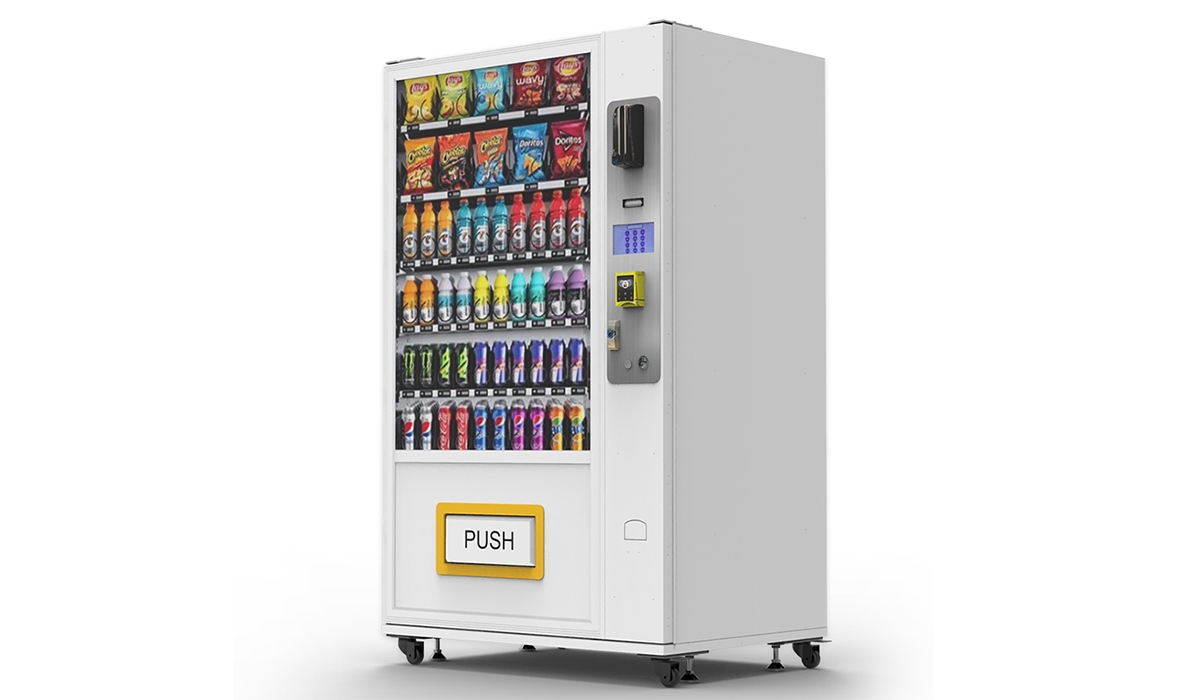
You have several options when entering this business: buying a franchise, buying an independent machine, leasing a machine, or entering a revenue-sharing agreement with a location host. Each has pros and cons.
| Model | Initial Cost | Monthly Revenue Potential | Maintenance Responsibility | Profit Split | Best For |
|---|---|---|---|---|---|
| Full Franchise | $40,000–$100,000 | $2,000–$6,000 | Operator or franchise | 100% to operator minus fees | New operators wanting support |
| Independent Machine | $25,000–$60,000 | $1,500–$5,000 | Operator only | 100% to operator | Experienced operators |
| Leased Machine | $5,000–$15,000 deposit | $1,500–$4,000 | Leasing company | 50%–70% to operator | Testing the market |
| Revenue Sharing | $0–$5,000 | $1,000–$3,000 | Location host or shared | 30%–50% to operator | Low capital entry |
From my experience, the independent model offers the highest profit potential if you have the technical skills to handle repairs. The franchise model is better for someone who wants a turnkey solution and is willing to pay for brand recognition and support. Leasing or revenue sharing can work for testing locations, but the reduced profit share makes it hard to scale.
Common Mistakes New Operators Make
I have seen dozens of new operators enter this space and fail within the first year. The mistakes are almost always the same.
Ignoring Site Due Diligence
Many operators accept a location based on a handshake and a low rent. They do not count traffic, analyze demographics, or check if the location has seasonal demand. I always spend at least three days counting vehicles and speaking to the business owner about customer patterns. If the location is a gas station, I ask about ice sales from the store. If they sell 50 bags a day, the machine can likely sell 30 to 40. If they sell none, the machine will probably struggle.
Choosing Cheap Equipment
I have tested machines from low-cost manufacturers, and they almost always fail within six months. The ice maker breaks, the bagging mechanism jams, or the payment system stops working. You end up spending more on vending machine repair than you saved on the purchase price. Invest in quality equipment from reputable suppliers like Zhongda Smart or established industry brands. A reliable machine may cost more upfront, but it will save you thousands in downtime and repair costs.
Neglecting Cashless Payments
In 2026, if your machine does not accept credit cards, Apple Pay, and Google Pay, you are losing at least 30% of potential sales. I installed cashless readers on all my machines in 2022, and my revenue increased by an average of 35%. Consumers expect to pay with their phone or card. A coin-only machine looks outdated and limits your customer base.
How to Evaluate an Ice Vending Machine Investment
Before buying, you need to calculate your expected return on investment (ROI) based on realistic assumptions. Do not use the manufacturer's optimistic projections. Use your own data or industry benchmarks.
Start with the machine cost. Add installation, water line setup, electrical work, and initial inventory of bags. Then estimate monthly revenue based on location traffic. A reasonable estimate for a good location is $3,000 per month. Subtract 15% for location rent, 10% for electricity and water, 5% for bag material, and 10% for maintenance and repairs. That leaves about 60% gross margin, or $1,800 per month. If the machine cost $50,000, your payback period is about 28 months. That is a realistic target for a well-placed machine.
If the payback period exceeds 36 months, the investment is too risky. You should look for a better location or a lower-cost machine.
FAQ: Ice Vending Machine Franchise in 2026
Do ice vending machines make money?
Yes, but only if placed in a high-traffic location with consistent demand. Gross margins are high, but maintenance and location costs can eat into profits. Realistic monthly net profit for a single machine is $1,000 to $3,000 after all expenses.
How much does an ice vending machine cost?
A new machine costs between $25,000 and $80,000. Franchise fees add $10,000 to $25,000. Leasing options are available for lower upfront costs but with reduced profit share.
How long does it take to break even?
With a good location, expect 24 to 36 months. Poor locations can extend that to 48 months or more. I recommend a payback target of 30 months or less.
Should a beginner buy or lease?
Leasing is safer for testing the market, but you give up a significant portion of revenue. If you have capital and have done site analysis, buying is better long-term.
Where is the best place to put an ice vending machine?
Gas stations, convenience stores, campgrounds, RV parks, marinas, and construction supply yards. High vehicle traffic and hot climate are strong indicators.
What permits do I need?
You typically need a business license, a sales tax permit, and compliance with local health department regulations for ice production. Requirements vary by state and municipality.
How do I choose a supplier?
Look for manufacturers with a track record of reliability, good after-sales support, and machines that accept cashless payments. Zhongda Smart is a supplier I have used for their build quality and remote monitoring features. Compare specifications and warranty terms before deciding.
What happens when the machine breaks?
You need a vending machine repair technician who understands refrigeration and ice makers. Many operators learn basic repairs themselves to save money. For major issues, you may need to call the manufacturer or a local HVAC technician.
How do I reduce maintenance costs?
Install a water filtration system, perform weekly cleaning, and monitor the machine remotely. Preventive maintenance is cheaper than emergency repairs. I budget $1,500 per machine per year for maintenance.
Final Thoughts from a Decade in the Business
The ice vending machine franchise model is not a get-rich-quick scheme. It is a legitimate business that requires capital, operational discipline, and a willingness to get your hands dirty. I have seen operators succeed by treating it like a retail business—focusing on location, customer experience, and machine reliability. I have also seen operators fail because they bought cheap equipment, ignored site analysis, or underestimated maintenance needs.
If you are considering this in 2026, start with one machine. Test the market. Learn the operational challenges. Then scale if the numbers make sense. Avoid the temptation to buy multiple machines before you understand the real costs. The operators who succeed are the ones who treat this as a business, not a passive investment.
This article was updated in January 2026. Revenue and cost estimates are based on personal operational experience and publicly available industry data from Statista, IBISWorld, and NAMA. Always conduct your own due diligence before investing.