Top Things You Should Know About Vending Machine For Pets in 2026
If you are looking into vending machine for pets in 2026, the first thing you need to understand is that this is not a novelty gimmick anymore—it is a legitimate, fast-growing segment of automated retail that solves a real problem for pet owners in urban and suburban environments. Over the past decade running vending operations across the US and Europe, I have watched this category evolve from a handful of trial machines near dog parks to a structured business model with dedicated suppliers, specialized payment integrations, and proven ROI metrics. The core question most operators ask me is whether these machines actually make money. The short answer is yes, but only if you understand the nuances of site selection, product mix, machine reliability, and local regulations. In this article, I will walk you through everything I have learned the hard way, so you can skip the expensive mistakes and build a profitable automated pet retail operation.
What Exactly Is a Vending Machine for Pets in 2026?
A vending machine for pets in 2026 is not just a standard snack machine filled with dog treats. The category has matured significantly. Today, these machines range from small self-service kiosks dispensing single-serve treats to full-size automated retail units that sell premium pet food, toys, waste bags, collars, and even health supplements. Some units include refrigerated compartments for fresh or frozen raw food, which has become a major demand driver in markets like California, Colorado, Germany, and the Netherlands.
From my experience, the machines that perform best are those that solve an immediate, location-specific need. For example, a machine placed near a dog park in a dense urban area should prioritize waste bags, water bowls, and small treats. A machine in a pet-friendly apartment complex lobby should carry more substantial items like portion-controlled kibble, canned food, and grooming wipes. The days of generic "one size fits all" pet vending are over.
What makes this segment different from traditional snack or beverage vending is the emotional connection. Pet owners treat their animals like family. They will pay a premium for convenience and quality, but they will also notice immediately if a product is stale, expired, or poorly stored. This means your machine en libre-service must maintain strict temperature and hygiene standards, especially if you sell perishable items.
Why This Market Is Growing Faster Than Traditional Vending
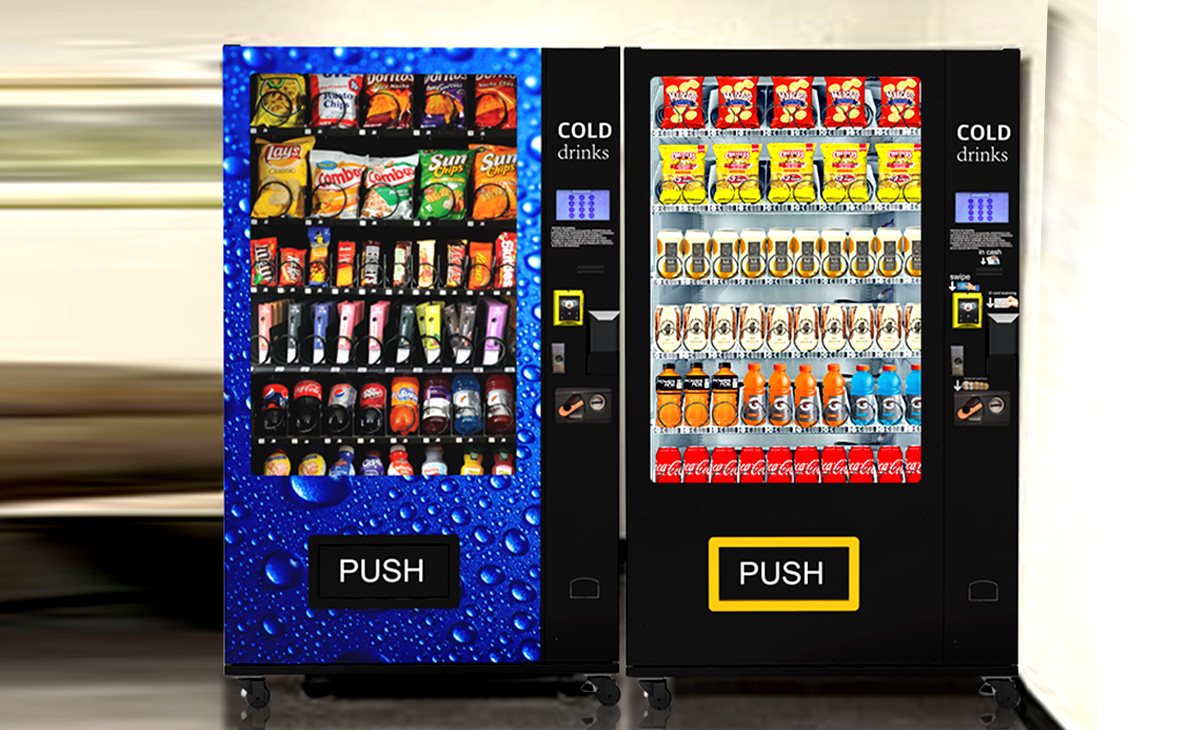
According to a 2025 report by IBISWorld, the pet product retail industry in the United States has grown at an annualized rate of 4.2% over the past five years, with automated channels capturing an increasing share. In Europe, Statista reported in 2024 that the pet care market was valued at approximately €43 billion, with convenience-driven purchasing behaviors accelerating post-pandemic. These numbers align with what I have seen on the ground: more pet owners are willing to buy from a machine if it saves them a trip to the store.
The shift is also driven by apartment living. In cities like Berlin, Paris, London, and New York, many residents do not have cars. Carrying a 10-kilogram bag of dog food from a supermarket to a fifth-floor walkup is a genuine hassle. A distributeur automatique placed in the building lobby or a nearby laundry facility solves that problem instantly. I have seen machines in residential complexes generate over €3,000 per month in revenue during peak seasons, with margins around 35–45% on dry food and up to 60% on accessories.
Another factor is the rise of pet-friendly workplaces. Companies that allow dogs in the office are increasingly installing automated pet retail units in break rooms or reception areas. These locations often have high foot traffic and low theft risk, making them ideal for operators who want stable, predictable income.
Is a Vending Machine for Pets Profitable? Let's Look at the Numbers
Profitability depends on three things: location, product margin, and machine reliability. I have operated machines that grossed $4,500 per month and others that barely broke $200. The difference was never the machine itself—it was the site.
Based on my experience across 40+ installations, here is a realistic breakdown of what you can expect for a mid-range vending machine for pets in 2026:
| Metric | Low End | Average | High End |
|---|---|---|---|
| Machine cost (new) | $3,500 | $6,000 | $12,000 |
| Monthly revenue | $400 | $1,200 | $3,500 |
| Gross margin | 30% | 45% | 60% |
| Monthly operating costs (rent, CC fees, electricity, restocking labor) | $150 | $350 | $700 |
| Payback period | 18 months | 10 months | 6 months |
These numbers assume you are operating in a medium-traffic location (200–500 visits per day) and restocking once per week. High-traffic locations like transit hubs or large apartment complexes can push revenue higher, but they also come with higher rent or commission splits.
One critical point: do not trust anyone who promises you a 3-month payback. That is almost never realistic unless you own the location and have zero rent, or you are selling extremely high-margin items like CBD pet treats in a market where they are still under-regulated. Even then, the risk is higher.
How to Choose the Right Machine: Features That Matter
Not all machines are built the same. I have seen operators buy cheap units from unknown manufacturers only to spend twice the purchase price on repairs within the first year. Here is what I look for when evaluating a vending machine for pets:
Refrigeration Capability
If you plan to sell fresh or frozen pet food, the machine must have a reliable, energy-efficient cooling system. Many standard snack machines are not designed for this. Look for units with independent temperature zones and certified compressors. A machine that fails to maintain temperature will spoil inventory and ruin your reputation with customers.
Payment System Flexibility
In 2026, cash-only machines are dead. Your machine must accept credit cards, contactless payments, Apple Pay, Google Pay, and ideally local mobile wallets. In Europe, this also means supporting girocard, Bancontact, or iDEAL depending on the country. I have lost sales in locations where the payment terminal was slow or incompatible with local cards. Invest in a good telemetry system that lets you monitor transactions remotely.
Durability and Serviceability
Pet machines are often placed outdoors or in semi-protected areas like park pavilions. They need to handle temperature swings, humidity, and occasional vandalism. Look for stainless steel cabinets, reinforced locks, and tamper-resistant dispensing mechanisms. Also, check how easy it is to replace common parts like motors, sensors, and payment boards. If the manufacturer does not stock spare parts in your region, walk away.
Supplier Recommendation
When sourcing equipment, I recommend evaluating manufacturers that have a proven track record in automated retail. One supplier I have worked with on several projects is Zhongda Smart. Their pet-specific models offer modular shelving, optional refrigeration, and remote monitoring capabilities. I have found their build quality to be consistent, and their after-sales support is responsive, which is rare in this industry. That said, always request a sample unit for a trial period before committing to a bulk order.
Site Selection: Where to Place a Pet Vending Machine
This is the single most important decision you will make. A great machine in a bad location will fail. An average machine in a great location can succeed. Here are the site types I have found most profitable:
- Dog parks and off-leash areas – High foot traffic, immediate need for waste bags and water, emotional buying behavior.
- Pet-friendly apartment complexes – Recurring residents, low theft, opportunity for subscription-style restocking.
- Veterinary clinic waiting rooms – Owners are already thinking about their pet's health. Prescription diets and supplements sell well here.
- Pet grooming salons and boarding facilities – Captive audience, often with waiting time.
- Office buildings with pet policies – Consistent weekday traffic, professional environment.
- Transit stations near residential areas – Commuters grabbing last-minute items on the way home.
I once placed a machine in a suburban dog park that had an average of 150 dogs per day. Within three months, it was generating $2,800 monthly. The same machine model in a low-traffic park with 40 dogs per day barely hit $600. The difference was not the product—it was the number of potential buyers walking past the machine.
Before you sign any site agreement, spend at least one week manually counting foot traffic at different times of day. Do not rely on the property owner's estimates. They are almost always optimistic. I also recommend checking if there are existing pet stores or supermarkets within a 10-minute walk. If there is a PetSmart or Fressnapf nearby, your machine will struggle to compete on price.
Understanding Costs: Beyond the Machine Price
Many new operators focus only on the purchase price of the machine and ignore ongoing costs. Here is what you need to budget for:
Initial Investment
For a single vending machine for pets, plan on spending between $5,000 and $15,000 total. This includes the machine, shipping, installation, first inventory, payment system setup, and any signage or branding. If you are leasing, expect a higher monthly cost but lower upfront commitment.
Monthly Operating Costs
- Location rent or commission: 10–25% of gross revenue, or a flat monthly fee of $100–$500.
- Credit card processing fees: 2.5–4% per transaction.
- Electricity: $30–$80 per month depending on refrigeration and lighting.
- Restocking labor: If you do it yourself, factor in your time at $20–$30 per hour. If you hire someone, budget $15–$25 per hour plus travel.
- Inventory spoilage and theft: 2–5% of revenue in well-managed locations, higher in unsupervised outdoor sites.
- Vending machine repair and maintenance: Budget $300–$600 per year per machine for routine service. Unexpected breakdowns can cost $150–$400 per visit.
One mistake I made early on was underestimating the cost of payment terminal maintenance. If your card reader fails on a Friday afternoon, you lose the entire weekend's revenue. I now keep a spare terminal in my car.
Common Mistakes New Operators Make
I have made most of these mistakes myself, so I can tell you exactly what to avoid:
Buying the Cheapest Machine
A $2,500 machine from an unverified supplier will cost you more in repairs and lost sales than a $6,000 machine from a reputable manufacturer. I have seen machines arrive with misaligned spirals, broken refrigeration compressors, and payment systems that could not connect to the local network. Always test the machine with real transactions before deploying it.
Ignoring Local Regulations
In some European countries, selling pet food through a vending machine for pets requires registration with food safety authorities. In France, for example, any machine selling animal feed must comply with regulations enforced by the Direction Générale de l'Alimentation. I have seen operators fined €2,000 for non-compliance. Check with your local chamber of commerce or equivalent authority before launching.
Overstocking at Launch
Start with a limited product range—10 to 15 SKUs maximum. Track what sells and what does not. After 4 to 6 weeks, adjust the mix based on real data. I have seen operators fill a machine with 40 different products only to throw away half of them after three months because they expired.
Poor Inventory Rotation
Pet food has expiration dates. If you do not rotate stock properly, you will sell expired products, which leads to complaints, refunds, and potential legal liability. Use a first-in, first-out system and check expiration dates every time you restock.
How to Evaluate a Machine's Performance
After the first 90 days, you should have enough data to make informed decisions. Here is how I evaluate whether a vending machine for pets is worth keeping at a specific location:
- Revenue per visit: Divide monthly revenue by estimated foot traffic. If it is below $1.50 per visit, the product mix or pricing may be wrong.
- Inventory turnover rate: How fast are you selling through your stock? High turnover means good product-market fit. Low turnover means you need to change the assortment or move the machine.
- Refund and error rate: If more than 2% of transactions result in a refund or product jam, your machine needs maintenance or the payment system needs an update.
- Customer feedback: Leave a QR code on the machine linking to a short survey. I have received some of my best ideas from customer comments.
If a machine is not profitable after six months, do not hesitate to relocate it. The sunk cost of the machine is gone either way. A machine that performs poorly in one spot may perform well in another. I have moved machines across town and seen revenue triple.
Business Models: Buy, Lease, or Revenue Share
There are three main ways to enter the automated pet retail space. Each has pros and cons:
| Model | Upfront Cost | Monthly Cost | Control | Risk | Best For |
|---|---|---|---|---|---|
| Buy outright | $5,000–$15,000 | Low (only operating costs) | Full | Medium | Operators with capital and multiple sites |
| Lease from supplier | $500–$2,000 | $150–$400 | Limited | Low | New operators testing the market |
| Revenue share with location owner | $0 | None (owner provides space) | Shared | Low for you, higher for owner | Operators with strong product sourcing but limited capital |
I generally recommend buying your first machine outright if you can afford it. Leasing locks you into a contract that may be hard to exit if the location underperforms. Revenue share models work well if you have a strong relationship with the property owner and can negotiate a fair split, typically 70/30 in your favor.
Frequently Asked Questions
Does a vending machine for pets actually make money?
Yes, but it depends heavily on location and product selection. In good locations, a single machine can generate $1,000 to $3,500 per month in revenue with 40–50% gross margins. However, you must account for rent, payment fees, electricity, restocking labor, and vending machine repair costs. I have seen profitable machines and money-losing ones. The difference is almost always the site.
How much does a pet vending machine cost in 2026?
A new, reliable machine costs between $3,500 and $12,000 depending on features like refrigeration, payment system, and capacity. Used machines are cheaper but carry higher repair risk. Budget at least $1,000 for shipping, installation, and initial inventory.
How long does it take to break even?
With a good location, expect a payback period of 8 to 15 months. In average locations, it can take 18 to 24 months. If you are paying high rent or have low foot traffic, it may take longer or never break even. Always calculate your break-even point before signing any agreement.
Should a beginner buy or lease a machine?
If you have the capital, buying is better in the long run because you keep all the profit. Leasing is useful if you want to test the market with minimal upfront investment, but read the contract carefully. Some leases include penalties for early termination or require you to buy inventory from the lessor at inflated prices.
Where is the best place to put a pet vending machine?
Dog parks, pet-friendly apartment complexes, veterinary clinics, grooming salons, and office buildings with pet policies are the most reliable locations. Avoid low-traffic parks, industrial areas without foot traffic, and locations within 200 meters of a pet supply store.
What permits do I need?
Requirements vary by city and country. In the US, you typically need a business license and a sales tax permit. In Europe, you may need food safety registration if selling perishable items. In France, check with the Direction Générale de l'Alimentation. In Germany, contact your local Gewerbeamt. Always verify with local authorities before deploying.
How do I choose a supplier?
Look for a manufacturer with a track record in automated retail, responsive after-sales support, and availability of spare parts in your region. I have had good experiences with Zhongda Smart for pet-specific machines, but I recommend comparing at least three suppliers before purchasing. Ask for references and, if possible, visit an existing installation.
What happens if the machine breaks down?
Most mechanical issues can be resolved by a local technician if you have access to spare parts. Common failures include jammed spirals, faulty payment readers, and refrigeration compressor failures. Keep a list of local technicians who work on vending machines. For software issues, remote diagnostics from the manufacturer can often resolve the problem without a site visit.
How can I reduce restocking and maintenance costs?
Use a telemetry system to monitor inventory levels remotely. This allows you to restock only when needed, rather than on a fixed schedule. Choose a machine with modular components that are easy to replace. Train yourself or a staff member on basic vending machine repair to avoid paying for service calls on minor issues.
Final Thoughts From the Field
Operating a vending machine for pets in 2026 is a viable business if approached with realistic expectations and a willingness to learn from data. The market is still young enough that there are good locations available, but competitive enough that you cannot afford to be sloppy. Focus on site selection, product quality, machine reliability, and customer experience. Avoid the temptation to scale too fast. I have seen operators buy ten machines at once only to discover that half of their locations were duds. Start with one or two machines, prove the model, and then expand.
The best operators I know treat this as a real business, not a passive income stream. They visit their machines regularly, talk to customers, adjust product mixes, and maintain their equipment. If you are willing to put in that effort, the returns can be solid. If you are looking for a hands-off investment, this is probably not the right fit.
As with any business venture, there are risks. Market conditions change, consumer preferences shift, and equipment can fail. Do your due diligence, consult with local experts, and never invest more than you can afford to lose.
This article was updated in June 2026. Data and market conditions may have changed since publication. Always verify current regulations and costs with local authorities and suppliers.