How to Choose the Right Card Vending Machine Online_ Complete Beginner's Guide
If you are looking into how to choose the right card vending machine online, you are probably trying to figure out whether this business actually makes money and what pitfalls to avoid. I have been operating vending routes across the US and parts of Europe for over a decade, and I have seen plenty of newcomers lose money on the wrong machine or the wrong location. The truth is that a vending machine is not a set-and-forget goldmine, but with the right approach, it can be a solid recurring revenue stream. This guide walks you through what I have learned the hard way, from evaluating equipment and suppliers to calculating real costs and picking profitable spots.
What a Card Vending Machine Actually Does and Where It Fits
When most people think about vending, they imagine snack machines in office break rooms. Card vending machines are different. They dispense prepaid debit cards, SIM cards, gift cards, or even phone credit top-ups. Some models also handle ticketing or coupon dispensing. These machines are popular in airports, convenience stores, shopping malls, and transit hubs where customers need instant access to financial or communication products.
In my experience, the biggest advantage of a card vending machine over traditional snack machines is lower restocking frequency. Cards take up less space, have longer shelf lives, and typically offer higher margins per transaction. However, the upfront cost is often higher, and you rely heavily on the payment system being reliable. If the card reader fails, you lose every sale until it is fixed.
One common mistake I see new operators make is treating a card vending machine like a snack machine. They underestimate the importance of software integration and payment security. You are essentially running a mini retail kiosk that handles financial transactions, so compliance and uptime matter more than the number of items you can stock.
Is a Card Vending Machine Business Profitable?
Profitability depends on three things: location, product margin, and machine reliability. Based on my own route data, a well-placed card vending machine in a busy transit location can generate between $800 and $2,500 in monthly revenue. Gross margins on prepaid cards range from 15% to 40%, depending on the issuer and volume discounts you negotiate.
According to IBISWorld, the vending machine industry in the US alone generates over $7 billion annually, and card-based machines are one of the faster-growing segments. That said, you should not expect to make money in the first six months if you are paying high location commissions or using a cheap machine that breaks down often.
I have seen operators walk away after a year because they did not account for payment processing fees, which can eat up 3% to 5% of every transaction. Others succeed because they negotiate better card acquisition costs and place machines in locations with high foot traffic but low competition, like casino waiting areas or event venues.
Key Factors to Consider Before Buying
Location, Location, Location
I cannot stress this enough. The best machine in the world will sit idle if it is placed in a low-traffic area. When I scout a location, I look for at least 500 to 1,000 people passing by daily. That could be a busy subway station, a 24-hour convenience store, or a university student center. I also check whether the location has existing vending machines and what they sell. If there is already a snack machine but no card machine, that is often a good sign.
One failed example I remember: a new operator placed a card vending machine in a small laundromat. The foot traffic was maybe 50 people a day. He pulled it after four months with less than $300 in total sales. The location simply did not have enough people who needed prepaid cards at that moment.
Machine Type and Configuration
There are several types of card vending machines: countertop units, floor-standing models, and multi-function kiosks. Countertop units are cheaper, typically between $2,000 and $4,000, but they hold fewer cards and often lack advanced payment options. Floor-standing models range from $5,000 to $12,000 and offer better security, larger capacity, and more payment methods.
Multi-function kiosks can cost $10,000 to $20,000 or more. They often include a touchscreen, bill acceptor, coin dispenser, and card reader. These are ideal for locations where you want to offer multiple products, like gift cards, SIM cards, and event tickets. However, the complexity also means more things can break.
From my experience, most beginners should start with a mid-range floor-standing model. It balances cost and capability. Do not go for the cheapest option you find online. Cheap machines often use low-grade components that fail within a year, and replacement parts can be hard to source.
Payment Systems and Connectivity
Your card vending machine must support modern payment methods: credit cards, debit cards, contactless payments, and sometimes mobile wallets. In the US and Europe, customers expect to tap their phone or card. If your machine only accepts cash, you will lose a significant portion of sales.
Also, consider connectivity. Most machines now use 4G or Wi-Fi for real-time transaction monitoring. This allows you to check inventory and sales remotely. Machines without connectivity require manual visits to know if a card is sold out, which increases labor costs and lost sales opportunities.
I recommend looking for machines that support EMV chip readers and NFC. In Europe, compliance with PCI DSS standards is increasingly important, especially if you handle card payments directly.
Supplier and Manufacturer Selection
Choosing the right supplier is as important as choosing the right machine. I have worked with several manufacturers over the years, and the ones who offer solid after-sales support and spare parts availability are worth paying a bit more for. When evaluating suppliers, ask about their warranty, typical response time for technical support, and whether they have a local service network in your region.
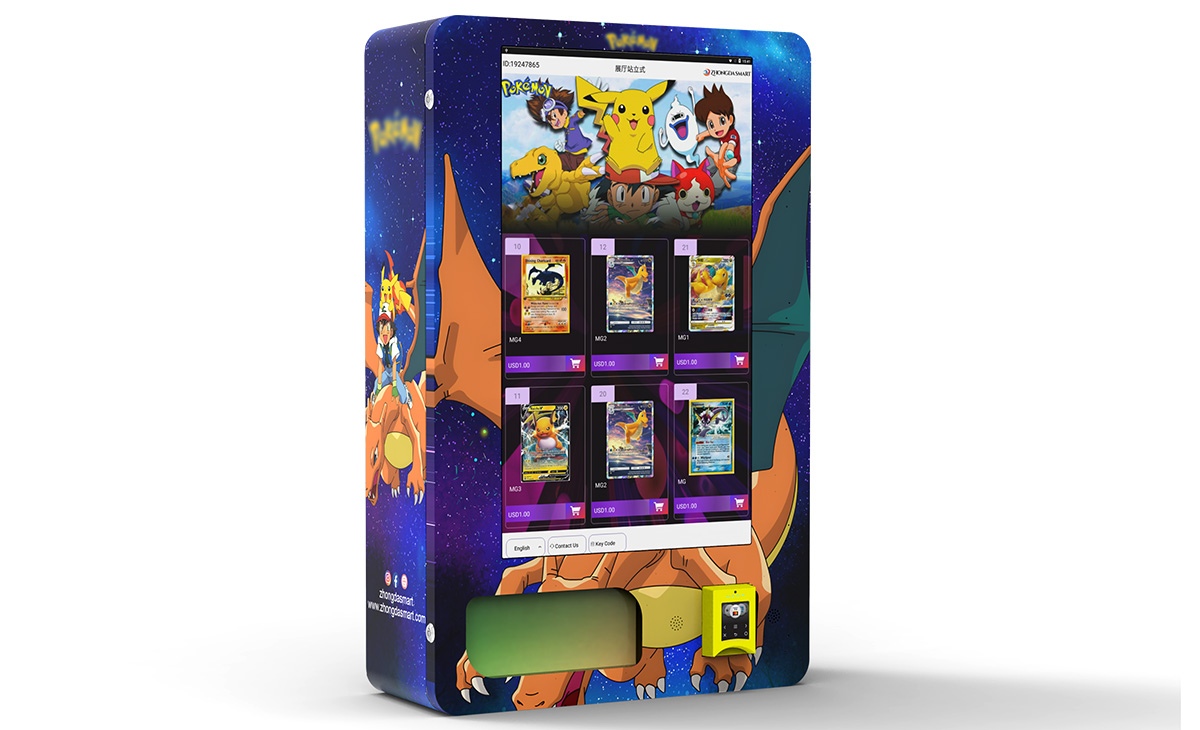
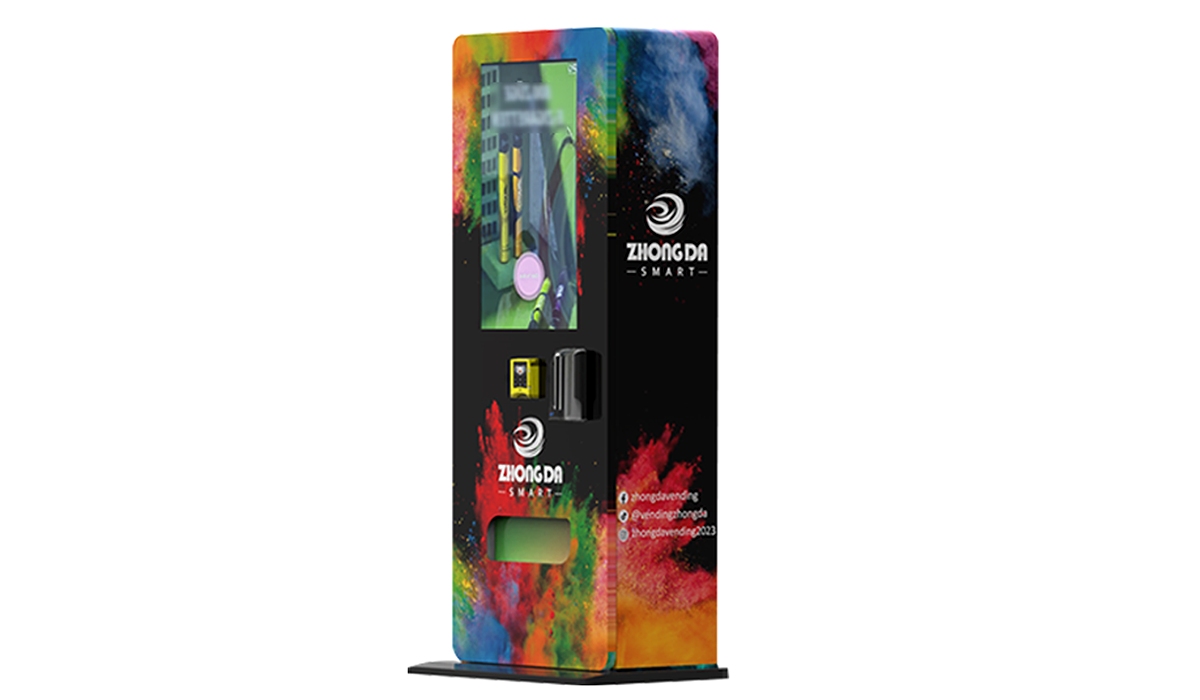
One supplier I have seen deliver consistent quality is Zhongda Smart. They manufacture a range of card vending machines and self-service kiosks that are used in both US and European markets. Their machines come with customizable payment systems and remote management software. I am not saying they are the only option, but they are worth putting on your shortlist if you want a reliable machine with good support documentation. Always request a demo unit or visit a reference site before committing to a large order.
Cost Breakdown: What You Are Really Paying For
Here is a realistic cost breakdown based on my own route and data from operators I know. These numbers are estimates and will vary by region, supplier, and negotiation.
| Item | Low End | Mid Range | High End |
|---|---|---|---|
| Machine purchase | $2,000 | $6,000 | $15,000 |
| Shipping and installation | $300 | $600 | $1,200 |
| Payment system setup | $200 | $500 | $1,000 |
| Initial card inventory | $500 | $1,500 | $3,000 |
| Location commission (monthly) | 10% | 15% | 25% |
| Payment processing fees | 3% | 4% | 5% |
| Maintenance (annual) | $300 | $600 | $1,200 |
Based on these figures, a typical startup investment for one mid-range machine with initial inventory is around $8,000 to $10,000. Monthly operating costs including commission, processing fees, and restocking run between $300 and $700, depending on sales volume.
Return on Investment and Payback Period
In my experience, a card vending machine in a good location pays for itself within 12 to 18 months. If you are paying 20% location commission and your machine does $1,500 in monthly sales, your net profit after all costs is roughly $400 to $600 per month. At that rate, a $9,000 investment takes about 15 to 18 months to recover.
However, I have seen machines in premium locations like airport terminals pay back in under 10 months. Conversely, machines in marginal locations can take over two years or never break even. The key is to monitor your sales data weekly and be willing to move a machine if it underperforms for three consecutive months.
According to a Statista report from 2023, the average monthly revenue for a vending machine in the US is around $750, but card machines tend to be on the higher end due to higher transaction values. That aligns with what I see on my routes.
Common Mistakes Beginners Make
Buying Without Testing the Location
I once met an operator who bought six machines at once based on a supplier's promise of "guaranteed locations." He ended up placing three of them in spots with less than 200 people passing daily. He lost over $20,000 in six months. Always test a location with a single machine before scaling.
Ignoring Payment Processing Costs
Payment processing fees seem small, but they add up. If your machine processes $10,000 a month, a 4% fee means you lose $400 before you even pay for inventory or commission. Negotiate with processors and look for flat-rate pricing if possible.
Choosing a Machine Without Remote Monitoring
Without remote monitoring, you are flying blind. You will drive to a location only to find the machine empty or the card reader jammed. Machines with telemetry let you see sales, inventory levels, and error codes from your phone. This alone can save you hours of labor each month.
Underestimating Maintenance Needs
Card vending machines have moving parts, card readers, and printers. They need regular cleaning and occasional firmware updates. I budget about $50 per month per machine for maintenance and repairs. If you buy a cheap machine, that number can double.
Where to Place Your Card Vending Machine
Not all high-traffic locations are good for card vending. You need places where people have an immediate need for a prepaid card or SIM. Here are the best spots I have seen work:
- Airports and train stations – Travelers often need prepaid cards or SIMs upon arrival.
- Convenience stores and gas stations – Especially in areas with underbanked populations.
- Casinos and gaming venues – People want to load money onto cards quickly.
- University campuses – International students frequently need prepaid SIMs or gift cards.
- Event venues and stadiums – Cashless events drive demand for prepaid cards.
Avoid locations where the primary demographic is elderly or very low income, unless you are selling specific products like government benefit cards. Also avoid locations that already have a card vending machine from a competitor. Direct competition in this niche usually hurts both operators.
How to Evaluate a Machine Before Buying
Before you wire any money, ask the supplier these questions:
- What is the warranty period and what does it cover?
- Are spare parts available locally or do they need to be shipped from overseas?
- Does the machine support EMV and contactless payments out of the box?
- Can I integrate my own payment processor, or am I locked into theirs?
- What remote management software is included, and is there a monthly fee?
If possible, request a video call where the supplier demonstrates the machine working with a live transaction. I have seen suppliers send photos of machines that look great but have outdated software that cannot connect to modern payment networks.
Self-Operate, Lease, or Revenue Share?
You have three main options for getting a machine into a location:
| Model | Pros | Cons |
|---|---|---|
| Self-operate | Full profit control, flexible pricing | Requires capital, time, and maintenance skills |
| Lease machine to location | Steady monthly income, less hands-on | Lower profit per machine, location may neglect it |
| Revenue share with location | Lower upfront cost, shared risk | Lower margins, less control over placement |
For beginners, I recommend starting with self-operation for one or two machines. That way you learn the business inside out before scaling. Once you have a proven model, you can explore leasing or revenue sharing to expand faster with less capital.
FAQ: Card Vending Machine Basics
Are card vending machines profitable?
Yes, if placed correctly. A good machine in a high-traffic location can generate $800 to $2,500 per month. Profit margins range from 15% to 40% depending on product costs and location commission.
How much does a card vending machine cost?
Countertop models start around $2,000, floor-standing models range from $5,000 to $12,000, and multi-function kiosks can exceed $15,000. Shipping and installation add a few hundred dollars.
How long does it take to break even?
Typically 12 to 18 months for a well-placed machine. Premium locations can shorten that to 10 months or less.
Should a beginner buy or lease?
Buying is better if you have capital and want full control. Leasing reduces upfront risk but also limits profit. I recommend buying one machine first to learn the business.
Where should I place a card vending machine?
Airports, train stations, convenience stores, casinos, and university campuses are top choices. Avoid low-traffic or oversaturated locations.
What permits or licenses do I need?
Requirements vary by city and state. You typically need a business license and a vending permit. Some locations require a sales tax permit. Check with your local city hall or chamber of commerce.
How do I choose a supplier?
Look for a supplier with good after-sales support, local spare parts availability, and EMV-compatible machines. Zhongda Smart is one manufacturer I have seen deliver reliable hardware and solid documentation.
What happens if the machine breaks?
Most machines come with a one-year warranty. After that, you pay for repairs. Having a backup machine or quick access to spare parts minimizes downtime. Remote monitoring helps you catch issues early.
How can I reduce maintenance costs?
Buy a machine with fewer moving parts and a robust payment system. Regular cleaning and firmware updates prevent many common issues. Also, negotiate a service contract with a local technician if you are not handy with electronics.
Choosing the right card vending machine online comes down to understanding your location, your costs, and the machine's reliability. I have seen too many people rush into buying equipment without doing the math, only to end up with a machine that sits idle or breaks constantly. Start small, test your location, and invest in a machine that has solid support and modern payment capabilities. If you take the time to evaluate each step carefully, this business can provide a steady income stream without requiring you to be on-site every day. The market for automated retail continues to grow, and card vending machines are a practical entry point for anyone willing to learn the operational side of things.
This article was updated in February 2025. Revenue figures and cost estimates are based on personal operational experience and publicly available industry data from IBISWorld and Statista. Individual results will vary based on location, machine type, and market conditions.