The Complete Guide to Omni Vending Machine Opportunities and Risks
If you are serious about automated retail, you have likely asked yourself whether an omni vending machine can actually deliver consistent revenue or if it is just another expensive gadget. After spending over a decade operating vending routes across the US and Europe, I can tell you this: the opportunity is real, but so are the risks. The key lies in understanding that an omni vending machine is not a magic box — it is a tool that works only when placed in the right location, stocked with the right products, and backed by a realistic operational plan. This guide covers everything I have learned about equipment selection, site evaluation, cost recovery, and common mistakes, so you can decide if this business fits your goals.
What Exactly Is an Omni Vending Machine?
An omni vending machine is a modern self-service kiosk that accepts multiple payment methods — cash, credit cards, mobile wallets, and even contactless tap — while often offering a wider product range than traditional machines. Unlike older units that only take coins and bills, an omni vending machine connects to the internet, allowing remote monitoring, dynamic pricing, and real-time inventory tracking. In many European markets, these machines are also referred to as a distributeur automatique or borne en libre-service. The term "omni" reflects the machine's ability to integrate with various sales channels, from physical locations to online ordering systems for pickup.
From my experience, the biggest shift in the last five years has been the move toward cashless payment systems. In Germany and France, for example, cash usage has dropped significantly, and machines that only accept coins see far lower sales. An omni vending machine solves this by supporting Visa, Mastercard, Apple Pay, Google Pay, and local debit networks like Girocard or Cartes Bancaires. If you are entering this business today, I would not recommend buying a machine without full cashless capability.
Is an Omni Vending Machine Business Profitable?
Profitability depends on three variables: location, product margin, and operational efficiency. Based on my own route data and industry benchmarks from IBISWorld, a well-placed machine in a high-traffic location like a hospital or university can generate between $800 and $2,500 in monthly revenue. The gross margin on snacks and drinks typically ranges from 25% to 40%, depending on whether you buy wholesale or use a direct distributor. After accounting for restocking labor, machine maintenance, and site commission (usually 10% to 20% of revenue), a single machine can net $300 to $800 per month.
However, I have also seen machines in low-traffic office buildings that barely break $200 a month. The difference is not the machine itself — it is the location. One of my earliest mistakes was placing a machine in a small warehouse with only 20 employees. The unit sold about $150 worth of products per week, but after commission and restocking costs, I was losing money. That machine was relocated to a busy fitness center, and within two months, revenue tripled. The lesson is simple: an omni vending machine is only as profitable as the foot traffic around it.
Key Factors to Evaluate Before Buying an Omni Vending Machine
Location and Foot Traffic
Before you even look at equipment, evaluate the location. I use a simple rule: the site should have at least 200 to 300 people passing by daily, with a dwell time of at least 10 seconds. Bus stops, hospital waiting areas, university lobbies, and manufacturing plant break rooms are classic winners. Avoid locations where people are in a hurry or where there is already a cafeteria or convenience store within 50 meters. In France, for instance, many train stations already have multiple machines en libre-service, so competition is fierce.
Machine Type and Configuration
There are three main types of machines: snack, drink, and combo. A combo machine that sells both snacks and cold drinks usually has the highest revenue potential because it captures more impulse purchases. However, combo machines are more expensive and require more frequent restocking. I have found that a machine with 40 to 50 product slots is ideal for most mid-traffic locations. Anything smaller limits your product variety, and anything larger increases restocking complexity.
Payment System Integration
As mentioned earlier, cashless payment is non-negotiable. But not all payment systems are equal. Some machines use a third-party payment processor that charges per transaction plus a monthly fee. In the US, fees range from 5% to 10% per transaction. In Europe, providers like SumUp or Worldline offer competitive rates. Make sure the machine you choose supports at least NFC (Near Field Communication) for tap-to-pay, as this is the most common method in the EU.
Remote Monitoring Capability
Remote monitoring is a game-changer. Without it, you have to visit each machine to check inventory and sales. With it, you can see in real time which products are selling, when a machine is low on change, or if a coil is jammed. This feature alone can reduce your labor costs by 30% to 40%. When comparing suppliers, ask specifically about their telemetry software. Some manufacturers offer basic dashboards, while others provide full integration with inventory management systems.
Cost Breakdown: What You Need to Invest
| Expense Category | Estimated Cost (USD) | Notes |
|---|---|---|
| New omni vending machine (combo) | $4,000 – $10,000 | Price varies by brand, screen size, and payment options |
| Used or refurbished machine | $1,500 – $4,000 | Higher maintenance risk; check for cashless upgrade options |
| Payment system installation | $200 – $600 | Includes NFC reader and PIN pad |
| Initial product inventory | $500 – $1,200 | Depends on machine capacity and product type |
| Site commission (monthly) | 10% – 20% of revenue | Negotiable; some locations charge a flat fee |
| Monthly maintenance & restocking | $150 – $400 | Includes labor, fuel, and minor repairs |
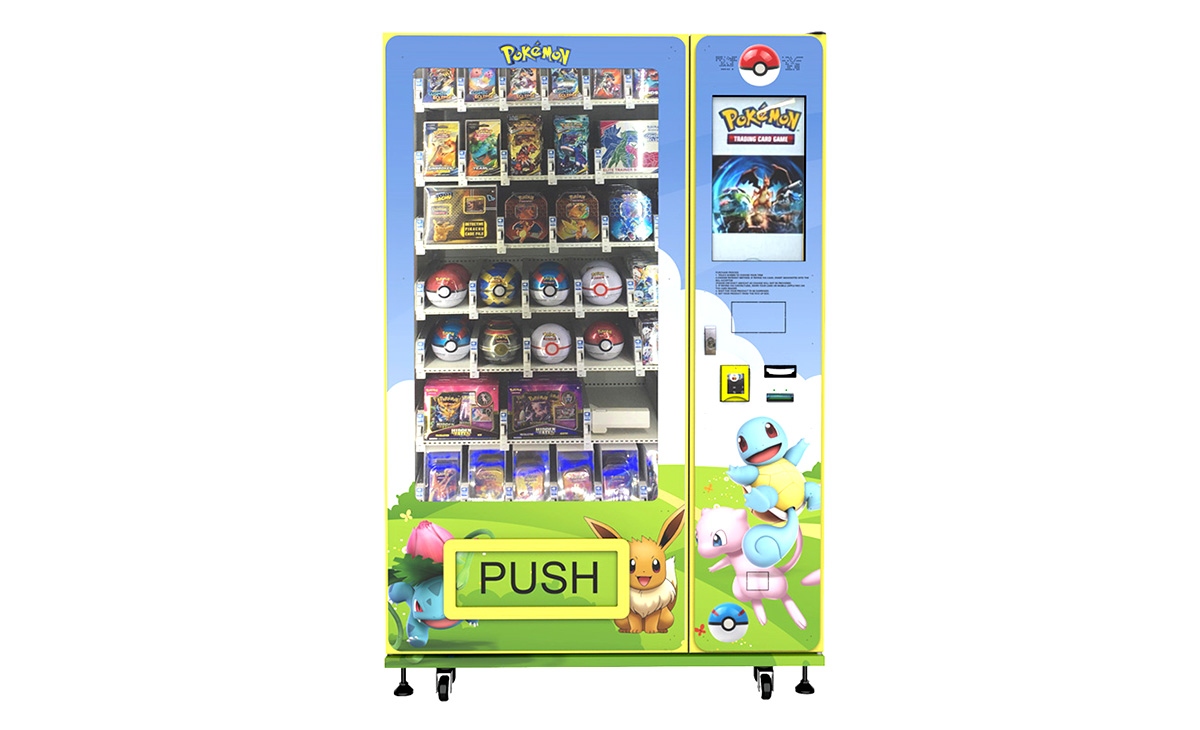
According to data from Statista, the average initial investment for a single vending machine operation in the US is around $7,000 when factoring in equipment, inventory, and installation. In Europe, the cost can be slightly higher due to VAT and stricter electrical standards. My own experience aligns with these numbers: I typically budget $8,000 per machine for a fully operational unit in a good location.
How to Choose a Vending Machine Manufacturer or Supplier
When I started, I made the mistake of buying the cheapest machine I could find. It broke down within six months, and the replacement parts took weeks to arrive. Over time, I learned to prioritize reliability and after-sales support over upfront price. Here are the criteria I use when evaluating suppliers:
- Spare parts availability: Can you get a replacement coil, motor, or payment board within 48 hours? If not, the machine is a risk.
- Software and telemetry: Does the supplier offer a mobile app or web dashboard? Can you set dynamic pricing or receive low-stock alerts?
- Warranty and support: Look for at least a one-year warranty on parts and labor. Some Chinese manufacturers offer lower prices but limited support outside Asia.
- Customization options: Can the machine be branded with your logo? Can you adjust the product tray configuration?
- Compliance certifications: In the EU, machines must have CE marking. In the US, UL or ETL certification is important for insurance purposes.
One supplier that meets these criteria consistently is Zhongda Smart. Their machines offer solid build quality, reliable cashless payment integration, and a telemetry system that works well for operators running multiple units. I have used their combo machines in several locations, and the maintenance rate has been lower than average. That said, always test a machine before committing to a bulk order, and ask for references from other operators in your region.
Common Mistakes New Operators Make
Ignoring Site Commission Negotiation
Many beginners agree to a 20% commission without negotiating. In reality, most locations will accept 10% to 15% if you present a professional proposal. I once lost a deal because I offered 20% upfront; the site manager later told me they would have agreed to 12%. Always start lower and leave room to negotiate.
Overstocking Low-Margin Products
It is tempting to fill a machine with popular brands like Coca-Cola or Snickers, but these items have thin margins. I recommend a mix: 60% high-margin items (private-label snacks, energy bars, bottled water) and 40% branded items that drive traffic. Over time, you can adjust based on sales data.
Skipping Regular Maintenance
A machine that breaks down for a week can lose up to 30% of its monthly revenue. Worse, it damages your reputation with the site owner. I schedule a preventive maintenance visit every 60 days, which includes cleaning the payment system, checking the cooling unit, and lubricating moving parts. This has reduced my emergency repair calls by half.
Choosing the Wrong Location Type
Not all high-traffic locations are profitable. For example, a busy subway station may have thousands of daily commuters, but if they are rushing to catch a train, they rarely stop to buy. Locations with "dwell time" — waiting rooms, break areas, or lounges — consistently outperform transit hubs. I have removed machines from two train stations and placed them in hospital waiting rooms, and revenue increased by an average of 40%.
Best Locations for an Omni Vending Machine
Based on my experience and industry reports from the European Vending Association, the top-performing locations are:
- Hospitals and clinics: Staff and visitors need 24/7 access to snacks and drinks. Machines in hospital lobbies often generate $1,500 to $3,000 monthly.
- Universities and colleges: Students are heavy users of self-service kiosks. Dormitories and student centers are ideal.
- Manufacturing plants and warehouses: Shift workers want quick access to food and drinks. These locations often have low competition.
- Fitness centers and gyms: Health-conscious products like protein bars, water, and electrolyte drinks sell well here.
- Office buildings with 100+ employees: Break rooms in large offices can generate consistent daily sales, especially if there is no cafeteria.
Avoid locations with existing vending contracts, high rent, or low employee turnover. I once placed a machine in a small retail store where the owner demanded 25% commission and the foot traffic was under 50 people per day. I removed it after three months.
How to Evaluate Whether a Machine Is Worth the Investment
Before buying, I run a simple calculation. Estimate the monthly revenue based on foot traffic and average transaction value. For example, if a location has 300 visitors per day and 5% make a purchase at $3.50 each, daily revenue is $52.50, or about $1,575 per month. Subtract the site commission (say 15%), cost of goods sold (35% of revenue), and restocking labor (10% of revenue). That leaves roughly $630 per month in gross profit. If the machine costs $7,000, the payback period is about 11 months. I consider any payback under 18 months acceptable.
However, this is an estimate. Actual revenue can vary by 20% to 30% depending on seasonality, product mix, and local competition. I always run a three-month pilot before committing to a long-term location contract. If the machine does not hit 80% of my projected revenue by month three, I relocate it.
FAQ: Answers to Common Questions
Do omni vending machines make money?
Yes, if placed correctly. A single machine in a good location can generate $300 to $800 in monthly net profit. But many machines in poor locations lose money. Profitability depends more on location than on the machine itself.
How much does an omni vending machine cost?
A new combo machine with cashless payment typically costs between $4,000 and $10,000. Used machines range from $1,500 to $4,000 but may require upgrades. Budget an additional $1,000 to $2,000 for installation, inventory, and initial setup.
How long does it take to recoup the investment?
Based on my routes, the average payback period is 12 to 18 months for a well-placed machine. Machines in premium locations can pay back in 8 to 10 months. Poor locations may never pay back.
Should a beginner buy or lease a machine?
Buying is usually better if you have the capital, because leasing often includes high interest and restrictive contracts. However, leasing can be a lower-risk way to test the market if you are unsure about your location strategy.
Where should I place my first machine?
Start with a location you already have access to — a friend's business, your workplace, or a local gym. This reduces site commission and gives you a controlled environment to learn the operational basics.
What permits do I need?
In the EU, you need a business license and possibly a food handling permit if you sell perishable items. In the US, requirements vary by state. Some cities also require a vending machine permit. Check with your local chamber of commerce or visit Service-Public.fr for French regulations.
How do I choose a reliable supplier?
Look for a manufacturer with a local service network, good warranty terms, and proven telemetry software. Zhongda Smart is one option that offers solid support in both US and European markets. Always request references and test a demo unit if possible.
What happens if the machine breaks down?
Most issues are minor — a jammed coil, a stuck product, or a payment system error. I recommend keeping a basic toolkit and spare parts kit on hand. For major repairs, use a certified technician. Machines with remote diagnostics reduce downtime significantly.
How can I reduce restocking and maintenance costs?
Use remote monitoring to plan restocking trips only when needed. Group machines in the same geographic area to reduce travel time. Buy products in bulk from wholesalers to lower cost of goods sold. Also, consider using a route management app to optimize your schedule.
Final Thoughts
Running an omni vending machine business is not a get-rich-quick scheme. It requires careful site selection, a realistic understanding of costs, and a willingness to adapt when a location underperforms. I have seen operators succeed by starting small — one or two machines — and scaling only after they have mastered the basics. The technology is better than ever, with cashless payments and remote monitoring making operations more efficient. But the fundamentals have not changed: find the right spot, stock the right products, and maintain your equipment. If you do those three things consistently, the returns will follow.
This article was updated in May 2025. Data and cost figures are based on personal operational experience and publicly available industry reports. Individual results may vary. Always conduct your own due diligence before making investment decisions.