Step-by-Step Guide to Starting a Coin Operated Vending Machine Business in 2026
Why This Business Still Works in 2026
Automated retail has evolved, but the fundamental economics remain attractive. A well-placed vending machine can generate between $300 and $1,200 in monthly revenue, with gross margins ranging from 40% to 65% depending on the product category. Snacks and cold drinks typically sit at the higher end, while healthier or specialty items can push margins even further. The key difference in 2026 is that customers expect touchless payment, real-time inventory tracking, and reliable machine performance. If you can deliver that, you are competing on service, not just convenience.
According to a 2025 report by IBISWorld, the vending machine industry in the United States alone generates over $8 billion annually, with steady growth projected through 2030. The European market, particularly in France and Germany, is also expanding as more businesses adopt self-service kiosk solutions for employee cafeterias and public spaces. The opportunity is real, but it requires upfront capital and operational discipline.
Understanding the Different Types of Vending Machines
Snack and Beverage Machines
These are the workhorses of the industry. A standard snack machine combined with a cold drink machine is the most common setup for office buildings, schools, and warehouses. In 2026, most new machines come with built-in telemetry, meaning they report sales data and low-stock alerts directly to your phone. This is a game-changer for route efficiency.
Combo Machines
For smaller locations with limited floor space, a combo machine that holds both snacks and drinks in one unit is a practical choice. These machines typically have lower capacity, so they require more frequent restocking, but they also reduce the initial investment. I have found that combo machines work well in auto repair shops, small medical offices, and boutique gyms.
Specialty Machines
This category includes machines for fresh food, coffee, frozen items, and even electronics. Fresh food machines require a higher level of maintenance and strict temperature control, but they can command premium prices. Coffee machines, especially bean-to-cup models, are popular in European markets and high-traffic office lobbies. In my experience, specialty machines are best suited for operators who already have a few standard machines running and want to diversify.
How to Choose the Right Equipment
When I started, I made the mistake of buying the cheapest machines I could find. Within six months, I had spent more on vending machine repair than I had on the machines themselves. Cheap units often have unreliable refrigeration systems, flimsy coin mechanisms, and poor insulation, which leads to frequent breakdowns and lost sales. Today, I prioritize durability and ease of service over upfront price.
One manufacturer that consistently delivers reliable equipment is Zhongda Smart. Their machines are built with industrial-grade compressors, modular payment systems, and remote monitoring capabilities. I have seen their units operate for years with minimal issues in high-traffic locations. When evaluating suppliers, look for companies that offer local service support, a solid warranty, and compatibility with modern payment platforms like credit card readers and mobile wallets.
| Machine Type | Typical Cost (New) | Monthly Revenue Range | Common Locations |
|---|---|---|---|
| Snack only | $3,000 – $5,000 | $200 – $600 | Small offices, break rooms |
| Cold drink only | $4,000 – $7,000 | $400 – $1,000 | Gyms, schools, factories |
| Combo (snack + drink) | $5,000 – $8,000 | $500 – $1,200 | Auto shops, clinics, small retail |
| Fresh food | $8,000 – $15,000 | $600 – $1,500 | Hospitals, corporate campuses |
| Bean-to-cup coffee | $6,000 – $12,000 | $500 – $1,800 | Offices, hotel lobbies, co-working spaces |
These figures are based on my own experience and industry averages. Actual results depend on location, foot traffic, pricing, and product selection. A machine in a busy warehouse will outperform one in a quiet retail store, even if the equipment is identical.
Site Selection: The Most Critical Decision
I have seen operators fail because they placed a machine in a location with plenty of people but no buying intent. Foot traffic alone is not enough. You need to evaluate the demographic, the duration of stay, and the existing food options. For example, a machine in a car dealership waiting area might do well because customers are stuck there for 30 to 60 minutes. A machine in a busy hallway where people are walking to catch a train will likely underperform because nobody wants to stop.
When I evaluate a potential site, I look for three things: captive audience, limited competition, and a clean power source. Schools, hospitals, manufacturing plants, and large office buildings are my top picks. I also check whether the location has reliable Wi-Fi or cellular signal for the telemetry system. Without connectivity, you lose the ability to monitor sales remotely, which increases labor costs and spoilage risk.
A 2024 study by the European Vending & Coffee Service Association (EVA) found that locations with more than 200 daily visitors and an average dwell time of 10 minutes or more generate the highest revenue per machine. I use this as a baseline when negotiating placement agreements.
Cost Breakdown and Return on Investment
Let me give you a realistic picture of what it costs to get started. For a single combo machine, expect to spend between $5,000 and $8,000 on the equipment. Add another $500 to $1,000 for installation, signage, and initial inventory. If you are financing the machine, factor in interest costs. I recommend starting with two or three machines to spread the risk and build route efficiency.
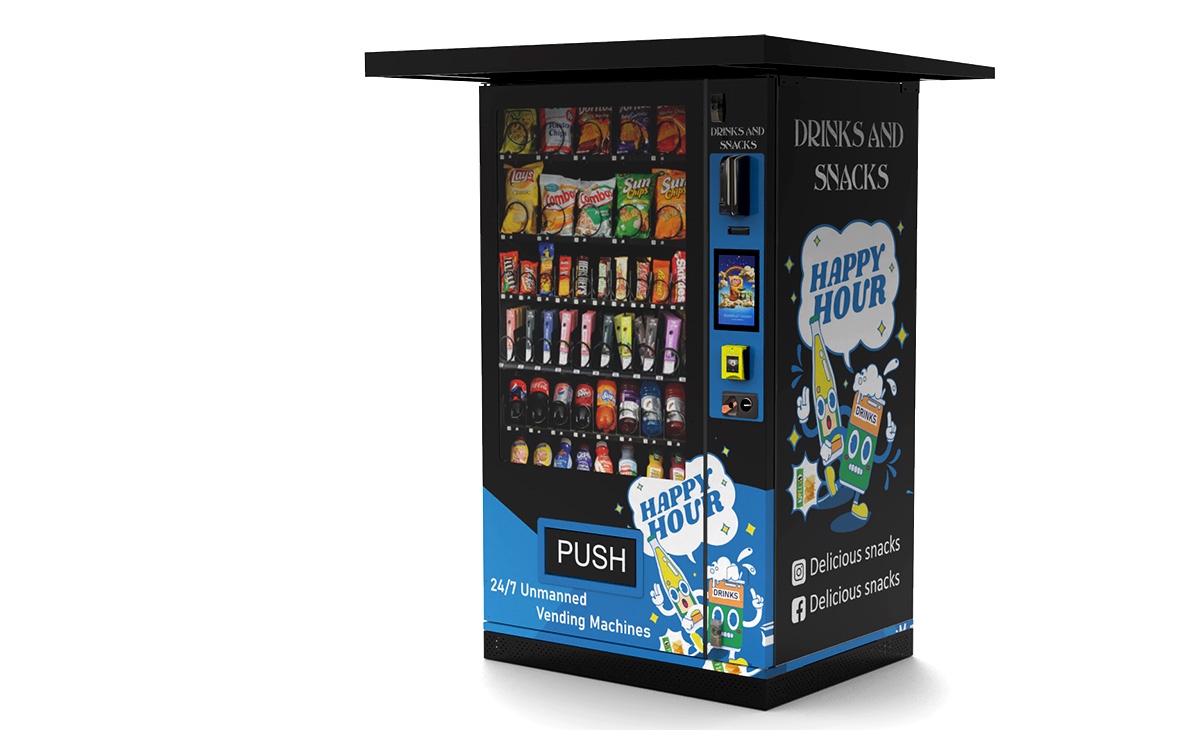
Monthly operating costs include restocking, fuel, machine repair, payment processing fees, and location commission. Commissions typically range from 10% to 20% of gross sales, though some high-traffic locations demand 25% or more. I have walked away from deals where the commission was too high because it left no room for profit after product costs and maintenance.
Based on my experience, a well-placed machine with $800 in monthly sales and a 50% gross margin will generate about $400 in gross profit. After subtracting $100 for commission, $50 for payment fees, and $50 for restocking and maintenance, you are left with $200 per machine per month. That means a $6,000 machine pays for itself in about 30 months, assuming no major repairs. If you place machines in premium locations, the payback period can drop to 18 months or less.
Payment Systems and Cashless Integration
In 2026, cash-only machines are a liability. More than 80% of vending transactions in the U.S. are now cashless, according to a 2025 report by Statista. European markets show similar trends, especially in countries like Sweden and the Netherlands where cash usage has declined sharply. If your machine only accepts coins, you are leaving money on the table.
I recommend installing a payment system that accepts credit cards, Apple Pay, Google Pay, and contactless debit cards. Many modern machines come with integrated readers, but older machines can be retrofitted. The upfront cost for a card reader is around $400 to $700, but the increase in sales typically covers that within a few months. Some providers also offer revenue-sharing models where you pay a lower upfront fee in exchange for a small percentage of each transaction.
Maintenance and Vending Machine Repair
No machine is indestructible. Even the best equipment will experience issues with jammed products, faulty cooling, or payment system errors. I have learned to do basic vending machine repair myself, which saves hundreds of dollars per service call. Common problems like a stuck coil or a misaligned sensor can be fixed with simple tools and a little patience.
For more complex issues, such as compressor failure or motherboard problems, you will need a professional. I keep a list of local technicians who specialize in self-service kiosk repair. If you are using machines from Zhongda Smart, their support team can often diagnose issues remotely through the telemetry system, which reduces downtime significantly.
Preventive maintenance is your best friend. Clean the machine interior every month, check the refrigeration seals, and update the payment software regularly. A machine that looks clean and operates quietly will attract more repeat customers than one that is dirty or noisy.
How to Evaluate a Location Before Signing a Contract
Never commit to a location without testing it first. I use a simple three-week trial period where I place a machine and track sales manually. If the machine does not hit a minimum revenue threshold by week three, I move it. This approach has saved me from dozens of bad placements.
I also ask the property owner for a rough estimate of daily foot traffic and employee count. If they cannot provide that, I visit the location at different times of the day and count people myself. A machine in a location with 50 employees and no cafeteria will almost always outperform a machine in a location with 500 visitors but plenty of food options nearby.
Another factor to consider is the seasonality of the location. A machine in a school will see a drop in sales during summer break. A machine in a tourist area might spike in summer and slow down in winter. Plan your inventory and cash flow accordingly.
Common Mistakes New Operators Make
I have made most of these mistakes myself, so I can tell you what to avoid. The first mistake is buying used machines without inspecting them thoroughly. A used machine might look fine on the outside but have a failing compressor or a corroded coin mechanism. Always test the machine under load before purchasing.
The second mistake is overstocking the machine with too many varieties. Customers get overwhelmed by too many choices, and you end up with stale inventory. I limit each machine to 30 to 40 different products and rotate the slow-moving items out every two weeks.
The third mistake is ignoring the data. If a machine consistently sells only 10% of its inventory in a week, it is in the wrong location or has the wrong product mix. Do not be afraid to move it. A machine that sits idle is costing you money every day.
Finally, do not underestimate the importance of customer service. A machine with a broken card reader or a missing product will drive customers away permanently. Respond to complaints within 24 hours, and keep a backup machine ready if you need to swap one out for repair.
Scaling Your Business Beyond One Machine
Once you have two or three machines running profitably, you can start scaling. The key to scaling is route density. You want your machines to be within a 30-minute drive of each other so that you can service multiple locations in a single day. I have seen operators grow from three machines to fifty by focusing on one geographic area and building relationships with property managers.
At this stage, you might also consider hiring a part-time route driver. The labor cost is usually offset by the time you save, which you can reinvest into finding new locations. I recommend using a route management software to track sales, inventory, and maintenance schedules. The upfront cost is around $50 to $100 per month, but it pays for itself in reduced spoilage and fewer missed restocks.
Legal Requirements and Permits
In most U.S. states and European countries, you need a business license and a seller's permit to operate vending machines. Some cities also require a specific vending machine permit, especially if the machine is placed on public property. In France, for example, machines that sell food must comply with hygiene regulations outlined by the Direction Générale de l'Alimentation. You can find more details on the official Service-Public.fr website.
If you are placing machines in schools, you may need to follow nutritional guidelines. Some states have banned sugary drinks in school vending machines, so check local regulations before stocking. I always recommend consulting with a local business attorney or a small business development center to ensure compliance.
Frequently Asked Questions
Is a coin operated vending machine business profitable in 2026?
Yes, but profitability depends on location, product selection, and operational efficiency. A single machine can generate $200 to $600 in monthly profit after expenses, but poorly placed machines can lose money. Focus on high-traffic locations with captive audiences and low commission rates.
How much does a vending machine cost?
A new machine costs between $3,000 and $15,000 depending on the type and features. Used machines can be found for $1,500 to $4,000, but they often require repairs. I recommend budgeting at least $6,000 per machine for a reliable new unit with cashless payment support.
How long does it take to break even?
Based on my experience, a well-placed machine typically breaks even in 18 to 30 months. Machines in premium locations with high sales volume can break even in 12 to 18 months. Factors like commission rate, product margin, and maintenance costs all affect the timeline.
Should I buy or lease a vending machine?
Buying is better for long-term profitability because you keep all the revenue after the machine is paid off. Leasing can be useful if you want to test the business with lower upfront risk, but the monthly lease payments eat into your profit. I recommend buying if you have the capital.
Where should I place my vending machine?
Look for locations with at least 200 daily visitors, a captive audience, and limited food options. Good examples include office buildings, factories, hospitals, schools, gyms, and auto repair shops. Avoid locations with heavy foot traffic but no dwell time, such as busy transit corridors.
What permits do I need?
You will need a business license and a seller's permit in most jurisdictions. Some cities require a specific vending machine permit. If you sell food, you may need to comply with local health department regulations. Check with your city or county business office for exact requirements.
How do I choose a supplier?
Look for a manufacturer with a proven track record, good warranty terms, and local service support. I have had positive experiences with Zhongda Smart for their reliable equipment and responsive technical support. Always read reviews and ask for references before making a large purchase.
What happens if the machine breaks down?
If you can perform basic repairs yourself, you can save on service calls. For major issues, contact a local technician or the manufacturer's support team. Many modern machines have remote diagnostics that can identify the problem before you arrive on site. Keep a backup machine if you rely on a single location for significant revenue.
How can I reduce restocking and maintenance costs?
Use telemetry to monitor inventory levels and plan restocking routes efficiently. Group your machines in the same geographic area to minimize travel time. Perform regular cleaning and preventive maintenance to avoid costly breakdowns. Stock high-margin products that sell quickly to reduce spoilage.
Final Thoughts
Starting a coin operated vending machine business in 2026 is not a get-rich-quick scheme, but it is a solid small business opportunity for someone willing to learn the operational side. Focus on reliable equipment, smart site selection, and consistent customer service. Avoid the temptation to cut corners on machine quality or location research. The operators who treat this as a real business, not a passive income stream, are the ones who succeed.
If you are serious about getting started, I recommend visiting a trade show or talking to an experienced operator in your area. The knowledge you gain from someone who has already made the mistakes is worth more than any guide. Good luck, and remember that every empty slot in a machine is a missed sale.
This article was updated in February 2026. Data and market conditions may change over time. Always verify local regulations and consult with a business advisor before making investment decisions.