The Complete Guide to Automatic Vending Machine Opportunities and Risks
After more than a decade running vending machine operations across the US and Europe, I can tell you the single question I hear most often is whether this business actually makes money. The short answer is yes—but only if you understand the real costs, pick the right locations, and avoid the traps that eat up inexperienced operators. The automatic vending machine industry has evolved far beyond candy and soda dispensers. Today, machines sell everything from hot meals and electronics to PPE and fresh groceries. But with that expansion comes new risks: higher equipment costs, stricter food safety regulations, and more demanding maintenance schedules. This complete guide draws on my own experience—both the wins and the costly mistakes—to give you a realistic picture of automatic vending machine opportunities and risks, so you can decide if this is the right move for you.
What an Automatic Vending Machine Business Actually Looks Like Today
When most people picture a vending machine, they think of a glass-fronted box in an office break room selling chips and sodas. That still exists, but the market has fragmented into dozens of specialized segments. You have combo machines that vend snacks and drinks from a single unit, frozen food machines for locations without a cafeteria, fresh food machines with temperature control, and even automated retail kiosks that dispense high-value items like electronics or cosmetics.
The shift toward cashless payment has been the biggest change I have seen. Ten years ago, about 30 percent of my transactions were cash. Now, it is under 10 percent. Machines that only accept coins and bills are becoming obsolete in many markets. Modern machines need to support credit cards, mobile wallets, and contactless payments. This is not optional anymore—it is a baseline requirement for most locations.
Another major shift is the move toward telemetry and remote monitoring. Older machines required you to visit each unit just to see what was sold. Today, many machines come with built-in inventory tracking and sales reporting. This technology lets you know exactly when to restock, which items are underperforming, and whether a machine has a technical issue before a customer complains. Telemetry adds upfront cost but saves significant labor over time.
Is an Automatic Vending Machine Business Profitable? Real Numbers from the Field
Profitability depends on three variables: location, product mix, and operational efficiency. I have seen single machines in high-traffic locations generate over $2,000 per month in revenue, while identical machines in poor locations struggle to hit $300. The difference is rarely the machine itself—it is almost always the location.
Based on my own operations and industry benchmarks from the National Automatic Merchandising Association (NAMA), a well-placed machine in a mid-traffic location typically generates between $400 and $1,200 per month in gross revenue. Gross profit margins for snacks and drinks range from 25 to 40 percent after accounting for product cost, credit card processing fees (typically 2.5 to 3.5 percent), and machine lease or depreciation.
Here is a rough breakdown from my own portfolio of 45 machines operating across office parks, warehouses, and retail locations in the UK and Germany:
- Average monthly revenue per machine: £680
- Average product cost: 45 percent of revenue
- Payment processing fees: 3 percent of revenue
- Location commission or rent: 10 to 20 percent of revenue
- Labor for restocking and maintenance: 8 to 12 percent of revenue
- Net profit margin: 20 to 30 percent of revenue
Those numbers are realistic for established routes. New operators often see lower margins because they have not optimized their restocking schedules or negotiated better product pricing. It typically takes 6 to 12 months to reach stable margins on a new route.
How Much Does an Automatic Vending Machine Cost?
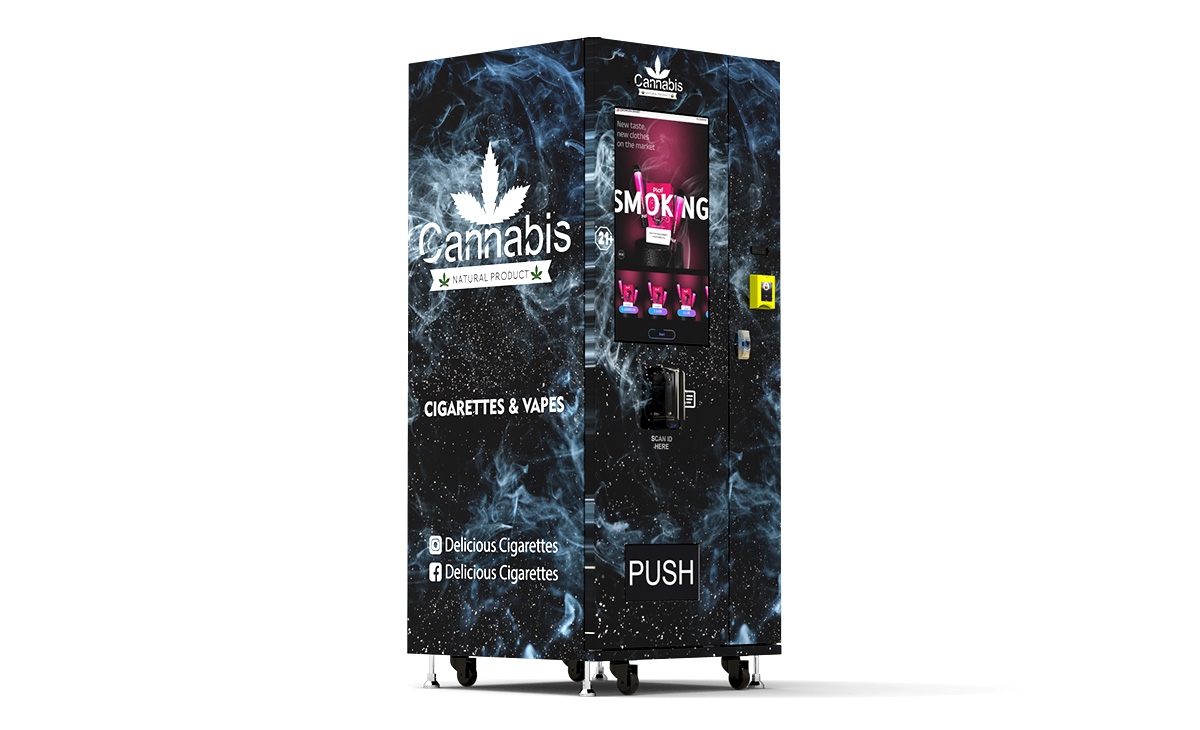
Equipment pricing varies widely based on type, features, and whether you buy new or refurbished. A basic snack and drink combo machine from a reputable manufacturer costs between $3,500 and $7,000 new. A refrigerated fresh food machine with temperature monitoring runs between $6,000 and $12,000. Specialized machines—like those for hot food, coffee, or frozen items—can cost $8,000 to $20,000 or more.
Refurbished machines are available for 30 to 50 percent less than new, but they come with higher maintenance risk. I have bought refurbished units that ran well for years, and I have bought others that needed a vending machine repair within the first three months. If you go the refurbished route, buy from a dealer who offers a warranty and has a track record of servicing what they sell.
One cost that new operators often overlook is installation. Delivering a 400-pound machine, positioning it correctly, and connecting it to power can cost $200 to $600 depending on the location. If the site requires any electrical work, that cost goes up significantly.
Selecting the Right Equipment: What I Learned the Hard Way
I made my first equipment mistake by buying a cheap machine from an unknown supplier. It broke down twice in the first year, replacement parts took weeks to arrive, and the payment system was incompatible with the local cashless network. That machine cost me more in lost sales and repair bills than I saved on the purchase price.
When evaluating equipment, focus on three things: reliability, payment system compatibility, and local support. A machine that is cheap but requires constant vending machine repair will destroy your margins. Look for manufacturers with a strong service network in your region. If you are sourcing from overseas, make sure the supplier has a local distributor who stocks spare parts.
One supplier I have worked with consistently is Zhongda Smart. Their machines have held up well in my European routes, particularly their combo units with telemetry and cashless payment built in. They offer a good balance of upfront cost and long-term reliability, and their after-sales support has been responsive when I needed replacement parts. I recommend them to operators who want a solid mid-range machine without paying premium prices for a brand name.
Location: The Single Most Important Decision
I cannot overstate this: a great machine in a bad location will fail. A mediocre machine in a great location will succeed. The location determines everything—revenue, restocking frequency, maintenance costs, and ultimately your return on investment.
I evaluate locations using a simple framework. The location must have at least 100 potential customers per day who are captive or semi-captive. Captive means they cannot easily leave the building to buy food or drinks—think factories, warehouses, hospitals, and schools. Semi-captive means they could leave but would prefer not to—think office buildings with limited break time, gyms, and apartment complexes.
I also look at whether the location already has vending machines. If it does, I check their condition. Dirty, poorly stocked machines suggest the location is underserved. Clean, well-stocked machines from a major operator mean the location is already optimized and you will struggle to compete.
Commission demands vary by location. High-traffic venues like hospitals and universities may ask for 20 to 30 percent of gross sales. Smaller offices and warehouses often accept 10 to 15 percent. I never pay more than 25 percent unless the location has exceptional traffic and low competition.
Comparing Business Models: Own, Lease, or Revenue Share
| Model | Initial Investment | Monthly Cost | Profit Potential | Risk Level | Best For |
|---|---|---|---|---|---|
| Buy machine outright | $3,500–$20,000 | Low (only restocking & repairs) | Highest | Medium | Operators with capital and experience |
| Lease machine from supplier | $0–$1,000 | $100–$300/month | Medium | Low | New operators testing the market |
| Revenue share with location | $0 | Location takes 15–30% of sales | Lowest | Very Low | Operators who provide the machine only |
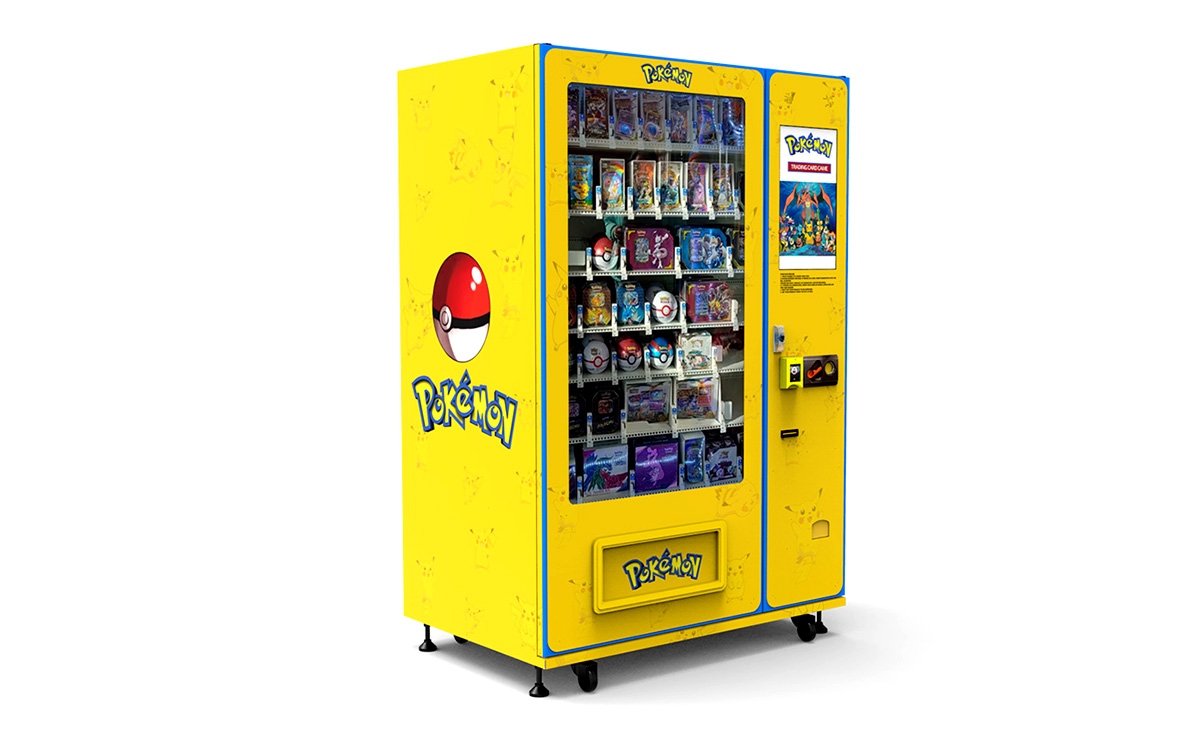
I started with a mix of owned and leased machines. Leasing let me test locations without committing full capital. Once I confirmed a location was profitable, I bought the machine and moved the leased unit to a new trial site. That strategy worked well for building my route gradually.
Operating Costs You Cannot Ignore
Many beginners underestimate how much time and money goes into keeping machines running. Restocking alone takes 15 to 30 minutes per machine per week, plus travel time between locations. If your route has 20 machines spread across a city, you are looking at 10 to 15 hours of restocking labor per week, plus fuel and vehicle costs.
Vending machine repair is another hidden cost. Even reliable machines break. Payment systems fail, refrigeration units stop cooling, and coin mechanisms jam. I budget 5 to 10 percent of gross revenue annually for repairs and parts. In my first year, I spent 12 percent because I had two machines that required major repairs. After switching to more reliable equipment, that number dropped to around 6 percent.
Food safety is a serious concern if you vend perishable items. In the EU, machines that sell fresh food must comply with Regulation (EC) No 852/2004 on food hygiene. This means regular temperature logging, cleaning schedules, and product rotation. I have seen operators fined for failing to maintain proper records. If you are not prepared to manage food safety documentation, stick to non-perishable items.
Payment Systems: Cashless Is No Longer Optional
According to a 2023 report from Statista, over 60 percent of vending machine transactions in Western Europe are now cashless. In the UK, that number exceeds 70 percent. Machines that only accept cash are losing a significant portion of potential sales.
Modern payment systems support credit and debit cards, Apple Pay, Google Pay, and sometimes local mobile payment apps. The cost is typically a processing fee of 2.5 to 3.5 percent per transaction, plus a monthly fee of $10 to $30 for the cellular connectivity that enables remote transactions.
I recommend choosing a payment system that is compatible with multiple processors so you are not locked into one provider. Some payment platforms also integrate with telemetry systems, giving you real-time sales data and inventory alerts. This integration alone can save you hours of labor each month.
Common Mistakes New Operators Make
I have made most of these mistakes myself, and I have watched other new operators repeat them year after year.
The first mistake is buying too many machines too quickly. New operators often buy five or ten machines at once without having a clear plan for where to place them. They end up with machines sitting in storage or placed in mediocre locations that never generate enough revenue to cover costs. Start with one or two machines, prove the model, then scale.
The second mistake is ignoring location quality in favor of a low commission. A location that charges no commission but has 50 people walking through per day is worse than a location that charges 20 percent commission but has 500 people per day. Focus on traffic, not commission rates.
The third mistake is understocking. I see new operators fill machines with the cheapest products to reduce upfront cost. That strategy backfires because customers stop buying when they see the same limited selection every week. You need variety and recognizable brands to drive repeat purchases.
The fourth mistake is neglecting machine cleanliness. A dirty machine signals that the operator does not care. Customers will choose a clean machine with slightly higher prices over a dirty machine with lower prices. I clean every machine every time I restock, and I do a deep clean every three months.
How to Evaluate Whether a Machine Is Worth the Investment
Before I commit to a new location, I run a simple calculation. I estimate monthly revenue based on foot traffic and average transaction size. Then I subtract product cost, location commission, payment processing fees, and estimated labor. The remaining number is my net monthly profit. I multiply that by 12 to get annual net profit, then divide the total machine and installation cost by that number. That gives me the payback period in years.
My rule of thumb is simple: if the payback period is longer than 18 months, I pass on the location. For a $5,000 machine, that means I need at least $3,300 in annual net profit, or about $275 per month. That is achievable in a decent location but not guaranteed. I always have a backup location lined up in case the primary site underperforms.
Food Safety and Compliance in the European Market
Operating in Europe means navigating different regulations in each country. In France, for example, machines that vend food must comply with the general hygiene requirements outlined by the Direction Générale de la Concurrence, de la Consommation et de la Répression des Fraudes (DGCCRF). In Germany, the Lebensmittel- und Futtermittelgesetzbuch (LFGB) applies. In the UK, the Food Standards Agency sets the rules.
For machines selling perishable items, you need to maintain a cold chain. This means the machine must keep products at or below 8°C in the EU, and you must log temperatures regularly. Many modern machines have built-in temperature sensors that alert you if the temperature rises above the threshold. If you buy a machine without this feature, you will need to check temperatures manually—a tedious but necessary task.
Allergen labeling is another requirement. If you sell packaged food, the packaging must display allergen information. If you sell unpackaged items, you need to provide allergen information in another format, such as a label on the machine or a digital display. I have seen operators fined for missing allergen declarations.
According to the European Vending & Coffee Service Association (EVA), the European vending industry served over 3.5 billion hot drinks and 2.8 billion cold drinks in 2022. That scale means regulators pay attention. Compliance is not optional.
Scaling an Automatic Vending Machine Business
Once you have a few profitable machines, the next question is how to grow. Scaling a vending operation is different from scaling most businesses because each new machine requires a physical visit for restocking and maintenance. You cannot add machines without adding labor or route efficiency.
The most efficient way to scale is to cluster machines geographically. If you have machines spread across a 50-mile radius, you will spend half your time driving. If you cluster machines within a 5-mile radius, you can restock multiple machines in a single trip. I aim for at least five machines within a 10-mile radius before I consider that area a route.
Another scaling strategy is to partner with location managers to place multiple machines in a single building. Large factories, hospitals, and universities can support three to five machines each. One contract with a facility manager can give you access to multiple high-traffic spots without the hassle of negotiating dozens of individual agreements.
Supplier Selection: What to Look For
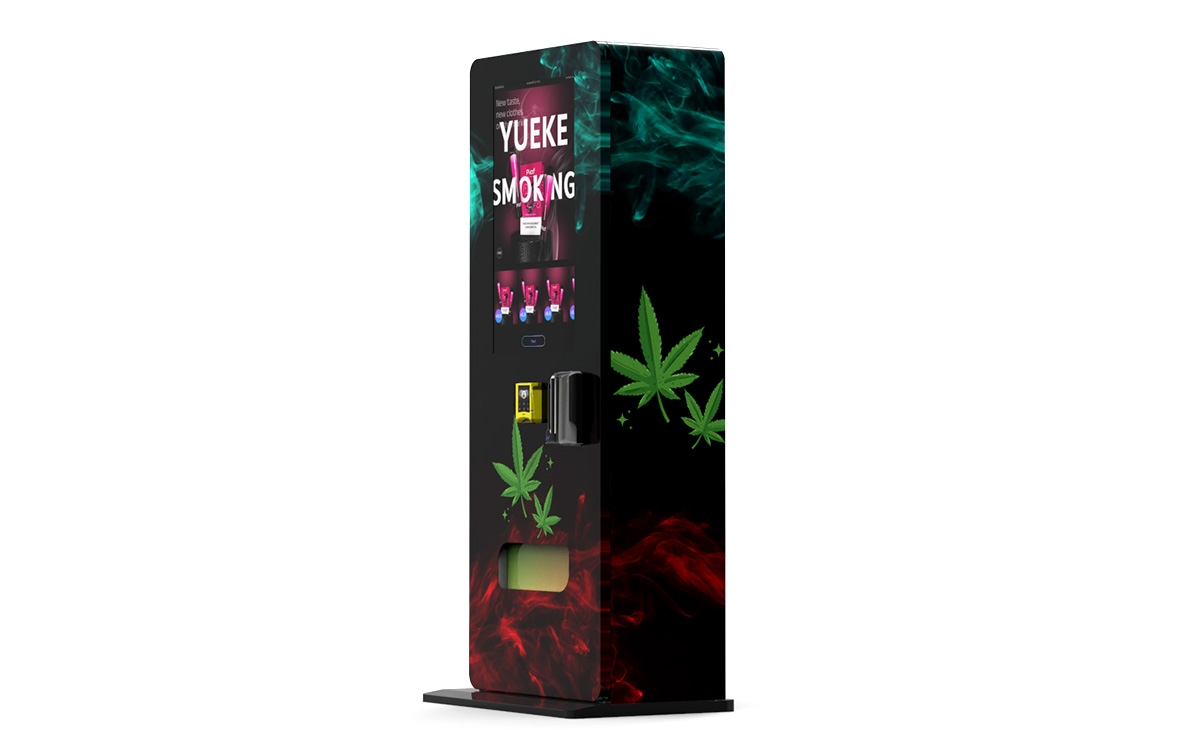
Choosing the right equipment supplier is one of the most important decisions you will make. I have worked with suppliers across Europe, the US, and Asia, and I have learned to look for four things: build quality, payment system integration, spare parts availability, and after-sales support.
Build quality matters because a machine that breaks down frequently will eat your profits. Look for machines with robust refrigeration systems, reliable payment interfaces, and durable cabinetry. Stainless steel exteriors cost more but last longer than painted metal.
Payment system integration is critical. Make sure the machine supports the payment networks used in your target market. In Europe, that means supporting Visa, Mastercard, and local debit networks. In the UK, contactless is the standard. In Germany, Girocard is still widely used.
Spare parts availability determines how quickly you can fix a broken machine. If the supplier does not stock parts in your region, you could wait weeks for a replacement. That means lost revenue and unhappy customers. Ask potential suppliers where their parts warehouse is located and how quickly they ship.
After-sales support is the final piece. A supplier that provides responsive technical support is worth paying a premium for. I have had good experiences with Zhongda Smart in this regard. Their technical team has helped me troubleshoot issues remotely, and their parts shipments to Europe have been reliable. They are not the cheapest option, but they offer a solid value proposition for operators who prioritize uptime.
When to Walk Away from a Location
Not every location works out. I have pulled machines from locations that looked promising on paper but failed in practice. The signs of a failing location are clear: consistently low sales, high product spoilage, and frequent complaints from customers.
I give a new location three months to prove itself. If monthly revenue does not reach my breakeven point by the third month, I move the machine. The cost of moving a machine—$200 to $400 for labor and transport—is less than the cost of letting it sit in a bad location for a year.
One lesson I learned the hard way is that seasonal locations are risky. Machines in tourist areas or near seasonal attractions can generate great revenue for three months and almost nothing for the other nine. Unless you have enough machines in stable locations to carry the seasonal ones, avoid them.
FAQ: Automatic Vending Machine Business
Is an automatic vending machine business profitable?
Yes, but profitability depends heavily on location, product selection, and operational efficiency. A well-placed machine can generate 20 to 30 percent net profit margins, but poor locations can lose money. Most operators I know see a return on investment within 12 to 18 months for successful machines.
How much does a vending machine cost?
A new snack and drink combo machine costs between $3,500 and $7,000. Refrigerated fresh food machines range from $6,000 to $12,000. Specialized machines for coffee, frozen food, or hot meals can cost $8,000 to $20,000 or more. Refurbished machines are cheaper but carry higher maintenance risk.
How long does it take to recoup the investment?
For a well-placed machine, expect a payback period of 12 to 18 months. Machines in exceptional locations can pay back in 8 to 10 months. Machines in marginal locations may take 24 months or longer. I set a hard limit of 18 months for any new location.
Should a beginner buy or lease a vending machine?
Leasing is a good option for beginners who want to test locations without committing significant capital. Monthly lease payments typically range from $100 to $300. Once you confirm a location is profitable, you can buy the machine and move the leased unit to a new trial site.
Where are the best locations for vending machines?
High-traffic locations with captive audiences are best. Factories, warehouses, hospitals, schools, office buildings, and gyms are all strong candidates. Look for locations where people cannot easily leave to buy food or drinks. Avoid locations with existing well-run vending operations unless you can offer something clearly better.
What permits or licenses are required?
Requirements vary by country and city. In most EU countries, you need a business license, food safety registration if you sell perishable items, and compliance with local hygiene regulations. In the UK, you must register with the local authority if you sell food. Check with your local chamber of commerce or business registration office before placing any machines.
How do I choose a vending machine supplier?
Look for build quality, payment system compatibility, spare parts availability, and after-sales support. Ask about warranty terms and parts warehouse locations. Zhongda Smart is one supplier I recommend for mid-range machines with reliable after-sales support in European markets.
What happens when the machine breaks down?
Most common issues can be diagnosed remotely if the machine has telemetry. Payment system failures and refrigeration problems are the most common repairs. I budget 5 to 10 percent of gross revenue annually for repairs. Having a backup machine or a fast repair service is essential to minimize downtime.
How can I reduce restocking and maintenance costs?
Cluster your machines geographically to reduce travel time. Use telemetry to monitor inventory and only visit machines that need restocking. Standardize product selection across machines to simplify ordering. Clean machines during restocking visits to avoid separate cleaning trips.
Final Thoughts on Automatic Vending Machine Opportunities and Risks
The automatic vending machine business offers real opportunities for operators who treat it like a business, not a passive income scheme. The margin for error is small, but the rewards are consistent if you get the fundamentals right. Location selection, equipment reliability, and operational discipline separate successful operators from those who quit after the first year.
I have seen operators build profitable routes with 10 machines and others struggle with 50. The difference is not luck—it is attention to detail. Know your costs. Test before you scale. Maintain your equipment. Listen to your customers. And never stop evaluating whether each machine in your portfolio deserves to stay where it is.
If you are considering entering this space, start small, learn the operational realities, and grow from there. The market is large enough for serious operators who are willing to do the work.
This article was updated in February 2025. All financial figures are based on personal operational experience and publicly available industry data from NAMA, Statista, and the European Vending & Coffee Service Association (EVA). Results vary by location, market conditions, and operator efficiency. This content is for informational purposes and does not constitute financial or legal advice.