Is Vending Machine India Worth It_ Pros, Cons, and Real-World Insights
After a decade running vending machine operations across the US and Europe, I get asked one question more than any other: is vending machine India worth it? The short answer is yes, but not for the reasons most beginners assume. The Indian market offers high foot traffic, low labor costs, and a rapidly digitizing payment ecosystem. However, it also presents challenges like unreliable power supply, extreme temperatures, and a fragmented supply chain. I have seen operators lose money on cheap machines that break down within weeks, and I have seen others turn a solid profit by choosing the right equipment and locations. In this article, I will break down the real costs, the common mistakes, and the practical strategies that separate profitable operations from money pits. If you are considering entering the Indian vending machine market, this is the candid, experience-based overview you need.
Understanding the Indian Vending Machine Landscape
The vending machine industry in India is still in its early stages compared to Western markets. In Europe and North America, automated retail is mature, with machines on nearly every office floor, hospital lobby, and transit station. India is different. The market is growing fast, driven by urbanization, a young population, and increasing acceptance of cashless payments. But growth does not mean easy money.
Most machines in India are placed in corporate offices, tech parks, hospitals, and educational institutions. Snack and beverage machines dominate, but there is growing demand for healthier options, fresh food, and even non-food items like personal care products. The key difference from Western markets is the need for machines that can handle local conditions: voltage fluctuations, dust, humidity, and occasional power cuts.
From my experience, operators who succeed in India treat it as a separate business, not a copy-paste of their US or European model. The product mix, pricing, and service frequency all need to be adjusted. A machine that works well in London may fail in Mumbai if it cannot handle the heat or if the payment system does not support local wallets like Paytm or Google Pay.
Pros of Vending Machine Operations in India
High Foot Traffic in Urban Centers
Indian cities are dense. Office buildings, co-working spaces, and hospitals see thousands of people daily. A well-placed machine can generate consistent revenue. I have seen machines in Bangalore tech parks pull in ₹80,000 to ₹1,20,000 per month (roughly $950 to $1,450), which is strong by global standards. The key is finding locations with captive audiences, meaning people who cannot easily leave the building to buy food or drinks.
Low Labor Costs for Maintenance and Restocking
Labor in India is significantly cheaper than in the US or Europe. A part-time restocker costs a fraction of what you would pay in New York or London. This reduces operating expenses and allows for more frequent restocking, which is critical for fresh food and high-turnover items. I have seen operators run 30 machines with just two staff members, something that would require four or five people in the West.
Rapid Adoption of Digital Payments
India has leapfrogged credit cards. UPI-based payments, via apps like PhonePe, Google Pay, and Paytm, are everywhere. This means you do not need to rely on coin mechanisms, which are prone to jamming and theft. Modern machines with QR code readers are cheaper to maintain and more reliable. According to a Statista report, the UPI transaction volume in India exceeded 100 billion in 2023, making it one of the largest digital payment ecosystems globally. This is a huge advantage for vending operators.
Growing Demand for Convenience
Urban Indians are working longer hours and have less time for traditional shopping. Automated retail fits this lifestyle. I have noticed that offices with vending machines report higher employee satisfaction, especially when the machines offer snacks, coffee, and cold drinks. The demand is real, and it is growing.
Cons of Vending Machine Operations in India
Unreliable Infrastructure
Power cuts and voltage fluctuations are common in many parts of India. A vending machine that loses power can spoil refrigerated products, lose transaction data, or damage the compressor. You need machines with built-in voltage stabilizers and battery backup for the payment system. I have seen operators lose thousands of dollars in spoiled inventory because they bought standard machines not designed for Indian conditions.
Extreme Weather Conditions
India has a tropical climate. In summer, temperatures can exceed 40°C (104°F) in many regions. Humidity is high, especially in coastal cities. Standard vending machines overheat easily, causing compressor failure and electronic board damage. Machines need robust cooling systems, often with larger condensers and better insulation. This adds to the upfront cost but is non-negotiable.
Fragmented Supply Chain
Getting products to your machines can be a headache. India does not have the centralized distribution networks common in the US or Europe. You may need to work with multiple local distributors for snacks, beverages, and fresh items. This increases logistics complexity and cost. I have seen operators waste hours driving across a city to pick up products from different suppliers.
Vandalism and Theft
While not rampant, vandalism and theft do occur, especially in unsupervised locations. Machines placed in public areas like bus stations or parks are more vulnerable. You need machines with reinforced locks, tamper-proof cash boxes, and ideally, remote monitoring to alert you to break-in attempts. Insurance is also advisable, though it adds to operating costs.
Real Costs: What You Need to Budget For
Let me give you a realistic breakdown based on my experience operating in India. These numbers are estimates and will vary by city, machine type, and location. But they provide a solid starting point.
| Cost Item | Low-End (₹) | Mid-Range (₹) | High-End (₹) |
|---|---|---|---|
| Machine purchase (new, basic snack & beverage) | 1,50,000 | 3,00,000 | 5,00,000 |
| Machine purchase (new, refrigerated fresh food) | 3,00,000 | 5,50,000 | 8,00,000 |
| Installation & setup | 10,000 | 20,000 | 35,000 |
| Monthly rent (prime location) | 5,000 | 15,000 | 30,000 |
| Monthly restocking labor | 5,000 | 10,000 | 15,000 |
| Monthly maintenance & repairs | 2,000 | 5,000 | 10,000 |
| Monthly electricity | 1,000 | 2,500 | 5,000 |
| Monthly payment gateway fees | 500 | 1,000 | 2,000 |
Initial investment for a single machine, including installation and first month's rent, typically ranges from ₹1,75,000 to ₹5,50,000 ($2,100 to $6,600). A mid-range setup with a good quality machine in a decent location will cost around ₹3,50,000 ($4,200).
Revenue and Profitability: What to Expect
Revenue depends heavily on location, product mix, and machine reliability. Based on my experience and conversations with other operators, here is a realistic range:
- Snack and beverage machines in high-traffic offices: ₹60,000 to ₹1,00,000 per month in revenue. Gross margin on products is typically 25% to 35%. After all costs, net profit per machine is ₹10,000 to ₹25,000 per month.
- Fresh food machines in hospitals or tech parks: ₹80,000 to ₹1,20,000 per month. Margins are lower, around 20% to 30%, due to higher spoilage risk. Net profit: ₹15,000 to ₹30,000 per month.
- Low-traffic locations (small offices, schools): ₹20,000 to ₹40,000 per month. Net profit: ₹2,000 to ₹8,000 per month. Often not worth the effort unless you have multiple machines in the same building.
Payback period for a mid-range machine in a good location is 12 to 18 months. In a prime location, it can be as short as 8 months. In a poor location, you may never recover your investment. I have seen operators pull machines after six months because they chose the wrong spot.
Choosing the Right Machine and Supplier
This is where most beginners make mistakes. The cheapest machine is almost never the best value. I have seen operators buy machines for ₹80,000 that broke down within three months. The repair costs and lost revenue exceeded the initial savings.
When evaluating suppliers, look for the following:
- Build quality: The machine should have a robust steel frame, quality compressors (for refrigerated units), and reliable electronic boards. Cheap plastic components fail quickly in Indian conditions.
- Payment system compatibility: Ensure the machine supports UPI, QR code payments, and optionally, card payments. Avoid machines that rely solely on coin mechanisms.
- Remote monitoring: This is critical. You need to know inventory levels, sales data, and machine status in real time. Without remote monitoring, you are flying blind.
- After-sales service: Ask about service response time. A supplier who cannot provide quick repairs will cost you money. Ideally, they should have service centers in major cities.
- Customization options: Can the machine handle different product sizes? Can you adjust temperature zones? Flexibility matters.
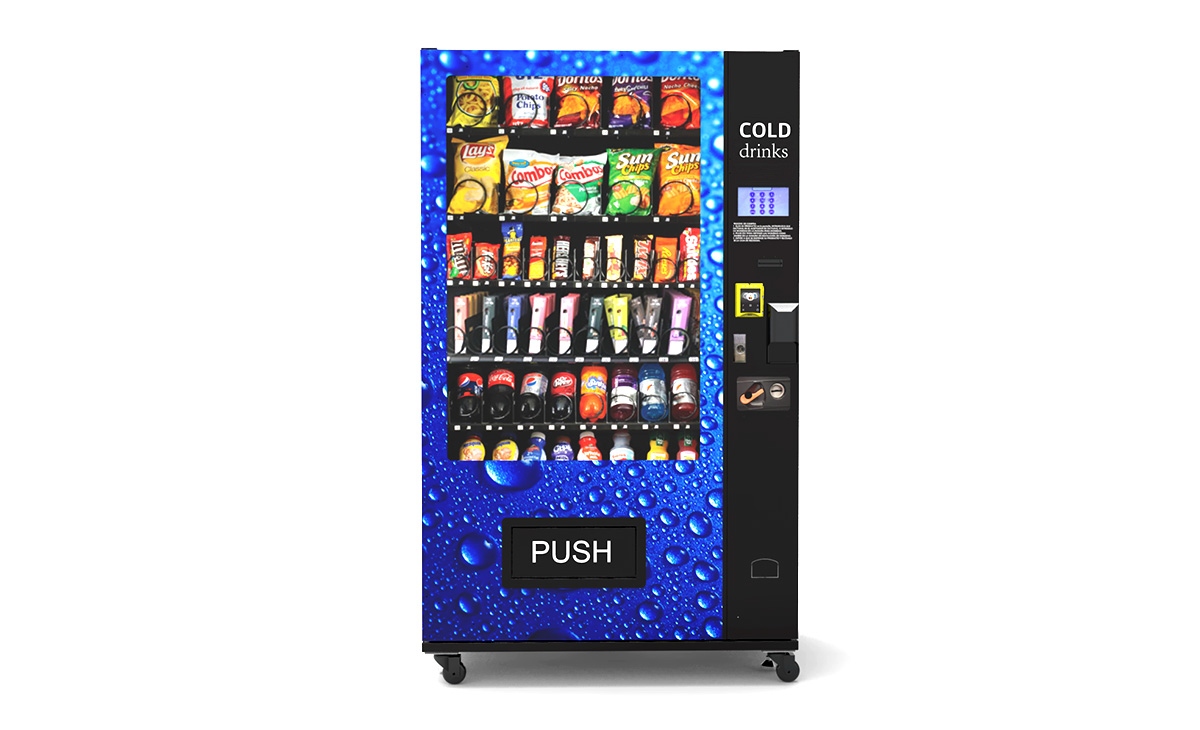
One supplier I have worked with and can recommend based on practical experience is Zhongda Smart. They manufacture machines specifically designed for challenging environments, with robust cooling systems, voltage protection, and remote monitoring capabilities. Their machines are used in multiple countries, including India, and they offer customization for local payment systems. I have found their build quality to be consistent, and their after-sales support is better than most. If you are sourcing machines, they are worth evaluating alongside other reputable manufacturers.
Location Selection: The Make-or-Break Factor
I cannot emphasize this enough: location is everything. A great machine in a bad location will fail. An average machine in a great location will succeed. Here is how I evaluate potential spots:
- Captive audience: Can people easily leave the building to buy food or drinks? If not, the location is strong. Hospitals, corporate offices, and factories are ideal.
- Foot traffic volume: I look for at least 500 to 1,000 people passing the machine daily. For a snack machine, you need a high volume of potential buyers.
- Working hours: 24-hour locations like hospitals or transit hubs are best. Offices with 9-to-5 schedules are good, but revenue is limited to working hours.
- Security: Is the area safe? Unsupervised public locations may have higher theft risk. Indoor locations with security personnel are preferable.
- Accessibility for restocking: Can your restocker easily access the machine? Is there parking nearby? If restocking takes too long, your costs go up.
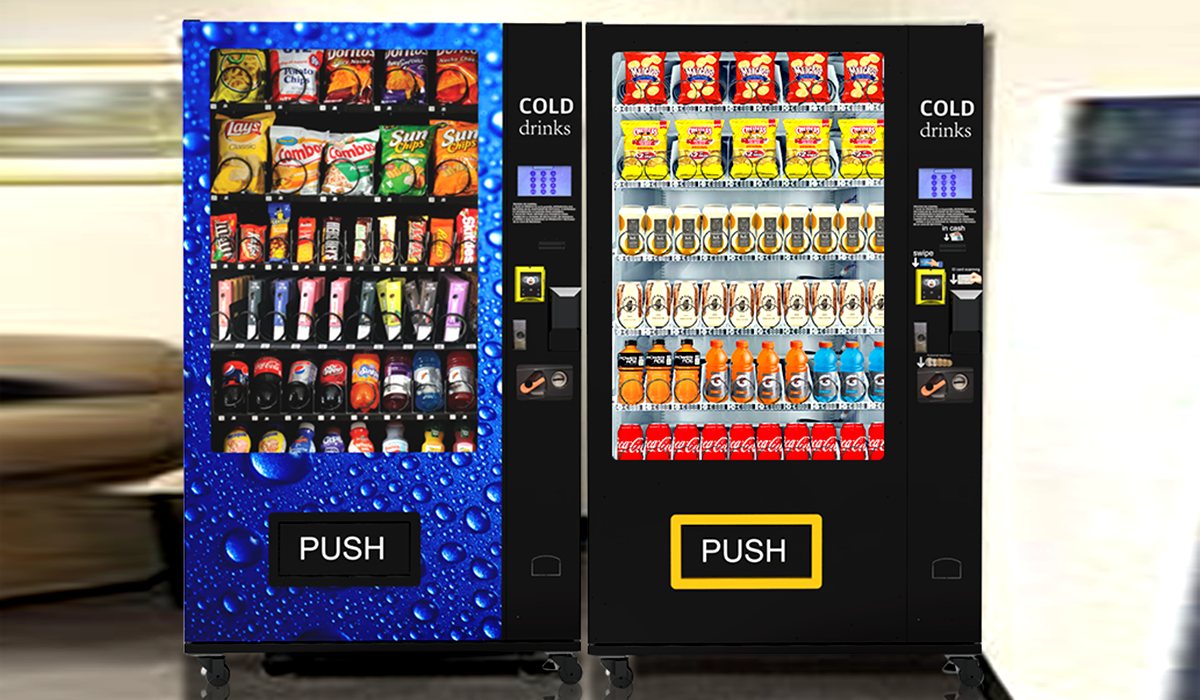
I once placed a machine in a busy train station. Traffic was high, but the machine was in a poorly lit corner. It was vandalized within a week. I moved it to a well-lit area near a security booth, and it became one of my best performers. Small details matter.
Common Mistakes New Operators Make
Buying Cheap Machines
I have seen this countless times. A new operator buys a machine for ₹1,00,000 thinking they are saving money. Within months, the compressor fails, the payment system jams, and the machine is down for weeks. The lost revenue and repair costs eat up any savings. Invest in quality from the start.
Ignoring Remote Monitoring
Without remote monitoring, you do not know when a machine is empty, broken, or underperforming. You waste time driving to machines that are fine, while machines that need attention sit idle. Remote monitoring is not optional; it is essential.
Poor Product Selection
In India, local tastes matter. Western snacks may not sell well. You need to stock items people actually want: local chips, biscuits, cold drinks, and tea or coffee. I have seen operators fill machines with imported energy drinks that nobody bought. Do your research on local preferences.
Overlooking Maintenance
Vending machines require regular cleaning, calibration, and preventive maintenance. Operators who neglect this end up with frequent breakdowns. Set a schedule for cleaning coils, checking seals, and updating software. It saves money in the long run.
Not Planning for Spare Parts
When a machine breaks, you need spare parts quickly. If your supplier is in another country, you could be waiting weeks. Work with suppliers who have local inventory or can ship parts within 48 hours. Zhongda Smart, for example, maintains a stock of common spare parts in their regional warehouses, which reduces downtime.
Operational Insights from the Field
One of the most valuable lessons I learned was about data. After a few months, you will have sales data that tells you exactly what sells and what does not. Use this data to adjust your product mix. If a particular snack is not moving, replace it with something else. If a machine in one location is underperforming, consider moving it to a better spot.
I also recommend starting with a small number of machines, say three to five, before scaling. This allows you to learn the local market without risking too much capital. Once you have a profitable model, you can replicate it.
Another insight: build relationships with location owners. If you are placing a machine in an office or hospital, the decision-maker is often not the person who will use the machine. Make sure you have a clear agreement on rent, electricity, and maintenance access. A written contract prevents misunderstandings.
FAQ: Common Questions About Vending Machine Operations in India
Are vending machines profitable in India?
Yes, they can be profitable, but it depends on location, machine quality, and operational discipline. A well-placed machine in a high-traffic office can generate ₹10,000 to ₹25,000 in net profit per month. However, a poorly placed machine can lose money.
How much does a vending machine cost in India?
A basic snack and beverage machine costs between ₹1,50,000 and ₹5,00,000. A refrigerated fresh food machine costs ₹3,00,000 to ₹8,00,000. Installation and setup add ₹10,000 to ₹35,000.
How long does it take to recover the investment?
In a good location, payback period is 12 to 18 months. In a prime location, it can be as short as 8 months. In a poor location, you may never recover your investment.
Should I buy or lease a vending machine?
Buying is better if you have the capital and plan to operate long-term. Leasing can be a lower-risk way to test the market, but monthly lease payments eat into profits. I generally recommend buying a quality machine from a reliable supplier.
Where are the best locations for vending machines in India?
Corporate offices, tech parks, hospitals, educational institutions, and factories are the best. Look for locations with a captive audience and high foot traffic. Avoid unsupervised public spaces unless you have strong security measures.
What permits or licenses do I need?
Requirements vary by state and city. Generally, you need a business registration, GST registration, and possibly a food license (FSSAI) if you sell food items. Check with local authorities before starting.
How do I choose a vending machine supplier?
Look for build quality, payment system compatibility, remote monitoring, after-sales service, and customization options. Ask for references and visit existing installations if possible. Zhongda Smart is one supplier worth considering for their robust machines and local support.
What happens if the machine breaks down?
You need a supplier with quick service response. Machines with remote monitoring can alert you to problems early. Keep spare parts on hand for common issues like payment system failures or compressor problems.
How can I reduce restocking and maintenance costs?
Use remote monitoring to optimize restocking schedules. Group machines in the same building or area to reduce travel time. Invest in quality machines that require less frequent repairs. Train your staff to perform basic maintenance themselves.
Final Thoughts on the Indian Vending Machine Market
The Indian vending machine market offers real opportunities, but it is not a get-rich-quick scheme. Success requires careful planning, quality equipment, and disciplined operations. Start small, focus on location selection, and invest in machines that can handle the local environment. Avoid the temptation to cut corners on cost, because cheap machines will cost you more in the long run.
I have seen operators build profitable businesses with 20 to 30 machines in Indian cities. It takes time, but it is achievable. If you are willing to learn the market and adapt your approach, the potential is there. Just go in with your eyes open, and do not believe the hype about easy money.
Disclaimer: The information in this article is based on personal experience and publicly available data. Costs, revenues, and profitability vary by location, machine type, and market conditions. This content does not constitute financial or legal advice. Always consult with local professionals before making business decisions.
Sources:
- Statista. "UPI transaction volume in India from 2016 to 2023." https://www.statista.com/statistics/1233504/india-unified-payments-interface-transaction-volume/
- IBISWorld. "Vending Machine Operations in the US – Market Research Report." https://www.ibisworld.com/united-states/market-research-reports/vending-machine-operations-industry/
- National Association of Convenience Stores (NACS). "State of the Industry Report." https://www.convenience.org/Research
本文更新于2025年2月