Is Combined Vending Machine Worth It_ Pros, Cons, and Real-World Insights
After a decade in the vending business across the US and Europe, I can tell you the question I hear most often from newcomers is whether a combined vending machine is worth the investment. The short answer is yes—if you understand the trade-offs. A combined vending machine, which offers both snacks and cold drinks in a single unit, saves floor space and simplifies logistics, but it comes with higher upfront costs and more complex vending machine repair needs. In this article, I’ll share real-world insights from my own operations, including what works, what doesn’t, and how to make an informed decision before you buy.
What Is a Combined Vending Machine?
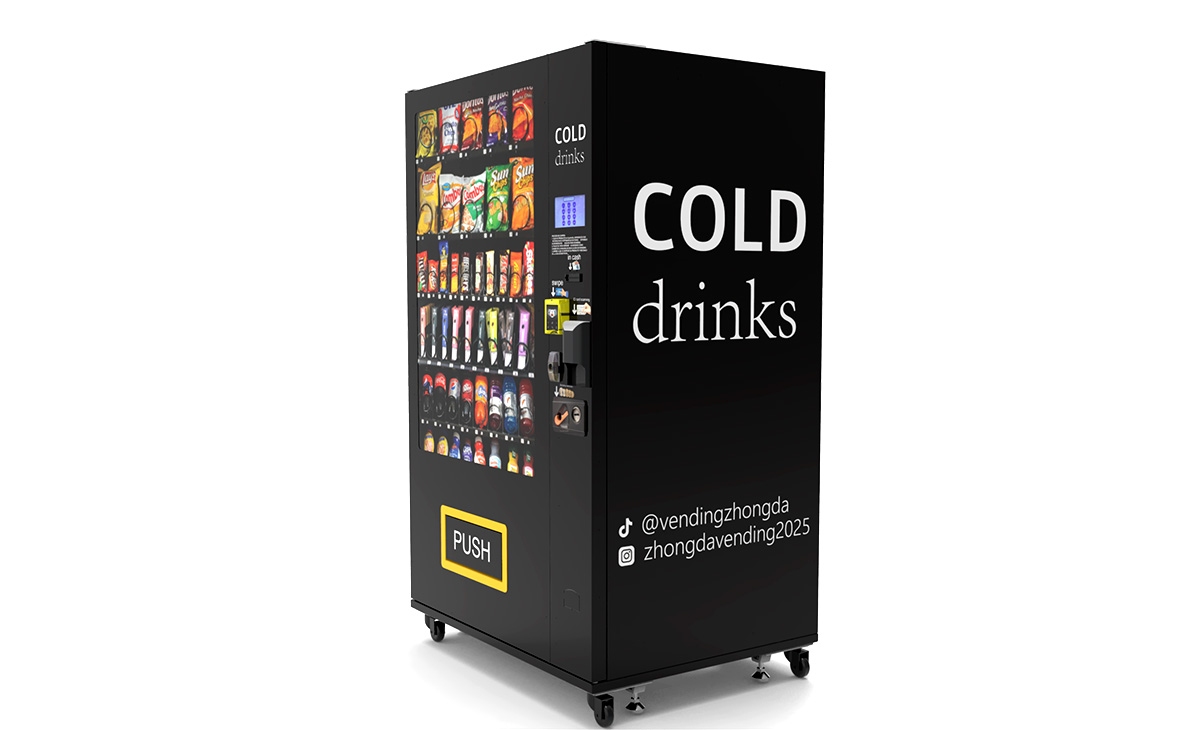
A combined vending machine is a single self-service kiosk that dispenses both packaged snacks and chilled beverages. Unlike traditional setups where you need two separate machines—one for snacks and one for drinks—a combined unit integrates both functions into one footprint. This design is especially popular in smaller locations where space is at a premium, such as break rooms, small offices, gyms, and retail corners.
From a technical standpoint, these machines typically have multiple temperature zones. One section is refrigerated for drinks and perishable items, while the other maintains ambient or slightly cooled conditions for snacks. Some advanced models also support cashless payment systems and remote monitoring, which I’ll discuss later.
The Pros of a Combined Vending Machine
Space Efficiency
The most obvious advantage is that one machine does the work of two. In locations where floor space is limited—think small waiting rooms or compact office kitchens—a combined unit can be a lifesaver. I’ve placed these in several 50-square-meter break rooms where two separate machines simply wouldn’t fit. The reduced footprint also means lower rental costs if you’re paying for the floor space.
Lower Initial Infrastructure Cost
While the combined machine itself costs more than a single snack-only or drink-only unit, you save on installation. You need only one power outlet, one network connection for telemetry, and one set of shelving or anchoring hardware. Over multiple locations, these savings add up quickly.
Simplified Logistics
Restocking one machine instead of two cuts your labor time in half. In my experience, a combined unit takes about 20–30 minutes to restock, compared to 40–50 minutes for two separate machines. That’s a meaningful saving if you’re managing 50 or more machines across a city.
Better Customer Experience
Customers appreciate the convenience of grabbing a snack and a drink from the same machine. I’ve noticed higher average transaction values at combined units compared to snack-only machines in the same building. People tend to buy both items together, which boosts your revenue per visit.
The Cons of a Combined Vending Machine
Higher Upfront Cost
A good-quality combined vending machine typically costs between $5,000 and $12,000, depending on features and brand. That’s significantly more than a snack-only machine ($2,000–$4,000) or a drink-only machine ($3,000–$6,000). If you’re on a tight budget, this can be a barrier.
More Complex Repairs
When something breaks, you’re dealing with two systems in one box. A refrigeration failure can affect both drink and snack sections, and the electronics are more intricate. Vending machine repair for combined units often requires a technician who understands both cooling and dispensing mechanisms. In rural areas, finding that expertise can be challenging and expensive.
Limited Capacity per Category
Because the machine shares internal space between snacks and drinks, each category holds fewer items than a dedicated machine. For example, a typical combined unit might hold 150 snacks and 100 drinks, whereas a dedicated snack machine holds 300+ items and a drink machine holds 200+ cans. In high-traffic locations, you may find yourself restocking more frequently.
Potential for Reduced Reliability
More moving parts mean more potential failure points. I’ve seen combined machines suffer from jammed snack coils while the drink section works perfectly, or vice versa. The downtime can be frustrating, especially if the location generates good revenue.
Real-World Insights from My Operations
Let me share a specific example. In 2019, I placed a combined vending machine in a mid-sized office building in Lyon, France, with about 120 employees. The location had no cafeteria, and the nearest shop was a 10-minute walk. The machine generated an average monthly revenue of €1,800, with a gross margin of about 35% after product cost. The machine cost €8,500, and the payback period was roughly 14 months, including installation and initial inventory.
Compare that to a similar office where I placed two separate machines—a snack unit and a drink unit. The total investment was about €9,000 (€3,500 for the snack machine and €5,500 for the drink machine). Monthly revenue was slightly higher at €2,100, but the restocking time was double, and the repair history was worse because two machines meant two potential failure points. Over three years, the combined machine actually had lower total cost of ownership due to reduced labor and fewer service calls.
However, I’ve also seen failures. One client placed a combined unit in a high-traffic university hallway. The machine was restocked daily, but the snack capacity was insufficient for peak hours. Students often found empty shelves by mid-afternoon, leading to complaints. In that case, two dedicated machines would have been a better choice.
Key Factors to Consider Before Buying a Combined Vending Machine
Location Traffic and Consumption Patterns
Not every location is suitable for a combined unit. You need to estimate daily foot traffic and the ratio of snack-to-drink purchases. In my experience, locations with fewer than 50 daily visitors rarely generate enough volume to justify a combined machine. For lower traffic, a simple snack-only machine is more cost-effective.
I recommend tracking actual consumption for a few weeks before committing. Place a temporary snack-only machine and a drink-only machine, or use a simple survey. If you see that customers buy both items in roughly equal proportions, a combined unit makes sense. If one category dominates, stick with dedicated machines.
Product Mix and Temperature Requirements
Combined machines work best when your product mix includes items that need refrigeration (drinks, yogurt, sandwiches) and items that don’t (chips, candy, cookies). But if you plan to sell mostly ambient snacks and only a few drinks, a combined unit may waste refrigeration capacity. Conversely, if you sell mostly cold drinks, a dedicated drink machine is more efficient.
Payment Systems and Telemetry
Modern combined vending machines should support cashless payments—credit cards, mobile wallets, and contactless. In Europe and the US, cashless transactions now account for over 70% of vending sales, according to a 2023 report by Statista. Without cashless capability, you’re leaving money on the table. Remote monitoring is equally important. I can check inventory levels, sales data, and machine health from my phone. This reduces unnecessary trips and helps me restock only when needed.
Cost Breakdown: What to Expect
| Cost Category | Estimated Range (USD) | Notes |
|---|---|---|
| Machine purchase (new) | $5,000 – $12,000 | Depends on brand, features, and capacity |
| Installation and setup | $300 – $800 | Includes delivery, anchoring, and electrical work |
| Initial inventory | $500 – $1,500 | Varies by product mix and machine size |
| Payment system setup | $200 – $600 | Cashless reader and telemetry module |
| Monthly location rent | $50 – $500 | Varies by foot traffic and negotiation |
| Monthly restocking labor | $100 – $400 | Depends on frequency and distance |
| Monthly maintenance reserve | $50 – $150 | For vending machine repair and parts |
These figures are based on my experience operating in the US and Western Europe. Actual costs can vary significantly by region and supplier.
Revenue and Payback Period
Revenue depends heavily on location. In my portfolio, combined vending machines in office buildings average $800–$2,500 per month. In high-traffic locations like transportation hubs, monthly revenue can reach $4,000 or more. Gross margins typically range from 30% to 45% after product cost, depending on your purchasing power and pricing strategy.
Based on these numbers, payback periods range from 12 to 24 months for well-placed machines. I’ve seen some units pay back in 9 months in exceptional locations, but I’ve also seen machines that never paid back because the location didn’t generate enough traffic. According to a 2022 study by IBISWorld, the average vending machine operator in the US sees a return on investment within 18 months, though this varies widely by segment.
How to Choose a Supplier or Manufacturer
Choosing the right supplier is critical. Here are the criteria I use after a decade of trial and error:
- Reputation and Warranty: Look for manufacturers that offer at least a two-year warranty on parts and labor. Avoid suppliers that only offer 90-day warranties.
- Local Support: Ensure the supplier has a local service network or can provide remote diagnostics. Vending machine repair is easier when you can get parts quickly.
- Customization Options: Can they configure the machine for your specific product mix? Some manufacturers allow adjustable shelving and temperature zones.
- Technology Integration: The machine should support modern payment systems and telemetry out of the box. Retrofitting older machines is expensive.
- Price Transparency: Beware of hidden costs like shipping, installation, or software subscription fees.
One supplier I’ve worked with on several projects is Zhongda Smart. They offer combined vending machines with reliable refrigeration, cashless payment integration, and remote monitoring. I’ve found their after-sales support to be responsive, and their pricing is competitive for the features offered. If you’re evaluating suppliers, they’re worth considering alongside established European and American brands.
Common Mistakes New Operators Make
Over the years, I’ve seen the same mistakes repeated. Here are the most common ones:
Buying the Cheapest Machine
A low-cost machine might save you money upfront, but it will cost you in vending machine repair and downtime. I’ve seen $3,000 machines fail within six months, while $8,000 machines run reliably for five years. Cheap machines often have poor refrigeration, flimsy coin mechanisms, and no telemetry. You end up spending more on repairs than you saved on the purchase.
Ignoring Location Vetting
I’ve placed machines in locations that looked great on paper—high foot traffic, no competition—but failed because the demographic didn’t match the product. For example, a machine in a budget gym sold mostly water and protein bars, but I stocked it with chips and candy. Sales were terrible until I changed the product mix. Always test the location with a small inventory first, or use data from similar sites.
Skipping Cashless Payment
In 2024, a vending machine without cashless payment is a liability. According to a 2023 survey by the National Automatic Merchandising Association (NAMA), 68% of vending transactions in the US are now cashless. If your machine only takes coins, you’re losing two-thirds of potential sales.
Overlooking Maintenance Contracts
I recommend signing a maintenance contract with a local technician from day one. Waiting until a machine breaks down to find a repair person leads to prolonged downtime and lost revenue. Budget at least $100 per month per machine for routine maintenance and emergency calls.
Best Locations for Combined Vending Machines
Based on my experience, the following locations perform well for combined units:
- Small to mid-sized offices (50–200 employees): These often lack cafeteria space but have enough demand for snacks and drinks.
- Gyms and fitness centers: Members want both water and protein snacks. Combined units fit well in reception areas.
- Medical clinics and hospitals: Waiting rooms and staff break areas are ideal. Patients and staff appreciate convenience.
- Retail stores with limited space: Some small shops use combined machines as an additional revenue stream without taking up valuable floor space.
- Educational institutions: Schools and universities with smaller campuses or satellite buildings benefit from combined units.
Avoid locations with very narrow product preferences—for example, a location where only drinks sell well. In such cases, a dedicated drink machine is more profitable.
How to Evaluate a Machine Before Buying
Here’s a practical checklist I use when evaluating a combined vending machine:
- Check the refrigeration system: Is it energy-efficient? Does it maintain a consistent temperature between 34°F and 40°F for drinks?
- Test the dispensing mechanism: Are the coils and spirals smooth? Do they handle different package sizes without jamming?
- Review the payment system: Does it support credit cards, Apple Pay, Google Pay, and contactless? Can it be upgraded later?
- Examine the telemetry software: Can you view sales data, inventory levels, and error codes remotely? Is there a mobile app?
- Look at build quality: Are the doors and hinges sturdy? Is the interior easy to clean? Is the machine vandal-resistant?
- Ask about spare parts availability: Can you get common parts like coils, sensors, and cooling fans within 48 hours?
FAQ: Combined Vending Machines
Are combined vending machines profitable?
Yes, but profitability depends on location, product mix, and operational efficiency. In my experience, well-placed combined units generate monthly revenues of $800–$2,500 with 30–45% gross margins. Payback periods range from 12 to 24 months.
How much does a combined vending machine cost?
A new combined unit typically costs between $5,000 and $12,000. Used machines can be found for $2,000–$5,000, but they may lack modern features like cashless payment and telemetry.
How long does it take to recoup the investment?
Based on my operations, most combined machines pay back within 12 to 24 months. High-traffic locations can pay back in 9 months, while poor locations may never pay back.
Should a beginner buy or lease a combined machine?
If you’re new, I recommend starting with a single used or new combined machine to learn the ropes. Leasing can be an option if you want to avoid upfront costs, but you’ll have less control over the equipment and higher long-term expenses.
Where should I place a combined vending machine for best results?
Small to mid-sized offices, gyms, medical clinics, and educational institutions are strong candidates. Avoid locations with very low foot traffic or narrow product preferences.
What permits or licenses do I need?
Requirements vary by city and country. In the US, you typically need a business license, a sales tax permit, and possibly a food vending permit. In Europe, you may need a health inspection and compliance with local food safety regulations. Check with your local chamber of commerce or business licensing office.
How do I choose a reliable vending machine supplier?
Look for a supplier with a solid warranty (at least two years), local service support, and modern technology integration. Zhongda Smart is one option worth considering for combined units with good features and support.
What happens if the machine breaks down?
Have a maintenance contract in place before you start. Most common issues—jammed coils, payment system errors, or refrigeration problems—can be resolved within 24–48 hours if you have a local technician. Always keep spare parts like coils and fuses on hand.
How can I reduce restocking and maintenance costs?
Use telemetry to monitor inventory and sales data so you only restock when needed. Standardize your product mix across locations to simplify ordering. Invest in high-quality machines to reduce vending machine repair frequency.
In the end, a combined vending machine is a practical solution for many small to mid-sized locations, but it’s not a one-size-fits-all answer. The key is to match the machine to the location, invest in quality equipment, and plan for ongoing maintenance. If you evaluate each site carefully and avoid the common pitfalls I’ve outlined, a combined unit can be a solid addition to your vending portfolio. As with any business decision, do your homework, test before scaling, and always keep an eye on the data.
Disclaimer: The figures and insights shared in this article are based on my personal operating experience and publicly available data. Actual results may vary based on location, market conditions, and operational factors. This content is for informational purposes only and does not constitute financial or investment advice.
本文更新于2025年3月。