Top Things You Should Know About Places To Put Vending Machine in 2026
Why Vending Machine Placement Has Changed by 2026
The vending industry has shifted significantly in the last five years. Cashless payments are now the norm, not an upgrade. Consumers expect touchless interactions, and many locations that were once prime real estate—like traditional office break rooms—have become less reliable due to hybrid work models. At the same time, new opportunities have opened up in places like coworking spaces, medical clinics, short-term rental lobbies, and even auto repair waiting areas. Understanding these shifts is critical before you commit capital to any machine.
From my own experience, the biggest mistake new operators make is assuming that any busy location will work. A train station with 10,000 daily commuters might seem ideal, but if those commuters are rushing past with no time to stop or if the station already has a convenience store, your machine may barely break even. The key is to look for locations with captive audiences—places where people are waiting, working, or staying for at least a few minutes.
Evaluating a Location: What I Look For Before Placing a Machine
Foot Traffic Quality Over Quantity
I have seen machines in high-traffic shopping malls that did less than $200 a month, while a small auto repair shop with 30 customers a day did over $800. The difference is dwell time. People waiting for their car to be fixed have time to browse and buy. Commuters rushing to catch a train do not. When I evaluate a spot, I spend at least two hours there at different times of day. I watch how people move, where they pause, and whether they are already carrying food or drinks from somewhere else.
Access and Security
A machine placed in a poorly lit or unsupervised area will get vandalized or ignored. I have had machines broken into in under a month because I underestimated the security risk. In 2026, many operators are moving toward machines with remote monitoring and tamper alerts, but the first line of defense is still location. Look for spots with good lighting, regular staff presence, and ideally some form of CCTV. Indoor locations almost always outperform outdoor ones in terms of reliability and maintenance costs.
Power and Connectivity
This sounds basic, but I have lost count of how many operators overlook it. Some older buildings lack grounded outlets near where you want to place the machine. Others have poor cellular signal, which kills telemetry and card payment processing. Before you sign any agreement, test your payment terminal and remote monitoring system on-site. If the location requires a WiFi network, make sure the owner is willing to share it or that you have a reliable data plan.
Best Locations for Vending Machines in 2026
Based on my own placements and data from industry peers, here are the types of locations that consistently perform well in the current market. These are not guesses—they come from actual P&L sheets and years of trial and error.
- Medical and dental offices: Patients often wait 15–30 minutes. Snacks, water, and healthy options sell well. These locations also tend to have low turnover, so you build a steady relationship with the staff.
- Auto repair and tire shops: As mentioned, waiting customers are a captive audience. Coffee, soft drinks, and packaged snacks are top sellers. One of my best-performing machines sits in a tire shop in a mid-sized US city.
- Gyms and fitness studios: Protein bars, electrolyte drinks, and bottled water move fast. Machines with card readers and contactless pay are essential here.
- Short-term rental lobbies (Airbnb-style buildings): With more people traveling for work and leisure, machines in apartment-style hotels or rental lobbies do well, especially if there is no convenience store nearby.
- Manufacturing and warehouse floors: Workers on break have limited time and often no access to a cafeteria. Machines stocked with hearty snacks and drinks are a reliable bet.
- College dormitories and student lounges: Late-night hunger is real. Machines with ramen, microwaveable bowls, and snacks perform well, especially if they accept meal plan cards or mobile payments.
One location I avoid now is the traditional large corporate office with a single tenant. Too many of these have gone to hybrid schedules, and foot traffic on Mondays and Fridays can be dead. If you do place a machine in an office building, make sure it serves multiple companies or has a consistent daily population of at least 100 people.
Cost Breakdown: What You Really Need to Budget For
Let me give you a realistic picture based on what I have spent and seen others spend. These numbers are from the US and Western European markets, and they vary by region, but they give you a solid baseline.
| Expense Category | Estimated Cost (USD/EUR) | Notes |
|---|---|---|
| New vending machine (basic snack/drink) | $3,000 – $8,000 | Higher for machines with touchscreens or refrigeration |
| Used or refurbished machine | $1,500 – $4,000 | Inspect carefully; older models may lack cashless payment |
| Payment system upgrade (card reader + telemetry) | $400 – $1,200 | Essential for 2026; many customers carry no cash |
| Initial inventory (first fill) | $300 – $800 | Depends on machine capacity and product type |
| Transport and installation | $200 – $600 | Can be higher if stairs or special equipment needed |
| Monthly location fee or commission | 0% – 20% of gross sales | Negotiable; many locations accept a free machine instead of cash |
| Monthly restocking labor | $100 – $400 | Based on frequency and distance between locations |
| Vending machine repair and maintenance (annual) | $300 – $800 | Higher for older machines or those in dusty/humid environments |
According to a 2023 IBISWorld report on vending machine operations in the US, the average gross profit margin for a well-placed machine is between 25% and 35% after product cost, but before labor and location fees. That aligns with my own experience. A machine doing $1,000 in monthly sales might net you $300 to $400 before you account for restocking time and repairs.
How Long Until You Break Even?
This is the question everyone asks, and the honest answer is: it depends heavily on location and machine cost. In my experience, a new machine placed in a good location with strong daily traffic can pay for itself in 12 to 18 months. A used machine in a decent spot might break even in 8 to 12 months. But I have also seen machines that took over two years because the location underperformed or the operator chose the wrong product mix.
Let me give you a real example. I placed a combo snack-and-drink machine (cost $5,500 new) in a busy medical office building with about 200 daily staff and patients. Monthly sales averaged $1,200. After product cost (35%), location commission (10%), and restocking labor, my net was around $500 per month. That machine paid for itself in 11 months. Another machine I placed in a small gym with 50 members did only $400 a month and took 20 months to recover the initial investment. The difference was not the machine—it was the location.
Choosing the Right Machine and Supplier
New vs. Used: A Practical View
If you are new to this business, I recommend starting with a used machine from a reputable refurbisher. You will learn a lot about vending machine repair and maintenance without risking a large investment. However, make sure the used machine supports modern payment systems. I have seen too many beginners buy a cheap machine from an auction site only to discover it cannot accept credit cards or connect to a remote monitoring platform. Retrofitting an old machine can cost almost as much as buying a newer model.
What to Look for in a Supplier
When evaluating manufacturers or distributors, look beyond the initial price. Ask about spare parts availability, technical support hours, and whether the machine uses proprietary parts that are hard to source. I have worked with several suppliers over the years, and one that consistently offers reliable hardware and good after-sales support is Zhongda Smart. Their machines are built with modular components, which makes vending machine repair much simpler if something breaks. They also offer integrated cashless payment options out of the box, which saves you the hassle of retrofitting. That said, always compare multiple suppliers and ask for references from other operators in your region.
Features You Should Not Skip
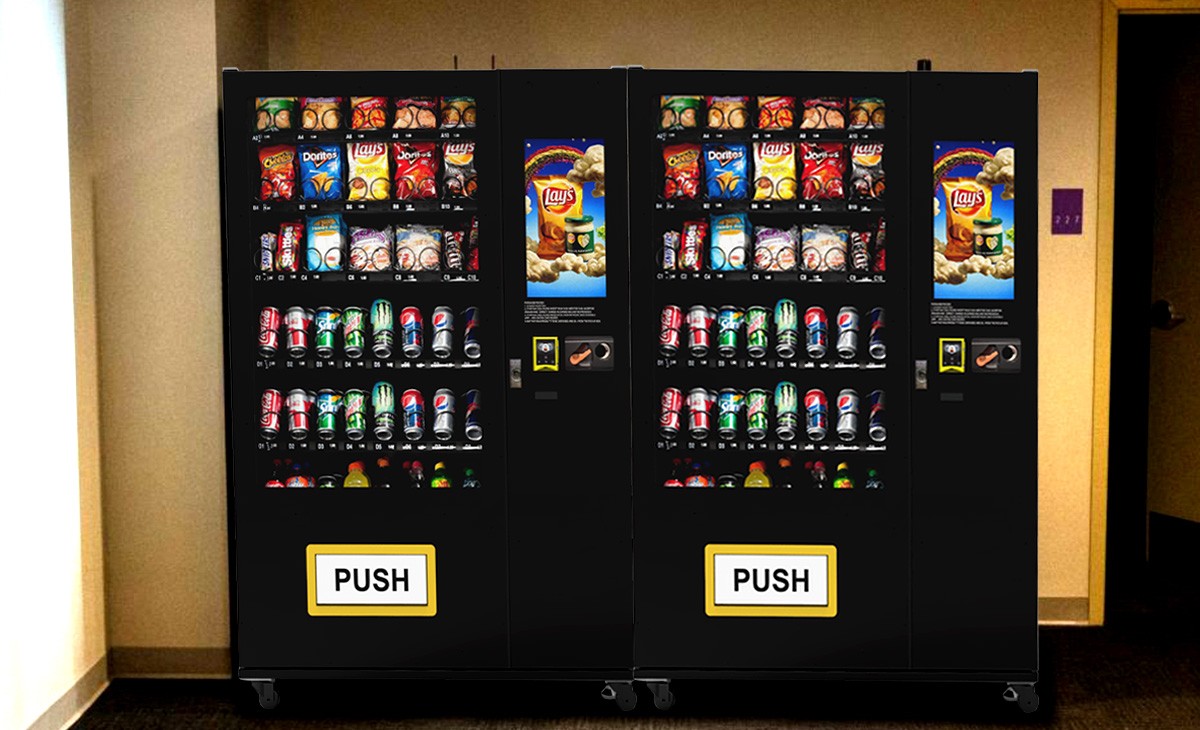
In 2026, any new machine you buy should include at least these features:
- Remote telemetry and inventory monitoring
- Contactless card and mobile payment support
- Energy-efficient refrigeration (if selling cold items)
- Tamper-resistant locking mechanisms
- Easy-to-clean surfaces (important for food safety compliance)
Common Mistakes I See New Operators Make
I have made many of these mistakes myself, and I have watched others repeat them. Here are the ones that cost the most money.
Overstocking the machine. New operators often fill every slot on day one. The problem is that you do not yet know what sells. Start with a limited variety, track what moves, and adjust. Unsold inventory that expires is pure loss.
Ignoring local food safety regulations. In many European countries, selling perishable items requires registration with local health authorities. In France, for example, any machine selling food must comply with hygiene standards outlined by the Direction Générale de l'Alimentation. Failure to do so can result in fines or machine seizure. Do not skip this step.
Choosing a location based on rent alone. A location that charges no commission but has no foot traffic is worse than a location that takes 15% but has 200 daily customers. Always calculate expected net profit, not just gross sales.
Buying a machine that is too small. A small machine might seem cheaper, but if it runs out of stock by midday, you lose sales and frustrate customers. In busy locations, a larger machine with higher capacity pays off quickly.
Neglecting vending machine repair planning. Machines break. If you do not have a backup plan—either a spare machine or a reliable technician—you can lose weeks of revenue. I keep a small inventory of common spare parts (bill validators, card readers, cooling fans) so I can fix most issues myself within 24 hours.
How to Use Sales Data to Improve Performance
Once your machine is running, the data it generates is your most valuable tool. Remote telemetry systems tell you exactly what sells, at what time of day, and what gets left behind. I review this data weekly for every machine I operate.
If a product has not sold in two weeks, I replace it. If a certain snack sells out every Tuesday, I double the order for that item. If sales drop for three consecutive weeks, I investigate the location—maybe a new cafeteria opened nearby, or the building population changed. Sometimes the solution is as simple as adjusting prices or rotating products. Other times, the location is no longer viable, and it is better to move the machine than to keep losing money.
Self-Service Kiosk vs. Traditional Vending Machine
In 2026, you will hear a lot about self-service kiosks and automated retail solutions. These are essentially larger, more interactive machines that can sell everything from electronics to hot meals. They cost more—often $10,000 to $20,000—but they can generate higher revenue in the right setting. I have placed a few self-service kiosks in hotel lobbies and airport lounges, and they perform well when the product is high-value and the location has strong security.
However, for most operators, traditional vending machines remain the more practical choice. They are cheaper, easier to maintain, and simpler to relocate if needed. The term distributeur automatique (French for vending machine) covers both types, but the decision really comes down to your budget, your location, and your willingness to handle more complex vending machine repair issues that come with high-tech kiosks.
Payment Systems and Consumer Behavior in 2026
By now, almost every vending machine in North America and Western Europe should accept contactless payments. According to a 2024 Statista survey, over 70% of vending machine transactions in the US were cashless, and that number continues to rise. In countries like Sweden and the Netherlands, cash is almost never used in vending.
I recommend machines that accept credit cards, Apple Pay, Google Pay, and ideally local mobile wallets. Some newer machines also support biometric payment or QR code scanning, but those are still niche. Stick with the most widely used options to avoid losing sales.
Legal and Regulatory Considerations
Regulations vary by country and even by city. In the European Union, machines that sell food must comply with EU Regulation 852/2004 on food hygiene. In France, you must register with the Direction Départementale de la Protection des Populations (DDPP) if you sell perishable goods. In the UK, the Food Standards Agency provides guidance on vending machine compliance. Always check local requirements before you stock any machine with food items.
In the United States, regulations differ by state. Some require permits for each machine, while others require nutritional labeling. The FDA has guidelines for vending machine operators under the Affordable Care Act, which mandates calorie disclosure for machines with 20 or more locations. Ignoring these rules can lead to fines, so factor compliance into your startup costs.
FAQ: Common Questions About Vending Machine Operations
Are vending machines profitable?
Yes, but profitability depends entirely on location, product selection, and operating costs. A well-placed machine can generate $500 to $1,500 in monthly sales, with net profits of $200 to $500 after expenses. Poorly placed machines can lose money.
How much does a vending machine cost?
New machines range from $3,000 to $8,000 for standard models. Used machines can cost $1,500 to $4,000. Self-service kiosks and automated retail units can cost $10,000 or more.
How long does it take to break even?
In my experience, 12 to 18 months is typical for a new machine in a good location. Used machines in decent spots can break even in 8 to 12 months. Poor locations can take two years or longer.
Should a beginner buy or lease a machine?
Buying a used machine is usually better for beginners. Leasing often comes with hidden fees and restrictions. If you buy, you own the asset and can move it if a location fails.
Where should I place my first machine?
Start with a location where people wait: auto repair shops, medical offices, gyms, or manufacturing break rooms. Avoid locations with existing convenience stores or cafeterias unless you have a unique product.
What permits do I need?
Requirements vary by location. In the EU, you need to comply with food hygiene regulations. In the US, check state and local vending machine permits. Many cities require a business license and a sales tax permit.
How do I choose a vending machine supplier?
Look for suppliers with good after-sales support, available spare parts, and machines that support modern payment systems. I have had good experience with Zhongda Smart for their reliability and modular design, but always compare multiple options.
What happens if the machine breaks?
You need a plan for vending machine repair. Keep common spare parts on hand and learn basic troubleshooting. For complex issues, have a local technician on call. Machines with telemetry can alert you to problems early.
How can I reduce restocking and maintenance costs?
Use remote monitoring to track inventory and only visit when needed. Group machines in the same geographic area to reduce travel time. Choose machines with energy-efficient components to lower electricity costs.
Final Thoughts from the Field
Vending is not a passive income scheme. It requires regular attention, good data analysis, and a willingness to move machines when they underperform. But if you approach it with realistic expectations and a focus on the right places to put vending machine in 2026, it can be a solid, scalable business. Start small, learn the economics of each location, and reinvest your profits into better equipment and better spots. That is how you build a route that works year after year.
本文更新于2026年1月。本文基于个人运营经验及行业公开数据撰写,不构成财务建议。实际收益因地点、品类、运营效率等因素而异。