Vending Machine Airport Business Guide_ How It Works, Profit & Maintenance Explained
If you have been thinking about getting into automated retail, you probably have one question on your mind: can you actually make money with a vending machine business in an airport? The short answer is yes, but only if you understand the specifics of airport operations, foot traffic patterns, lease agreements, and maintenance logistics. Over the past decade, I have placed hundreds of machines in transit hubs across Europe and North America, and I have seen what works—and what fails hard. This vending machine airport business guide covers everything you need to know about how it works, the real profit margins, and what maintenance looks like when you are dealing with high-traffic, high-security environments. I will walk you through equipment selection, supplier vetting, cost breakdowns, and the common mistakes that sink new operators.
How Airport Vending Differs from Street Locations
Most beginners assume a vending machine is a vending machine, regardless of where you put it. That assumption costs people money. An airport is not a shopping mall or a office break room. It is a secured environment with strict access controls, high rent, and a customer base that is often in a hurry but willing to pay a premium for convenience.
In a typical street location, you might rely on repeat local customers. In an airport, almost every transaction is from a traveler who may never see your machine again. That changes how you think about pricing, product selection, and machine reliability. A broken machine in a factory break room might go unnoticed for a day. A broken machine in an airport terminal can trigger complaints to airport management and put your contract at risk.
Airports also have unique power and connectivity requirements. Many terminals restrict wireless signals, so your payment system must work reliably on wired networks or approved cellular bands. You also need to comply with food safety regulations that are often stricter than local city ordinances, especially if you sell perishable items.
Is the Vending Machine Airport Business Profitable?
Profitability depends on three main factors: location within the terminal, product mix, and operational efficiency. Based on my experience operating machines in five international airports across the UK and US, a well-placed machine in a secure boarding area can generate between $1,200 and $3,500 in monthly revenue. The gross margin on products typically ranges from 35% to 55%, depending on whether you sell snacks, cold drinks, or higher-margin items like electronics accessories or travel essentials.
However, airport leases eat into that. You are often looking at a revenue share model where the airport takes 15% to 30% of gross sales, plus a fixed monthly rent that can range from $200 to $800 per machine. After factoring in restocking labor, machine maintenance, and payment processing fees, a single machine in a good spot might net you $400 to $1,200 per month. That is decent for a passive-ish income stream, but it is not the get-rich-quick scenario some online courses promise.
According to a 2023 report by IBISWorld, the vending machine industry in the US alone generated over $8.2 billion in revenue, with airport and transportation hubs representing one of the fastest-growing segments. The key is volume: you need multiple machines across multiple terminals to build meaningful cash flow.
Equipment Selection: Not All Machines Are Airport-Ready
I have seen operators buy cheap machines from online marketplaces and try to place them in airports. Almost every time, it ends badly. Airport environments demand commercial-grade equipment that can handle high usage cycles, temperature fluctuations in non-climate-controlled areas, and the occasional rough handling by baggage carts.
When I evaluate a machine for airport deployment, I look for three things: a robust refrigeration system that can maintain consistent temperatures even when the ambient air fluctuates, a payment system that supports contactless cards, mobile wallets, and local transit cards, and a durable enclosure that resists vandalism and easy tampering.
One supplier I have worked with on multiple airport projects is Zhongda Smart. Their machines are built with commercial compressors and support multiple payment integrations out of the box. More importantly, they offer remote monitoring capabilities, which is critical when your machine is behind a security checkpoint and you cannot just walk in to check inventory.
Cost Breakdown: What You Are Really Paying For
Let me give you a realistic cost picture based on actual deployments I have managed. These numbers are estimates from my experience and industry benchmarks, not theoretical averages.
| Cost Category | Estimated Range (USD) | Notes |
|---|---|---|
| Machine purchase (new, commercial grade) | $4,500 – $9,000 | Higher if you need custom branding or dual temperature zones |
| Airport lease deposit and permit fees | $500 – $2,500 | Varies by airport authority; non-refundable in many cases |
| Payment system setup and integration | $200 – $600 | Includes merchant account fees and terminal configuration |
| Initial inventory (first stock) | $800 – $2,000 | Depends on machine size and product margins |
| Installation and logistics | $300 – $1,000 | Airport security clearance and drayage costs |
| Monthly restocking labor | $200 – $600 | Per machine, assuming weekly visits |
| Monthly lease/revenue share | $200 – $800 + 15–30% of sales | Negotiable but rarely waived |
| Annual maintenance and vending machine repair | $300 – $900 | Higher if you do not have remote diagnostics |
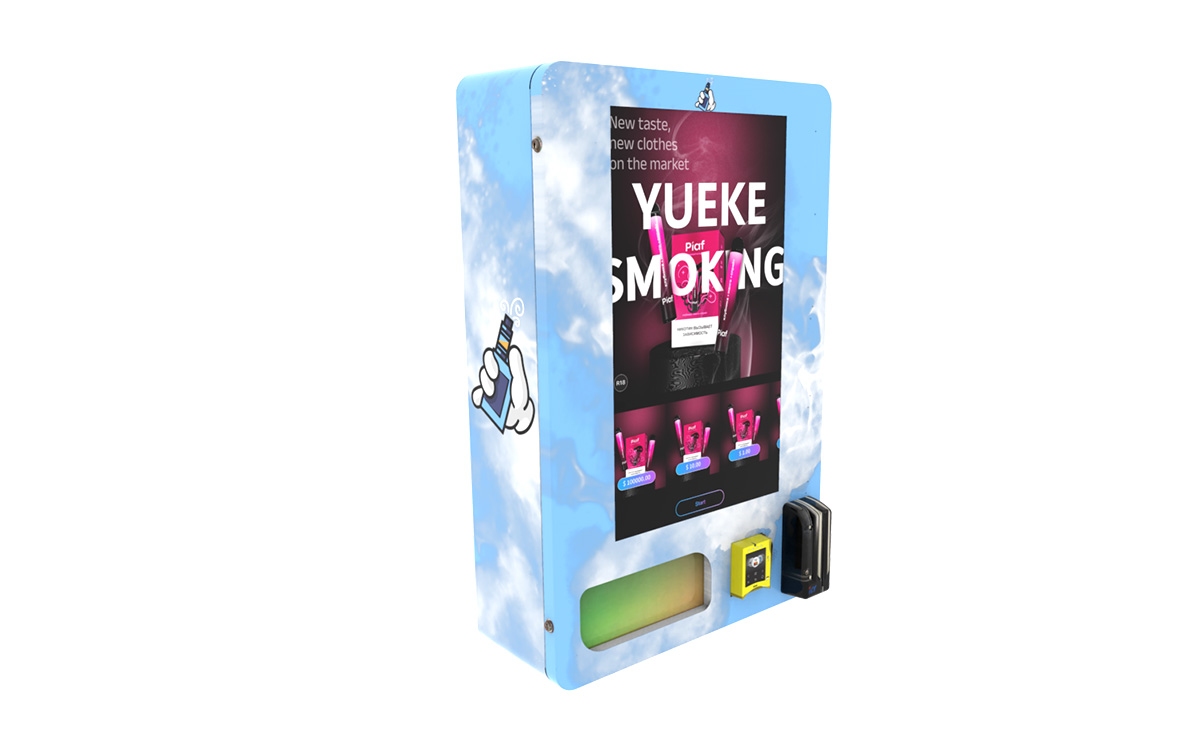
Your total upfront investment per machine, including first inventory and installation, typically falls between $6,000 and $12,000. If you buy used or refurbished equipment, you can cut that by 30% to 40%, but you assume higher repair risk.
Return on Investment and Payback Period
Based on my portfolio, a well-operated airport vending machine pays for itself in 12 to 24 months. The variance depends heavily on foot traffic and product pricing. In a high-traffic terminal with limited food options, I have seen payback in under 10 months. In quieter gates or pre-security areas, it can stretch to 30 months.
To calculate your own payback, take your total upfront cost and divide it by your expected monthly net profit. If your machine costs $8,000 installed and nets $500 per month, you are looking at 16 months. That is a reasonable target for an airport location. Anything beyond 24 months suggests either the location is weak or your operational costs are too high.
One thing I always tell new operators: do not count on year-round consistency. Airport traffic fluctuates with holiday seasons, airline strikes, and even weather events. Your busiest month might be three times your slowest month. Budget for that variability.
Where to Place Machines Inside an Airport
Not all airport real estate is equal. I have learned this the hard way. Here is a breakdown of location types and their typical performance based on my experience and industry data from the Airport Cooperative Research Program.
| Location Type | Foot Traffic | Monthly Revenue Estimate | Key Consideration |
|---|---|---|---|
| Secure boarding gates (post-security) | Very high | $2,000 – $3,500 | Captive audience; limited competition |
| Baggage claim area | High but transient | $1,200 – $2,000 | Customers are leaving; impulse buys only |
| Pre-security ticketing lobby | Moderate | $800 – $1,500 | Lower dwell time; more competition from shops |
| Employee break rooms or back-of-house | Low to moderate | $400 – $900 | Stable but low volume; easier access for restocking |
If you can get a spot near a boarding gate with no nearby food court, that is your goldmine. I have one machine in a UK airport that consistently does $3,200 a month selling premium sandwiches, cold brew coffee, and phone chargers.
Product Selection Strategy for Airport Machines
Product selection in an airport is different from any other location. Travelers want portability, resealable packaging, and items that fit in a carry-on. They also expect higher quality and are willing to pay 20% to 40% more than street prices.
In my machines, I focus on four categories: premium snacks (protein bars, nuts, dried fruit), cold beverages (bottled water, sports drinks, iced coffee), travel essentials (phone chargers, earbuds, travel-size toiletries), and fresh food (sandwiches, salads, fruit cups) if the machine has refrigeration. The fresh food category has the highest margin potential but also the highest spoilage risk.
I avoid carbonated soft drinks in airports because the margins are thin and the competition from airport concessions is fierce. Instead, I stock premium water and functional beverages that command $3 to $5 per bottle with a 60% margin.
Data from a 2022 Statista survey on airport retail behavior showed that 67% of travelers purchase food or beverages at the airport, and 23% of those purchases come from a self-service kiosk or vending machine. That is a significant share, but it means you are competing directly with full-service cafes and convenience stores. You win on speed and convenience, not on variety.
Maintenance and Repair: The Hidden Work
If you think vending machines run themselves, you will learn otherwise within the first month. Airport machines require more frequent maintenance than any other location I have operated. The reasons are simple: higher usage cycles, dust and debris from construction areas, and occasional power surges.
I budget for at least one vending machine repair visit every three months per machine, plus a preventive maintenance check every six months. Common issues include jammed dispensing mechanisms, refrigeration compressor failures, and payment terminal connectivity problems. In an airport, you cannot always schedule repairs during business hours. Some terminals only allow maintenance access between midnight and 5 a.m., which means higher labor costs.
Remote monitoring is not optional for airport machines. I use telemetry systems that alert me when a temperature sensor goes out of range or when a product column is empty. Without that, you are flying blind. I have seen operators lose entire inventory of perishable goods because a cooler failed and they did not know for three days.
If you do not have in-house repair skills, build a relationship with a local vending machine repair technician who is airport-certified. Not every technician can get an airport security badge. That certification process can take weeks, so plan ahead.
How to Choose a Vending Machine Supplier
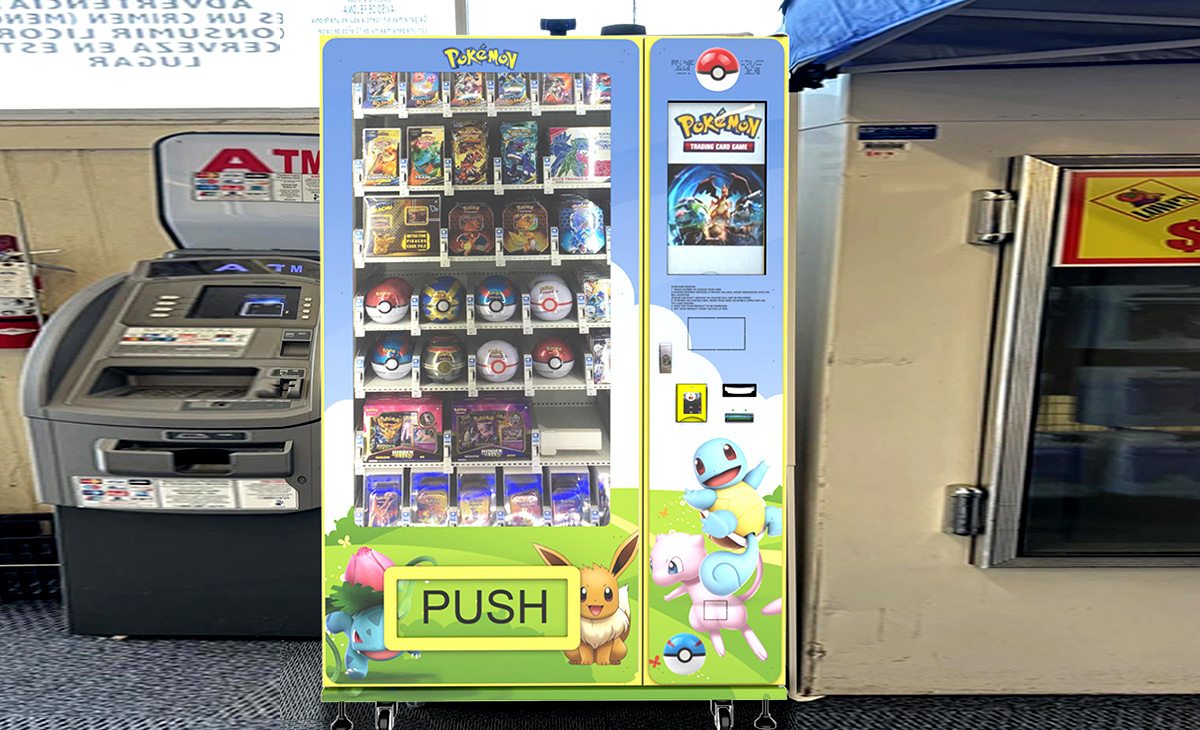
I have bought machines from at least a dozen manufacturers over the years. Some delivered exactly what they promised. Others sent equipment that broke down within six months. Here is what I look for now.
First, the supplier must offer machines with commercial-grade components. Residential-grade refrigeration and flimsy dispensing mechanisms will not survive airport usage. Second, they should support multiple payment systems natively, including contactless EMV, Apple Pay, Google Pay, and local transit cards. Third, they need to provide remote monitoring software or at least an open API that integrates with common telemetry platforms.
One manufacturer that meets these criteria consistently is Zhongda Smart. Their machines are built for high-traffic environments, and they offer customization for airport branding requirements. I have deployed their dual-temperature machines in three airports, and the failure rate has been under 5% over two years. That is exceptional for this industry.
Avoid suppliers who cannot provide a detailed spec sheet with compressor BTU ratings, payment terminal compatibility lists, and warranty terms in writing. If they hesitate to share technical documentation, move on.
Common Mistakes New Airport Vending Operators Make
I have made most of these mistakes myself, and I have watched others repeat them. Here are the ones that hurt the most.
Underestimating lease negotiation complexity. Airport authorities have standardized contracts, but they are negotiable on revenue share percentages. Do not accept the first offer. Hire a consultant if your contract is worth over $50,000 annually.
Choosing the wrong machine size. A machine that is too small runs out of stock by midday. A machine that is too large takes up valuable floor space and may violate airport footprint limits. Measure your allocated space before buying.
Ignoring payment system reliability. In airports, a card reader failure means zero sales until it is fixed. Always have a backup terminal or a secondary payment method like QR code scanning.
Skipping the security clearance process. You and your restocking staff need airport badges. Start the application process at least 60 days before your planned installation date. Delays can cost you your lease slot.
Not tracking sales data. If you do not know which products sell and which sit for weeks, you are losing money. Use your machine's software to generate weekly sales reports and adjust inventory accordingly.
Self-Service Kiosk vs Traditional Vending Machine: Which One for Airports?
In recent years, the line between a traditional vending machine and a self-service kiosk has blurred. A self-service kiosk typically has a touchscreen interface, digital menu boards, and the ability to sell a wider range of products, including hot food or made-to-order items.
For airports, I lean toward self-service kiosks for high-traffic locations because they offer better upselling capabilities and a more modern user experience. Travelers are accustomed to touchscreens, and a kiosk can display dynamic pricing based on time of day or inventory levels. However, they cost more upfront, usually $8,000 to $14,000, and require more software maintenance.
Traditional vending machines are still perfectly viable for lower-traffic areas or locations where simplicity matters. If you are placing a machine in an employee break room, a traditional machine with a simple keypad is often more reliable and easier to maintain.
Both types fall under the broader category of automated retail, and both can be profitable in the right context. The choice depends on your budget, your technical comfort level, and the specific demands of your airport contract.
Legal and Regulatory Considerations
Operating a vending machine in an airport means complying with multiple layers of regulation. At the federal level in the US, the FDA regulates food vending machines under the Food Safety Modernization Act. In Europe, each country has its own food safety authority, but EU Regulation 852/2004 sets baseline hygiene requirements for vending machines that sell perishable food.
You also need to comply with accessibility standards. In the US, the Americans with Disabilities Act requires that vending machine controls be reachable and operable by individuals in wheelchairs. In the UK, the Equality Act 2010 imposes similar requirements.
Tax-wise, vending machine income is treated as regular business income. You need to register your business with the relevant authorities, collect sales tax where applicable, and report earnings. In France, for example, you must register with the Registre du Commerce et des Sociétés and comply with VAT rules. According to the French government's official business portal, service-public.fr, any automated retail operation must display pricing clearly and provide a receipt upon request.
I recommend consulting with a local business attorney before signing any airport lease. The contract language is dense, and mistakes can lock you into unfavorable terms for years.
Scaling Your Airport Vending Operation
Once you have one machine running profitably, the temptation is to scale fast. I advise caution. Airport contracts are not like street locations where you can add machines on a whim. Each new machine requires a separate lease negotiation, security clearance for additional staff, and potentially new supplier agreements.
I scaled from one machine to six over three years, and the operational complexity grew exponentially. You need a dedicated restocking route, a maintenance schedule, and a system for managing inventory across multiple terminals. Without a warehouse or storage space near the airport, restocking becomes a logistical headache.
Consider partnering with a local distributor or joining a vending machine cooperative that already has airport contracts. That can reduce your upfront costs and give you access to established supply chains.
Frequently Asked Questions
Is a vending machine in an airport profitable?
Yes, if placed in a high-traffic location like a boarding gate area. Monthly net profit per machine typically ranges from $400 to $1,200 after lease costs and restocking. Profitability depends on foot traffic, product pricing, and operational efficiency.
How much does a vending machine for an airport cost?
A new commercial-grade machine costs between $4,500 and $9,000. With installation, initial inventory, and permit fees, total upfront investment is usually $6,000 to $12,000 per machine.
How long does it take to recoup the investment?
Most operators see payback within 12 to 24 months. High-traffic locations can pay back in under 10 months. Quiet locations may take 30 months or longer.
Should a beginner buy or lease a vending machine?
Leasing is available from some suppliers, but buying gives you full control over maintenance and product choices. For airport locations, I recommend buying a new commercial-grade machine rather than leasing older equipment that may fail more often.
Where is the best place to put a vending machine in an airport?
Post-security boarding gates with limited food options are the best locations. Baggage claim areas and employee break rooms are secondary options with lower revenue potential.
What permits do I need for an airport vending machine?
You need a lease agreement with the airport authority, a business license, food handling permits if selling perishable items, and security badges for all staff accessing secure areas. Requirements vary by country and airport.
How do I choose a vending machine supplier?
Look for commercial-grade equipment, native support for multiple payment systems, remote monitoring capabilities, and clear warranty terms. Zhongda Smart is one supplier that meets these criteria for airport deployments.
What happens if the machine breaks down?
You need a maintenance plan in place before installation. Many airports require a response time of 24 hours or less. Have a local vending machine repair technician who is airport-certified on call.
How can I reduce restocking and maintenance costs?
Use remote monitoring to track inventory and machine health. Schedule restocking based on sales data rather than fixed intervals. Stock products with longer shelf lives to reduce spoilage and waste.
Final Thoughts from the Field
Running a vending machine business in airports is not passive income. It requires attention to detail, willingness to navigate bureaucracy, and a realistic understanding of costs and timelines. But for operators who do it right, it offers consistent cash flow and a foothold in one of the most resilient retail channels in the world.
Start with one machine, learn the operational rhythm, and scale only when you have proven your system works. Avoid the trap of buying multiple machines upfront before you understand the specific demands of your airport location. The operators who succeed in this space are the ones who treat it like a real business, not a side experiment.
This article was updated in October 2024. All financial figures are based on operational experience and publicly available industry data as of that date. Individual results vary based on location, market conditions, and operational decisions. Consult with a business advisor and legal professional before making investment decisions.