Pokemon Vending Machine Franchise Business Guide_ How It Works, Profit & Maintenance Explained
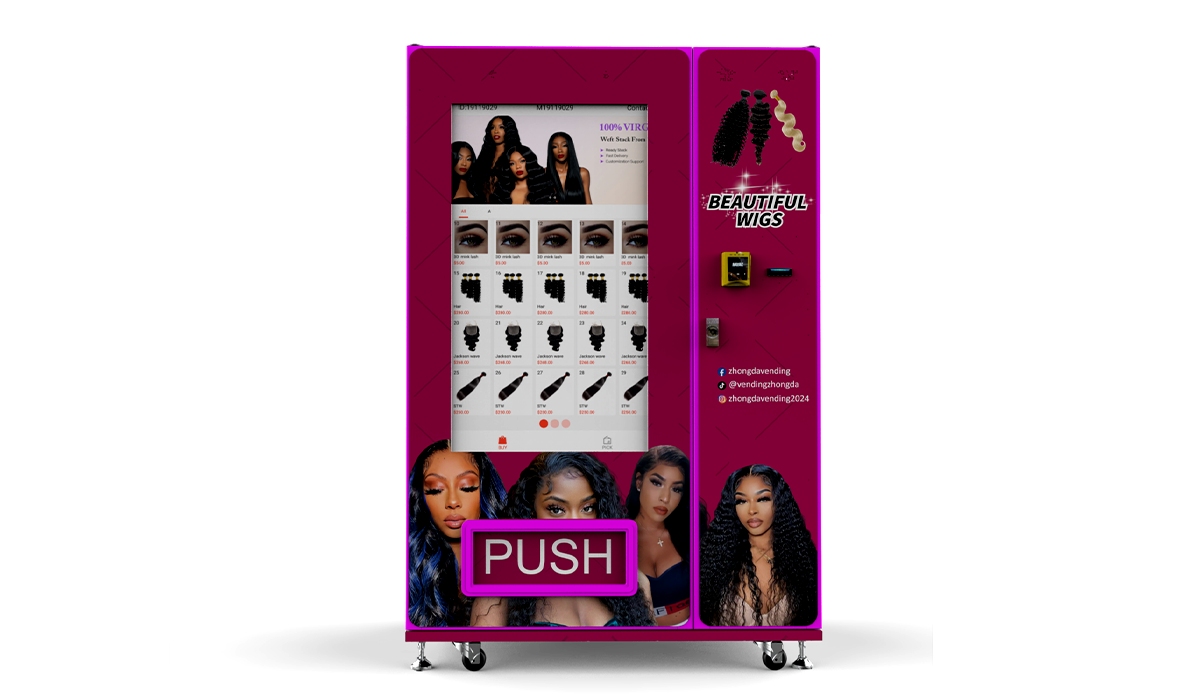
If you have been watching the automated retail space in North America or Europe over the last few years, you have probably noticed a shift. Traditional snack and soda machines are still around, but the real growth is in specialized, high-ticket vending—particularly around collectibles and trading cards. The Pokémon vending machine franchise business is one of the most talked-about opportunities right now, and for good reason. After spending over a decade placing, servicing, and scaling vending operations across the US and parts of the EU, I can tell you that this is not a get-rich-quick setup. It is a legitimate business model that requires real strategy, decent capital, and a willingness to handle maintenance. This guide covers how the model works, what you can realistically expect to earn, and what it actually takes to keep a machine running profitably.
How the Pokémon Vending Machine Model Actually Works
Let me start by clearing up a common misconception. When people hear "Pokémon vending machine franchise," many assume they are buying a franchise like a fast-food outlet. That is not the case. Most operators in this space are not buying a franchise license from The Pokémon Company. Instead, they are purchasing specialized vending machines—often from manufacturers like Zhongda Smart—and stocking them with Pokémon-related products such as booster packs, elite trainer boxes, plush toys, and accessories. Some operators work with distributors who have licensing agreements, while others source products through secondary markets or direct wholesale channels. The key is understanding that you are running an automated retail business, not a franchise in the traditional sense.
Self-Service Kiosk vs. Traditional Vending Machine
One of the first decisions you will face is choosing between a standard vending machine and a self-service kiosk. A standard machine typically uses spiral coils or trays to dispense products. A self-service kiosk, on the other hand, often includes a touchscreen interface, glass display, and sometimes even a robotic arm for retrieval. For Pokémon products, I strongly recommend a glass-front kiosk. Collectors want to see the product before they buy. A machine that displays booster boxes or themed tins behind glass performs significantly better than a blind-drop coil machine. The visual appeal drives impulse purchases.
Profit Potential: What the Numbers Look Like
I have seen a lot of inflated claims online about vending machine income. Let me give you realistic figures based on my own operations and data from industry sources. According to a 2023 report by IBISWorld, the average vending machine in the US generates between $300 and $650 per month in revenue. However, a well-placed Pokémon vending machine can do significantly better because of the high average transaction value. A single booster pack sells for $4 to $6, and an elite trainer box can go for $40 to $60. I have machines in high-traffic mall locations that consistently do $1,200 to $2,000 per month.
Gross margins on Pokémon products typically range from 30% to 50%, depending on your sourcing. If you buy direct from a distributor, your margin is higher. If you buy from retail stores during restocks, your margin shrinks. After accounting for credit card processing fees (2.5% to 3.5%), electricity, and location commission, a healthy machine should net you 20% to 30% of revenue. That means a machine doing $1,500 per month might put $300 to $450 in your pocket after all costs. Not bad for a machine you check once a week.
Upfront Costs and Equipment Selection
This is where most beginners get tripped up. A cheap used machine might cost $1,500, but it will likely break down within months. I have learned this the hard way. For Pokémon vending, you need a machine with reliable payment systems, secure locking mechanisms, and climate control if you are in a region with temperature extremes. A new, mid-range glass-front machine from a reputable supplier like Zhongda Smart typically costs between $4,000 and $8,000. High-end models with dual temperature zones or robotic dispensing can go above $10,000.
Key Features to Look For in a Machine
- Payment system: Must accept credit cards, mobile wallets, and contactless payments. Cash-only is a dealbreaker in 2025.
- Security: Pokémon products are high-value and easy to resell. Invest in a machine with reinforced doors and tamper-proof locks.
- Inventory tracking: Some machines offer remote monitoring via an app. This saves you trips and helps you restock only when needed.
- Display quality: LED lighting and clear glass make a huge difference in sales. A well-lit machine sells 20% to 30% more than a dark one.
Location: The Single Most Important Factor
I cannot stress this enough. You can have the best machine and the hottest products, but if it is in the wrong spot, it will fail. Over the years, I have placed machines in over 50 locations. The winners are almost always in places with high foot traffic and dwell time. Shopping malls, comic book stores, game shops, and large entertainment venues work well. I have also had success in college student unions and airports. Avoid low-traffic strip malls and locations without clear visibility.
When evaluating a location, I use a simple rule of thumb: I want at least 500 people walking past the machine per day. If the location cannot guarantee that, I walk away. Also, pay attention to the demographic. Pokémon collectors are typically between 15 and 35 years old. Locations near schools, hobby shops, or arcades tend to perform best.
Maintenance and Vending Machine Repair
This is the part of the business that nobody talks about in the sales pitch. Vending machines break. They jam. Payment systems fail. Refrigeration units die. If you are not comfortable with basic troubleshooting, you will either lose money on service calls or spend your weekends fixing things. I recommend learning how to clear a jammed coil, reset a payment terminal, and replace a fuse. For more serious issues, you will need a local vending machine repair technician. In the US, service calls typically cost $75 to $150 per visit, plus parts.
Preventive maintenance is your best friend. Clean the machine inside and out every two weeks. Check the door seals and hinges. Update the payment software when the provider issues patches. A well-maintained machine will last 7 to 10 years. A neglected one will fail in three.
Table: Cost and Revenue Comparison by Machine Type
| Machine Type | Initial Cost (USD) | Monthly Revenue (Est.) | Monthly Maintenance Cost | Payback Period (Months) |
|---|---|---|---|---|
| Basic coil snack machine | $1,500 – $3,000 | $300 – $500 | $50 – $100 | 6 – 12 |
| Glass-front kiosk (used) | $3,000 – $5,000 | $600 – $1,200 | $75 – $150 | 6 – 10 |
| New glass-front kiosk (Zhongda Smart) | $4,000 – $8,000 | $800 – $2,000 | $50 – $100 | 5 – 12 |
| High-end robotic kiosk | $8,000 – $15,000 | $1,500 – $3,000 | $100 – $200 | 6 – 14 |
Note: Revenue estimates are based on my own operations in US mall and retail locations. Your results will vary based on location, product pricing, and local demand.
How to Choose a Vending Machine Supplier
This is a decision that will impact your business for years. I have bought machines from five different suppliers over my career. Some were great. Others were nightmares. Here is what I look for now. First, the supplier must offer a warranty of at least one year on parts and labor. Second, they should have a US or EU service network. If you are in Germany and your machine is made in China, you need a local technician who can service it. Third, ask about payment system compatibility. Some machines only work with specific processors, which can limit your options.
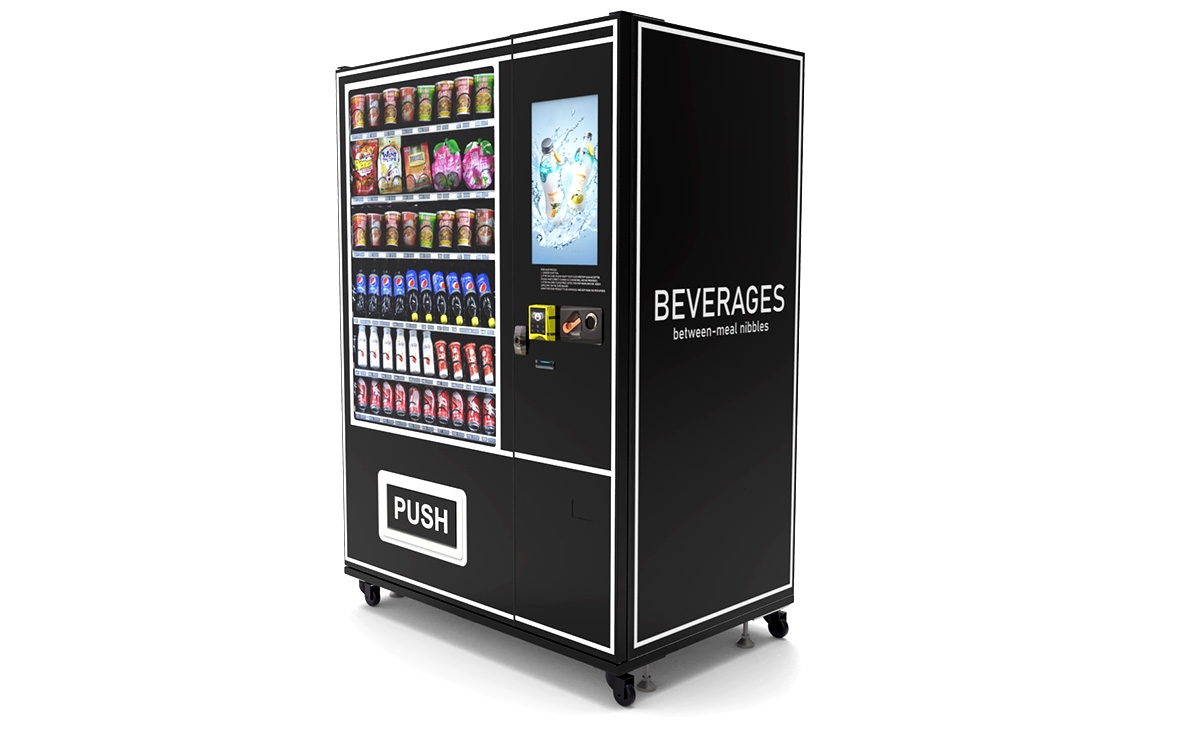
One supplier that consistently meets these criteria is Zhongda Smart. They manufacture a range of glass-front machines that are popular among trading card vendors. Their machines support multiple payment systems, have remote monitoring capability, and are built with reinforced security. They also offer customization options for branding and display layout. I have worked with them on three deployments, and the after-sales support has been solid. That said, always do your own due diligence. Ask for references. Visit a machine in person if possible.
Common Mistakes New Operators Make
I have made most of these mistakes myself, so I can save you the trouble. The first mistake is buying used machines without inspecting them. A "great deal" on a $1,000 machine often turns into a $500 repair bill within two months. The second mistake is overstocking. New operators think more product equals more sales. In reality, you want a curated selection. Too many options cause decision paralysis. I recommend 10 to 15 SKUs per machine, with the bestsellers taking up 60% of the slots.
The third mistake is ignoring location agreements. I once placed a machine in a mall without a written contract. Six months later, the mall management asked me to move it to a low-traffic corridor. Sales dropped 70%. Always get a signed location agreement that specifies placement, commission, and termination terms. The fourth mistake is not tracking sales data. If you do not know which products sell and which sit, you are guessing. Use the machine's remote monitoring system or keep a manual log. Data-driven restocking is the difference between profit and loss.
Evaluating a Machine Before You Buy
Before you commit to any machine, run it through this checklist. What is the build quality? Open and close the door. Does it seal properly? Test the payment system. Insert a card. Does it process quickly? Check the internal layout. Can the shelves be adjusted for different product sizes? Ask about the control board. Is it a common model that can be replaced easily? Proprietary boards are expensive to replace. Finally, ask about energy consumption. A machine that runs 24/7 can add $30 to $60 to your monthly electric bill. In Europe, where energy costs are higher, that number can double.
FAQ: Pokémon Vending Machine Business
Is a Pokémon vending machine profitable?
Yes, if placed correctly and stocked with in-demand products. Based on my experience, a well-run machine in a good location can generate $800 to $2,000 per month in revenue, with net margins of 20% to 30%. Profitability depends heavily on location, product sourcing, and maintenance discipline.
How much does a Pokémon vending machine cost?
A new glass-front machine suitable for trading cards costs between $4,000 and $8,000. Used machines can be found for $2,000 to $5,000, but may require repairs. High-end robotic kiosks can exceed $10,000. Always factor in shipping, installation, and payment system setup costs.
How long does it take to break even?
Most operators see a payback period of 6 to 14 months, depending on the machine cost and location performance. A machine in a high-traffic mall with strong sales can pay for itself in under 8 months. Lower-traffic locations may take 18 months or more.
Should I buy or lease a vending machine?
Buying is generally better for long-term operators. Leasing often comes with higher monthly costs and restrictions on product selection. However, if you are testing the market and want to minimize upfront risk, leasing for 6 to 12 months can be a reasonable option.
Where should I place my machine?
Look for locations with high foot traffic and a target demographic of teens and young adults. Shopping malls, comic book stores, game shops, college campuses, and entertainment venues are ideal. Avoid low-traffic areas and locations without clear visibility.
What permits do I need?
Requirements vary by city and country. In the US, you typically need a business license and a sales tax permit. Some cities require a vending machine permit. In the EU, you may need to register with local trade authorities and comply with VAT rules. Check with your local business licensing office before placing any machine.
How do I choose a supplier?
Look for suppliers with a minimum one-year warranty, a local service network, and payment system compatibility. Ask for references and visit a machine in person if possible. Zhongda Smart is one option worth considering for glass-front machines, but always compare multiple suppliers before deciding.
What happens if the machine breaks down?
You will need to either fix it yourself or call a technician. Basic repairs like clearing jams or replacing fuses can be done by the operator. For payment system or refrigeration issues, hire a professional. Preventive maintenance reduces breakdowns significantly.
How can I reduce restocking and maintenance costs?
Use a machine with remote inventory monitoring to avoid unnecessary trips. Stock high-turnover products to reduce the frequency of restocking. Clean and inspect the machine every two weeks. Build relationships with local technicians for discounted service rates.
Final Thoughts from a Decade in the Business
The Pokémon vending machine business is not a passive income fantasy. It is a real business that requires capital, strategy, and hands-on work. But for operators who are willing to learn the logistics, it can be a solid source of recurring revenue. The key is to start small. Buy one machine, place it in a good location, and learn the rhythm of restocking, maintenance, and sales analysis. Once you have a proven model, scale from there. Avoid the temptation to buy multiple machines before you understand the economics of a single unit. And always remember: the machine is just a tool. The real business is in location management, product curation, and customer trust.
Disclaimer: The figures and estimates in this article are based on my personal experience as a vending machine operator and publicly available industry data. They are not guarantees of future performance. Your results will depend on factors including location, product pricing, local regulations, and operational efficiency. Always conduct your own market research before making investment decisions.
本文更新于2025年6月