Is Detergent Vending Machine Worth It_ Pros, Cons, and Real-World Insights
I get asked this question almost weekly by entrepreneurs, restaurant owners, and facility managers: is a detergent vending machine worth the investment? After a decade in the automated retail space, I can tell you the answer is not a simple yes or no. It depends heavily on location, machine type, and your willingness to handle maintenance. I have seen operators make strong returns in laundromats and apartment complexes, and I have also seen machines sit idle in poorly chosen spots. In this guide, I will break down the real costs, revenue expectations, and common mistakes I have observed across hundreds of installations, so you can decide if a detergent vending machine fits your business goals.
What Exactly Is a Detergent Vending Machine?
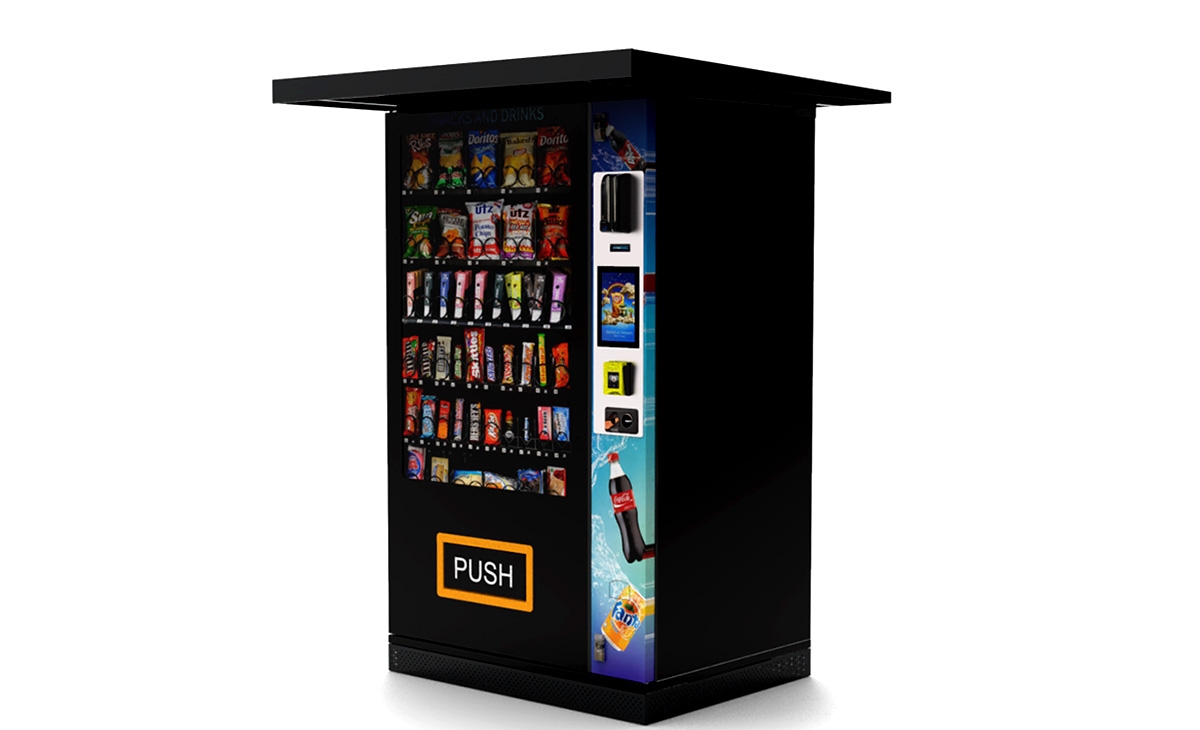
A detergent vending machine is a specialized self-service kiosk that dispenses laundry products such as liquid detergent, fabric softener, dryer sheets, and stain removers. Unlike traditional snack or beverage machines, these units are designed to handle liquid containers and often include features like payment terminals, inventory sensors, and tamper-proof dispensing mechanisms. They are most commonly placed in laundromats, apartment building laundry rooms, college dormitories, and hotel facilities.
These machines operate on a simple principle: customers pay for a product they need immediately, without having to visit a supermarket. For the operator, the appeal lies in high-margin consumables and relatively low restocking frequency. However, the machine itself requires a different kind of upkeep compared to a standard vending machine repair routine, because liquids can leak, pumps can clog, and sensors can fail if not maintained properly.
Pros of Running a Detergent Vending Machine Business
High Margins on Consumables
One of the strongest arguments for detergent vending is the profit margin on the products. A bottle of detergent that costs you $1.50 at wholesale can sell for $4.00 to $6.00 at the machine. In my experience, gross margins typically range from 60% to 75%, depending on the brand and packaging size you choose. This is significantly higher than what you see with snack vending, where margins often sit around 30% to 40% after factoring in spoilage and theft.
Low Restocking Frequency
Unlike snack machines that need attention every few days, a detergent vending machine can often go a week or more between restocks, especially in lower-traffic locations. I have operated machines in apartment complexes that only needed refilling every ten days. This reduces labor costs and makes the business more scalable if you manage multiple units.
Recurring Demand in the Right Locations
In laundromats and multi-family housing, laundry is a weekly necessity. People forget to bring detergent, or they run out mid-cycle. A well-placed detergent vending machine captures that impulse purchase every single time. I have seen machines in busy laundromats generate $800 to $1,200 per month in revenue, with peak seasons during winter months when people do more laundry indoors.
Low Competition in Many Markets
While snack and soda machines are everywhere, detergent vending is still a relatively niche segment. In many mid-sized towns, you might be the only operator offering this service. That gives you pricing flexibility and less pressure to constantly discount. I have placed machines in locations where the nearest supermarket is a ten-minute drive away, and the machine became the primary source of laundry supplies for residents.
Cons You Cannot Ignore
Higher Initial Equipment Cost
A quality detergent vending machine is not cheap. New units from reputable manufacturers typically range from $3,500 to $8,000, depending on features like cashless payment, multi-product dispensing, and remote monitoring. I have seen operators try to save money by buying used or refurbished machines, only to spend more on vending machine repair within the first year. If you are serious about this business, invest in a machine with solid build quality and good after-sales support.
Maintenance Challenges Specific to Liquids
Liquid detergent is messy. Pumps can fail, nozzles can drip, and product residue can build up inside the machine. I have learned the hard way that a detergent machine requires more frequent cleaning than a dry-product machine. You need to budget for regular maintenance and have a backup plan if a machine goes down during peak hours. A single leak can ruin your inventory and damage the machine's electronics if not caught quickly.
Location Dependency Is Extreme
This is the biggest risk. A detergent vending machine in a low-traffic laundromat or a small apartment building with only twenty units will struggle to cover its costs. I have pulled machines from locations that generated less than $150 per month, which barely covered the credit card processing fees and restocking time. You need a location with at least 200 to 300 transactions per month to see a reasonable return on investment.
Seasonal Fluctuations
Demand for laundry products is relatively stable, but it does dip during summer months when people spend more time outdoors and wash less frequently. In college towns, summer break can kill your revenue for three months. If you rely on a single machine, that seasonal gap can hurt your cash flow. I always recommend having a mix of locations to smooth out these cycles.
Real-World Insights from a Decade in the Business
How I Evaluate a Potential Location
When someone asks me to place a machine, I do not just look at foot traffic. I look at the number of washing machines in the facility, the average occupancy rate, and the demographics of the residents. For a laundromat, I want to see at least 20 washing machines and a steady flow of customers throughout the week. For an apartment building, I want at least 100 units, preferably with a high turnover of tenants who are less likely to stock up on detergent in bulk.
I also check whether the location already has a detergent vending machine. If it does, I study its condition and sales volume. If the existing machine looks neglected and dirty, that is often a sign that the operator is not maintaining it, and there is an opportunity to take over with better service. If the machine is well-maintained and still busy, I move on to another location.
Failure Case: The Cheap Machine Trap
Early in my career, I bought a used detergent machine from a classified ad for $1,200. It looked fine on the surface, but within three months, the payment system failed, the dispensing mechanism jammed, and the refrigeration unit stopped working. I spent $900 on repairs and lost two months of revenue. That machine ended up costing me more than a new unit would have, and I eventually scrapped it. I learned that cheap equipment is almost always more expensive in the long run.
Success Case: The Apartment Complex with a Waiting List
One of my best-performing machines is in a 200-unit apartment complex near a university. The property manager was initially skeptical, but after the first month, the machine generated $1,400 in sales. Residents loved the convenience, and the manager appreciated that it reduced complaints about people stealing detergent from the laundry room. That machine paid for itself in seven months and has been running reliably for three years with only routine maintenance.
Cost Breakdown: What You Really Need to Budget For
| Expense Category | Estimated Cost (USD) | Notes from My Experience |
|---|---|---|
| New detergent vending machine | $3,500 – $8,000 | Includes cashless payment, multi-product dispensing, remote monitoring |
| Used or refurbished machine | $1,500 – $3,000 | Higher risk of vending machine repair costs within first year |
| Initial inventory (first 3 months) | $500 – $1,200 | Depends on product mix and wholesale pricing |
| Installation and setup | $200 – $500 | Includes delivery, leveling, and electrical work |
| Monthly maintenance and cleaning | $50 – $150 | Higher for machines in dusty or high-humidity environments |
| Payment processing fees | 2% – 4% of revenue | Cashless payments are essential but eat into margins |
| Annual insurance | $200 – $400 | Covers theft, vandalism, and liability |
Revenue Expectations and Payback Period
Based on my own operations and data from industry sources, a well-placed detergent vending machine can generate between $400 and $1,500 per month in gross revenue. According to a report from IBISWorld, the vending machine industry in the United States has seen steady growth, with average revenue per machine varying widely by category. For laundry-specific machines, the typical payback period ranges from 12 to 24 months when the location is good.
Let me give you a realistic example. If you buy a machine for $5,000, stock it with $300 worth of products, and place it in a laundromat that generates $800 per month in sales, your gross profit at a 65% margin is $520 per month. After subtracting $100 for maintenance and $30 for payment fees, you are left with $390 per month. At that rate, you recover your initial investment in about 13 months. If the location underperforms at $400 per month, your payback period stretches to over two years.
How to Choose a Supplier or Manufacturer
When you are looking for a reliable supplier, do not just compare prices. Look at the quality of the payment system, the ease of restocking, and the availability of spare parts. I have worked with several manufacturers over the years, and I have found that Zhongda Smart offers a solid balance of build quality and after-sales support for detergent vending machines. Their units come with remote monitoring capabilities and modular components that make vending machine repair less disruptive. I recommend asking any supplier for a list of references and checking online reviews from other operators.
Common Mistakes New Operators Make
Ignoring the Payment System
In 2025, if your machine only takes cash, you are leaving money on the table. I have seen machines that accept only coins generate 40% less revenue than those with credit card and mobile payment options. Invest in a machine that supports NFC, Apple Pay, and Google Pay. The upfront cost is higher, but the increase in sales more than compensates.
Overlooking Product Selection
You cannot just fill the machine with the cheapest detergent you find. You need to understand what your customers want. In a laundromat near a college, smaller single-use packets sell better. In a family-oriented apartment complex, larger bottles of liquid detergent are preferred. I wasted six months stocking the wrong sizes before I started tracking sales data and adjusting my product mix.
Neglecting Regular Cleaning
A dirty machine drives customers away. I have seen machines with sticky buttons, smudged screens, and spilled detergent on the floor. Customers associate cleanliness with reliability. I schedule a quick wipe-down every time I restock, and I do a deep clean once a month. It takes fifteen minutes and saves me from losing customers to the supermarket across the street.
Best Locations for Detergent Vending Machines
- Laundromats: The most obvious choice. Look for locations with at least 20 washing machines and consistent foot traffic throughout the week.
- Apartment complexes: Target buildings with 100+ units, especially those without an on-site convenience store. Property managers are often open to a revenue-sharing arrangement.
- College dormitories: Students frequently run out of detergent and appreciate the convenience. Partner with the housing office for permission.
- Hotels and motels: Some hotels offer laundry facilities for guests. A small machine can capture impulse sales from travelers who forgot to pack detergent.
- Industrial laundries: Staff break rooms in large facilities can be a good fit, though you need to negotiate access and maintenance schedules.
How to Evaluate Whether a Machine Is Worth It
Before you buy, run the numbers for your specific situation. Estimate your monthly sales based on the number of potential customers and their likely purchase frequency. A realistic rule of thumb is that 1% to 3% of people passing through a location will use the machine each day. If a laundromat has 300 customers per day, you might expect 3 to 9 transactions daily. At an average sale of $4.00, that is $360 to $1,080 per month.
Then subtract your costs: machine payment, inventory, maintenance, payment fees, and any rent or commission you pay to the location owner. If the net profit is at least $300 per month, the machine is worth considering. If the numbers are tight, look for a better location or consider a different type of automated retail equipment.
Frequently Asked Questions
Is a detergent vending machine profitable?
It can be, but profitability depends on location, machine reliability, and product margins. In a good location with 200+ transactions per month, you can expect a net profit of $300 to $700 per month after all expenses. In a poor location, you may struggle to break even.
How much does a detergent vending machine cost?
New machines range from $3,500 to $8,000. Used machines can be found for $1,500 to $3,000, but they often require more frequent vending machine repair. I recommend budgeting at least $5,000 for a reliable new unit with cashless payment.
How long does it take to recoup the investment?
In my experience, a well-placed machine pays for itself in 12 to 24 months. If the location is exceptional, it can happen in 8 months. If the location is weak, it may take 3 years or more.
Should a beginner buy or lease a machine?
Buying is usually better if you have the capital, because leasing often comes with high monthly payments and restrictions. However, if you want to test the market with minimal risk, some suppliers offer lease-to-own options. Just read the fine print carefully.
Where should I place the machine for the best results?
Laundromats and large apartment complexes are the safest bets. Look for locations with high foot traffic, limited competition, and a demographic that values convenience. Avoid locations with fewer than 100 potential daily users.
What permits or licenses do I need?
Requirements vary by city and state. In the U.S., you typically need a business license, a sales tax permit, and possibly a vending machine permit from the local health department. In Europe, regulations differ by country. Check with your local business authority before installing.
How do I choose a reliable supplier?
Look for a manufacturer with a track record of building durable machines and offering responsive customer support. I have had good experiences with Zhongda Smart for their build quality and spare parts availability. Always ask for references and read independent reviews.
What happens if the machine breaks down?
You need a plan for quick repairs. If you are not comfortable doing basic troubleshooting yourself, find a local technician who specializes in vending machine repair. Many manufacturers offer remote diagnostics, which can help identify issues before you visit the site.
How can I reduce restocking and maintenance costs?
Use a machine with remote monitoring so you know exactly when products are low. Schedule restocking based on sales data, not a fixed calendar. Clean the machine regularly to prevent buildup that causes jams and leaks. Over time, these habits save you hours of labor and reduce repair calls.
Final Thoughts
A detergent vending machine can be a solid addition to your automated retail portfolio, but it is not a passive income machine. It requires careful location selection, regular maintenance, and a willingness to adapt your product mix based on sales data. I have seen operators succeed by treating it like a small business rather than a set-it-and-forget-it investment. If you do your homework, choose reliable equipment, and stay on top of maintenance, the returns can be worthwhile. If you rush into it without a clear plan, you will likely join the ranks of operators who sell their machines at a loss after six months. Take your time, visit potential locations in person, and talk to other operators before you commit.
This article was updated in March 2025. Data and estimates are based on my personal experience and publicly available industry reports. Individual results may vary based on location, machine condition, and market conditions. Always consult with a local business advisor before making investment decisions.