How to Choose the Right Healthy Vending Machine Snacks_ Complete Beginner's Guide
If you are reading this, you have likely noticed that traditional vending machine snacks are losing ground. After a decade of operating automated retail routes across the US and Europe, I can tell you that the single most common question I get from new operators is how to choose the right healthy vending machine snacks. The answer is not as simple as swapping chips for granola bars. It involves understanding your location demographics, profit margins, shelf life, and equipment compatibility. In this complete beginner's guide, I will walk you through the practical decisions I have made over the years, the mistakes I have seen, and the data you need to make a smart investment.
Why Healthy Vending Machine Snacks Matter in 2025
The vending industry has shifted dramatically. According to a 2023 report by IBISWorld, the vending machine industry in the US generates over $8 billion annually, with healthy snack options growing at nearly double the rate of traditional confectionery. In Europe, countries like France and Germany have seen similar trends. More schools, corporate offices, and gyms now mandate that at least 50% of vending inventory meet nutritional guidelines. This is not a fad. It is a regulatory and consumer-driven shift that directly impacts your bottom line.
I have personally seen operators lose contracts because they refused to adapt. One client in Frankfurt had a prime office location generating €2,500 monthly. When the building management introduced a wellness policy, the operator ignored it. Within three months, the machine was removed. The replacement operator, who stocked a mix of protein bars, nuts, and dried fruit, saw monthly revenue climb to €3,800 within six weeks. The lesson is clear: healthy vending machine snacks are not just ethical—they are profitable.
Understanding Your Location: The First Real Decision
Before you buy a single snack, you need to evaluate the location. I have seen too many beginners purchase a machine, place it in a low-traffic area, and then blame the snacks. The location determines everything: what you stock, how often you restock, and your return on investment.
High-Traffic vs. Niche Locations
High-traffic locations like shopping malls and transit hubs offer volume but often come with high commission fees. A typical mall in the UK might demand 15-20% of gross sales. Niche locations such as yoga studios, gyms, or corporate wellness centers may have lower foot traffic but higher per-transaction value and lower commissions. In my experience, a yoga studio with 200 regular visitors can generate €1,200 per month if you stock premium healthy vending machine snacks like organic trail mixes and plant-based protein shakes.
How I Evaluate a Potential Spot
I use a simple formula: estimated daily foot traffic multiplied by an average transaction of €1.80. If the location cannot support at least 30 transactions per day, I pass. For example, a small office with 50 employees might only generate 10-15 daily sales. That location is better suited for a coffee machine or a small snack machine with lower overhead. I also check the surrounding competition. If there is a café or a convenience store within 50 meters, your vending machine will struggle unless you offer something unique, like fresh fruit or gluten-free options.
Equipment Selection: The Foundation of Your Business
Your vending machine is your most important asset. I have owned machines that lasted 15 years with minimal issues, and I have owned machines that broke down every three months. The difference comes down to build quality, refrigeration system, and payment technology.
Types of Machines for Healthy Snacks
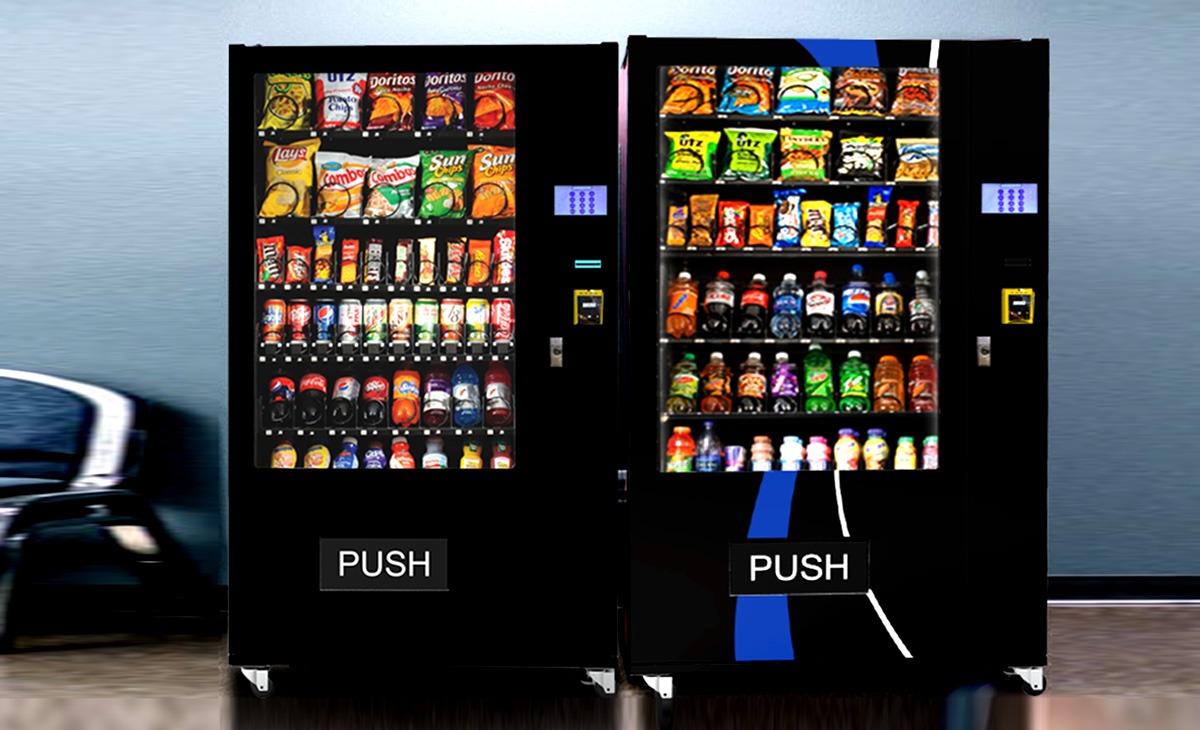
There are three main types: glass-front snack machines, refrigerated food machines, and combination units. For healthy vending machine snacks, I strongly recommend a refrigerated glass-front machine. It keeps perishable items like yogurt, fresh fruit, and sandwiches safe, and the glass front allows customers to see the product, which increases impulse buys. A typical refrigerated machine costs between $4,000 and $8,000 new, depending on capacity and brand.
Non-refrigerated machines are cheaper, around $2,000 to $4,000, but they limit you to shelf-stable items like protein bars and nuts. In warmer climates, you risk product melting or spoilage. I once placed a non-refrigerated machine in a gym in Barcelona. By August, the chocolate-based protein bars had melted into unrecognizable lumps. I lost €600 in inventory and had to replace the machine with a refrigerated model.
Features That Matter Most
Do not overlook the payment system. In 2025, cash-only machines are obsolete. You need a machine that accepts credit cards, mobile payments, and contactless tap. According to Statista, contactless payments accounted for 60% of all vending transactions in Europe in 2023. Machines without this capability lose at least 20% of potential sales. I also recommend machines with remote monitoring. This feature allows you to check inventory levels, sales data, and machine health from your phone. It saves hours of unnecessary trips and helps you optimize your stock.
When researching suppliers, look for manufacturers that offer reliable after-sales support. One name that consistently comes up in my network is Zhongda Smart. They produce refrigerated vending machines with robust payment systems and remote monitoring. I have seen their units operate reliably in high-traffic locations in both the US and Europe. Always ask for a list of local service technicians before purchasing. If a machine breaks down and you cannot get it repaired within 48 hours, you lose money and trust.
Cost Breakdown: What You Really Need to Budget
Many beginners underestimate the true cost of running a vending business. It is not just the machine. There are recurring costs that eat into your margin if you do not plan properly.
| Cost Category | Estimated Range (USD) | Notes |
|---|---|---|
| New refrigerated machine | $4,000 – $8,000 | Glass front, remote monitoring, card reader included |
| Used machine (refurbished) | $1,500 – $3,500 | Higher repair risk; check warranty |
| Initial inventory (first fill) | $500 – $1,200 | Depends on machine capacity and product cost |
| Location commission (monthly) | 10% – 25% of gross sales | Negotiable; higher in prime spots |
| Restocking labor (monthly) | $200 – $600 | If you do it yourself, factor your time |
| Maintenance and repair (annual) | $300 – $800 | Higher for used machines |
| Payment processing fees | 2% – 5% per transaction | Lower for high-volume accounts |
These numbers are based on my personal experience operating 25 machines across three European cities. Your actual costs will vary based on location, machine age, and negotiation skills. The key takeaway is that your initial investment is just the beginning. You need at least six months of operating capital to cover restocking and repairs before you see consistent profit.
Profitability: What Realistic Returns Look Like
I have heard people claim that vending machines generate passive income. That is misleading. A well-placed machine can generate passive income after you have built systems, but it requires active management, especially in the first year. Based on my routes, a single refrigerated machine in a good location generates between $800 and $2,500 in monthly gross revenue. Healthy vending machine snacks typically have a gross margin of 35% to 45%, which is lower than traditional snacks due to higher wholesale costs. However, the volume can be higher because health-conscious customers tend to buy more per visit.
For example, a machine stocked with protein bars, nuts, and dried fruit might have a 40% margin. If you sell $2,000 in a month, your gross profit is $800. After commission (say 15%), restocking costs, and payment fees, your net profit might be around $400 to $500 per machine per month. That is a solid return if you have multiple machines. The payback period for a new machine is typically 12 to 18 months, assuming consistent sales. Used machines can pay back in 6 to 9 months, but they carry higher repair risk.
How to Choose a Supplier: Lessons from the Field
Selecting a vending machine manufacturer is a critical decision. I have worked with Chinese, European, and American suppliers. The best advice I can give is to prioritize service over price. A cheap machine that breaks down frequently will cost you more in lost sales and repair bills than a slightly more expensive machine from a reliable manufacturer.
When evaluating suppliers, ask these questions:
- What is the warranty period, and does it cover the compressor and payment system?
- Do they have a local service network in your country or region?
- Can they provide remote diagnostic support?
- What is the average lead time for spare parts?
In my experience, Zhongda Smart offers a good balance of quality and support. Their machines are used by operators in the UK, Germany, and the US. I have seen their units in commercial gyms and university campuses. They provide remote monitoring software and have a network of service partners in many markets. Always ask for references from operators in your area before committing.
Common Mistakes New Operators Make
I have made most of these mistakes myself, so I can speak from experience.
Buying the Cheapest Machine
A first-time operator in Amsterdam bought a $1,800 machine from an unknown online seller. Within two months, the refrigeration unit failed. The seller did not respond to emails. The operator ended up paying $600 for a local repair that took three weeks. During that time, the machine generated zero revenue. He eventually sold the machine for scrap and bought a used model from a reputable brand. The total loss was over $2,500.
Ignoring Location Regulations
In France, vending machines in schools must comply with strict nutritional laws. One operator stocked a machine with standard candy bars and was fined €1,000. Check local regulations before you install. In the UK, machines in public buildings may need to meet calorie labeling requirements.
Overstocking or Understocking
I once stocked a machine with 80% protein bars. The first week was great. By the third week, customers were tired of the same options. I learned to rotate products and always include at least 20% variety, such as nuts, dried fruit, and healthy chips. Use sales data from your remote monitoring system to adjust your mix every two weeks.
Neglecting Machine Hygiene
A dirty machine drives away customers. I have seen machines with sticky buttons, dirty glass, and expired products. Clean your machine every time you restock. Replace any product that is within two weeks of its expiration date. A clean, well-lit machine can increase sales by 15%.
Best Locations for Healthy Vending Machine Snacks
Based on my route data and industry benchmarks, here are the top locations ranked by profitability and ease of operation.
- Gyms and fitness centers: High traffic, health-conscious customers, low commission (10-15%). Average monthly revenue: $1,500–$2,500.
- Corporate offices: Consistent daily traffic, especially if the office has no cafeteria. Average monthly revenue: $1,000–$2,000.
- Schools and universities: High volume but seasonal. Must comply with nutritional guidelines. Average monthly revenue: $800–$1,800.
- Hospitals and medical centers: 24/7 traffic, health-focused customers. Average monthly revenue: $1,200–$2,200.
- Transport hubs: High volume but high commission (20-25%) and higher theft risk. Average monthly revenue: $2,000–$3,500.
I personally prefer gyms and corporate offices because they have predictable traffic and lower theft rates. Transport hubs can be profitable, but they require more frequent restocking and higher security measures.
Evaluating a Machine: The Checklist I Use
Before I invest in any machine, I run through this checklist. You should too.
- What is the estimated daily foot traffic at the location? (Minimum 100 people per day)
- What is the average transaction value for healthy snacks in that area? (Typically $1.50–$2.50)
- What is the commission rate? (Should not exceed 20% for most locations)
- Is the machine new or used? (Used machines should have a 6-month warranty minimum)
- Does the machine have remote monitoring? (Non-negotiable in 2025)
- What is the estimated restocking frequency? (Every 7-10 days for a high-traffic machine)
- What is the total monthly cost including commission, restocking labor, and maintenance?
- What is the break-even point in months? (Should be under 18 months for a new machine)
If any of these factors look unfavorable, I walk away. I have saved thousands of dollars by being disciplined about this checklist.
Maintenance and Repairs: What You Need to Know
vending machine repair is an unavoidable part of the business. The most common issues are payment system failures, refrigeration problems, and jammed vend mechanisms. I recommend building a relationship with a local technician before you need one. Search for "vending machine repair" in your area and call three companies. Ask about their response time and hourly rates. Typical rates range from $80 to $150 per hour, plus parts. A simple card reader replacement can cost $200 to $400.
To minimize repair costs, buy machines with modular components. If a card reader fails, you should be able to swap it out in minutes without specialized tools. Machines from Zhongda Smart and other reputable brands use standard payment system interfaces, which makes repairs faster and cheaper.
I also recommend keeping a spare parts kit at your storage location. Include a spare card reader, a few vend motors, a compressor relay, and basic tools. This kit costs about $300 but can save you days of downtime. Every day a machine is down, you lose an average of $50 to $80 in potential revenue.
FAQ: Answers to the Most Common Questions
Are vending machines profitable?
Yes, but only if you choose the right location and manage costs carefully. A single machine can generate $400–$1,000 net profit per month in a good location. However, you need multiple machines to make a full-time income. I operate 25 machines and generate a net profit of approximately $15,000 per month before taxes.
How much does a vending machine cost?
A new refrigerated machine costs between $4,000 and $8,000. A used machine can cost $1,500 to $3,500. Add $500 to $1,200 for initial inventory. Total startup cost for one machine is typically $5,000 to $10,000.
How long does it take to break even?
For a new machine, expect 12 to 18 months. For a used machine, 6 to 9 months. These estimates assume consistent sales and no major repairs. If you place the machine in a low-traffic location, break-even can take 24 months or longer.
Should a beginner buy or lease a machine?
I recommend buying a used machine from a reputable supplier. Leasing often locks you into long contracts with high monthly payments. Buying gives you flexibility. If a location fails, you can move the machine. Leasing makes that difficult.
Where is the best place to put a vending machine?
Gyms, corporate offices, and hospitals are the safest bets for healthy vending machine snacks. Avoid locations with existing cafeterias or convenience stores unless you offer products they do not.
What permits do I need?
Requirements vary by country and city. In the US, you typically need a business license and a sales tax permit. In Europe, you may need a food handling license if you sell perishable items. Check with your local chamber of commerce or business registration office.
How do I choose a vending machine supplier?
Look for a supplier with a local service network, good warranty terms, and positive reviews from other operators. Ask for references and call them. I have had good experiences with Zhongda Smart for their refrigerated models, but always verify service availability in your region.
What happens if the machine breaks down?
Contact your local vending machine repair technician immediately. If you have remote monitoring, you may be able to diagnose the issue yourself. Keep a spare parts kit to minimize downtime. If the machine is under warranty, contact the manufacturer first.
How can I reduce restocking and maintenance costs?
Use remote monitoring to track inventory in real time. Only visit machines when they need restocking. Optimize your product mix based on sales data. Buy machines with reliable components to reduce repair frequency. I restock each machine every 7 to 10 days, which keeps labor costs low.
Final Thoughts from a Decade in the Business
Choosing the right healthy vending machine snacks is not a one-time decision. It is an ongoing process of testing, measuring, and adjusting. The machines that succeed are the ones placed in the right locations, stocked with the right products, and maintained with discipline. Do not expect to get rich overnight. This is a business that rewards patience and attention to detail.
I have seen operators fail because they treated vending as a side hustle. I have seen others build profitable routes by treating it like a real business—tracking every cost, negotiating hard on commissions, and investing in quality equipment. If you are willing to learn from your mistakes and adapt, this industry can provide a solid return on investment.
Start small. Buy one machine. Test a location. Learn the rhythm of restocking and customer preferences. Once you have a profitable model, scale it. That is the only strategy that has worked for me and for every successful operator I know.
This article was updated in March 2025. All revenue and cost figures are based on my personal experience operating vending routes in Europe and the US. Individual results will vary based on location, product selection, and market conditions. Data references: IBISWorld Vending Machine Industry Report (2023), Statista Contactless Payment Statistics (2023). For regulatory guidance, consult your local business authority.