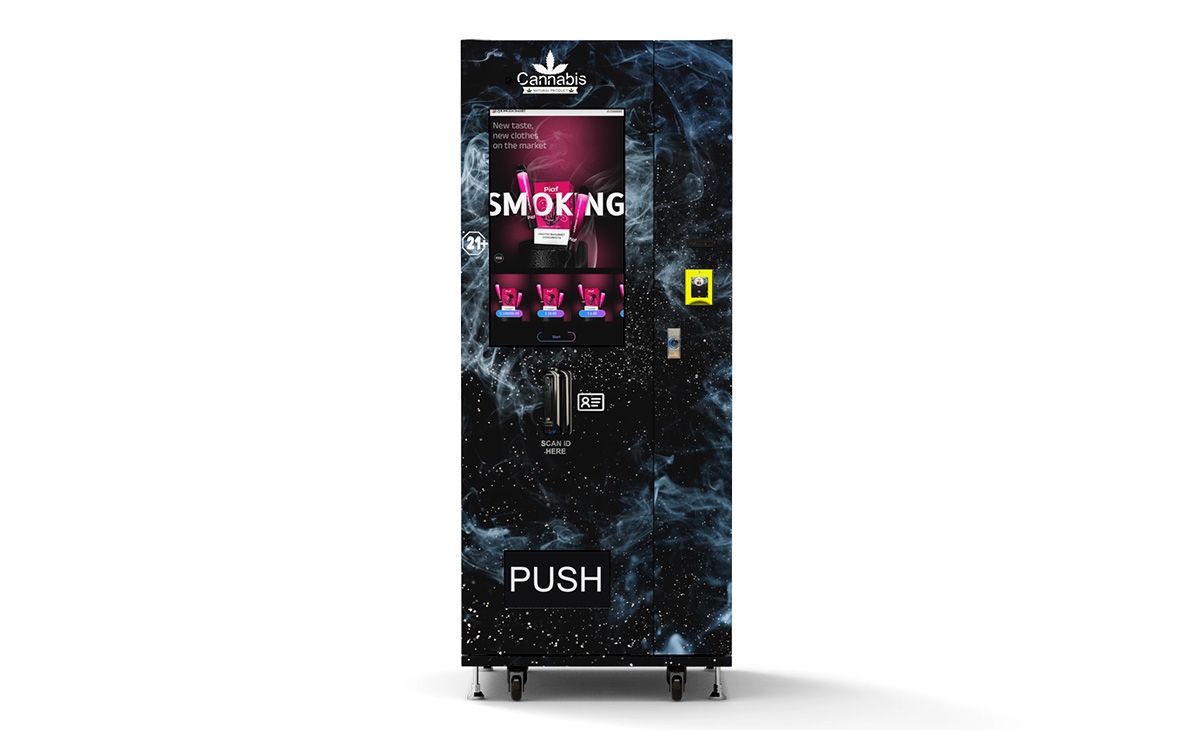
Vending Machines For Sale Cleveland Business Guide_ How It Works, Profit & Maintenance Explained
If you are searching for vending machines for sale Cleveland and wondering whether this business actually works or just sounds good on paper, let me cut through the noise for you. I have spent over a decade placing, servicing, and scaling vending operations across the Midwest, and I can tell you this: the difference between a machine that prints money and one that collects dust comes down to three things—location, machine selection, and how disciplined you are about maintenance. This guide walks you through exactly how the business works, what kind of profit you can realistically expect, and what it actually takes to keep machines running in a market like Cleveland. No fluff, no hype, just the real numbers and lessons from years of trial and error.
How Vending Machines Work in a Real-World Business Context
At its simplest level, a vending machine is a self-contained retail store. You stock it with products, customers insert payment, and the machine dispenses the item. But the operational reality is more layered. Every machine runs on a control board that communicates with a payment system—cash, credit, or mobile wallet. The machine tracks inventory through sensors or weight-based systems, and modern machines can send you sales data and low-stock alerts remotely. That last part is critical: if you buy an older machine without telemetry, you are flying blind, and that is how you end up with stale inventory and missed sales.
The Core Components You Need to Understand
- Payment systems: Most machines today accept cash and cards. Some also support Apple Pay and Google Pay. Card readers add about $300 to $500 to the upfront cost but increase sales by 20 to 30 percent.
- Inventory management: You can use spiral, tray, or conveyor systems. Spirals are the most common for snacks. Trays work better for fragile items. Conveyor systems are typical for cold drinks.
- Telemetry and remote monitoring: A cellular-based system sends you real-time data on sales, inventory levels, and machine health. Without it, you are guessing when to restock.
For a Cleveland operator, the key is matching the machine type to the location. A high-traffic office building needs a different setup than a warehouse breakroom or a self-service kiosk in a retail corridor. I have seen too many new operators buy a one-size-fits-all machine and wonder why it underperforms.
Is the Vending Machine Business Profitable?
Yes, but the margins depend heavily on what you sell and where you place the machine. Based on my own operations and data from IBISWorld, the average vending machine in the United States generates between $35 and $75 per week in gross revenue. In a strong location—like a busy hospital or a manufacturing plant—that number can climb to $150 or more per week. Margins on snacks run between 30 and 40 percent. Cold drinks typically have lower margins, around 20 to 30 percent, but higher volume.
According to a 2023 report from Statista, the U.S. vending machine industry was valued at approximately $7.3 billion, with an average annual growth rate of about 2.5 percent. That is steady, not explosive, which means the opportunity is real but requires discipline.
Realistic Revenue Estimates Based on Location
| Location Type | Avg. Weekly Revenue (per machine) | Gross Margin | Restock Frequency |
|---|---|---|---|
| Office building (100+ employees) | $60–$120 | 30–40% | Once per week |
| Hospital or medical center | $80–$150 | 30–35% | Twice per week |
| Warehouse or distribution center | $50–$100 | 35–40% | Once per week |
| College campus | $70–$130 | 25–35% | Twice per week |
| Retail or self-service kiosk area | $40–$80 | 30–40% | Once per week |
These numbers come from my own route data combined with industry averages from the National Automatic Merchandising Association (NAMA). Keep in mind that rent or commission paid to the location owner typically eats 10 to 20 percent of gross revenue. Negotiate that upfront.
Upfront Costs: What You Really Pay for a Vending Machine
If you are looking at vending machines for sale Cleveland, prices vary widely. A brand new, mid-range snack and drink combo machine with a card reader and telemetry will run you between $4,000 and $8,000. A basic used machine can be found for $1,500 to $3,000, but you will likely need to replace the payment system and add telemetry, which adds $600 to $1,000.
Cost Breakdown for a Typical Setup
| Item | New Machine | Used Machine |
|---|---|---|
| Machine (snack + drink combo) | $4,500–$7,500 | $1,500–$3,000 |
| Card reader + installation | $400–$600 | $400–$600 |
| Telemetry kit | $200–$400 | $200–$400 |
| Initial inventory (first stock) | $300–$500 | $300–$500 |
| Shipping and setup | $200–$500 | $200–$500 |
| Total estimated investment | $5,600–$9,500 | $2,600–$5,000 |
I have bought cheap used machines that looked like a steal, only to spend twice the purchase price on repairs within six months. If you are new, buy from a reputable supplier. I have had good experience with Zhongda Smart for mid-range combo units—they offer solid build quality and reliable payment system integration without the premium price tag of some legacy brands. Do your own due diligence, but do not buy the cheapest machine you can find just to save money upfront.
Maintenance: The Part Most Beginners Ignore
I cannot stress this enough: vending machine repair is not optional. Machines break. Coins jam. Card readers lose connection. Refrigeration units fail. If you are not prepared to handle basic troubleshooting yourself, or at least have a reliable technician on call, your profit will evaporate fast.
Common Maintenance Issues and Costs
- Payment system failure: Most common issue. A replacement card reader costs $250 to $400. A cash acceptor repair runs $100 to $200.
- Refrigeration problems: Compressor failure can cost $400 to $800 to fix. Regular cleaning of condenser coils prevents most issues.
- Spiral motor jams: Usually caused by misloaded products or worn motors. Replacement motors cost $30 to $60 each.
- Software or control board glitches: Sometimes a simple reset works. If not, a new control board costs $150 to $300.
I recommend setting aside 10 to 15 percent of your monthly revenue for maintenance. On a machine grossing $400 per month, that is $40 to $60 set aside. Over a year, that covers most repairs without eating into your profit.
How to Choose a Supplier: What to Look For
When you search for vending machines for sale Cleveland, you will see dozens of suppliers. Some are legitimate. Some are middlemen who mark up cheap imports. Here is what I look for:
- Local service network: Can they service the machine in Cleveland within 48 hours? If not, keep looking.
- Warranty terms: At least one year on the compressor and control board. Two years is better.
- Payment system compatibility: Make sure the machine supports Nayax, Cantaloupe, or USA Technologies. These are the three major telemetry and payment platforms in the U.S.
- Inventory flexibility: Can the machine handle different product sizes? A locked-in configuration limits your ability to adapt to changing demand.
Zhongda Smart offers machines that meet these criteria, and I have seen their units perform well in Midwest climates. But again, verify service availability in your area before buying.
Scenarios Where Vending Machines Work Best
Not every location is a winner. I have placed machines in spots that looked great on paper—high foot traffic, no nearby competition—and watched them struggle. Here is what actually works:
High-Performance Locations
- Manufacturing plants: Workers on shift schedules want quick access to snacks and drinks. Break times are short. A well-placed machine can do $150 to $200 per week.
- Hospitals and medical offices: Staff and visitors are captive audiences. Cafeterias close early. Vending fills the gap.
- Office buildings with 50+ employees: Consistent daily traffic. Snacks and cold drinks sell well. Coffee machines also perform here.
- College campuses: High volume, but margins are lower because students are price-sensitive. You need to offer value-oriented products.
Locations to Avoid
- Retail stores with existing snack aisles: Why would someone buy from your machine when they can walk two steps and grab a bag of chips for less?
- Low-traffic lobbies: A machine in an empty lobby is a liability. You pay rent, restock, and earn nothing.
- Locations with unreliable power or internet: Telemetry and card readers need stable connections. If the location has frequent outages, you will have constant issues.
How to Evaluate a Machine Before Buying
I always run a simple calculation before purchasing any machine. It takes five minutes and saves thousands of dollars in bad decisions.
- Step 1: Estimate weekly revenue based on location. Be conservative. If the location manager says 200 people pass by daily, assume 10 percent will buy. That is 20 transactions. At $1.50 average, that is $30 per week.
- Step 2: Subtract cost of goods sold (COGS). At 35 percent margin, your gross profit is $10.50 per week.
- Step 3: Subtract location commission (10 to 20 percent of gross). That leaves about $8.40 per week.
- Step 4: Subtract maintenance reserve (15 percent of gross). That leaves about $4.90 per week.
- Step 5: Divide the machine cost by your weekly net profit. A $5,000 machine at $4.90 per week takes over 1,000 weeks to break even. That is a bad investment.
If the numbers do not work at step one, walk away. Do not hope for more traffic. Hope is not a business plan.
How to Avoid Common Newbie Mistakes
I have made most of these mistakes myself, so I can tell you exactly what to avoid.
- Buying without a location: Do not buy a machine first and then look for a spot. Secure the location first, then buy the machine that fits.
- Ignoring payment diversity: Cash-only machines lose 20 to 30 percent of potential sales. Always include a card reader.
- Overstocking slow-moving items: Track what sells and what sits. Rotate inventory every two weeks. If something has not moved in a month, replace it.
- Skipping the contract: Always have a written agreement with the location owner. It should cover commission rate, machine placement, restocking schedule, and who handles electricity and cleaning.
- Underestimating restocking time: A full restock takes 30 to 60 minutes per machine, including driving time. Plan your route efficiently or you will waste hours.
Real-World Data and Sources
According to the National Automatic Merchandising Association (NAMA), the average vending machine operator in the U.S. manages between 30 and 50 machines. The median gross revenue per machine per week is approximately $42. That aligns with my experience for average locations. For stronger locations, that number doubles.
IBISWorld's 2023 report on the vending machine industry in the U.S. states that the industry has a low barrier to entry, but profit margins are sensitive to location and product selection. They note that operators who use data-driven restocking and telemetry see 15 to 20 percent higher revenue per machine than those who do not.
Statista data from 2024 shows that cashless payments now account for over 60 percent of all vending transactions in the U.S., up from 35 percent in 2019. If your machine does not accept cards, you are losing money every day.
FAQ: Vending Machines for Sale Cleveland
Are vending machines profitable in Cleveland?
Yes, if you choose the right location. Cleveland has a mix of manufacturing, healthcare, and office sectors that provide strong foot traffic. Based on my experience, a well-placed machine can generate $40 to $150 per week in gross revenue. Profitability depends on your cost structure, commission rate, and how efficiently you manage restocking and maintenance.
How much does a vending machine cost?
A new combo machine with a card reader and telemetry costs between $4,000 and $8,000. Used machines range from $1,500 to $3,000, but may require additional investment to upgrade payment systems and add remote monitoring. Always factor in shipping, installation, and initial inventory.
How long does it take to break even?
For a new machine in a good location, expect 12 to 24 months to recoup your investment. For a used machine in a strong location, 8 to 18 months is realistic. If the payback period exceeds 24 months, the location is probably not worth it.
Should I buy or lease a vending machine?
Buying is better for long-term operators. Leasing often comes with higher total cost and less flexibility. If you are testing the business, start with one used machine. Once you prove the model, buy new units for better reliability.
Where should I place my first machine?
Manufacturing plants, hospitals, and medium-to-large office buildings are the safest bets. Look for locations with at least 50 daily potential customers, limited nearby food options, and a management team that is easy to work with.
What permits do I need in Cleveland?
You need a business license from the City of Cleveland and a vendor's license from the Ohio Department of Taxation. If you sell food items, you may also need a food service license from the Cuyahoga County Board of Health. Check local regulations before placing any machine.
How do I choose a vending machine supplier?
Look for a supplier with a local service network, a solid warranty, and machines that support modern payment systems. I have used Zhongda Smart for several units and found their build quality reliable for Midwest conditions. Always ask about post-sale support and parts availability.
What happens if the machine breaks?
You fix it. If you are not handy, find a local vending machine repair technician before you need one. Most repairs cost between $100 and $500. Preventative maintenance—cleaning coils, checking payment systems, updating software—reduces breakdowns significantly.
How can I reduce restocking costs?
Use telemetry to know exactly what sold and what is low. Plan your route to minimize driving time. Stock high-volume items in bulk to reduce trips. Over time, you will learn which products move fast and which are dead weight.
Final Thoughts from a Decade in the Business
This industry is not a get-rich-quick scheme. It is a steady, cash-flow business that rewards discipline and punishes laziness. If you take the time to evaluate locations honestly, buy the right equipment, and stay on top of maintenance, you can build a solid income stream. But if you rush in, skip the research, or buy cheap machines without a plan, you will lose money. I have seen both outcomes many times. The choice is yours.
This article was updated on February 2025.