Where Can I Place A Vending Machine_ Prices, Profit Potential, and Setup Guide for Beginners
If you are searching for where to place a vending machine, you already know that location is the single most important decision in this business. After a decade of operating machines across the United States and Europe, I can tell you that a mediocre machine in a great spot will almost always outperform a top-tier machine in a dead location. The question is not just where you can place a machine, but where you should place one to actually make money. In this guide, I will walk you through real-world pricing, profit potential, and a practical setup roadmap based on what I have learned the hard way, so you can avoid the costly mistakes most beginners make.
Understanding the Vending Machine Business Model
Before you start scouting locations, you need to understand how this business actually works. A vending machine is essentially a self-service kiosk that sells products without a cashier. You buy or lease the machine, stock it with products, and collect the revenue. The profit comes from the margin between your wholesale cost and the retail price you set. In my experience, a well-placed machine can generate between $200 and $800 per month in revenue, though some high-traffic locations can push that number much higher.
The beauty of automated retail is that it runs on its own schedule. You are not tied to a physical store, and you do not need to hire staff. But that independence comes with responsibility. You are responsible for maintenance, restocking, and handling issues like machine downtime or payment system failures. The difference between a profitable operation and a money pit often comes down to how well you manage these tasks.
According to a report from IBISWorld, the vending machine industry in the United States alone generates over $7 billion annually, with steady growth driven by cashless payment adoption and healthier snack options. That growth is real, but it is not automatic. You have to earn it through smart decisions.
Where Can You Place a Vending Machine?
When people ask me where to place a vending machine, I tell them to think like a customer. Where do people stand still for more than thirty seconds? Where do they have money in their hands and a need for something quick? The most obvious spots are office buildings, schools, hospitals, gyms, and factories. But the best locations are often the ones that are not obvious to everyone else.
Office Buildings and Business Parks
Office buildings are a classic choice for a reason. Employees need coffee, snacks, and cold drinks during the day. If you can place a machine in a break room or a common area, you have a captive audience five days a week. The key is to find buildings with at least 100 employees and no existing vending service. I have seen machines in office buildings generate consistent monthly revenue of $400 to $600, with gross margins around 40 to 50 percent.
Schools and Universities
Schools are high-volume locations, but they come with restrictions. Many schools require healthier product options, and some have exclusive contracts with major providers. If you can get in, though, the volume is hard to beat. A university dormitory or student lounge can move hundreds of units per week. Just be prepared for higher restocking frequency and occasional vandalism. I recommend using a machine with a reinforced cabinet and a reliable payment system for these spots.
Hospitals and Medical Centers
Hospitals are open 24 hours a day, seven days a week. Staff, patients, and visitors all need access to food and drinks at odd hours. A vending machine in a hospital lobby or staff break room can generate steady income with minimal competition. However, you need to comply with health regulations, and some hospitals require commission payments or a share of revenue. Negotiate the terms carefully before signing a placement agreement.
Gyms and Fitness Centers
Gyms are natural locations for vending machines, especially if you stock them with protein bars, water, and electrolyte drinks. The challenge is that gym traffic is often concentrated in peak hours, and off-peak sales can be slow. I have found that a machine in a mid-size gym with 500 members can bring in around $300 to $500 per month. The profit margin on protein bars and bottled water is excellent, often exceeding 50 percent.
Factories and Warehouses
Industrial locations are some of the most profitable spots I have ever worked with. Workers in factories and warehouses need quick access to snacks and drinks during breaks. These locations often have high foot traffic and long shifts, which means more sales opportunities. A single machine in a factory with 200 employees can generate over $700 per month. The downside is that you may need to restock more frequently, and access hours might be limited to shift schedules.
How Much Does a Vending Machine Cost?
The cost of a vending machine varies widely depending on the type, features, and condition. New machines typically range from $2,000 to $10,000, while used machines can be found for $1,000 to $4,000. But the purchase price is just the beginning. You also need to account for installation, payment system setup, initial inventory, and ongoing maintenance.
In my experience, a good entry-level machine for a beginner is a combination snack and drink machine. These units cost between $3,500 and $6,000 new. If you are looking for a reliable supplier, I have worked with Zhongda Smart on several projects. Their machines are well-built, support modern payment systems, and have a solid warranty. I recommend checking their product range if you are serious about starting a vending business.
Here is a quick breakdown of typical costs I have seen across different machine types:
| Machine Type | New Price Range | Used Price Range | Typical Monthly Revenue | Gross Margin |
|---|---|---|---|---|
| Snack Only | $2,000 – $4,000 | $1,000 – $2,500 | $200 – $400 | 40% – 50% |
| Drink Only | $2,500 – $5,000 | $1,200 – $3,000 | $300 – $600 | 45% – 55% |
| Combo (Snack + Drink) | $3,500 – $6,000 | $2,000 – $4,000 | $400 – $700 | 40% – 50% |
| Cold Food (Perishable) | $5,000 – $10,000 | $3,000 – $6,000 | $500 – $800 | 35% – 45% |
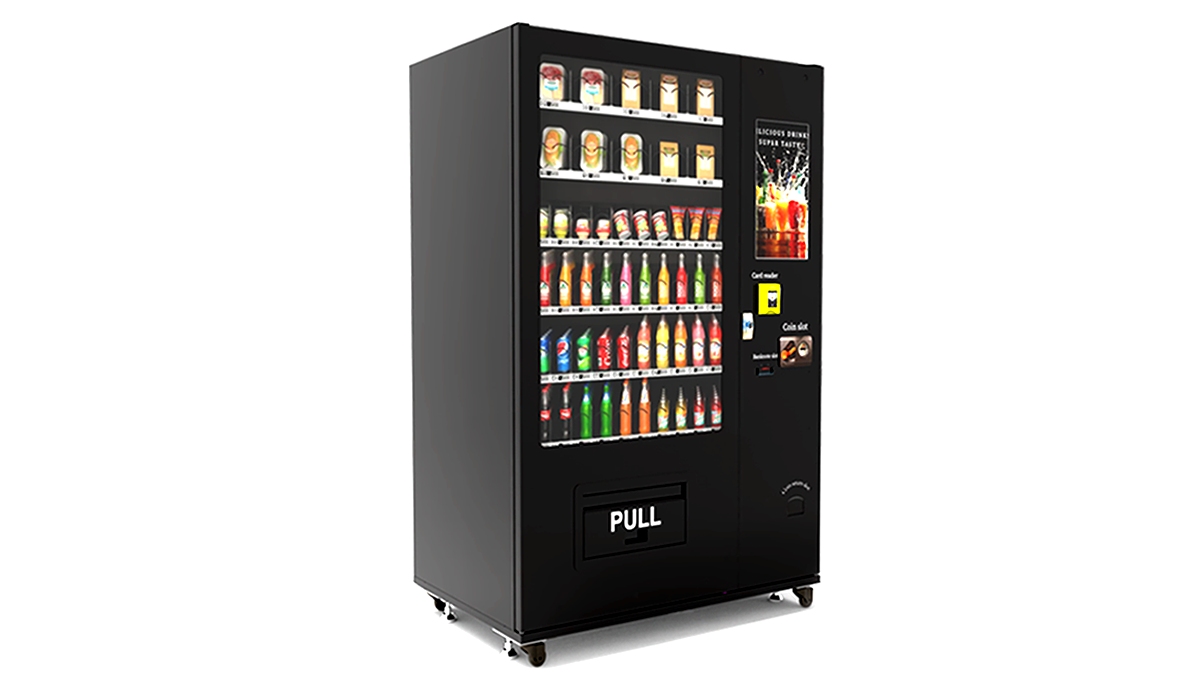
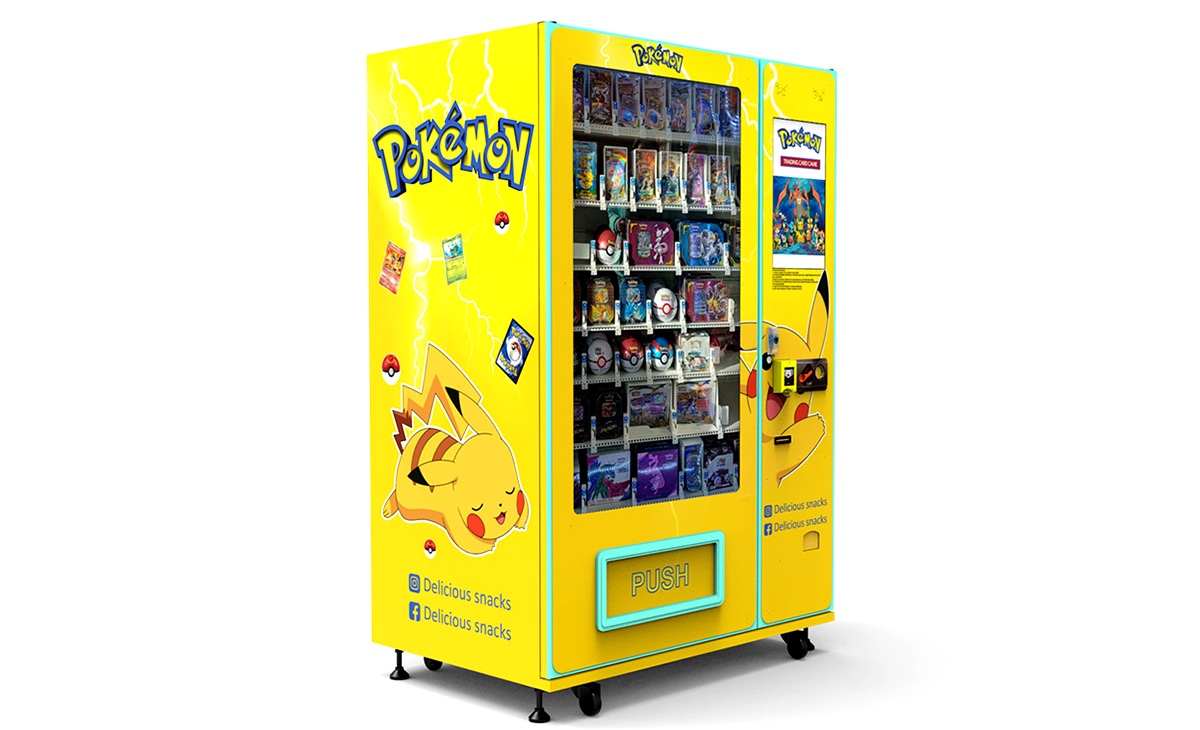
These numbers are based on my own experience and should be treated as estimates. Actual revenue depends heavily on location, product selection, and pricing strategy.
Profit Potential: What Can You Actually Earn?
The profit potential of a vending machine business is real, but it is not a get-rich-quick scheme. In my best locations, I have seen single machines generate over $1,000 per month in revenue. In weaker locations, I have struggled to break $150. The average across my fleet is around $350 per machine per month. After accounting for product costs, credit card fees, and maintenance, the net profit per machine is typically between $100 and $300 per month.
If you scale to ten machines, that means $1,000 to $3,000 in monthly profit. That is a solid side income, and for some operators, it becomes a full-time business. But you have to be realistic about the work involved. Restocking, cleaning, and handling machine repair issues take time. I spend about two to three hours per week per machine on average.
According to data from Statista, the average vending machine in the United States generates about $75 per week in sales. That aligns with my experience, though I have seen wide variation. The key takeaway is that profitability is not guaranteed. It comes from good location selection, efficient operations, and smart product choices.
Setup Guide for Beginners
If you are new to the vending machine business, here is a step-by-step approach that I have used successfully with dozens of operators.
Step 1: Research and Plan
Before you buy anything, spend time researching your local market. Walk through office buildings, industrial parks, and commercial areas. Look for gaps in service. Ask property managers if they are open to having a machine. I recommend creating a list of at least twenty potential locations before you even look at equipment.
Step 2: Choose Your Equipment
Decide on the type of machine you want. For beginners, a combo machine is usually the safest bet because it offers both snacks and drinks. Look for machines with modern payment systems that accept credit cards, mobile payments, and cash. Trust me, cashless payment is not optional anymore. In my experience, machines with card readers generate 30 to 50 percent more revenue than cash-only machines.
When selecting a supplier, consider factors like warranty, customer support, and spare parts availability. I have had good experiences with Zhongda Smart because they offer reliable machines and responsive after-sales service. Do not buy a machine just because it is cheap. Cheap machines often break down quickly, and the cost of machine repair can eat into your profits fast.
Step 3: Secure a Location
Once you have a machine, you need a place to put it. Approach property managers with a clear proposal. Explain what you offer, how often you will restock, and what commission or rent you are willing to pay. Some locations charge a flat monthly fee, while others take a percentage of sales. I prefer a flat fee because it is predictable, but a percentage can work if the location has high traffic.
Make sure you get a written agreement. Even a simple one-page contract protects both parties. Include terms about access hours, maintenance responsibilities, and termination clauses.
Step 4: Set Up Payment Systems
Your machine needs to accept multiple payment methods. Most modern machines come with a built-in card reader, but if yours does not, you can add one. I use a system that supports Visa, Mastercard, Apple Pay, and Google Pay. The transaction fees are typically 2.5 to 3.5 percent, which is a small price to pay for the increase in sales.
Step 5: Stock and Launch
Stock your machine with a mix of popular items. In the beginning, stick to well-known brands like Coca-Cola, Pepsi, Lay's, and Snickers. As you learn what sells in your location, you can adjust your product mix. I recommend starting with about 70 percent snacks and 30 percent drinks, but this varies by location.
Launch the machine and monitor sales closely for the first few weeks. If certain items are not selling, swap them out quickly. The first month is your testing period.
Common Mistakes Beginners Make
I have seen many beginners fail, and the reasons are usually the same. Here are the most common mistakes I have observed over the years.
- Choosing a bad location. A machine in a low-traffic area will never make money, no matter how good the equipment is. Do not settle for a location just because it is easy to get.
- Buying cheap equipment. A $1,000 used machine might seem like a bargain, but if it breaks down every month, you will lose money on machine repair and lost sales. Invest in quality equipment from a reputable supplier like Zhongda Smart.
- Ignoring payment technology. Cash-only machines are dying. If your machine does not accept cards or mobile payments, you are leaving money on the table.
- Overstocking or understocking. Too much inventory ties up cash, while too little leads to lost sales. Use sales data to find the right balance.
- Neglecting maintenance. A dirty or broken machine drives customers away. Clean your machine regularly and fix issues promptly.
How to Evaluate a Location
Not all high-traffic locations are good for vending machines. I have seen busy train stations where machines barely sell because people are in a rush and do not stop. I have also seen quiet office break rooms that generate consistent sales because employees have time and need.
When I evaluate a location, I look at three things: foot traffic, dwell time, and need. Foot traffic is obvious, but dwell time is more important. People need to have a few seconds to stop, look at the machine, and make a purchase. Need means that the products I offer solve a problem for the people in that location. A gym needs hydration and protein. An office needs coffee and snacks. A factory needs energy drinks and hearty snacks.
I also consider competition. If there is already a vending machine in the building, I ask when it was last serviced. Often, existing machines are poorly maintained, and customers are frustrated. That is an opportunity for you to offer a better experience.
Machine Repair and Maintenance
Machine repair is an inevitable part of the vending business. Even the best machines break down occasionally. The most common issues I have dealt with include jammed products, faulty payment systems, and refrigeration failures. Some problems you can fix yourself with basic tools, but others require a professional technician.
I recommend building a relationship with a local vending machine repair service before you even buy your first machine. Having a technician on call saves you time and money. Also, keep a stock of common spare parts like motors, belts, and coin mechanisms. This way, you can fix minor issues without waiting for a repair order.
If you buy from a supplier like Zhongda Smart, check their warranty and spare parts availability. A good warranty can save you hundreds of dollars in repair costs during the first year.
Frequently Asked Questions
Are vending machines profitable?
Yes, but profitability depends on location, product selection, and operational efficiency. In my experience, a well-placed machine can generate $100 to $300 in net profit per month. Scaling to multiple machines increases overall profit, but also increases management time.
How much does a vending machine cost?
A new vending machine costs between $2,000 and $10,000, depending on the type and features. Used machines are cheaper but may require more frequent machine repair. I recommend budgeting $4,000 to $6,000 for a reliable combo machine.
How long does it take to break even?
Break-even time varies by location and machine cost. In my experience, most operators break even within 12 to 18 months. High-traffic locations can break even in 8 to 10 months, while slower locations may take 20 months or more.
Should I buy or lease a vending machine?
Buying is usually better for long-term profitability. Leasing can be a good option if you want to test the business with lower upfront costs, but you will have less control and lower margins. I recommend buying if you have the capital.
Where is the best place to put a vending machine?
The best places are locations with high foot traffic, sufficient dwell time, and a clear need for the products you sell. Office buildings, factories, schools, and hospitals are consistently good options. Avoid locations with heavy competition or low traffic.
What permits do I need?
Permit requirements vary by city and state. You typically need a business license and a sales tax permit. Some locations also require health department approval, especially if you sell perishable food. Check with your local government before placing a machine.
How do I choose a vending machine supplier?
Look for a supplier with a solid reputation, good warranty, and responsive customer support. I have worked with Zhongda Smart and found their equipment reliable and their service professional. Read reviews and ask for references before making a decision.
What happens if my machine breaks down?
If your machine breaks down, you need to diagnose the problem and decide whether to fix it yourself or call a technician. Keep spare parts on hand for common issues. A reliable supplier can help you troubleshoot and provide replacement parts quickly.
How can I reduce restocking and maintenance costs?
Use sales data to optimize your inventory and reduce waste. Choose locations that are close to your home or storage area to minimize travel time. Invest in quality equipment to reduce machine repair frequency. Regular cleaning and preventive maintenance also help.
Final Thoughts
The vending machine business is not a shortcut to wealth, but it is a legitimate way to build a steady income stream if you approach it with the right mindset. I have seen operators succeed by focusing on location quality, investing in reliable equipment, and staying disciplined about maintenance and restocking. I have also seen people lose money by rushing into bad deals and ignoring the basics.
If you are serious about starting, take the time to learn the business before you spend any money. Visit locations, talk to property managers, and research equipment options. Consider starting with one machine and scaling up as you gain experience. The market for automated retail is growing, and there is room for new operators who are willing to do the work.
This article is based on my personal experience as a vending machine operator in the United States and Europe. Revenue and cost figures are estimates and should not be taken as guarantees. Always verify local regulations and consult with professionals before making business decisions.
Data Sources:
- IBISWorld – Vending Machine Industry Report (United States)
- Statista – Average weekly vending machine sales data
- National Automatic Merchandising Association (NAMA) – Industry benchmarks
本文更新于 2025 年 6 月