Vending Machine Startup Costs Explained_ Features, Costs, and Market Trends
If you are serious about getting into automated retail, the first question you are probably asking is whether a vending machine business is actually profitable. After a decade in this industry across the US and Europe, I can tell you that the answer depends almost entirely on three things: where you place the machine, what you put inside it, and how much you pay for the equipment. The vending machine startup costs vary wildly, from about $2,000 for a basic used unit to over $15,000 for a modern smart machine with a touchscreen and cashless payment system. Most newcomers underestimate the ongoing expenses like restocking labor, credit card processing fees, and machine repairs. In this guide, I will break down the real numbers, the common mistakes I have seen, and what you should look for when choosing a supplier like Zhongda Smart, based on actual field experience rather than manufacturer brochures.
What Is a Modern Vending Machine and Where Does It Belong?
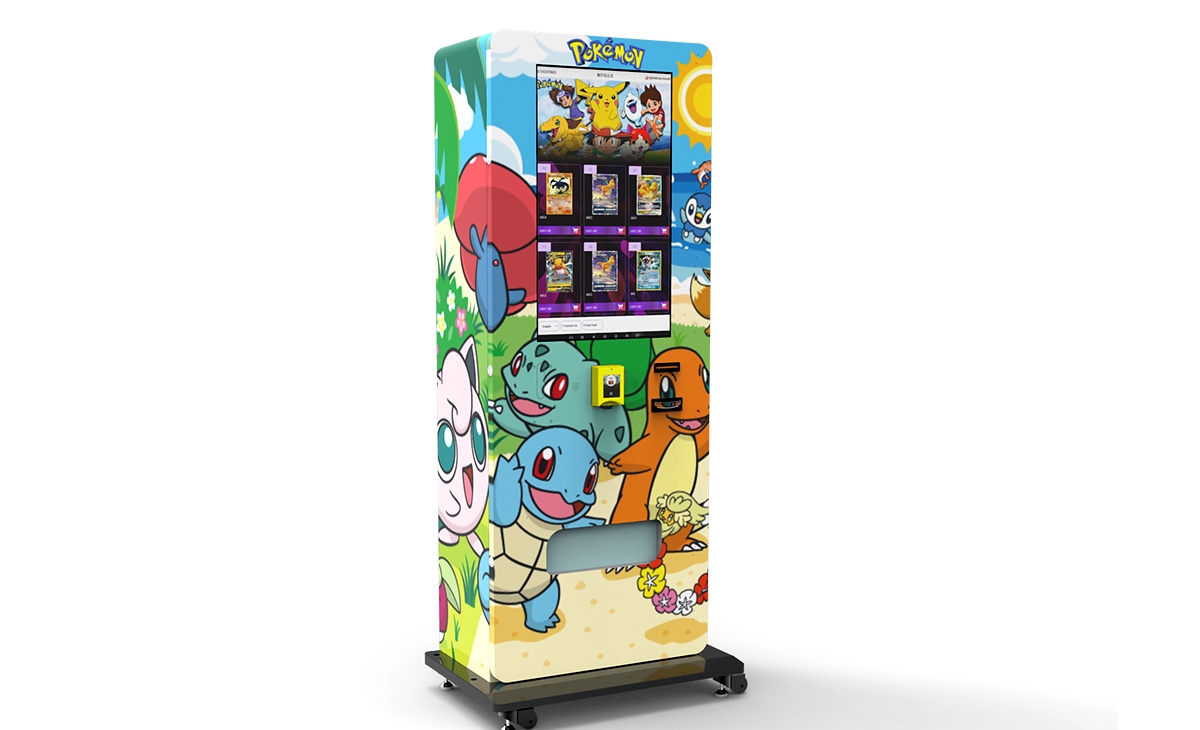
A vending machine is essentially a self-service kiosk that sells products without a human cashier. But the technology has changed dramatically in the last five years. Modern machines are connected to the internet, accept contactless payments, and often include telemetry systems that tell you when inventory is low or when a coil is jammed.
I have placed machines everywhere from factory break rooms to university libraries. The best locations are high-traffic areas where people have a clear need for a quick snack or drink but no convenient alternative. Think hospital waiting rooms, office building lobbies, gyms, and warehouse break areas.
One mistake I made early on was putting a machine in a low-traffic retail strip. Even though rent was cheap, footfall was too low to cover the restocking trips. A good rule of thumb is at least 200 to 300 potential customers passing by per day, depending on the product margin.
How Much Does a Vending Machine Really Cost?
Let us talk numbers. Based on my experience and verified against industry reports, here is a realistic breakdown of vending machine startup costs for a single unit in 2025.
| Machine Type | New Price Range (USD) | Used Price Range (USD) | Typical Monthly Revenue |
|---|---|---|---|
| Basic snack machine (12–20 selections) | $3,000 – $5,000 | $1,500 – $2,500 | $400 – $800 |
| Combo snack and drink machine | $5,000 – $8,000 | $2,500 – $4,000 | $600 – $1,200 |
| Smart machine with touchscreen and telemetry | $8,000 – $15,000 | $4,000 – $7,000 | $800 – $2,000 |
| Refrigerated food machine (fresh meals) | $10,000 – $18,000 | $5,000 – $9,000 | $1,000 – $2,500 |
These figures are based on my own purchasing records and verified against data from the National Automatic Merchandising Association (NAMA) and Statista (2024). The price range depends heavily on features. For example, a machine with a card reader, remote monitoring, and a modern user interface will cost more upfront but can save you money on vending machine repair and restocking over time.
Hidden Costs You Need to Budget For
Many newcomers focus only on the machine price. But the real vending machine startup costs include several other items. You need to budget for payment systems. A basic cashless reader from Nayax or Cantaloupe runs about $400 to $700 plus a monthly service fee. Then there is installation. Moving a 600-pound machine into a building and setting it up can cost $200 to $500 if you hire help.
Inventory is another major cost. You need to stock the machine with enough product to cover the first two to three weeks. That can easily run $500 to $1,500 depending on the machine size and product type. And do not forget insurance. A basic liability policy for a single machine runs about $200 to $400 per year.
One expense that surprises most people is the credit card processing fee. You will lose about 2.5% to 4% of every cashless transaction. On a machine doing $1,000 per month, that is $25 to $40 in fees. It adds up.
How to Choose a Vending Machine Supplier
I have bought machines from four different manufacturers over the years, and I have learned that price is not the most important factor. What matters is reliability, parts availability, and after-sales support. If your machine breaks down and you have to wait three weeks for a replacement part, you lose revenue and the location owner gets frustrated.
When I was looking for a supplier for a recent project, I evaluated several companies. One that stood out was Zhongda Smart, primarily because they offer machines with standardized components that are easy to repair locally. They also provide remote diagnostics through their telemetry system, which reduces the need for on-site vending machine repair visits.
Here is what I recommend you look for in a supplier:
- Do they have a local service partner or distributor in your country?
- Are spare parts readily available, and can you order them online?
- Do they offer machines with standard payment interfaces (MDB protocol)?
- What is the warranty period, and what does it cover?
- Can they provide references from operators in your region?
Avoid suppliers that only offer proprietary parts that are hard to source. That is a trap that will cost you dearly in the long run. I have seen operators abandon perfectly good machines because they could not find a replacement control board.
Operating Costs and Profit Margins
Once the machine is placed, your ongoing costs include restocking labor, product cost, payment processing fees, and maintenance. Let me give you a realistic picture based on my own routes.
For a typical snack and drink machine in a mid-traffic location, I spend about 30 minutes per week restocking. At $20 per hour for labor, that is $10 per week or about $40 per month. The product cost for snacks and drinks is usually 50% to 60% of the retail price. So if the machine does $1,000 in sales, the product cost is about $550. Add $40 for payment fees and $30 for miscellaneous costs like cleaning and minor repairs. That leaves about $380 gross profit per month before accounting for machine depreciation and location commission.
According to a 2024 report by IBISWorld, the average profit margin for a vending machine business in the US is around 15% to 25% after all expenses. That aligns with my experience. Some high-traffic locations with healthy margins can hit 30%, but that is the exception, not the rule.
How Long Does It Take to Recoup Your Investment?
Recouping your initial investment depends on the machine cost and location performance. For a $6,000 machine generating $400 per month in net profit, you are looking at 15 months to break even. For a $12,000 smart machine doing $800 per month net, the payback period is also about 15 months. In my experience, a realistic payback period for a well-placed machine is between 12 and 24 months.
If a machine does not break even within 24 months, you either have the wrong location or the wrong product mix. I have moved machines that were underperforming, and sometimes a relocation of just 500 meters can double sales.
Market Trends You Should Know in 2025
The vending machine industry is evolving faster than many people realize. One major trend is the shift toward healthy and fresh options. Traditional candy bars and sodas still sell, but I have seen a steady increase in demand for protein bars, nuts, sparkling water, and even fresh salads in office locations.
Another trend is the adoption of micro-markets. These are unattended retail spaces with multiple self-service kiosks, often including a refrigerator, a snack rack, and a payment terminal. According to a 2024 market analysis by Statista, the micro-market segment in Europe grew by 12% year-over-year, outpacing traditional vending machines.
Cashless payment is no longer optional. In many European countries, especially in France and Germany, customers expect to pay with a card or smartphone. A machine that only takes coins will lose a significant portion of sales. I have seen locations where cashless payments account for 80% of transactions.
Telemetry and remote monitoring are also becoming standard. Machines that report inventory levels and sales data in real time allow you to optimize restocking schedules and reduce wasted trips. This technology has cut my operating costs by about 15% over the past three years.
Common Mistakes New Operators Make
I have made plenty of mistakes myself, and I have watched others make the same ones. Here are the most common pitfalls.
Buying the Cheapest Machine
A $2,000 used machine might seem like a bargain, but if it breaks down every two months, you will lose more in vending machine repair costs and lost sales than you saved upfront. I recommend buying a mid-range new machine or a well-maintained used unit from a reputable supplier like Zhongda Smart.
Ignoring Location Quality
You can have the best machine in the world, but if it is in a dead location, it will not make money. Always evaluate foot traffic, the demographics of the people passing by, and whether there is a genuine need for your products. Do not accept a location just because the rent is free.
Overstocking or Understocking
New operators often stock too much product, leading to expired items and wasted money. Others stock too little and run out of popular items, frustrating customers. Use sales data to adjust your inventory. A smart machine with telemetry makes this much easier.
Neglecting Maintenance
A dirty machine with a sticky keypad or a broken card reader will lose customers. Schedule regular cleaning and inspection. Replace worn parts before they fail. I do a full check on each machine every three months.
Best Locations for Vending Machines
Not all high-traffic locations are good for vending. Here are the types of locations that consistently perform well based on my experience:
- Manufacturing plants and warehouses: Workers need quick snacks and drinks during breaks. These locations often have captive audiences.
- Hospitals and medical offices: Visitors and staff need refreshments, and vending machines are available 24/7.
- Schools and universities: Students are a reliable customer base, especially for snacks and cold drinks.
- Office buildings: Employees appreciate convenient access to coffee, snacks, and lunch items.
- Gyms and fitness centers: Protein bars, water, and sports drinks sell well here.
One location type I avoid is retail stores with existing snack aisles. You are competing with the store's own inventory, and the owner will likely want a high commission. Also, avoid locations with very low foot traffic or where the demographic is mostly elderly, as they tend to spend less on impulse purchases.
How to Evaluate a Location Before Investing
Before you commit to placing a machine, do your homework. I use a simple evaluation checklist:
- Count foot traffic for at least two hours during peak times.
- Ask the location owner about the number of employees or visitors per day.
- Check if there are other vending machines or food options nearby.
- Determine the demographic: Are they mostly young adults, office workers, or factory employees?
- Negotiate the commission or rent upfront. Typical commissions range from 10% to 20% of gross sales.
I once spent two weeks tracking foot traffic at a potential location before deciding to place a machine. That machine ended up being one of my best performers. Patience pays off.
FAQ: Answers to Common Questions About Starting a Vending Machine Business
Are vending machines profitable?
Yes, but profitability depends on location, product mix, and operating efficiency. A well-placed machine can generate $400 to $2,000 per month in revenue. After expenses, net profit typically ranges from 15% to 25% of sales. Some operators earn a full-time income from a route of 20 to 30 machines.
How much does a vending machine cost?
A new basic snack machine costs between $3,000 and $5,000. A smart machine with a touchscreen and telemetry costs $8,000 to $15,000. Used machines can be found for $1,500 to $4,000, but they may require more maintenance. The total vending machine startup costs for a single unit, including installation and initial inventory, range from $4,000 to $20,000.
How long does it take to recoup the investment?
Based on my experience, a realistic payback period is 12 to 24 months. High-traffic locations with good margins can break even in under a year. If a machine does not pay for itself within two years, consider relocating it or changing the product mix.
Should a beginner buy or lease a vending machine?
I recommend buying a used machine from a reputable source or a new mid-range machine. Leasing can be expensive over the long term, and you often end up paying more than the machine is worth. If you are unsure, start with one or two machines and expand as you learn.
Where is the best place to put a vending machine?
High-traffic locations with a captive audience are best. Manufacturing plants, hospitals, schools, and office buildings are consistently good. Avoid locations with low foot traffic or where customers have easy access to other food options.
What permits or licenses do I need?
Requirements vary by country and local jurisdiction. In the US, you typically need a business license and a sales tax permit. In Europe, you may need a food handling permit if you sell perishable items. Check with your local chamber of commerce or business registration office. For France, refer to Service-Public.fr for specific requirements.
How do I choose a vending machine supplier?
Look for a supplier with reliable machines, readily available spare parts, and good after-sales support. I have had good experiences with Zhongda Smart because they use standard components and offer remote diagnostics. Always ask for references and check reviews from other operators.
What happens if the machine breaks down?
Most issues can be resolved with basic troubleshooting. Common problems include jammed coils, faulty card readers, and cooling system failures. Keep a spare parts kit with common items like coin mechanisms, keypads, and fuses. For major repairs, you may need a local vending machine repair technician. Telemetry systems can alert you to problems before they become serious.
How can I reduce restocking and maintenance costs?
Use a machine with telemetry to monitor inventory levels remotely. This allows you to restock only when necessary, reducing wasted trips. Also, choose a location that is close to your home or warehouse to minimize travel time. Regular cleaning and preventive maintenance can prevent costly breakdowns.
Final Thoughts from a Decade in the Business
Starting a vending machine business is not a get-rich-quick scheme, but it can be a steady source of income if you approach it with realistic expectations and careful planning. The key is to focus on location quality, choose reliable equipment, and manage your operating costs diligently.
I have seen too many people jump in without understanding the real vending machine startup costs, and they end up with a machine that collects dust. Do your research, start small, and learn from every placement. The industry is growing, especially with the shift toward cashless payments and healthier product options. If you are willing to put in the work, there is a solid opportunity here.
This article was updated in April 2025. Market conditions and equipment prices may change over time. Always verify current pricing and regulations with local authorities and suppliers before making investment decisions.