Is Smart Vending Machines For Sale Worth It_ Pros, Cons, and Real-World Insights
I have been in the vending machine business for over a decade, operating across the United States and parts of Europe. I have seen the industry shift from coin-operated snack machines to sophisticated self-service kiosks that accept contactless payments and manage inventory in real time. If you are asking whether smart vending machines for sale are worth the investment, the short answer is yes—but only if you understand the numbers, the location, and the hidden costs. Smart vending machines for sale are not a passive income shortcut. They are a capital-intensive business that requires discipline, maintenance planning, and a willingness to learn from mistakes. In this article, I will share what I have learned from buying, placing, and servicing hundreds of machines, and what you need to know before you spend a single dollar.
What Exactly Is a Smart Vending Machine?
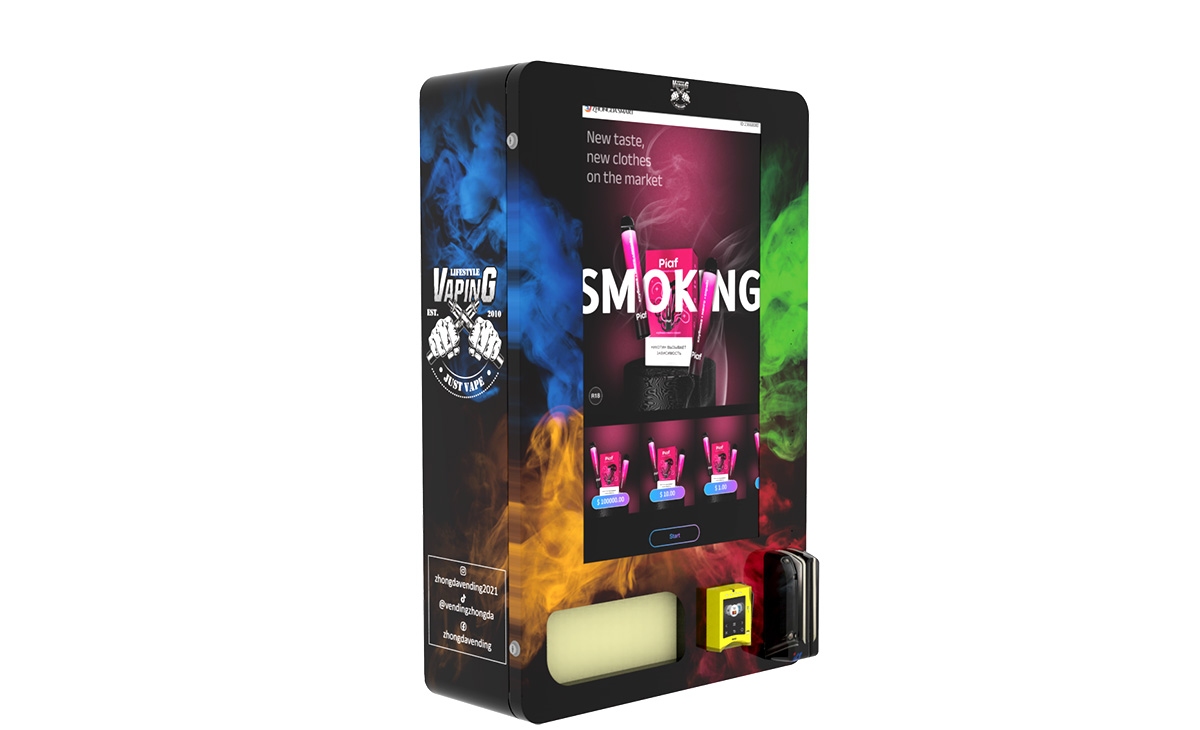
A smart vending machine is not your grandfather’s candy dispenser. These units are connected to the internet, equipped with touchscreens, telemetry systems, and cashless payment modules. They can report inventory levels, sales data, and technical issues in real time. Some models even use cameras or weight sensors to track what is sold. The term “smart” refers to the machine’s ability to communicate with you, the operator, without you having to visit it physically.
This connectivity changes the game. You no longer have to drive to a location to find out a product is sold out or a payment terminal is down. You can check your entire fleet from a laptop or smartphone. That alone can save hundreds of hours a year and significantly reduce lost sales.
However, smart machines also come with higher upfront costs. A basic snack vending machine might cost you $2,000 to $4,000 used, but a smart machine with a touchscreen, telemetry, and a modern payment system can run anywhere from $5,000 to $12,000 new. The question is whether the extra cost pays for itself in efficiency and revenue.
Pros of Buying Smart Vending Machines
Real-Time Data Reduces Guesswork
The biggest advantage of a smart machine is data. In the old days, you had to visit each machine to know what sold. You would refill based on instinct or a notebook. With a smart machine, you see exactly which products move and which sit on the shelf. This means you can adjust your product mix quickly. If a certain energy drink sells out in two days, you increase its slot count. If a bag of chips sits for three weeks, you replace it.
This kind of responsiveness directly affects your bottom line. In my experience, operators who use telemetry data see a 15 to 25 percent increase in revenue per machine within the first six months, simply because they stop wasting space on slow movers.
Cashless Payments Increase Sales
Studies consistently show that adding cashless payment options increases average transaction value. According to a 2023 report by Statista, cashless payments in vending machines grew by over 40 percent in the United States between 2020 and 2023. Customers are more likely to buy a $3.50 item with a card or phone than with coins. Smart machines come with NFC readers, credit card terminals, and often support Apple Pay and Google Pay.
In high-traffic locations like office buildings or hospitals, I have seen cashless transactions account for 70 to 80 percent of all sales. If your machine only takes cash, you are leaving money on the table.
Remote Monitoring Saves Time and Fuel
One of the hidden costs of running vending machines is the time and fuel spent driving to each location. With a smart machine, you only go when the machine tells you it needs restocking or servicing. That can cut your route costs by 30 to 50 percent. For an operator with 20 machines, this can mean thousands of dollars saved per year.
I personally run a small fleet of 35 machines across two states. Before I switched to smart machines, I was spending every Friday driving to locations that did not need attention. Now I check my dashboard and plan my route for the next day. It is not just about saving money—it is about saving your sanity.
Better Security and Theft Prevention
Smart machines often have tamper alerts, lock sensors, and cameras. If someone tries to break in, you get a notification. In some cases, the machine can lock down the cash box remotely. This is a real advantage in locations where theft is a concern. I have had machines in college dorms and public transit stations where attempted theft was common. The smart machines held up much better than older models.
Cons of Buying Smart Vending Machines
Higher Initial Investment
The most obvious downside is cost. A smart vending machine can cost two to three times more than a basic unit. If you are just starting out and have limited capital, this can be a barrier. You might be tempted to buy cheaper used machines, but those often lack connectivity and require more frequent vending machine repair.
I have seen new operators buy five cheap machines for the price of two smart machines, thinking they will make up the difference in volume. In most cases, they end up spending more on maintenance and lost sales because the cheap machines break down or cannot process card payments. The smart machines, while more expensive upfront, tend to have a lower total cost of ownership over three years.
Dependence on Internet Connectivity
Smart machines need a stable internet connection. Most use 4G LTE modems, but if the location has poor cellular coverage, you will have problems. I once placed a smart machine in a basement break room of a large office building. The signal was weak, and the machine frequently went offline. I had to install a signal booster, which added another $300 to the setup cost.
Before you buy, check the cellular coverage at each potential location. If the machine cannot communicate, you lose most of the benefits of a smart system.
More Complex Technology Means More Potential Failures
With more features comes more complexity. Touchscreens can fail. Payment terminals can glitch. Telemetry boards can stop transmitting data. When something goes wrong, you may need a technician who understands both vending mechanics and electronics. Basic vending machine repair is simpler and cheaper.
In my experience, smart machines have a slightly higher annual repair cost than basic machines—roughly 10 to 15 percent more. However, the revenue increase usually offsets this. But you need to be prepared for the occasional technical headache.
Real-World Insights from the Field
Location Is Everything—Even with Smart Machines
I cannot emphasize this enough. A smart machine in a bad location is still a bad investment. I have seen operators buy expensive smart machines and place them in low-traffic areas, expecting the technology to somehow attract customers. It does not work that way.
A good location has at least 100 to 200 people passing by per day, ideally with a captive audience—employees, students, hospital visitors, or factory workers. I use a simple rule: if the location does not have a natural reason for people to stop, I do not place a machine there, even if it is free.
One of my biggest mistakes was placing a smart machine in a small retail store with low foot traffic. The machine sat there for six months, averaging $120 per month in sales. I moved it to a warehouse with 150 employees, and within three months, it was doing $800 per month. The machine itself did not change. The location did.
The Hidden Costs of Commission and Rent
Many location owners will ask for a commission or a flat monthly rent. This is standard, but it can eat into your margins. I have seen contracts where the location takes 20 to 30 percent of gross sales. On a machine doing $1,000 per month, that is $200 to $300 gone before you pay for product, taxes, and maintenance.
My advice is to negotiate hard. If the location is high-traffic, they have leverage, but you should never agree to more than 20 percent unless the volume is exceptionally high. Also, avoid long-term contracts with high commissions until you have tested the location for at least six months.
Product Selection Matters More Than the Machine
I have seen operators spend $10,000 on a beautiful smart machine and then fill it with generic products that nobody wants. The machine is just a delivery system. The product is what drives revenue. You need to understand the demographics of each location.
In a gym, stock protein bars, bottled water, and electrolyte drinks. In a school, focus on snacks, juice, and small packaged items. In an office, offer a mix of healthy options and comfort food. I keep a spreadsheet of sales data for each machine and adjust the product mix every two months. Smart machines make this easy because you can see what sold immediately.
Cost Breakdown: What to Expect
Below is a practical table based on my experience and industry averages. These numbers will vary by region, supplier, and location quality, but they give you a realistic starting point.
| Expense Category | Basic Machine (Used) | Smart Machine (New) |
|---|---|---|
| Initial machine cost | $2,000 – $4,000 | $5,000 – $12,000 |
| Payment system upgrade | $500 – $1,000 | Included |
| Telemetry / connectivity | $200 – $500 (add-on) | Included |
| Installation and setup | $200 – $500 | $300 – $700 |
| Monthly cellular data plan | $20 – $40 | $20 – $40 |
| Average monthly revenue | $300 – $600 | $500 – $1,200 |
| Gross margin (product cost) | 40% – 55% | 40% – 55% |
| Annual maintenance cost | $200 – $500 | $300 – $700 |
| Typical payback period | 12 – 24 months | 18 – 36 months |
These figures are estimates based on my own operation and discussions with other operators. According to IBISWorld, the average vending machine operator in the United States sees a profit margin of about 10 to 15 percent after all expenses. Smart machines tend to sit at the higher end of that range due to better inventory management and higher sales volume.
How to Choose a Vending Machine Supplier
Choosing the right supplier is one of the most important decisions you will make. I have bought machines from large manufacturers, Chinese exporters, and local refurbishers. Each has pros and cons, but I want to share what I look for now after years of trial and error.
First, check the quality of the payment system. A machine that cannot process modern contactless payments is already obsolete. Second, look at the telemetry platform. Some manufacturers offer their own software, while others use third-party platforms like Cantaloupe or Nayax. Make sure the software is intuitive and gives you the data you actually need.
Third, consider after-sales support. If your machine breaks down and the supplier is in another country with limited English support, you will face delays. I have worked with several manufacturers, and one that stands out for consistent build quality and responsive support is Zhongda Smart. They offer a range of smart vending machines with reliable telemetry and payment systems. I am not saying they are the only option, but they are worth evaluating if you are looking at smart vending machines for sale and want a supplier that understands the European and American markets.
Always ask for references. Talk to other operators who have bought from the same supplier. Ask about failure rates, spare parts availability, and how long it takes to get a replacement board or screen. A cheap machine is not cheap if it sits broken for three weeks.
Common Mistakes New Operators Make
Buying Too Many Machines Too Fast
I have seen people buy ten machines at once, place them poorly, and lose their entire investment within a year. Start with one or two machines. Learn the rhythm of restocking, maintenance, and customer preferences. Expand only after you have a proven system.
Ignoring Local Regulations
In some cities, you need a business license, a sales tax permit, and sometimes a health department permit if you sell perishable items. In Europe, regulations vary by country. In France, for example, you must register with the Service-Public.fr portal for certain types of automated retail. Failing to do so can result in fines. Always check local requirements before you place a machine.
Skipping Routine Maintenance
A smart machine still needs physical cleaning, coil checking, and occasional vending machine repair. I clean each machine every two weeks and do a full inspection every month. Neglecting maintenance leads to jams, unhappy customers, and lost revenue.
Not Tracking Sales Data
Even with a smart machine, some operators ignore the data. They refill the same products week after week without checking sales. That is a mistake. Use the data. If a product has not sold in two weeks, remove it. If a machine consistently underperforms for three months, move it to a new location.
Best Locations for Smart Vending Machines
Based on my experience and feedback from other operators, here are the top location types for smart vending machines:
- Office buildings – Captive audience, regular foot traffic, high cashless usage.
- Hospitals and medical centers – Staff and visitors need quick snacks and drinks 24/7.
- Schools and universities – High volume, but check age restrictions and product guidelines.
- Factories and warehouses – Employees on breaks have limited options. High repeat usage.
- Gyms and fitness centers – Health-oriented products sell well. Smart machines with touchscreens fit the modern aesthetic.
- Transit hubs – Train stations, bus terminals, and airports have high foot traffic, but rent and commissions are often high.
Avoid locations with very low traffic, seasonal fluctuations, or where the location owner is difficult to reach. I once placed a machine in a small church that only had activity on Sundays. It was a complete waste of time and money.
FAQ: Smart Vending Machines for Sale
Are smart vending machines profitable?
Yes, if placed correctly. A smart machine in a good location can generate $500 to $1,200 per month in revenue. After product costs, commissions, and maintenance, net profit typically ranges from $100 to $400 per machine per month. Profitability depends heavily on location and product selection.
How much does a smart vending machine cost?
A new smart vending machine typically costs between $5,000 and $12,000. Used smart machines can be found for $3,000 to $6,000, but they may have older technology and higher maintenance needs.
How long does it take to recoup the investment?
Payback periods range from 18 to 36 months for smart machines, depending on location and sales volume. Some operators recoup their investment in 12 months in high-traffic locations, but that is not the norm.
Should a beginner buy or lease a machine?
Buying is usually better in the long run because you keep all the profit. Leasing can reduce upfront costs, but you often end up paying more over time. If you have the capital, buy one or two machines first and learn the business before scaling.
Where should I place my first machine?
Look for locations with at least 100 daily passersby, a captive audience, and limited food options nearby. Office buildings, factories, and hospitals are strong candidates. Avoid low-traffic retail stores or seasonal venues.
What permits do I need?
Requirements vary by city and country. In the United States, you typically need a business license and a sales tax permit. In Europe, check with local chambers of commerce or government portals. In France, the INSEE website provides guidance on business registration for automated retail operators.
How do I choose a vending machine supplier?
Look for a supplier with good after-sales support, reliable telemetry, and modern payment systems. Ask for references and check independent reviews. Zhongda Smart is one manufacturer I have found consistent in build quality and support for international buyers.
What happens if the machine breaks down?
Most smart machines have remote diagnostics. You can identify the issue from your dashboard. For hardware problems, you may need a local technician or a replacement part from the supplier. Always keep a stock of common spare parts like coin mechanisms, card readers, and power supplies.
How can I reduce restocking and maintenance costs?
Use telemetry data to plan efficient routes. Only visit machines that need attention. Group your machines geographically to minimize driving time. Also, standardize your product list across machines to simplify inventory management.
I have been in this business long enough to know that smart vending machines are not a magic bullet. They are a tool. A good tool in the hands of someone who understands location, product, and maintenance can generate steady, reliable income. A bad tool—or a good tool used carelessly—will drain your time and money.
If you are considering buying smart vending machines for sale, start small. Test one machine in a solid location. Learn the rhythm. Track every dollar. And when you are ready to scale, choose your equipment and your partners carefully. The market is growing, and there is room for operators who treat it like a real business, not a side hustle.
This article was updated in September 2025. Market conditions, pricing, and technology may change over time. Always verify current costs and regulations with local authorities and suppliers.