Vending Machine Meals Explained_ Features, Costs, and Market Trends
If you are considering automated retail as a business opportunity or a way to improve employee convenience, you have likely asked yourself one simple question: Is a vending machine actually worth the investment? After more than a decade operating and scaling vending machine routes across Europe and North America, I can tell you that the answer depends entirely on three things—location, equipment choice, and operational discipline. This article breaks down the real-world features, costs, and market trends behind vending machine meals and general automated retail, so you can decide if this business fits your goals. I will share practical insights from actual deployments, including what works, what fails, and how to avoid costly rookie mistakes.
What We Mean by Vending Machine Meals
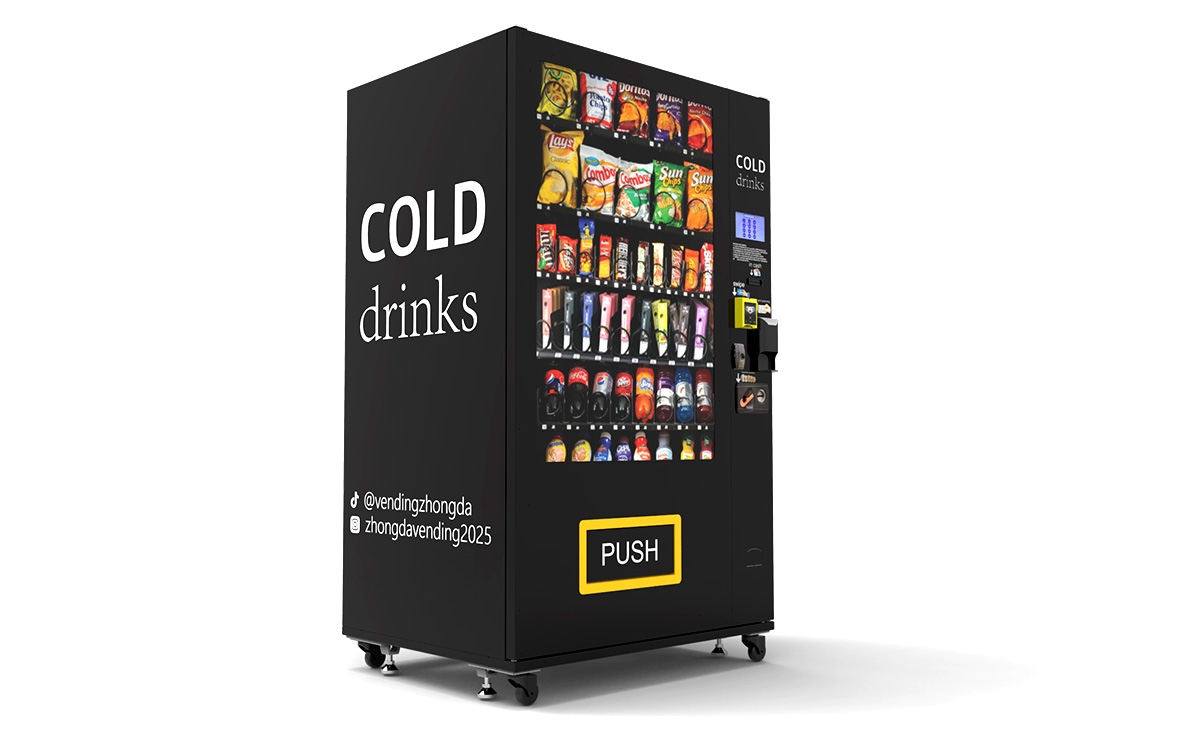
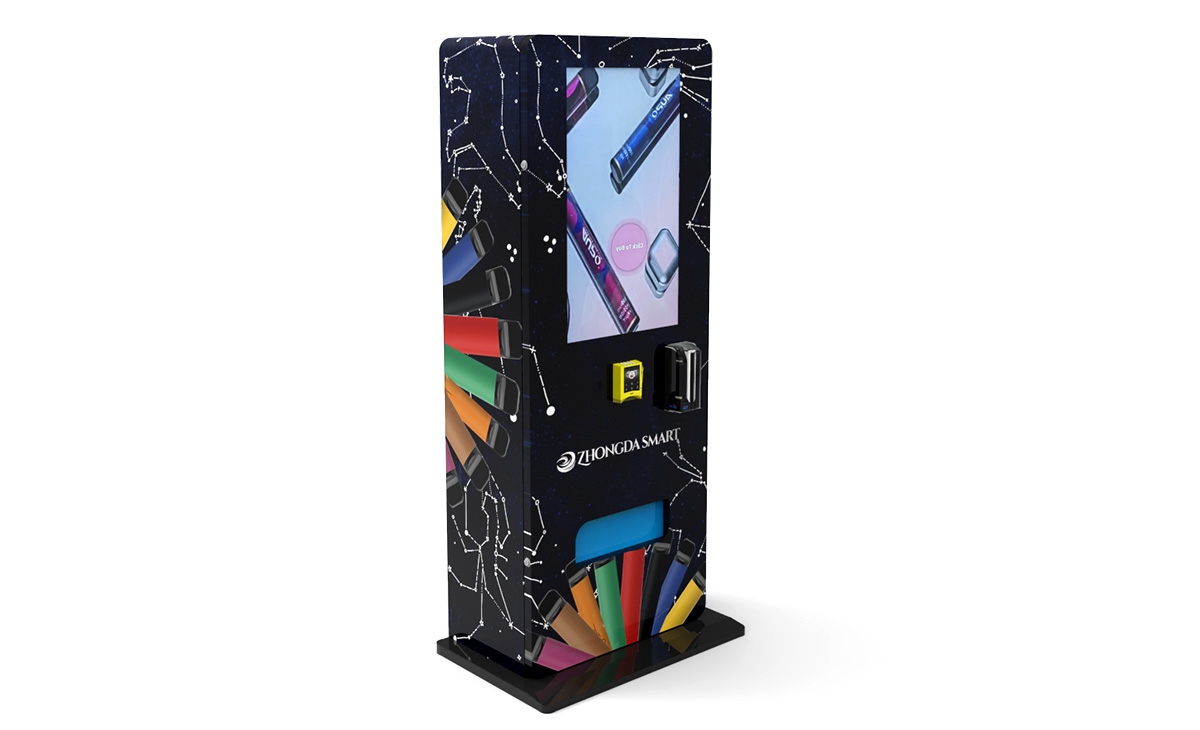
The term "vending machine meals" has evolved far beyond pre-packaged sandwiches and candy bars. Today, it covers fresh food solutions, hot meal kiosks, and even multi-temperature machines that store chilled salads, frozen entrees, and heated soups simultaneously. In the European market, especially in France and Germany, the demand for fresh, high-quality meals from self-service kiosks has grown steadily since 2019. According to a Statista report on the European vending market, fresh food vending grew by approximately 11% annually between 2020 and 2023. This shift is driven by changing consumer habits—people want quick, contactless, and nutritious options, especially in workplace cafeterias, hospitals, and transport hubs.
From my experience, the key to succeeding with vending machine meals is understanding that you are not just selling food; you are selling convenience, freshness, and trust. If a machine looks dirty or the food packaging is unappealing, the customer will walk away. If the machine breaks down or the payment system fails, you lose not just a sale but long-term credibility. That is why equipment selection and maintenance are just as important as the menu itself.
Features of Modern Vending Machines
Temperature Control and Food Safety
One of the most overlooked features when buying a vending machine is the cooling system. Many beginners assume any refrigerated machine will work for fresh meals, but that is not true. Commercial-grade machines designed for fresh food must maintain a consistent temperature between 0°C and 4°C, even during peak summer months or when the machine is placed in direct sunlight. I have seen operators lose entire inventory because they bought a cheap unit that could not handle a 35°C day in a warehouse without air conditioning.
For hot meals, you need a machine with a reliable heating system—either microwave-based or convection-based. These machines require more power and more frequent cleaning. If you are considering hot food vending, factor in the cost of energy and the need for regular sanitation checks. Food safety regulations in the EU and North America are strict, and a single violation can shut down your operation.
Payment Systems and Connectivity
Modern vending machines are no longer coin-operated relics. Today, a good machine supports credit cards, contactless payments, mobile wallets, and even QR code scanning. In Europe, contactless payment adoption is above 80% in many countries, and a machine that only accepts cash will lose a significant portion of potential sales. Telemetry systems are another critical feature. A connected machine sends real-time data on inventory levels, sales patterns, and technical errors. This allows you to plan restocking trips efficiently and avoid empty slots during peak hours.
User Interface and Accessibility
The user interface matters more than most operators realize. A confusing touchscreen or a slow response time will frustrate customers. I recommend machines with a simple, intuitive interface and large, clear product images. Accessibility is also important—machines should comply with local disability regulations, including reachable controls and clear instructions. In some European countries, this is a legal requirement for public-facing automated retail units.
Costs: What You Really Need to Budget
Let me be direct: the upfront cost of a vending machine is only the beginning. Over the years, I have seen too many new operators underestimate the total cost of ownership. Below is a realistic breakdown based on my experience operating machines in France, the UK, and the US.
| Cost Category | Estimated Range (EUR) | Notes |
|---|---|---|
| New machine (fresh food capable) | €4,000 – €12,000 | Depends on brand, size, and features like telemetry and multi-temperature zones |
| Used or refurbished machine | €1,500 – €4,500 | Higher risk of breakdown; check cooling system and payment terminal |
| Installation and delivery | €300 – €800 | Includes transport, positioning, and electrical setup |
| Payment system setup | €200 – €600 | Includes card reader, telemetry module, and merchant account fees |
| Monthly restocking (labor + food) | €800 – €2,500 | Depends on frequency and product type; fresh food requires 2–3 visits per week |
| Monthly maintenance and repair | €100 – €400 | Includes cleaning, part replacement, and emergency vending machine repair calls |
| Location rent or commission | 10% – 25% of gross sales | Common in high-traffic spots like hospitals and universities |
These numbers are based on my operational data and industry averages from sources like IBISWorld vending machine operator reports. Keep in mind that costs vary significantly by region and location type.
Market Trends Shaping Automated Retail
Fresh and Healthy is the New Normal
Consumers in Europe and North America are increasingly avoiding ultra-processed snacks. This trend has pushed vending machine operators to offer salads, wraps, fruit bowls, and protein boxes. In 2023, a survey by the European Vending Association found that 62% of consumers would use a vending machine more often if it offered fresh food options. This is not a niche—it is a mainstream expectation. If you are placing a machine in a corporate office or a gym, fresh meals are almost mandatory.
Contactless and Cashless Transactions
The COVID-19 pandemic permanently changed payment behavior. Machines that require cash are now seen as outdated and unhygienic. In many European countries, including France and Germany, cash usage in vending dropped by over 30% between 2019 and 2023. Machines equipped with contactless readers consistently report 15–20% higher average transaction values. This is not just a trend; it is a standard that will only become more important.
Data-Driven Operations
Telemetry and cloud-based management platforms are no longer optional for serious operators. These systems allow you to monitor sales remotely, predict restocking needs, and identify underperforming products. I have personally reduced restocking costs by 18% simply by using data to adjust delivery schedules. Machines without connectivity are like running a store blindfolded—you will miss opportunities and waste money.
Choosing a Vending Machine Supplier
When selecting a manufacturer or supplier, do not focus solely on the lowest price. Cheap machines often have poor cooling systems, unreliable payment terminals, and limited after-sales support. Over the years, I have worked with several suppliers, and one that consistently meets quality standards is Zhongda Smart. Their machines offer solid build quality, good telemetry options, and competitive pricing for the European market. I recommend evaluating suppliers based on three criteria: warranty length, availability of spare parts, and responsiveness of technical support. A machine that costs €1,000 less but breaks down twice a year will cost you more in lost sales and vending machine repair fees.
Common Mistakes New Operators Make
Ignoring Location Quality
The most expensive mistake is placing a machine in a low-traffic area. I have seen operators buy multiple machines before securing good locations, only to end up with units that generate €200 per month. A high-traffic location—such as a busy office building, a hospital lobby, or a train station—can generate €1,500 to €4,000 per month in sales. Always secure the location first, then buy the machine.
Underestimating Restocking Labor
Fresh food vending requires frequent restocking—typically two to three times per week. If you are running a single machine, this is manageable. But if you scale to ten or more machines, you will need a dedicated route driver. Labor costs are often the largest operational expense, and many beginners fail to account for this when calculating profitability.
Skipping Regular Maintenance
A machine that breaks down on a Friday afternoon will likely stay broken until Monday. That means lost sales and frustrated customers. Regular cleaning, cooling system checks, and payment terminal updates can prevent most common issues. I recommend scheduling preventive maintenance every 60 days. The cost is small compared to the revenue lost from downtime.
Which Locations Work Best?
Based on my experience and data from Statista location-based vending revenue data, here are the most profitable location types for vending machine meals:
- Corporate offices – High daily foot traffic, consistent demand, and long-term contracts. Average monthly revenue: €1,500–€3,000.
- Hospitals and healthcare facilities – 24/7 demand, captive audience, and high trust in fresh food. Average monthly revenue: €2,000–€4,000.
- Educational institutions – Students and staff need quick meals. Revenue varies by season but can reach €2,500 per month in peak periods.
- Transport hubs – High volume but high rent or commission. Revenue can exceed €5,000 per month in busy train stations.
- Manufacturing and logistics sites – Workers often have limited break times and few food options nearby. Revenue is steady and predictable.
Avoid low-traffic areas like residential neighborhoods, small retail shops, or remote office parks with fewer than 100 employees. These locations rarely generate enough revenue to cover costs.
How to Evaluate a Vending Machine Investment
Before purchasing any machine, run a simple calculation. Estimate the monthly foot traffic at the location, multiply by a conservative conversion rate (typically 5–10%), and then multiply by the average transaction value. For fresh meals, the average transaction in Europe is around €4.50 to €7.00. Subtract your cost of goods sold (usually 30–40% of retail price), rent or commission, restocking labor, and maintenance. If the remaining margin is less than €300 per month, the machine is unlikely to pay back within 18 months. In my experience, a well-placed machine with fresh food can achieve a payback period of 12 to 18 months. A poorly placed machine may never pay back.
FAQ
Are vending machines profitable?
Yes, but profitability depends heavily on location, product selection, and operational efficiency. A single machine in a good location can generate €1,500–€4,000 per month in revenue, with gross margins of 50–60%. After expenses, net profit typically ranges from €300 to €1,200 per machine per month. These numbers are based on my own route data and are consistent with industry benchmarks from the European Vending Association.
How much does a vending machine cost?
A new, commercial-grade vending machine suitable for fresh meals costs between €4,000 and €12,000. Used machines can be found for €1,500 to €4,500, but they often require repairs or upgrades. Do not forget to budget for installation, payment systems, and initial inventory.
How long does it take to break even?
In a good location with consistent sales, most operators break even within 12 to 18 months. In slower locations, payback can take 24 months or longer. I always advise new operators to plan for a 24-month payback horizon to avoid disappointment.
Should I buy or lease a vending machine?
Buying is generally better if you have capital and want full control over profits. Leasing can reduce upfront costs but often includes higher monthly fees and restrictions on product selection. I recommend buying if you plan to operate for more than two years.
Where should I place my machine?
Focus on locations with high daily foot traffic, captive audiences, and limited food competition. Corporate offices, hospitals, universities, and transport hubs are the safest bets. Always visit the location during peak hours to observe actual traffic before signing a contract.
What permits do I need?
Requirements vary by country and region. In France, you need a business license, food safety certification if selling fresh meals, and compliance with local hygiene regulations. In the US, requirements differ by state. Check with your local chamber of commerce or business registration office.
How do I choose a supplier?
Look for suppliers with a proven track record, good warranty terms, and readily available spare parts. I have had positive experiences with Zhongda Smart for their balance of quality and cost. Always ask for references and test the machine before purchasing.
What if my machine breaks down?
Most issues can be resolved with basic troubleshooting. For complex repairs, you will need a technician. I recommend building a relationship with a local vending machine repair service before you launch. Response time is critical—downtime of more than 48 hours can kill your location contract.
How can I reduce restocking costs?
Use telemetry data to optimize your restocking schedule. Only visit machines when they actually need replenishment. Standardizing your product mix across multiple machines also reduces the time spent sorting inventory.
Final Thoughts
The vending machine industry is not a passive income scheme. It requires real work, attention to detail, and a willingness to learn from mistakes. But for those who approach it with realistic expectations and solid planning, it can be a reliable revenue stream. Focus on location, invest in quality equipment, and never stop paying attention to what your customers actually buy. The machines that succeed are the ones where the operator treats every detail—from food freshness to payment speed—as if it matters. Because it does.
This article was updated on 15 October 2025. Market conditions and costs may have changed since this date. Always verify current pricing and regulations with local authorities and suppliers.