The Complete Guide to Soft Ice Cream Vending Machine Opportunities and Risks
After a decade of operating soft ice cream vending machines across the US and Europe, I can tell you the honest truth upfront: this business is not a get-rich-quick scheme, but it is one of the few automated retail models that can generate a 40% to 60% gross margin if you pick the right location and machine. The soft ice cream vending machine market has grown significantly because consumers want fresh, cold desserts available 24/7 without human interaction. However, the risks are real—mechanical breakdowns, seasonal demand swings, and strict food safety regulations can wipe out your profits fast. This guide covers everything I have learned about the opportunities and risks of soft ice cream vending machines, from equipment selection and site evaluation to maintenance costs and realistic return timelines.
What Is a Soft Ice Cream Vending Machine and Where Does It Belong?
A soft ice cream vending machine is a self-service kiosk that mixes, freezes, and dispenses soft serve ice cream from a powder or liquid mix stored inside the unit. Unlike traditional hard-pack ice cream vending, these machines produce fresh servings on demand. The best part? They require no staff on site. The customer pays via card, mobile wallet, or cash, and the machine handles the rest.
In my experience, these machines thrive in high-foot-traffic locations where people linger. Think shopping malls, entertainment centers, amusement parks, college campuses, hospitals, and busy transit hubs. I have also seen success in tourist-heavy areas like beach boardwalks and theme parks. The key is finding spots where people are already in a buying mood and want a cold treat.
One thing I learned early on: do not place a soft ice cream machine in a low-traffic residential area. Unlike snack vending, which can survive on convenience alone, soft ice cream is an impulse purchase. If people do not see the machine, or if the foot traffic is below 500 people per day, the machine will struggle to cover its operating costs.
Is a Soft Ice Cream Vending Machine Business Profitable?
Profitability depends on three variables: location, machine reliability, and mix cost. Based on my own operations and data from industry reports, a well-placed machine in a medium-traffic location can generate between $800 and $2,500 in monthly revenue. The gross margin on soft ice cream is attractive because the raw mix costs around $0.30 to $0.60 per serving, while you can charge $3.50 to $6.00 per cup or cone. That leaves a healthy margin before factoring in electricity, maintenance, and commission to the site host.
According to a report by IBISWorld, the vending machine industry in the US has grown at an annualized rate of 2.3% over the past five years, with frozen dessert vending being one of the faster-growing segments (source: IBISWorld Vending Machine Operators Industry Report). That aligns with what I have seen: more operators are adding soft ice cream to their fleets because the margins beat traditional snack and soda vending.
But here is the catch: a soft ice cream machine costs significantly more than a snack vending machine. A new unit can run anywhere from $8,000 to $18,000 depending on features, brand, and capacity. You also need to factor in installation, plumbing (if water connection is required), and electrical work. The payback period for a single machine is typically 12 to 24 months in a good location, but I have seen it stretch to 36 months in weaker spots.
How to Choose the Right Soft Ice Cream Vending Machine
Not all machines are built the same. I have made the mistake of buying a cheap unit from an unknown manufacturer, and it cost me three times the purchase price in repairs within the first year. Here is what I look for now:
Compressor and Freezing System
The compressor is the heart of the machine. Industrial-grade compressors from brands like Copeland or Danfoss last longer and handle continuous operation better. Avoid machines with off-brand compressors, even if the price looks tempting. A compressor failure in peak summer can cost you a week of lost revenue and a $500 repair bill.
Mix Storage and Cleaning System
Soft ice cream mix is perishable. Most machines have a refrigerated hopper that keeps the mix at 4°C (39°F) or below. Look for machines with automatic pasteurization cycles. This feature heats the mix to kill bacteria and then cools it back down, extending shelf life and reducing waste. I have seen operators lose entire batches because their machine lacked proper temperature control.
Payment Systems
In 2025, if your machine only takes cash, you are leaving money on the table. Card and mobile payments account for over 70% of transactions in most European and US markets. Make sure the machine supports NFC, Apple Pay, Google Pay, and major credit cards. Some newer machines also accept cryptocurrency, but that is still a niche feature.
Ease of Cleaning
This is the most overlooked factor. Soft ice cream machines require daily cleaning of the dispensing nozzle and periodic deep cleaning of the hopper and mixing chamber. If the machine design makes disassembly difficult, your maintenance time will double. I recommend machines with tool-free disassembly and clear cleaning instructions built into the touchscreen.
Real Costs: What You Need to Budget For
Let me break down the costs based on my actual experience operating a small fleet of ten machines across three states. These numbers are estimates, but they come from real operations over the last five years.
| Cost Category | Estimated Amount (USD) | Notes |
|---|---|---|
| Machine purchase (new) | $8,000 – $18,000 | Depends on capacity, brand, and features |
| Installation and setup | $500 – $2,000 | Electrical, plumbing, and anchoring |
| Monthly electricity | $80 – $150 | Varies by climate and machine efficiency |
| Monthly mix cost | $200 – $600 | Depends on sales volume and mix price |
| Monthly commission to host | 10% – 25% of revenue | Negotiable; higher in prime locations |
| Annual maintenance and repair | $500 – $1,500 | Higher in first year if machine is unreliable |
| Monthly payment processing fees | 2.5% – 3.5% of revenue | Standard for card and mobile payments |
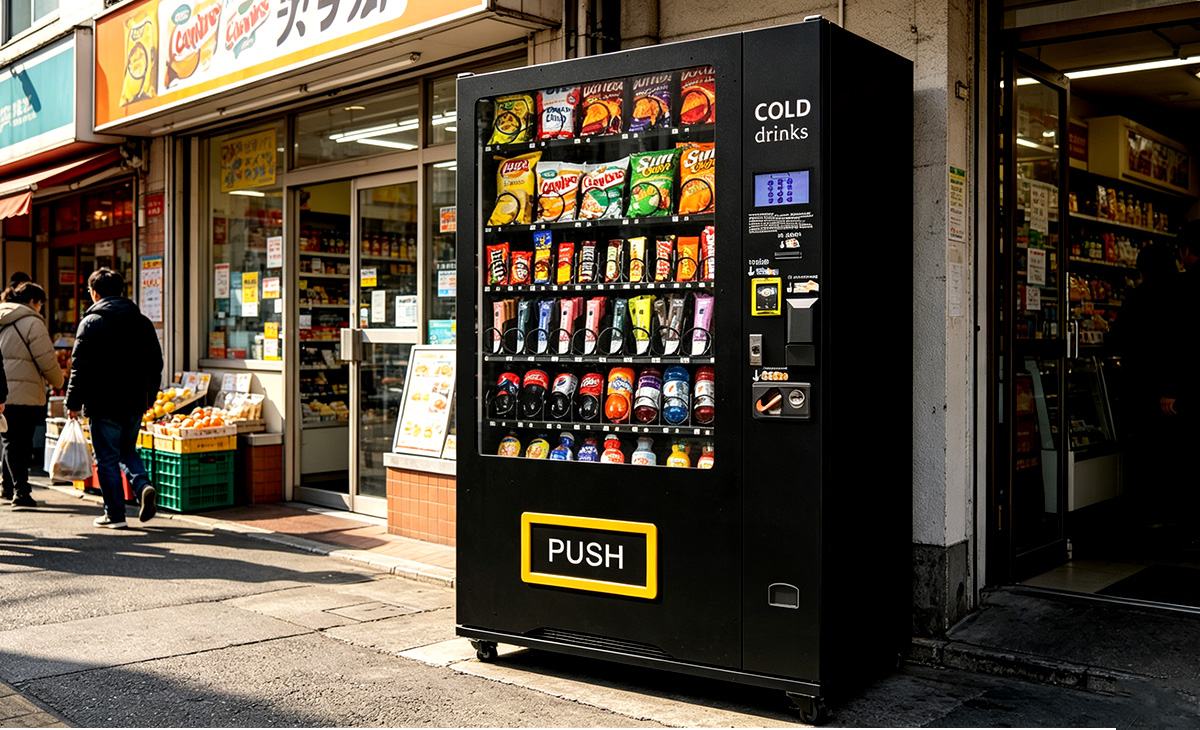
One cost that surprises many new operators is the commission. In high-traffic locations like malls or airports, the site owner may demand 20% to 25% of gross revenue. I have walked away from deals where the commission was too high because the math did not work. Always calculate your net profit after commission before signing a placement agreement.
Where to Place Your Soft Ice Cream Vending Machine
Location is everything. I have seen identical machines in two different spots generate a tenfold difference in revenue. Here are the location types I rank by performance:
High-Performance Locations
- Entertainment venues: Movie theaters, bowling alleys, arcades, and indoor play centers. People are already spending money on fun, and soft ice cream is a natural add-on.
- Tourist attractions: Beaches, parks, museums, and landmarks. Tourists are less price-sensitive and more likely to make impulse purchases.
- College campuses: Students love late-night snacks. A machine near a dorm or student union can do steady volume.
- Hospitals: Visitors and staff appreciate a cold treat, especially in warmer months. Just be prepared for higher cleaning standards.
Medium-Performance Locations
- Retail stores and shopping centers: Works well if placed near the entrance or food court. Avoid back hallways with low traffic.
- Office buildings: Depends on the office culture. Tech companies with free snack policies can be good; traditional offices less so.
- Gyms and fitness centers: Counterintuitive, but post-workout protein ice cream is a growing niche. You need to stock the right mix.
Low-Performance Locations (Avoid These)
- Residential neighborhoods: Unless you have a unique setup like a 24-hour laundromat, the traffic is too low.
- Industrial parks: Workers may want snacks, but soft ice cream is not a typical breakroom item.
- Remote roadside spots: Without existing foot traffic, the machine will sit idle most of the time.
Common Mistakes New Operators Make
I have made most of these mistakes myself, so I can tell you what to avoid:
Buying the cheapest machine. I once bought a machine for $5,000 from a no-name manufacturer. The compressor failed after three months, and replacement parts took six weeks to arrive. I lost an entire summer season. Today, I recommend machines from established manufacturers like Zhongda Smart, which offers reliable units with good after-sales support. Do your due diligence on the manufacturer's reputation and parts availability before buying.
Ignoring seasonal demand. Soft ice cream sales are heavily seasonal in most climates. In colder months, revenue can drop by 50% to 70%. You need to plan for that. Some operators switch to hot beverages or packaged snacks in winter using the same machine, but that requires a multi-purpose unit. Others simply accept the seasonal cycle and budget accordingly.
Skipping the cleaning routine. I have seen machines shut down by health inspectors because the operator did not clean the dispensing nozzle daily. A single health code violation can get your machine removed from a location permanently. Set up a cleaning schedule and stick to it. Some newer machines have automatic cleaning cycles, but manual inspection is still necessary.
Overestimating traffic. Just because a location has 10,000 people passing through daily does not mean they will all buy ice cream. I have placed machines in busy train stations that barely broke even because commuters were in a hurry and not in the mood for a cone. Look for locations where people are relaxed and have time to enjoy a treat.
How to Evaluate a Location Before Placing a Machine
Before I sign any placement agreement, I spend at least a week observing the location. Here is my checklist:
- Count foot traffic during peak hours and off-peak hours. I want at least 500 people per day passing within 10 feet of the proposed machine spot.
- Check for existing food and beverage options. If there are three ice cream shops within 100 meters, the machine will struggle. If there are none, it is a good sign.
- Talk to the site manager about their customer demographics. Families with children are ideal. Office workers in business attire are less likely to buy.
- Assess the power supply and internet connectivity. Machines need a dedicated 15-amp or 20-amp circuit, and many require Wi-Fi for remote monitoring and payment processing.
According to a study by the European Vending & Coffee Service Association (EVA), the average vending machine in Europe generates around €200 to €400 per month in revenue, but ice cream machines in good locations can exceed €1,000 (source: EVA Market Report). That aligns with my experience: the best locations can triple the average.
Maintenance and Repair: What to Expect
Soft ice cream machines are more complex than snack vending machines. They have compressors, pumps, mixers, heaters, and refrigeration systems. Breakdowns happen, especially in hot weather when the machine runs continuously. Here is what I budget for maintenance:
- Daily: Clean the dispensing nozzle and check the mix level.
- Weekly: Inspect the refrigeration system and clean the condenser coils.
- Monthly: Deep clean the hopper and mixing chamber. Replace any worn seals or gaskets.
- Annually: Replace the compressor oil, check refrigerant levels, and calibrate the temperature sensors.
If you are not comfortable doing repairs yourself, you need to find a local vending machine repair technician who specializes in frozen dessert equipment. In many areas, these technicians are scarce, and service calls can cost $150 to $300 per visit. I recommend learning basic troubleshooting yourself. Most issues—like a clogged nozzle or a frozen mix hopper—can be fixed in minutes if you know what to look for.
How to Choose a Supplier or Manufacturer
When I started, I bought machines from whoever offered the lowest price. That was a mistake. Here is what I prioritize now when evaluating suppliers:
Parts Availability
If the manufacturer does not stock replacement parts in your country, do not buy from them. A waiting time of two weeks for a simple pump seal can cost you hundreds in lost revenue. I prefer suppliers that have regional warehouses or partnerships with local distributors. Zhongda Smart, for example, has a network of service centers in Europe and North America, which makes parts sourcing faster.
Technical Support
You want a manufacturer that offers remote diagnostics and phone support. Some machines now have built-in telemetry that alerts the manufacturer when a component is failing. That can save you days of downtime.
Warranty Terms
Look for at least a one-year parts and labor warranty. Some manufacturers offer extended warranties for an additional cost. I usually skip extended warranties and instead set aside a maintenance fund equal to 10% of the machine cost per year.
Customization Options
If you want your machine to have custom branding, a specific payment system, or a unique mix formulation, make sure the supplier can accommodate that. Not all manufacturers offer customization, and retrofitting a machine later is expensive.
FAQ: Soft Ice Cream Vending Machine Business
How much money can a soft ice cream vending machine make?
In a good location, a single machine can generate $800 to $2,500 per month in revenue. After subtracting mix cost, electricity, commission, and maintenance, net profit is typically $300 to $1,200 per month. These figures are based on my own operations and industry benchmarks.
How much does a soft ice cream vending machine cost?
A new machine costs between $8,000 and $18,000. Used machines can be found for $4,000 to $8,000, but they come with higher maintenance risk. Installation adds another $500 to $2,000.
How long does it take to break even?
In a strong location, expect 12 to 24 months to recoup your investment. In average locations, it can take 30 to 36 months. I have seen machines in poor locations never break even.
Should I buy or lease a soft ice cream vending machine?
Leasing is available from some manufacturers, but I prefer buying. Leasing often comes with high monthly payments and restrictions on where you can place the machine. If you have the capital, buying gives you more control and better long-term margins.
What locations are best for soft ice cream vending machines?
Entertainment venues, tourist attractions, college campuses, and hospitals. Avoid residential areas and low-traffic commercial zones.
What permits do I need?
In most US states and European countries, you need a food service permit or vending license. The machine itself must meet local health department requirements for food safety. Check with your local health authority before purchasing a machine. Some jurisdictions also require regular inspections.
How do I choose a supplier?
Look for suppliers with local parts availability, strong technical support, and a track record in frozen dessert vending. I have had good experiences with Zhongda Smart for their reliability and after-sales service. Always ask for references from other operators in your region.
What happens if the machine breaks down?
If you have a maintenance contract, the technician will handle repairs. If you do your own maintenance, you need to be prepared to troubleshoot common issues like compressor failure, pump blockages, and temperature sensor errors. Keep spare parts on hand, including seals, nozzles, and a backup pump.
How can I reduce maintenance costs?
Clean the machine daily, follow the manufacturer's maintenance schedule, and invest in a machine with remote monitoring. Remote monitoring alerts you to problems before they cause a breakdown. Also, train yourself to handle basic repairs—it will save you hundreds of dollars per year.
Final Thoughts from a Decade in the Business
The soft ice cream vending machine business offers real opportunities, but it is not a passive income stream. You need to be hands-on with site selection, machine maintenance, and inventory management. The operators who succeed are the ones who treat it like a business, not a hobby. They track their numbers, clean their machines, and build relationships with location hosts. If you are willing to put in the work, the returns can be solid. But if you are looking for a fully automated system that runs itself, this is probably not the right fit.
This article was updated in May 2025. The market continues to evolve, with new payment technologies and machine designs appearing every year. Stay informed, and do not be afraid to ask experienced operators for advice. Most of us are happy to share what we have learned.