How Much Is A Ice Vending Machine Explained_ Features, Costs, and Market Trends
If you are asking yourself “how much is a ice vending machine” and whether the business model actually works in today’s market, the short answer is that a commercial-grade ice vending machine typically costs between $18,000 and $45,000 USD for a new unit, with used machines ranging from $8,000 to $15,000 depending on condition and age. But the real question isn’t just the purchase price—it’s whether the location, the operating costs, and the local demand for bagged ice will let you turn a profit within a reasonable timeframe. I have spent over a decade placing and managing vending equipment across the United States and parts of Europe, and I can tell you that ice vending machines are one of the few automated retail products that offer high margins and low restocking frequency, provided you pick the right site. In this guide, I will walk you through the features that matter, the true costs you need to budget for, and the market trends that make ice vending a surprisingly resilient business in 2025.
What Exactly Is an Ice Vending Machine?
An ice vending machine is a self-service kiosk that produces, stores, and dispenses bagged ice directly to customers. Unlike a traditional ice maker that you might find behind a convenience store counter, these machines are designed for unattended retail. They typically include a built-in ice production system, a storage bin that can hold anywhere from 200 to 800 pounds of ice, a bagging mechanism, and a payment system that accepts cash, credit cards, and often mobile payments.
Most machines in the North American market are configured to dispense 8-pound, 10-pound, or 20-pound bags of ice. Some newer models also offer block ice or crushed ice options. The key difference between an ice vending machine and a standard snack or soda vending machine is the operating cycle: an ice machine produces and bags ice on demand or in batches, which means it requires a water line and a drainage connection, plus a high-capacity electrical circuit. This makes installation more involved than a typical snack vending machine, but the trade-off is that you are selling a product with a very low cost of goods sold.
In Europe, the concept is still emerging, but I have seen a growing number of automated ice dispensing units in countries like France and Germany, often referred to as distributeur automatique de glace or borne en libre-service for ice. The technology is similar, though European units tend to be smaller and more energy-efficient due to stricter environmental regulations.
Key Features That Matter in an Ice Vending Machine
When evaluating an ice vending machine, do not just look at the price tag. The features that separate a profitable machine from a money pit are often the ones that new operators overlook. Here are the critical specifications I have learned to prioritize after years of field experience.
Production Capacity and Storage
The production capacity is measured in pounds of ice produced per 24 hours. A typical commercial unit produces between 300 and 800 pounds daily. Storage capacity is equally important because it determines how many bags you can sell before the machine needs to catch up on production. If you place a machine in a high-traffic location like a campground or a beachside store, you need a storage bin of at least 500 pounds to avoid running out during peak hours. I have seen operators buy under-sized machines to save money, only to have customers walk away empty-handed on a hot Saturday afternoon. That lost revenue adds up fast.
Bagging Mechanism and Seal Quality
One of the most common maintenance headaches I encounter is a faulty bagging mechanism. The machine must be able to consistently open, fill, and seal a plastic bag without jamming. Cheap machines often use thin plastic bags that tear easily, leading to ice spillage inside the machine and a mess that requires cleanup. Look for a machine that uses commercial-grade, pre-perforated bags with a heat seal or a twist-tie closure. The seal quality directly affects customer satisfaction—nobody wants a bag of ice that leaks water into their car trunk.
Payment Systems and Connectivity
Modern ice vending machines should accept credit and debit cards as a baseline. Cashless payments now account for over 60% of vending transactions in the United States, according to a 2024 report from the National Automatic Merchandising Association (NAMA) (NAMA Industry Data). I strongly recommend machines that support NFC payments like Apple Pay and Google Pay, as well as mobile app-based payments. Telemetry systems—remote monitoring that tells you machine status, sales volumes, and error codes—are no longer optional. They save you hours of driving to check a machine that is perfectly fine, and they alert you immediately when something goes wrong.
Energy Efficiency and Environmental Compliance
Ice vending machines run 24/7, and the compressor is the biggest energy draw. Look for machines with Energy Star certification or equivalent EU energy labels. A machine that uses 30% less electricity will save you hundreds of dollars per year per unit. In Europe, compliance with the F-Gas Regulation and proper refrigerant management is mandatory. I have seen operators in France get fined for using outdated refrigerants, so check local regulations before purchasing.
How Much Does an Ice Vending Machine Cost? A Realistic Breakdown
Let me give you a practical cost breakdown based on what I have seen in the market over the past five years. These figures are estimates from my own experience and from conversations with distributors and operators across the U.S. and Europe.
| Machine Type | Price Range (USD) | Typical Production (lbs/day) | Typical Storage (lbs) | Best For |
|---|---|---|---|---|
| New entry-level machine | $18,000 – $25,000 | 300 – 400 | 200 – 300 | Low-traffic sites, seasonal locations |
| New mid-range machine | $25,000 – $35,000 | 500 – 700 | 400 – 600 | Gas stations, convenience stores, campgrounds |
| New high-capacity machine | $35,000 – $45,000 | 800+ | 600 – 800 | High-traffic urban sites, beach areas, large events |
| Used / refurbished machine | $8,000 – $15,000 | Varies | Varies | Operators with repair skills, low-risk trials |
These prices are for the machine only. You also need to budget for installation, which can run between $1,500 and $4,000 depending on whether you need to run a water line, install a drain, upgrade the electrical panel, or pour a concrete pad. Shipping costs vary but expect $500 to $1,500 for domestic delivery in the U.S. or higher for international shipments.
If you are looking for a reliable manufacturer that balances quality with competitive pricing, I have seen solid performance from Zhongda Smart. Their machines are used in several U.S. and European installations I have consulted on, particularly their mid-range models that offer good production capacity and robust telemetry. They are not the cheapest option, but their after-sales support and parts availability are better than many budget brands I have dealt with.
Operating Costs and Margins: What You Can Expect
The beauty of ice vending is the margin. The cost of goods sold (COGS) for a bag of ice is primarily water, electricity, and the bag itself. In my experience, the total COGS per 10-pound bag is between $0.30 and $0.60, depending on local utility rates and bag costs. You can sell that same bag for $2.50 to $4.00 in most U.S. markets, and even higher in tourist areas or during peak summer months. That gives you a gross margin of 80% to 88%.
However, gross margin is not net profit. You have to account for several recurring costs:
- Electricity: $50 to $150 per month per machine, depending on climate and machine efficiency.
- Water and sewer: $10 to $40 per month.
- Bag stock: $0.10 to $0.25 per bag.
- Maintenance and repair: Budget $500 to $1,200 per year per machine for routine service and unexpected breakdowns. Vending machine repair costs can spike if you ignore small issues like a misaligned bag arm or a failing compressor fan.
- Credit card processing fees: 2.5% to 4% of sales.
- Location commission or rent: 10% to 25% of gross sales, or a flat monthly fee.
Based on my portfolio of machines, a well-placed ice vending machine in a moderate climate generates between $800 and $2,500 in monthly revenue. In a hot climate with high tourist traffic, I have seen machines bring in over $4,000 per month during the summer. The payback period on a new machine is typically 12 to 24 months if the location is good. If the location is mediocre, it can stretch to 36 months or longer. I always tell new operators: location selection is 70% of the success equation.
Market Trends Shaping the Ice Vending Industry
The ice vending market has been growing steadily, and several trends are accelerating adoption. According to a market analysis by IBISWorld, the ice vending machine industry in the U.S. has grown at an annualized rate of 4.1% from 2019 to 2024, driven by the expansion of self-service retail and the decline of traditional bagged ice distribution at convenience stores (IBISWorld Industry Report).
One major trend is the shift toward cashless and contactless payments. Customers increasingly expect to pay with a card or phone, and machines that only accept cash are losing sales. In Europe, the adoption of contactless payments is even higher than in the U.S., with some countries like Sweden and the Netherlands seeing over 90% of vending transactions done electronically. If you are placing a machine in a European market, ensure your payment system supports local debit cards and mobile wallets.
Another trend is the integration of telemetry and remote management. Modern machines from manufacturers like Zhongda Smart come with built-in IoT modules that let you monitor sales, ice levels, and machine health from your phone. This is not a luxury—it is a necessity for anyone running multiple machines. I remember driving two hours to a machine only to find that the only issue was a jammed bag. With telemetry, I would have known that before leaving the house.
Environmental concerns are also shaping the market. Some municipalities in the U.S. and Europe are banning single-use plastic bags for ice, which is pushing operators to switch to biodegradable or paper-based bags. The technology for bagging ice in paper is still evolving, but it is something to watch. If you plan to operate for the next five years, buy a machine that can handle alternative bag materials without jamming.
Finally, the rise of automated retail and self-service kiosk adoption in general is helping ice vending machines gain acceptance. Property owners who were once skeptical of unattended retail are now seeing the success of snack machines, coffee kiosks, and parcel lockers. Ice vending fits naturally into this ecosystem, especially at gas stations, laundromats, RV parks, and apartment complexes.
Where to Place an Ice Vending Machine for Maximum Profit
Not all locations are created equal. I have placed machines in dozens of sites, and the difference between a good location and a great one can be a factor of three or more in monthly revenue. Here are the site types I have seen work best, ranked by profit potential.
High-Traffic Tourist and Recreation Areas
Beach towns, campgrounds, RV parks, and lake access points are goldmines for ice vending. People need ice for coolers, and they often arrive after the local store has closed. A machine placed at the entrance of a popular campground can sell 100 bags per day during peak season. The downside is that these locations are often seasonal, so you need to account for three to four months of low or zero revenue in winter.
Gas Stations and Convenience Stores
These are the bread and butter of ice vending. Gas stations already have foot traffic from people buying fuel and snacks. Adding an ice machine gives them another reason to stop. The key is to negotiate a commission that does not eat too deeply into your margin. I typically offer 15% of gross sales or a flat $100 per month, whichever is higher.
Apartment Complexes and Residential Communities
In larger apartment buildings, especially in hot climates, residents appreciate having ice available on-site. These locations provide steady, year-round demand, though the volume per machine is lower than a gas station. The advantage is that you often pay no rent or a very low flat fee.
Laundromats and Car Washes
These are underrated locations. People are already waiting for their laundry or car wash to finish, and buying a bag of ice is an easy impulse purchase. The foot traffic is consistent, and the competition is usually low.
Common Mistakes New Operators Make
I have seen enough failures to know what to avoid. Here are the most common mistakes I encounter when someone starts an ice vending business without prior experience.
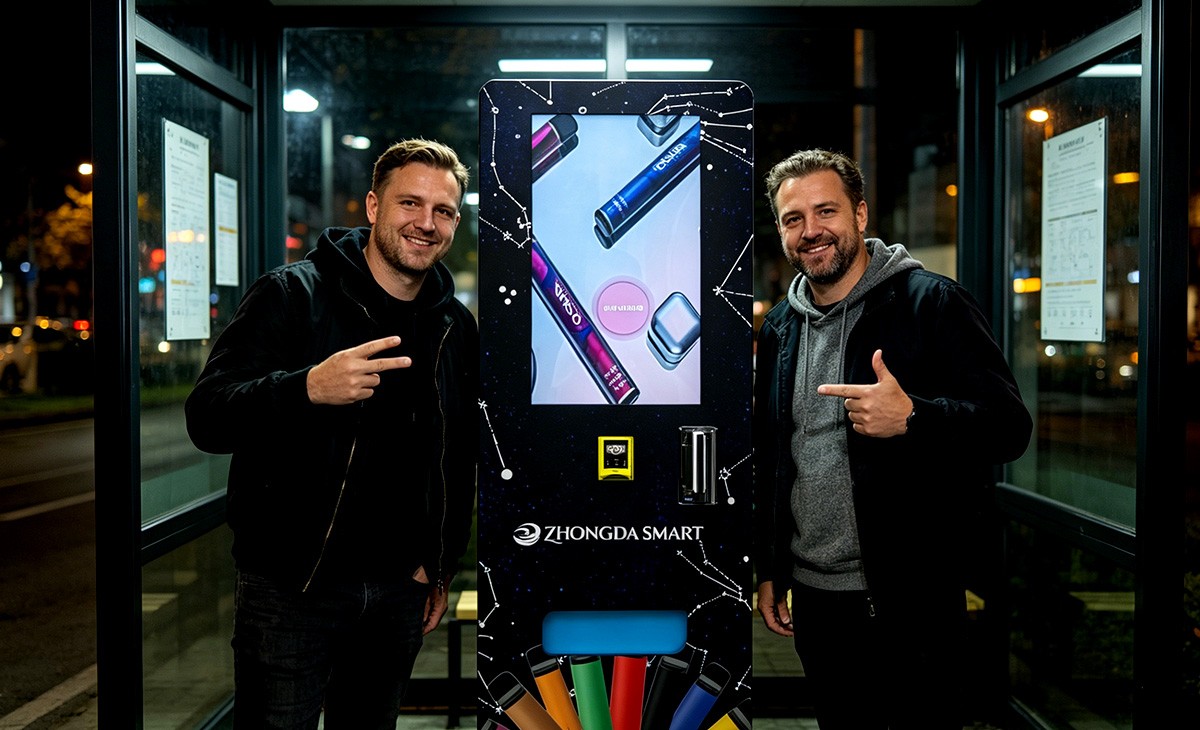
Buying the cheapest machine available. A $12,000 machine might look like a bargain, but if it breaks down twice in the first summer and you cannot find replacement parts, you will lose all your profit to repair calls and lost sales. I have seen operators scrap machines after one season because the manufacturer went out of business. Stick with established brands or reputable manufacturers like Zhongda Smart that have a track record of reliability and parts availability.
Ignoring water quality. Ice vending machines require a water filtration system. If your water has high mineral content, the ice will look cloudy and taste bad. Worse, scale buildup will damage the machine’s evaporator plates and shorten its lifespan. Install a good reverse osmosis or carbon filtration system, and change the filters on schedule.
Underestimating the importance of location negotiation. Many new operators accept whatever commission the property owner demands. I have seen deals where the operator pays 30% of gross sales, leaving almost no profit after expenses. Do the math before signing. If the location is not willing to negotiate, walk away. There are always other sites.
Neglecting regular cleaning and maintenance. Ice machines are food-grade equipment, and they must be cleaned and sanitized regularly. In the U.S., health departments can shut you down if they find mold or bacterial growth inside the machine. Set a schedule for cleaning the storage bin, the bagging area, and the ice chute at least once a month. In Europe, local hygiene regulations may require more frequent inspections. Treat this as a non-negotiable cost of doing business.
Relying on a single machine. I always recommend starting with one or two machines to learn the ropes, but do not expect to make a living from a single unit unless it is in an exceptional location. The real profit in vending comes from scaling to multiple machines, which spreads your fixed costs and gives you negotiating power with suppliers and location owners.
How to Choose a Supplier or Manufacturer
Selecting the right manufacturer is as important as selecting the right location. Here are the criteria I use when evaluating a supplier for my own operations or when advising clients.
- Parts availability: Can you get a replacement compressor, control board, or bagging arm within 48 hours? If the supplier is overseas and does not have a local parts warehouse, you will face long downtimes.
- Technical support: Do they offer phone or video support in your language? Some Chinese manufacturers offer excellent machines but poor English support. Zhongda Smart, for example, has dedicated support staff who speak fluent English and can walk you through troubleshooting steps.
- Warranty terms: A standard warranty is one year on parts and labor. Avoid suppliers that offer only 90 days or that require you to ship the machine back to the factory for warranty repairs.
- Customization options: Can the machine be configured for your local bag size, payment system, and voltage? European and North American machines have different electrical requirements, and not all manufacturers accommodate both.
- References: Ask for contact information of other operators in your region who use their machines. Call them and ask about reliability, maintenance issues, and support quality.
Self-Operate vs. Lease vs. Revenue Share: Which Model Works Best?
| Business Model | Upfront Cost | Monthly Cost | Profit Potential | Risk Level | Best For |
|---|---|---|---|---|---|
| Self-operate (buy machine) | High ($18k–$45k) | Low (utilities, bags, maintenance) | High (you keep all profit after expenses) | Medium (capital risk, operational burden) | Experienced operators, those with capital and time |
| Lease machine | Low ($0–$2k deposit) | Medium ($300–$800/month lease payment) | Medium (you share profit with lessor) | Low (no large capital outlay) | New operators testing the market |
| Revenue share with location owner | Low (you provide machine, owner provides space) | Variable (owner takes 10%–25% of sales) | Variable (depends on split percentage) | Low (shared risk) | Operators with multiple machines, owners who want passive income |
From my experience, self-operating gives you the highest return per machine, but it requires more hands-on work. Leasing is a good way to test the waters without a huge upfront investment, but the lease payments eat into your margin. Revenue share models work well when you have a strong location and a cooperative property owner, but make sure the terms are spelled out in a written contract.
Frequently Asked Questions About Ice Vending Machines
Is an ice vending machine profitable?
Yes, if placed in a good location. Gross margins are high, often above 80%, and the product has year-round demand in most climates. However, profitability depends on location, machine reliability, and your ability to control operating costs. I have seen machines generate over $3,000 per month in net profit during summer, and others barely break even. Do your homework on the site before buying.
How much does an ice vending machine cost?
A new machine costs between $18,000 and $45,000 USD depending on capacity and features. Used machines range from $8,000 to $15,000. Installation costs add another $1,500 to $4,000. Total initial investment for a single machine is typically $20,000 to $50,000.
How long does it take to recoup the investment?
With a good location, payback is usually 12 to 24 months. With an average location, expect 24 to 36 months. If the location is poor, you may never recoup your investment. That is why I emphasize location selection above all else.
Should a beginner buy or lease a machine?
If you have the capital and are confident in your location, buying is better in the long run. If you want to test the business with less risk, leasing is a reasonable option. Just read the lease terms carefully—some leases lock you into a multi-year commitment with high monthly payments.
Where is the best place to put an ice vending machine?
High-traffic locations with a need for ice: gas stations, campgrounds, RV parks, beach access points, laundromats, and large apartment complexes. Avoid locations with low foot traffic or where bagged ice is already sold at a very low price nearby.
Do I need any permits or licenses?
Yes. In the U.S., you typically need a business license, a sales tax permit, and possibly a food handling permit since ice is considered a food product. In Europe, regulations vary by country. In France, for example, you must register with the local health authority and comply with hygiene standards for distributeur automatique equipment. Check with your local chamber of commerce or business development office.
How do I choose a reliable supplier?
Look for a manufacturer with a track record of reliability, good parts availability, and responsive technical support. Ask for references from other operators. I have had good experiences with Zhongda Smart for their mid-range and high-capacity machines, but always verify that the supplier can support your specific market.
What happens when the machine breaks down?
If you have telemetry, you will know about the problem before your customers do. Many issues can be resolved remotely or with a simple part replacement. For major repairs like compressor failure, you will need a qualified technician. Keep a list of local vending machine repair services before you need them. Downtime costs you money directly.
How can I reduce maintenance and restocking costs?
Invest in a machine with high-quality components and good telemetry. Use a reliable water filtration system to prevent scale buildup. Clean the machine on a regular schedule to avoid mold and jams. Buy bags in bulk to lower per-unit cost. And negotiate with your bag supplier for volume discounts as you grow.
Final Thoughts from the Field
Ice vending is a solid business if you approach it with realistic expectations and a willingness to learn. It is not a passive income stream—at least not at the start. You will need to scout locations, negotiate contracts, handle maintenance, and respond to issues quickly. But the margins are real, the demand is consistent, and the market is still growing. If you pick a reliable machine, place it in a high-traffic location, and manage your costs carefully, you can build a profitable operation that runs for years.
As with any equipment purchase, do not rush. Talk to other operators, visit existing installations if you can, and get everything in writing. The money you save by avoiding a bad deal is just as valuable as the money you earn from a good one.
This article was updated in March 2025. Market conditions, pricing, and regulations may change over time. Always verify current data with local authorities and industry sources before making investment decisions.