Brand New Vending Machine Cost Explained_ Features, Costs, and Market Trends
If you are researching the cost of a brand new vending machine, you have likely already realized that the price tag is only the beginning. After a decade in this industry across the US and Europe, I can tell you that the real investment involves understanding where that machine sits, what it sells, and how much you will spend on restocking and repairs before you see a profit. A brand new vending machine cost can range from $2,500 for a basic model to over $12,000 for a high-end smart kiosk, but the total cost to get it running profitably often exceeds the hardware price by 30% to 50%. This guide walks you through the actual costs, the features that matter, and the market trends that will determine whether your automated retail venture succeeds or becomes another piece of unused equipment gathering dust in a warehouse.
What Is a Vending Machine in the Modern Market?
The days of simple candy dispensers are long gone. Today, a vending machine is essentially a self-service kiosk that processes cashless payments, tracks inventory in real time, and often connects to cloud-based management software. In the European and American markets, these machines are now deployed in locations as diverse as office break rooms, university campuses, gyms, hospitals, and even outdoor parks.
From my experience, the most successful operators treat their machines as mini retail stores. They analyze sales data, rotate products based on seasonality, and maintain cleanliness as rigorously as any brick-and-mortar shop. The technology has advanced to the point where a modern machine can accept contactless cards, mobile wallets, and even cryptocurrency in some cases. This shift has made the distributeur automatique a viable option for fresh food, hot beverages, and even electronics.
If you are entering this business, you need to think beyond the hardware. The machine is just the chassis. The real value comes from the software, the payment system, and your ability to choose the right location. I have seen operators fail because they bought a cheap machine and then could not find a reliable vending machine repair service in their area. Do not underestimate the importance of local support.
Brand New Vending Machine Cost Breakdown
Let me give you a realistic breakdown of what you will spend. These figures are based on my own purchases and those of colleagues operating in the US and Western Europe. Prices vary by region, but the ranges are consistent.
| Machine Type | Price Range (USD) | Common Features | Typical Use Case |
|---|---|---|---|
| Basic snack and drink machine | $2,500 – $4,500 | Mechanical coils, basic payment system, no telemetry | Low-traffic break rooms, small offices |
| Combination snack and beverage machine | $4,500 – $7,000 | Dual temperature zones, cashless payment, basic remote monitoring | Medium-traffic offices, schools, gyms |
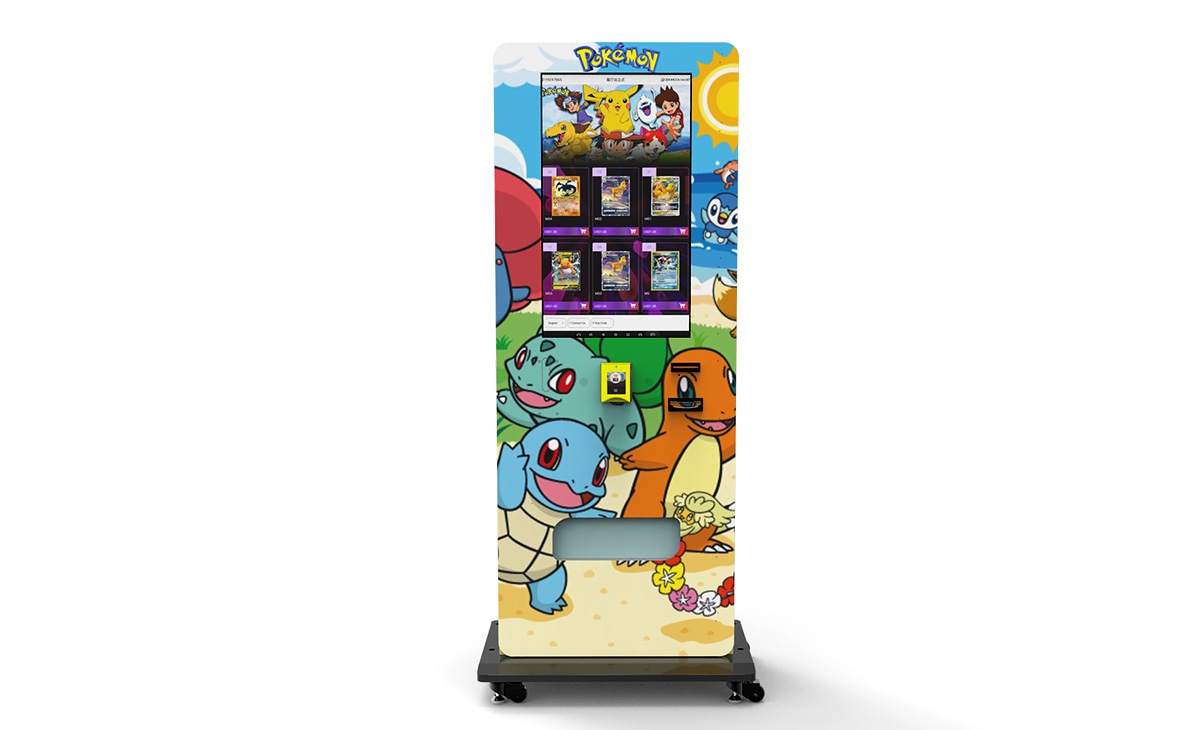
| Smart vending machine with touchscreen | $7,000 – $12,000 | Large touchscreen, inventory management software, contactless payment, telemetry | High-traffic retail, transit hubs, universities |
| Fresh food vending machine (refrigerated) | $8,000 – $15,000 | Multi-temperature zones, expiration date tracking, advanced sensors | Hospitals, corporate campuses, food halls |
These prices are for new machines purchased directly from manufacturers or authorized distributors. I have seen operators buy used machines for half the price, but the maintenance costs often eat up the savings. A brand new vending machine cost might seem high upfront, but the warranty and reliability usually pay off within the first year of operation.
Hidden Costs You Must Consider
The machine itself is only part of the equation. Here are the costs that catch most new operators off guard:
- Delivery and installation: $200 to $600 depending on location and whether the machine needs to go up stairs or through narrow doorways.
- Payment system setup: Credit card readers and telemetry modules can add $400 to $1,200 to the initial cost. Some providers charge monthly fees for processing.
- Inventory for initial stocking: Plan on $500 to $2,000 for your first fill, depending on the machine capacity and product type.
- Location fees or commissions: Many property owners charge a monthly fee or a percentage of sales. This can range from 5% to 25% of gross revenue.
- Insurance: Liability insurance for a single machine is usually $200 to $500 per year, but it is essential if the machine is on public property.
- Vending machine repair fund: I recommend setting aside at least 10% of your monthly revenue for unexpected breakdowns. A compressor failure can cost $800 to repair.
One operator I know in London bought a brand new vending machine for £4,000 but spent another £1,500 on installation and payment integration before the machine ever made a sale. He told me he wished he had budgeted for the full setup cost instead of just the machine price.
Market Trends Shaping the Vending Industry
The vending machine market in Europe and North America is evolving rapidly. According to a report by Statista, the global vending machine market was valued at approximately $28 billion in 2023 and is projected to grow at a compound annual growth rate of around 7% through 2030. This growth is driven by the expansion of cashless payment adoption and the increasing demand for contactless shopping experiences.
Another trend I have observed firsthand is the shift toward healthy and fresh food options. Traditional snack machines are still common, but many new operators are investing in refrigerated machines that offer salads, sandwiches, and yogurt. In France, for example, the concept of the borne en libre-service has become popular in office buildings and train stations, allowing users to grab a fresh meal without interacting with a cashier.
Sustainability is also becoming a factor. Some municipalities in Germany and the Netherlands are introducing regulations that require vending machines to be energy-efficient and use recyclable packaging. If you are planning to deploy machines in these regions, look for Energy Star certified models or those with low standby power consumption.
The integration of telemetry is no longer a luxury. Machines without remote monitoring are becoming harder to manage profitably. I have seen operators reduce their restocking costs by 20% simply by using data to know exactly which products are selling and when to visit each location. A machine en libre-service without data is just a guessing game.
How to Choose the Right Vending Machine Supplier
Selecting a manufacturer or distributor is one of the most critical decisions you will make. I have worked with several suppliers over the years, and I have learned to look for specific qualities before making a purchase.
First, check the warranty. A reputable manufacturer should offer at least a two-year warranty on the compressor and a one-year warranty on electronics. If a supplier offers only a 90-day warranty, walk away. That machine will cost you more in repairs than it saves in purchase price.
Second, ask about spare parts availability. I once bought a machine from a small manufacturer that went out of business six months later. When the bill acceptor failed, I could not find replacement parts anywhere. I now insist on suppliers that have a local parts distribution network or at least a reliable online store.
Third, consider the software ecosystem. Some manufacturers, like Zhongda Smart, offer integrated platforms that combine hardware with inventory management and payment processing. This can save you from having to piece together solutions from multiple vendors. While I do not endorse any single brand, I have found that suppliers who offer end-to-end support tend to have higher customer satisfaction rates among operators.
Finally, ask for references. Any experienced operator will tell you that the best indicator of a good supplier is a long list of repeat customers. If the supplier cannot provide at least three references from operators who have been using their machines for more than two years, that is a red flag.
Location Selection: The Make-or-Break Factor
In my experience, location determines 80% of a vending machine's success. You can have the most advanced self-service kiosk in the world, but if it is placed in a low-traffic area, it will not generate revenue.
Here are the criteria I use when evaluating a potential location:
- Foot traffic: I look for locations with at least 100 to 200 people passing by per day. For high-value items like fresh food, the traffic needs to be even higher.
- Dwell time: People need to have a few seconds to stop and browse. Locations like elevator lobbies, break rooms, and waiting areas work well. Hallways where people are rushing do not.
- Competition: If there is a cafeteria or a convenience store within 50 meters, your machine will struggle. I avoid locations with direct competition unless there is a clear gap in the product offering.
- Accessibility: The location must be accessible for restocking and maintenance. I once placed a machine in a basement that required carrying cases of soda down two flights of stairs. That mistake cost me hours of labor every week.
- Security: Outdoor machines need to be in well-lit areas with some level of surveillance. Vandalism is rare but costly when it happens.
One of my best-performing machines is in a hospital staff break room. The foot traffic is consistent, the dwell time is high because staff have short breaks, and there is no competition because the hospital cafeteria closes at 7 PM. That machine generates about $1,200 per month in revenue with a gross margin of about 40%.
Revenue Potential and Profitability
Let me be clear: vending machines are not a get-rich-quick scheme. A well-placed machine can generate $500 to $2,000 per month in gross revenue. After subtracting product costs (typically 50% to 60% of revenue), location fees (10% to 20%), and maintenance (5% to 10%), your net profit per machine is usually between $150 and $600 per month.
Based on my experience, a brand new vending machine cost of $5,000 to $8,000 will take 12 to 24 months to pay back if the location is good. If the location is marginal, the payback period can stretch to three years or more. I have seen operators abandon machines after two years because they chose poor locations and could not recover their investment.
Here is a simple table that shows potential monthly revenue based on location type:
| Location Type | Estimated Monthly Revenue (USD) | Typical Margin | Payback Period (New Machine) |
|---|---|---|---|
| Small office (50–100 employees) | $300 – $600 | 35% – 45% | 18 – 24 months |
| School or university | $600 – $1,200 | 40% – 50% | 12 – 18 months |
| Hospital or medical center | $800 – $1,500 | 40% – 50% | 10 – 16 months |
| Gym or fitness center | $500 – $1,000 | 35% – 45% | 14 – 20 months |
| Transit hub (train station, airport) | $1,500 – $3,000 | 30% – 40% | 8 – 14 months |
These figures are based on my own operations and discussions with other operators in the US and Europe. Your actual results will vary depending on product pricing, local competition, and operating efficiency.
Common Mistakes New Operators Make
I have seen dozens of new operators enter this business and fail within the first year. Here are the most common mistakes:
Buying the Cheapest Machine Available
I understand the appeal of a $2,000 machine. But the cheap models often lack reliable payment systems, have poor insulation, and break down frequently. One operator I know bought three cheap machines and spent more on repairs in the first year than he would have spent on one quality machine.
Ignoring Payment Technology
In 2025, if your machine does not accept credit cards and mobile payments, you are leaving money on the table. Studies show that cashless payments can increase sales by 20% to 40%. I have seen machines that only accept coins generate half the revenue of identical machines with card readers.
Overstocking or Understocking
New operators often fill their machines with products they like rather than products that sell. I recommend starting with a balanced mix and tracking sales data for the first month. Adjust based on what actually moves. Also, do not overstock perishable items until you know the sales velocity.
Neglecting Maintenance
A dirty or malfunctioning machine drives customers away. I clean my machines every two weeks and perform a full inspection monthly. If you cannot commit to regular maintenance, consider hiring a local vending machine repair service to handle it.
Signing Long-Term Location Contracts
I always start with a month-to-month agreement or a short-term lease. If the location does not perform, I want the flexibility to move the machine. I have seen operators locked into three-year contracts with poor-performing locations, and it cost them thousands.
How to Evaluate a Machine Before Buying
Before you purchase any machine, ask yourself these questions:
- Does the machine support the payment methods my target customers use?
- Is the machine energy-efficient? Look for Energy Star certification or equivalent.
- Can I easily find replacement parts and service technicians in my area?
- Does the manufacturer offer training or onboarding support?
- What is the warranty period, and what does it cover?
- Can the machine be integrated with inventory management software?
I also recommend visiting a location where the same model is already in use. Talk to the operator. Ask about reliability, ease of restocking, and any recurring issues. This firsthand feedback is worth more than any spec sheet.
Self-Operate vs. Lease vs. Profit-Sharing Models
You have several options for getting a machine into the field. Here is a comparison based on my experience:
| Model | Initial Investment | Monthly Cost | Control | Profit Potential |
|---|---|---|---|---|
| Self-operate (buy machine outright) | High ($5,000 – $15,000) | Low (only restocking and repairs) | Full control | High (keep all profits) |
| Lease machine from supplier | Low ($0 – $500 down) | Medium ($150 – $400 per month) | Limited (supplier may dictate products) | Medium (share profits with lessor) |
| Profit-sharing with location owner | Low (machine provided by operator) | Low (location provides space) | Shared (both parties have a say) | Variable (split based on agreement) |
For beginners, I often recommend starting with a single self-operated machine. It gives you full control and a clear understanding of the business before you scale. Leasing can be a good option if you want to test the waters with minimal capital, but the monthly fees can eat into your margins significantly.
FAQ: Answers to Common Questions
Are vending machines profitable?
Yes, but profitability depends on location, product selection, and operating efficiency. A well-placed machine can generate $150 to $600 in monthly net profit. However, many machines fail because of poor location choices or high maintenance costs. I recommend starting with a conservative estimate and expecting a 12- to 24-month payback period.
How much does a brand new vending machine cost?
A brand new vending machine cost ranges from $2,500 for a basic model to over $15,000 for a high-end refrigerated machine with touchscreen and telemetry. The average cost for a reliable combination machine is between $5,000 and $8,000. Remember to budget for installation, payment system setup, and initial inventory.
How long does it take to break even?
In my experience, a well-placed machine with good sales typically breaks even in 12 to 18 months. Machines in high-traffic locations like hospitals or transit hubs can pay back in 8 to 14 months. Marginal locations may take 24 months or longer. I always advise new operators to have enough capital to cover the first six months of operating expenses without relying on machine revenue.
Should I buy or lease a vending machine?
If you have the capital and want full control, buying is better in the long run. Leasing is a good option if you want to test the business with minimal upfront risk. However, leasing contracts often include restrictions on product selection and require you to use the lessor's payment system, which can limit your flexibility.
Where should I place my vending machine?
Look for locations with consistent foot traffic, dwell time, and limited competition. Good options include office break rooms, hospital staff areas, university common rooms, gyms, and transit hubs. Avoid locations where people are always in a hurry or where there is a nearby cafeteria or convenience store.
What permits or licenses do I need?
Requirements vary by country and municipality. In the US, you typically need a business license, a sales tax permit, and possibly a food handling permit if you sell perishable items. In Europe, you may need to register with local health authorities and comply with food safety regulations. Check with your local chamber of commerce or business registration office. The European Commission provides guidance on food safety requirements for vending machines.
How do I choose a vending machine supplier?
Look for suppliers with a strong warranty, reliable spare parts availability, and good customer support. Ask for references from operators who have used their machines for at least two years. Manufacturers like Zhongda Smart offer integrated solutions that combine hardware, software, and payment processing, which can simplify your operations. However, always compare multiple suppliers before making a decision.
What happens if my machine breaks down?
You need a plan for vending machine repair. If you are handy, you can learn basic repairs like replacing a bill acceptor or fixing a jammed coil. For major issues like compressor failure, you will need a professional technician. I recommend building a relationship with a local repair service before you even buy your first machine. Some manufacturers offer service contracts that cover repairs for a monthly fee.
How can I reduce restocking and maintenance costs?
Use telemetry and inventory management software to track sales in real time. This allows you to restock only when needed and to focus on high-selling products. I also recommend standardizing the products you carry across multiple machines to simplify purchasing and reduce waste. Regular cleaning and preventive maintenance can also extend the life of your equipment and reduce emergency repair costs.
Final Thoughts from a Seasoned Operator
I have been in this business long enough to see the highs and lows. The vending machine industry is not as simple as some online courses make it seem, but it is a viable business if you approach it with realistic expectations and a willingness to learn. The brand new vending machine cost is just the entry fee. Your real investment is in location scouting, product selection, and ongoing maintenance.
If you are serious about entering this field, start small. Buy one machine, place it in a location you know well, and track every metric. Learn from your mistakes before scaling. The operators who succeed are not the ones who buy the most machines, but the ones who operate their machines with discipline and attention to detail.
I hope this guide gives you a clear picture of what to expect. The automated retail space is growing, and there is room for new operators who are willing to do the work. Just go in with your eyes open, and do not believe the hype about instant profits. This is a real business, and it deserves real respect.
This article was updated in January 2025. Market conditions, costs, and regulations may change over time. Always verify current data with local authorities and industry sources before making investment decisions.
Sources
Statista. "Vending Machine Market Worldwide." https://www.statista.com/topics/1181/vending-machines/
European Commission. "Food Safety for Vending Machines." https://food.ec.europa.eu/safety/hygiene_en
IBISWorld. "Vending Machine Operators in the US." https://www.ibisworld.com/united-states/market-research-reports/vending-machine-operators-industry/