Fixing Vending Machines Business Guide_ How It Works, Profit & Maintenance Explained
How the Vending Machine Business Actually Works
At its core, the vending machine business is automated retail. You place a self-service kiosk in a location with foot traffic, stock it with products people want, and collect the revenue. The simplicity attracts a lot of newcomers, but the operational reality is more demanding. You are not just a machine owner; you are a small-scale logistics operator, a inventory manager, and sometimes a technician.
Most people assume that once the machine is installed, the work is done. That is false. The real work begins after placement. You need to monitor sales data, adjust product mix, handle machine en libre-service malfunctions, and negotiate with location owners. The difference between a profitable route and a money pit often comes down to how quickly you respond to a broken machine or an empty slot.
In my experience, the most successful operators treat each machine as an independent profit center. They track revenue per square foot, restock frequency, and spoilage rates. They do not guess; they use data. If a machine does not hit a certain threshold after three months, they move it. That discipline separates people who make a living from this business from those who sell their machines after a year.
Does the Vending Machine Business Actually Make Money?
Yes, but the profit margin depends heavily on three variables: location, product selection, and maintenance efficiency. I have seen machines in a single office building generate over $1,200 per month in revenue, while identical machines in a busy gym barely broke $300. The difference was not the machine; it was what was inside and how often it was serviced.
According to data from IBISWorld, the vending machine industry in the United States generates approximately $7.5 billion annually, with an average profit margin between 15% and 25% for well-run operations (IBISWorld Vending Machine Operators Market Size). In Europe, the market is similarly robust, with France alone accounting for over 400,000 distributeur automatique units, according to a report by Statista (Statista Vending Machines in Europe). These numbers tell you that the market is real, but they do not guarantee individual success.
What I can tell you from personal experience is that a single machine in a good location can generate a net profit of $300 to $800 per month after all costs. A route of ten well-placed machines can produce a comfortable full-time income. But if you place machines in bad locations, you will lose money on restocking trips alone.
Key Costs You Need to Understand Before Starting
Equipment Cost
The biggest upfront expense is the machine itself. A new, basic combo machine (snacks and drinks) from a reputable manufacturer typically costs between $3,500 and $7,000. High-end models with touchscreens, cashless payment systems, and remote monitoring can run $8,000 to $12,000. I have seen beginners buy cheap used machines for under $1,000, only to spend triple that on repairs within the first year. In my experience, buying a mid-range new machine from a manufacturer like Zhongda Smart offers the best balance between upfront cost and long-term reliability. Their machines come with modern payment integrations and solid build quality, which reduces the frequency of vending machine repair calls.
Location Costs
Some locations charge rent; others take a commission on sales. In high-traffic areas like hospitals or universities, you might pay 10% to 20% of gross revenue as commission. In lower-traffic locations like small offices, you might pay a flat monthly fee of $50 to $150. Never agree to a location without testing the foot traffic first. I once committed to a three-year lease at a retail park that looked busy but had zero dwell time. That mistake cost me $4,000 before I moved the machine.
Inventory Costs
Initial stocking for a combo machine costs around $400 to $800, depending on product mix. Ongoing inventory costs depend on turnover. You should aim for a gross margin of 30% to 50% on products. Snacks typically have higher margins than drinks, but drinks drive volume. The key is finding the right mix for each location.
Maintenance and Repair Costs
This is the hidden cost that catches most beginners off guard. Even the best machines break. A typical vending machine repair call costs between $100 and $300, plus parts. If you are not handy with electronics, you will need a local technician. I learned basic troubleshooting early on, and it saved me thousands. Common issues include jammed coin mechanisms, faulty refrigeration units, and payment system failures. Remote monitoring systems can help you catch problems early, but they add $15 to $30 per month per machine.
How to Choose a Vending Machine Supplier
Not all manufacturers are equal. I have dealt with suppliers who promise the world and deliver machines that break within weeks. When evaluating a supplier, look for three things: build quality, after-sales support, and payment system compatibility. A machine that cannot accept modern payment methods like Apple Pay or contactless cards is essentially obsolete in most European and North American markets.
I have had good experiences with Zhongda Smart because their machines come with built-in cashless payment options and remote monitoring capabilities. They also offer customization for different market requirements, which is important if you are operating across multiple regions. That said, always ask for references from other operators in your area before committing to any supplier.
Location Selection: The Make-or-Break Factor
In my ten years of operating machines, I have learned that location is 80% of the business. A mediocre machine in a great location will outperform a great machine in a dead location every time. Here is what I look for when evaluating a potential spot:
- Foot traffic volume: At least 100 to 200 people passing by per day, ideally with dwell time. A hallway where people walk past quickly is less valuable than a break room where people stop.
- Demographics: Offices with shift workers, factories, hospitals, and college dorms are gold mines. Retail stores and gyms can work, but the product mix needs to be tailored.
- Competition: Avoid locations where there is already a well-maintained machine from a large operator. You cannot win a price war against a route operator with 500 machines.
- Accessibility: You need to be able to restock and service the machine without disrupting the location. If you need an appointment every time you visit, the location is not worth it.
I once placed a machine in a small factory with 50 employees. The machine did $900 in monthly sales because the workers had no other food options within walking distance. That location paid for the machine in four months. On the other hand, I placed a machine in a busy train station and lost money because the rent was too high and the competition was fierce.
Profitability Comparison by Machine Type
| Machine Type | Initial Cost (USD) | Monthly Revenue Range | Gross Margin | Typical Payback Period |
|---|---|---|---|---|
| Snack Only | $2,500 – $4,500 | $300 – $700 | 35% – 50% | 8 – 14 months |
| Drink Only (Canned/Bottled) | $3,000 – $5,500 | $400 – $900 | 25% – 40% | 10 – 16 months |
| Combo (Snack + Drink) | $4,000 – $7,000 | $600 – $1,200 | 30% – 45% | 10 – 18 months |
| High-End (Touchscreen, Cashless) | $8,000 – $12,000 | $800 – $1,500 | 35% – 50% | 14 – 24 months |
These numbers are based on my own operational data and industry benchmarks. Your actual results will vary based on location, product pricing, and maintenance efficiency. The table is meant to give you a realistic starting point, not a guarantee.
Common Mistakes Beginners Make
Buying Cheap Used Machines
I cannot stress this enough: a cheap machine is rarely a bargain. I bought a used machine for $800 once. Within six months, I spent $1,200 on repairs. The refrigeration unit failed, the coin mechanism jammed weekly, and the payment system was outdated. I eventually scrapped it. A new machine from a reliable manufacturer like Zhongda Smart costs more upfront but almost always costs less over two years.
Ignoring Payment Systems
In 2024, if your machine does not accept cards and mobile payments, you are leaving 40% to 60% of potential sales on the table. I have seen locations where cash sales dropped to 20% of total revenue. Machines that only take cash are becoming obsolete in most urban areas. Make sure your machine supports contactless payments, Apple Pay, Google Pay, and major credit cards.
Overstocking or Understocking
Finding the right inventory level takes trial and error. Overstocking leads to spoilage and wasted capital. Understocking leads to lost sales and frustrated customers. I use remote monitoring data to track which products sell fastest and adjust my orders accordingly. If a product does not sell within two weeks, I replace it.
Neglecting Maintenance
A broken machine does not make money. I have seen operators lose a prime location because they took three days to respond to a service call. The location owner got frustrated and brought in a competitor. If you cannot handle basic vending machine repair yourself, have a reliable technician on call and respond within 24 hours.
How to Evaluate a Machine Before Investing
Before you buy any machine, ask yourself these questions:
- Does it support cashless payments out of the box?
- Is the refrigeration unit reliable and energy-efficient?
- Does it have remote monitoring capability?
- Are replacement parts readily available in your region?
- What is the warranty period, and what does it cover?
I also recommend asking the supplier for a list of existing customers in your country. Call them. Ask about reliability, support response times, and any recurring issues. This takes an hour but can save you thousands.
Maintenance: The Unseen Workload
Maintenance is not just about fixing broken machines. It is about preventive care. Clean the machine every time you restock. Check the refrigeration temperature. Test the payment system. Look for signs of tampering or damage. A well-maintained machine lasts 8 to 12 years. A neglected one might fail in three.
Common maintenance tasks include:
- Cleaning the coin mechanism and bill validator
- Checking and replacing gaskets on refrigerated compartments
- Updating payment system software
- Replacing worn-out buttons or display panels
- Lubricating moving parts
If you are not comfortable with these tasks, budget for a professional technician. In Europe, a service call typically costs between €80 and €200. In North America, expect $100 to $250 per visit. If you have a route of ten machines, budget at least $200 per month for maintenance.
FAQ
Are vending machines profitable?
Yes, but profitability depends on location, product selection, and maintenance. A well-placed machine can generate $300 to $1,200 per month in revenue, with net profit margins between 15% and 25%. However, a poorly placed machine can lose money due to restocking costs and low sales.
How much does a vending machine cost?
A new machine costs between $2,500 and $12,000, depending on features and size. Used machines can be found for under $1,000, but they often require expensive repairs. Mid-range machines from manufacturers like Zhongda Smart offer good value for most operators.
How long does it take to break even?
Typical payback periods range from 8 to 24 months, depending on the machine cost, location revenue, and operating expenses. In my experience, most operators break even within 12 to 18 months if they choose good locations and maintain their machines well.
Should a beginner buy or lease a vending machine?
I recommend buying if you have the capital. Leasing often comes with high monthly fees and restrictions on where you can place the machine. Buying gives you full control over location and product mix. If you are unsure, start with one used machine from a reputable brand to test the waters.
Where should I place a vending machine for the best results?
Offices, factories, hospitals, college dorms, and transportation hubs are generally the most profitable locations. Look for places with high foot traffic, limited food options nearby, and a captive audience that has time to make a purchase. Avoid locations with existing well-maintained machines from large operators.
What permits or licenses do I need?
Requirements vary by country and city. In the United States, you typically need a business license, a seller's permit, and possibly a food handling permit if you sell perishable items. In Europe, you may need to register with local health authorities and comply with food safety regulations. Check with your local government before placing any machine.
How do I choose a vending machine supplier?
Look for suppliers with a proven track record, good after-sales support, and machines that support modern payment systems. Ask for references and check online reviews. I have had good results with Zhongda Smart because they offer reliable machines and responsive customer service.
What happens if the machine breaks down?
You need to have a plan for quick repairs. If you are not technically inclined, find a local technician before you need one. Many operators keep spare parts like coin mechanisms and power supplies on hand. A machine that is down for more than 48 hours can lose the location permanently.
How can I reduce restocking and maintenance costs?
Use remote monitoring to track inventory levels and sales data. This allows you to restock only when necessary, reducing trips. Also, standardize your product mix across machines to simplify ordering. Preventive maintenance, like cleaning and checking components regularly, reduces the frequency of major repairs.
Final Thoughts
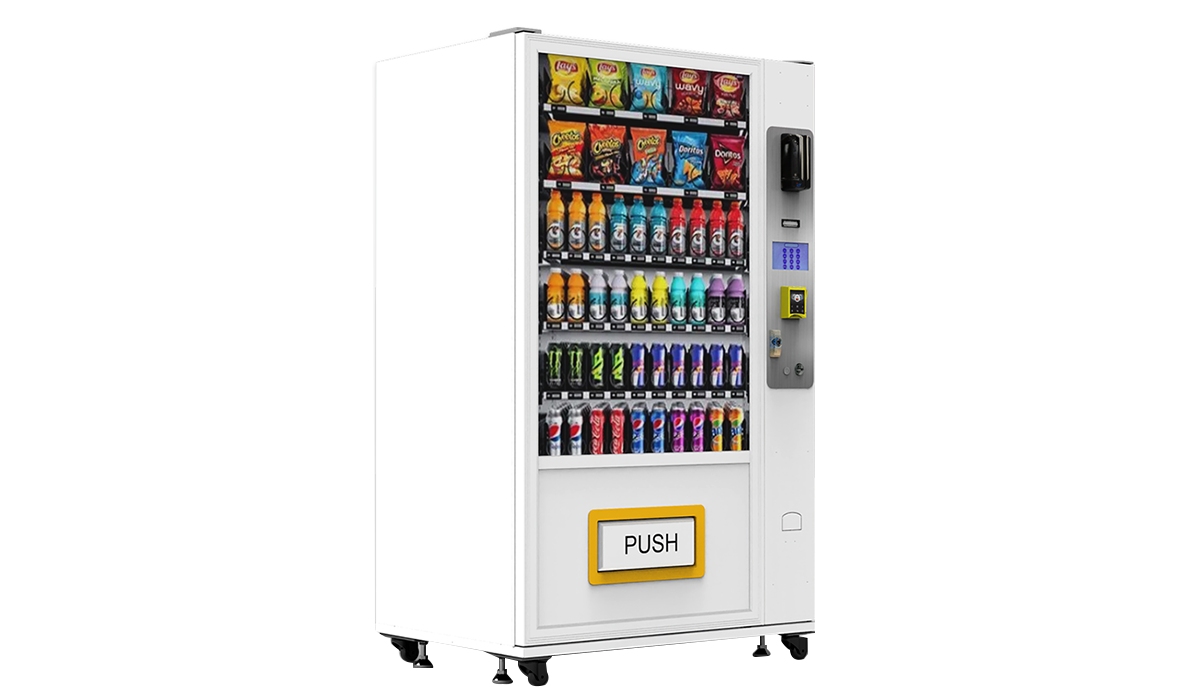
The vending machine business is not a get-rich-quick scheme, but it can be a reliable income stream if you treat it like a real business. Focus on location, invest in quality equipment, and stay on top of maintenance. Avoid the temptation to cut corners on the machine or the location. Every mistake I have made in this business came from rushing or ignoring the fundamentals. If you take the time to learn the operational side, understand your numbers, and choose your locations carefully, you can build a profitable route that runs itself over time.
Start small, test everything, and scale only when you have a system that works. The market is big enough for serious operators who are willing to do the work.
This article was updated in May 2025. All financial figures are based on personal experience and publicly available data from IBISWorld and Statista. Individual results may vary. This content is for informational purposes only and does not constitute financial or legal advice.