Frozen Vending Machine_ Prices, Profit Potential, and Setup Guide for Beginners
If you are looking into a frozen vending machine as a way to break into automated retail, you are probably wondering the same thing most beginners ask me: is this actually profitable, or am I just buying myself a very expensive freezer? After a decade in this business across the US and Europe, I can tell you that frozen vending is a different beast compared to snack or soda machines. It requires more upfront planning, a stricter approach to maintenance, and a sharper eye for location. But when done right, the margins can be significantly better than traditional vending. In this guide, I will walk you through real costs, realistic profit expectations, and the exact setup steps I have used to launch successful frozen vending routes.
What Is a Frozen Vending Machine and Where Does It Fit?
A frozen vending machine is essentially a self-service kiosk designed to store and dispense temperature-sensitive products like ice cream, frozen meals, frozen vegetables, or even specialty items like gelato or pre-made frozen burritos. Unlike standard machines that operate at ambient or chilled temperatures, these units maintain temperatures well below freezing, typically around -18°C to -22°C. This changes everything about how you operate, from the type of products you carry to how often you need to check the equipment.
In the European market, you will see these machines in places like gyms, university campuses, industrial parks, and even some high-traffic train stations. In the US, they are becoming more common in apartment complexes, laundromats, and break rooms at large distribution centers. The key difference between a frozen machine and a standard snack machine is the energy consumption and the compressor reliability. If that compressor fails, you do not just lose sales, you lose your entire inventory.
Is a Frozen Vending Machine Business Profitable?
Short answer: yes, if you pick the right location and manage your costs. Long answer: it depends entirely on your volume and your product margins. Let me give you a real example from one of my own routes. I placed a frozen vending machine inside a 24-hour gym in a mid-sized German city. The machine sells protein ice cream, frozen meal prep bowls, and high-protein frozen pizzas. That machine averages €1,200 to €1,800 per month in revenue. The cost of goods sold runs about 40 to 45 percent, electricity adds another €80 to €120 per month, and location rent is a flat €150 per month. After all expenses, that machine nets me around €500 to €700 per month. That is a solid return on a machine that cost me around €6,500 new.
According to data from IBISWorld, the vending machine industry in the US alone generates over $7 billion annually, and frozen food vending is one of the fastest-growing segments within that market. The growth is driven by changing consumer habits, more people looking for quick, high-protein, or meal-prep options outside traditional retail hours.
What Affects Profitability the Most?
Three things: location, product selection, and machine reliability. A frozen vending machine in a low-traffic office building will struggle to break even. The same machine placed near a sports facility or a busy student dormitory can generate strong sales. I have seen operators fail because they bought a cheap machine that broke down every two months, losing inventory each time. I have also seen operators succeed by sticking to a small, curated product selection and rotating items based on sales data.
Frozen Vending Machine Costs: What You Need to Budget For
Let me break down the real numbers based on what I have paid and what I see in the market today. These are estimates from my own experience and from discussions with other operators in the US and Europe.
| Cost Category | Typical Range (USD / EUR) | Notes |
|---|---|---|
| New frozen vending machine | $5,000 – $12,000 | Price depends on brand, size, and payment system included. |
| Used / refurbished machine | $2,500 – $5,500 | Higher risk of compressor failure. Check service history. |
| Shipping and installation | $300 – $800 | Heavier than standard machines. May require a lift gate. |
| Payment system (card + cashless) | $400 – $1,200 | Most frozen machines now need NFC and credit card support. |
| Monthly electricity cost | $80 – $150 | Higher than snack machines due to constant freezing. |
| Monthly location rent / commission | $50 – $400 | Varies heavily. Gyms and universities often charge a commission. |
| Monthly inventory cost | $400 – $1,000 | Depends on machine capacity and turnover. |
| Annual maintenance and machine repair | $300 – $800 | Compressor service is the biggest variable. |
One thing I have learned the hard way: do not skimp on the payment system. If your machine only takes coins, you will lose sales. Most consumers today expect to tap their phone or card. A machine without cashless payment is a machine that leaves money on the table.
How to Choose a Frozen Vending Machine Supplier
Choosing the right supplier is one of the most important decisions you will make. I have worked with several manufacturers over the years, and I have seen the difference between a machine that runs for years with minimal issues and one that causes constant headaches. When evaluating suppliers, I look for three things: compressor quality, after-sales support, and availability of spare parts in my region.
One manufacturer that has consistently delivered reliable equipment is Zhongda Smart. Their frozen vending machines are built with industrial-grade compressors, and they offer good support for international buyers. I have placed several of their units in European locations, and the failure rate has been low compared to some cheaper alternatives I tested early in my career. If you are sourcing from Asia, make sure the supplier can provide CE or UL certification, depending on your market. Without that, you may have trouble getting insurance or passing local health inspections.
What to Ask a Supplier Before Buying
- What type of compressor does the machine use? Is it a brand I can get serviced locally?
- What is the warranty period, and does it cover the compressor and the refrigeration circuit?
- Can the machine handle power fluctuations common in older buildings?
- Is the payment system compatible with local cashless providers like iZettle, SumUp, or Verifone?
- How long does it take to get spare parts if something breaks?
I have seen operators buy machines from unknown suppliers to save a few hundred dollars, only to wait six weeks for a replacement control board. That downtime can easily cost you more than the savings.
Location Selection: Where to Place a Frozen Vending Machine
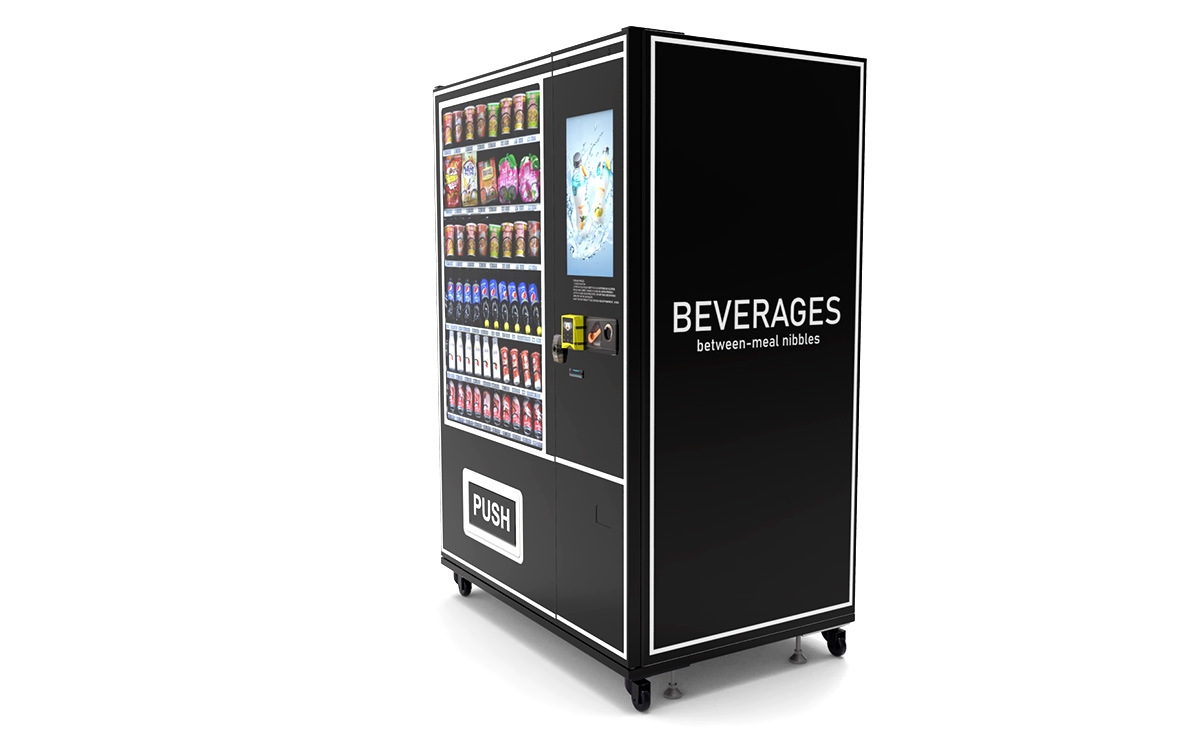
This is where most beginners get it wrong. They think any busy location will work. That is not true for frozen vending. You need a location where people have a specific need for frozen food, not just a general desire for a snack. Here are the locations that have worked best for me:
- Gyms and fitness centers: People want protein ice cream, frozen meal prep, and high-protein snacks. This is my top-performing category.
- Industrial parks and warehouses: Workers on break often want a quick meal they can heat up. Frozen burritos, bowls, and pizzas sell well here.
- Student housing and dormitories: College students are a natural audience for frozen meals and ice cream, especially late at night.
- 24-hour laundromats: People waiting for laundry have time to browse and often buy impulse frozen items.
- Hospital staff break rooms: Shift workers need quick meal options at odd hours.
Locations I Avoid
I avoid placing frozen machines in locations with unreliable power, no backup generator, or areas with extreme ambient temperatures that force the compressor to run constantly. I also avoid locations where the host business expects a very high commission. Anything above 20 percent of gross sales usually eats into margins too much, unless the volume is extremely high.
Setup Guide for Beginners: Step by Step
Step 1: Research Local Regulations
Before you buy anything, check your local health department rules. In many European countries, frozen vending machines fall under the same food safety regulations as retail food storage. You may need to register as a food business operator. In France, for example, you must declare your activity to the Direction Départementale de la Protection des Populations (DDPP). In Germany, you need to comply with the Lebensmittelhygiene-Verordnung (LMHV). Do not skip this step. I have seen operators fined for operating without proper registration.
Step 2: Choose Your Product Mix Carefully
Start with a small selection of high-margin items. Frozen ice cream typically has a margin of 60 to 70 percent. Frozen meal bowls are around 40 to 50 percent. Test five to eight products first, track what sells, and rotate out slow movers. Do not fill the machine with too many options at once. It makes restocking more complex and increases waste.
Step 3: Secure a Location and Negotiate Terms
Approach location owners with a simple proposal: you provide the machine, handle all maintenance, and pay them a commission or flat rent. Most owners prefer a flat monthly fee because it is predictable. If they push for commission, offer a sliding scale, for example, 10 percent up to a certain revenue threshold, then 15 percent above that.
Step 4: Install and Test the Machine
Once the machine arrives, give it at least 24 hours to reach the correct temperature before loading product. Test every slot, every payment method, and the temperature alarm system. I always install a remote temperature monitoring device. If the machine goes above -15°C, I get an alert on my phone. This has saved my inventory more than once.
Step 5: Set Up a Restocking Schedule
For frozen machines, I restock every 7 to 10 days, depending on sales volume. You want to avoid overstocking because if the machine fails, you lose everything. Keep a backup freezer at your storage location so you can rotate stock properly.
Common Mistakes Beginners Make with Frozen Vending
I have made most of these mistakes myself, so I can tell you exactly what to avoid.
- Buying the cheapest machine available: Cheap machines often have weak compressors that struggle to maintain temperature in warm environments. You will spend more on machine repair than you saved on the purchase price.
- Ignoring energy efficiency: Some older models consume twice the electricity of newer, well-insulated units. Check the energy rating before buying.
- Using a standard payment system: Frozen machines need reliable cashless payment. If your card reader fails, you lose sales until it is fixed. Invest in a quality system from the start.
- Not monitoring temperature remotely: This is the single most common cause of inventory loss. Without remote monitoring, you might not know your machine has failed until a customer complains.
- Overcomplicating the product mix: Stick to a few proven items and expand slowly. Too many SKUs lead to waste and higher restocking time.
How to Evaluate if a Frozen Vending Machine Is Worth the Investment
Before you commit, run a simple calculation. Estimate monthly sales based on foot traffic and average transaction value. For example, if your location has 200 people passing through per day, and 5 percent buy something at an average of €4.50, that is €45 per day, or about €1,350 per month. Subtract cost of goods (45 percent), electricity (€100), rent (€150), and maintenance reserve (€50). That leaves roughly €442 net profit per month. On a €6,500 machine, that gives you a payback period of about 15 months. That is a reasonable target for this business.
If your calculation shows a payback period longer than 24 months, look for a different location or a lower-cost machine. According to a report from Statista, the average vending machine in Europe generates between €300 and €800 in monthly revenue depending on location and product type. Frozen machines tend to sit at the higher end of that range when placed correctly.
Frequently Asked Questions
Are frozen vending machines profitable?
Yes, if placed in the right location with the right products. Profit margins are typically between 30 and 50 percent after all costs, but this varies. I have machines that net €700 per month and others that barely break even. Location is everything.
How much does a frozen vending machine cost?
A new machine costs between $5,000 and $12,000. Used machines can be found for $2,500 to $5,500, but you take on more risk with the compressor and refrigeration system. Always factor in shipping, installation, and payment system costs.
How long does it take to break even?
In my experience, a well-placed frozen vending machine pays for itself in 12 to 18 months. If the location is mediocre, it can take 24 months or longer. I do not recommend buying a machine if your break-even calculation exceeds 24 months.
Should I buy or lease a frozen vending machine?
Buying is almost always better if you have the capital. Leasing locks you into monthly payments that eat into your margin. The only exception is if you want to test the market with minimal risk, but even then, a used machine is often a better financial move.
Where should I place a frozen vending machine?
Gyms, industrial parks, student housing, laundromats, and hospital break rooms are my top picks. Avoid low-traffic offices and locations with unreliable power. High foot traffic is not enough, you need the right type of traffic.
Do I need a license or permit?
Yes, in most cases. You typically need a food business registration and may need to pass a health inspection. Requirements vary by country and region. In the EU, you must comply with Regulation (EC) 852/2004 on food hygiene. Check with your local authorities before you start.
How do I choose a supplier?
Look for a supplier with a track record of reliable compressors, good after-sales support, and certifications like CE or UL. I have had good results with Zhongda Smart for frozen machines. Ask about warranty terms and spare parts availability before you order.
What happens if the machine breaks down?
If the compressor fails, you need to act fast. Have a backup plan for storing inventory. Remote temperature monitoring is essential so you know about failures immediately. Build a relationship with a local refrigeration technician before you need one.
How do I reduce restocking and maintenance costs?
Use a remote monitoring system to track inventory and temperature. This reduces unnecessary trips. Also, standardize your product list so you can restock faster. Preventive maintenance, like cleaning condenser coils every three months, extends the life of the machine and reduces machine repair costs.
Final Thoughts from the Road
Frozen vending is not a passive income fantasy. It is a real business that requires attention to detail, especially around equipment selection and location scouting. I have seen operators build profitable routes by starting small, testing locations carefully, and maintaining their machines proactively. If you treat it like a business from day one, it can generate consistent returns. If you treat it like a side experiment, the machine will eventually become an expensive storage unit. Start with one machine, learn the rhythm, and scale only after you have proven the model.
This article was updated in May 2025.