Is Outdoor Vending Machine For Sale Worth It_ Pros, Cons, and Real-World Insights
I have been in the automated retail space for over a decade, operating machines across the United States and parts of Europe. If you are asking whether an outdoor vending machine for sale is worth the investment, the short answer is yes—but only if you understand the specific challenges that come with placing equipment outside. Unlike indoor units that benefit from climate control and steady foot traffic, outdoor machines face weather exposure, temperature swings, and higher maintenance demands. However, they also unlock locations that indoor machines cannot reach, such as parks, gas stations, and industrial lots. In this article, I will share real-world insights from my own operations, break down the costs and returns you can realistically expect, and help you decide if an outdoor vending machine for sale fits your business goals.
What Is an Outdoor Vending Machine and Where Does It Belong?
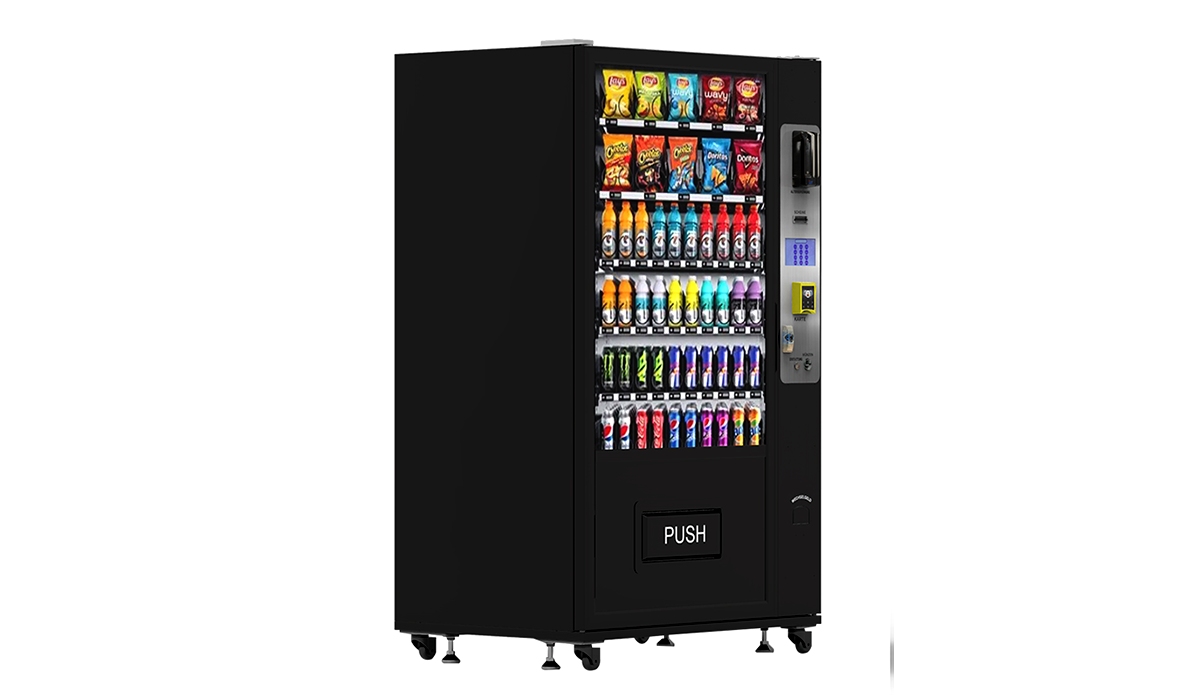
An outdoor vending machine is essentially a self-service kiosk designed to operate in uncovered or semi-covered environments. These machines are built with weather-resistant materials, reinforced locking mechanisms, and often include insulation or internal heating and cooling systems to handle temperature extremes. The most common types you will find on the market include snack machines, drink machines, combination units, and specialized food machines.
Outdoor machines are not just smaller versions of indoor units. They must withstand rain, direct sunlight, dust, and sometimes vandalism. In my experience, the difference between a machine that lasts five years and one that lasts fifteen often comes down to the quality of the enclosure, the type of payment system used, and how well the machine is maintained. If you are considering an outdoor vending machine for sale, you need to evaluate not just the price tag but also the build quality and the manufacturer's reputation.
Common Outdoor Locations That Work
Over the years, I have placed machines in dozens of outdoor locations. Some perform exceptionally well; others barely break even. Here are the locations that consistently deliver solid returns:
- Gas stations and convenience store parking lots – High traffic, especially during rush hours and weekends. People are already in a buying mindset.
- Parks and recreational areas – Good during warm months, but seasonal dips can be significant in colder climates.
- Industrial parks and construction sites – Workers need quick access to snacks and drinks. These locations often have consistent demand year-round.
- Car washes and laundromats – Customers have downtime while waiting. A well-placed machine can capture impulse purchases.
- Apartment complexes and gated communities – Residents appreciate 24/7 access. However, you may need to negotiate revenue sharing with property management.
Not every outdoor spot is a winner. I once placed a machine at a small municipal parking lot that saw fewer than fifty cars per day. That machine barely covered its restocking costs. Traffic volume matters more than almost any other factor when evaluating an outdoor vending machine for sale.
Pros of Buying an Outdoor Vending Machine
There are clear advantages to operating outdoor machines, especially if you are looking to scale your business without being limited by indoor lease restrictions.
Higher Foot Traffic Potential
Outdoor locations often have more passing traffic than indoor spaces. A machine placed near a busy intersection or a popular public space can generate sales from people who would never enter a specific building. In my experience, some of my best-performing outdoor units generate between $800 and $1,200 per month in gross revenue, depending on the season and location.
Lower Rent or Revenue Share
Indoor locations, especially in malls or office buildings, often come with high rent or aggressive revenue-sharing agreements. Outdoor spots, such as gas station lots or public parks, typically charge lower fees. I have negotiated deals where I pay as little as 5% of gross sales for an outdoor spot, compared to 15% or more for prime indoor locations.
24/7 Accessibility
Outdoor machines are not bound by business hours. A vending machine at a 24-hour gas station or a self-service car wash can generate sales late at night and early in the morning. This is a significant advantage over indoor machines that are only accessible when the building is open.
Scalability
Once you have a solid outdoor machine and a reliable restocking routine, you can replicate the model across multiple locations. I started with two outdoor machines and now operate over thirty. The upfront investment is higher than indoor machines, but the potential for scaling is greater because outdoor locations are more abundant.
Cons of Buying an Outdoor Vending Machine
For every advantage, there is a trade-off. Outdoor machines come with their own set of challenges that can eat into your profits if you are not prepared.
Weather Exposure and Equipment Wear
Outdoor machines face rain, snow, heat, and UV radiation. Even weather-resistant machines will eventually show wear. I have had to replace seals, repair cooling systems, and repaint cabinets more frequently on outdoor units compared to indoor ones. According to a report from IBISWorld, the average lifespan of an outdoor vending machine is about 8 to 10 years, compared to 12 to 15 years for indoor units. That is a significant difference when you are calculating long-term return on investment.
Higher Maintenance Costs
Vending machine repair for outdoor units tends to be more frequent and more expensive. Payment systems can corrode, screens can fog up, and temperature fluctuations can cause mechanical failures. I budget approximately 10% to 15% of gross revenue for maintenance on outdoor machines, compared to 5% to 8% for indoor machines. This is a real cost that many new operators underestimate when they see a cheap outdoor vending machine for sale.
Vandalism and Theft Risks
Outdoor machines are more exposed to vandalism. I have had machines kicked, pried open, and spray-painted. Theft is less common than people think, but it does happen. In areas with higher crime rates, I recommend investing in machines with reinforced doors and tamper-proof payment systems. Some operators also install cameras, which adds another layer of cost.
Temperature Control Challenges
If you are selling cold drinks or perishable items, outdoor machines need reliable cooling systems that can handle extreme heat. Similarly, snack machines in cold climates may need internal heaters to prevent chocolate from melting or to keep products from freezing. These features add to the upfront cost of an outdoor vending machine for sale.
How Much Does an Outdoor Vending Machine Cost?
This is the question I hear most often from new operators. The price range is wide, and it depends on the type of machine, its features, and whether you buy new or used. Based on my experience and data from industry sources, here is a realistic breakdown:
| Machine Type | New Price Range (USD) | Used Price Range (USD) | Typical Monthly Revenue | Common Locations |
|---|---|---|---|---|
| Basic snack machine | $3,000 – $5,000 | $1,500 – $3,000 | $400 – $700 | Small offices, break rooms |
| Drink machine (can/bottle) | $4,000 – $7,000 | $2,000 – $4,000 | $500 – $900 | Gas stations, parks |
| Combination snack and drink | $6,000 – $10,000 | $3,000 – $6,000 | $700 – $1,200 | Industrial sites, car washes |
| Specialized food machine | $8,000 – $15,000 | $4,000 – $8,000 | $900 – $1,500 | Schools, hospitals, high-traffic lots |
These figures are based on my own purchasing history and conversations with other operators. Prices vary by region and manufacturer. If you are looking for an outdoor vending machine for sale, I recommend budgeting at least $6,000 to $8,000 for a reliable new unit that includes temperature control and a modern payment system.
Real-World Costs Beyond the Machine
The purchase price is only the beginning. When I started, I underestimated the ancillary costs. Here is what you should factor into your budget:
- Payment system upgrade – Many older machines come with coin-only systems. Upgrading to a card reader and cashless payment system costs between $300 and $800 per machine. In Europe, contactless payment is almost mandatory now.
- Installation and delivery – Outdoor machines are heavy. Delivery and setup can cost $200 to $500, depending on distance and accessibility.
- Permits and licenses – Depending on your location, you may need a business license, a food handling permit, or a vending machine permit. In France, for example, you must register with the local prefecture and comply with hygiene regulations. Check with your local authorities before purchasing.
- Insurance – Liability insurance for outdoor machines is advisable. I pay about $300 to $600 per year per machine, depending on the location.
- Inventory – You will need to stock the machine initially. Plan for $300 to $600 in first-time inventory for a snack and drink combination unit.
According to data from Statista, the average initial investment for a single outdoor vending machine in the United States is between $8,000 and $12,000 when you include all setup costs. That aligns with my experience.
How Long Does It Take to Break Even?
Break-even timelines vary widely. In my experience, a well-placed outdoor machine in a high-traffic location can break even within 12 to 18 months. Machines in medium-traffic locations may take 24 to 30 months. If you place a machine in a poor location, you may never recover your investment.
Let me give you a concrete example. I purchased a combination snack and drink machine for $7,500 new. I placed it at a gas station in a suburban area with about 300 cars per hour during peak times. The machine generates roughly $950 per month in gross sales. After cost of goods (approximately 45%), rent (10% of sales), and maintenance (10% of sales), my net monthly profit is about $330. At that rate, the machine pays for itself in about 23 months. That is a realistic timeline for an outdoor vending machine for sale in a decent location.
How to Choose a Supplier or Manufacturer
Selecting the right manufacturer is one of the most important decisions you will make. I have worked with several suppliers over the years, and I have learned to look for specific qualities before making a purchase.
Build Quality and Materials
Outdoor machines need heavy-duty steel cabinets, powder-coated finishes, and high-quality seals. I have seen cheap machines rust within two years. When evaluating an outdoor vending machine for sale, ask about the gauge of steel used and whether the machine has been tested for outdoor use.
Payment System Compatibility
Your machine should support modern payment methods, including credit cards, mobile payments, and contactless. In Europe, many customers expect to pay with a card or phone. If your machine only accepts cash, you will lose sales.
After-Sales Support
Reliable after-sales support is critical. I have had machines break down during peak season, and a slow response from the manufacturer cost me hundreds in lost revenue. Look for suppliers that offer spare parts, technical support, and service contracts.
One manufacturer that consistently meets these criteria is Zhongda Smart. They produce outdoor-rated machines with robust payment systems and offer good after-sales support. I have visited their facility and seen their quality control processes. If you are researching an outdoor vending machine for sale, they are worth considering alongside other established brands. Always compare warranty terms and shipping costs before making a final decision.
Common Mistakes New Operators Make
I have made many of these mistakes myself. Here are the ones I see most often:
- Buying the cheapest machine available – Low-cost machines often have poor insulation, weak cooling systems, and flimsy payment readers. You will spend more on repairs than you saved on the purchase.
- Ignoring location research – I once placed a machine at a location with only 50 people passing per day. It was a complete loss. Always count foot traffic before signing a lease.
- Skipping the payment system upgrade – Cash-only machines in outdoor locations miss a huge portion of sales. In 2024, cashless payment is not optional; it is expected.
- Overstocking at the start – Buy less inventory initially. Use the first few weeks to learn what sells and what does not. Adjust your product mix based on real sales data.
- Neglecting regular cleaning and maintenance – Outdoor machines get dirty quickly. A dirty machine looks abandoned and discourages purchases. Clean the machine and the area around it at least once a week.
How to Evaluate a Location Before Buying a Machine
Before you even look at an outdoor vending machine for sale, you should have a location in mind. Here is my process for evaluating a potential spot:
- Count foot and vehicle traffic – Stand at the location for at least two hours during peak times. Count the number of people who pass within 30 feet of where the machine would be placed.
- Check for existing vending machines – If there are already machines nearby, note what they sell and how busy they are. Do not place a machine directly next to a competitor unless you have a clear advantage.
- Talk to the property owner – Ask about daily traffic, any planned renovations, and whether there have been issues with vandalism in the area.
- Estimate the potential revenue – A rough rule of thumb is that a machine in a good outdoor location should generate at least $0.50 to $1.00 per passing person per month. For example, if 200 people pass daily, expect $100 to $200 in monthly sales per machine.
- Negotiate the terms – Start with a revenue share of 5% to 10%. Avoid paying high fixed rent for outdoor spots unless the traffic is exceptional.
Maintenance and Refill Schedule
Outdoor machines require more frequent attention than indoor ones. In my operation, I refill outdoor machines every 7 to 10 days during peak season and every 10 to 14 days during slower months. I also perform a quick visual inspection each time I restock, checking for damage, debris, and signs of tampering.
Vending machine repair calls for outdoor units average about four to six per year per machine, according to my records. Common issues include payment system failures, cooling system malfunctions, and door alignment problems. I recommend building a relationship with a local technician who is familiar with your machine brand. If you are in a remote area, you may need to handle basic repairs yourself.
Real Data and Industry Context
To give you a broader perspective, I want to share some data from reputable sources. According to a 2023 report from IBISWorld, the vending machine industry in the United States generates approximately $7.5 billion in annual revenue, with outdoor machines accounting for roughly 30% of that figure. The same report notes that the average profit margin for vending machine operators is between 10% and 15% after all costs, including inventory, maintenance, and location fees.
In Europe, the market is slightly different. A 2022 study by the European Vending & Coffee Service Association (EVA) found that the average vending machine in Western Europe generates about €400 to €600 per month in revenue, with outdoor machines performing slightly below indoor ones due to seasonal fluctuations. You can find more details on their website at vending-europe.eu.
Another useful data point comes from Statista, which reported that cashless payments accounted for over 60% of vending machine transactions in the United States in 2023. If your outdoor vending machine for sale does not support cashless payments, you are effectively excluding the majority of potential customers.
Should You Buy or Lease an Outdoor Vending Machine?
This is a common question, especially for newcomers. Leasing can reduce your upfront cost, but it also limits your flexibility and long-term profit potential. Here is a quick comparison based on my experience:
| Factor | Buying | Leasing |
|---|---|---|
| Upfront cost | High ($5,000 – $15,000) | Low ($0 – $2,000 deposit) |
| Monthly payment | None | $100 – $300 per month |
| Ownership | Full ownership after purchase | No ownership |
| Profit potential | Higher in the long term | Lower due to lease payments |
| Flexibility | You can move or sell the machine | Locked into contract terms |
| Maintenance responsibility | Yours | Usually covered by lessor |
If you are new and want to test the waters, leasing a machine for six to twelve months can be a low-risk way to learn the business. However, if you are confident in your location and your ability to manage operations, buying an outdoor vending machine for sale is almost always more profitable in the long run.
FAQ
Are outdoor vending machines profitable?
Yes, they can be profitable, but profitability depends heavily on location, traffic, product selection, and maintenance. In good locations, net profit margins of 10% to 15% are realistic. In poor locations, you may lose money.
How much does an outdoor vending machine cost?
A new outdoor vending machine typically costs between $4,000 and $15,000, depending on the type and features. Used machines range from $1,500 to $8,000. I recommend budgeting at least $8,000 total for a new machine, installation, and initial inventory.
How long does it take to recover the investment?
In my experience, break-even takes between 12 and 30 months for a well-placed outdoor machine. High-traffic locations can break even faster, while low-traffic spots may never pay off.
Should I buy or lease a vending machine?
Leasing is a good option if you are new and want to minimize risk. Buying is better for long-term profitability and flexibility. If you have a strong location, buying an outdoor vending machine for sale is usually the smarter choice.
Where should I place an outdoor vending machine?
Good locations include gas stations, car washes, industrial parks, parks, and apartment complexes. Avoid low-traffic areas and locations with high crime rates. Always count foot traffic before committing.
What permits do I need for an outdoor vending machine?
Requirements vary by city and country. In the United States, you typically need a business license and a sales tax permit. In Europe, you may need a food handling permit and registration with local authorities. Check with your local government before purchasing.
How do I choose a vending machine supplier?
Look for a supplier with a track record of quality, good after-sales support, and modern payment system options. I recommend visiting the manufacturer if possible. Zhongda Smart is one supplier that meets these criteria, but always compare multiple options before deciding.
What happens if the machine breaks down?
You will need to either repair it yourself or hire a technician. I recommend building a relationship with a local repair service before you need one. Keep spare parts on hand for common issues like payment system failures and cooling problems.
How often do I need to restock an outdoor machine?
In my operation, I restock every 7 to 14 days, depending on sales volume. During peak season, you may need to restock more frequently. Monitor your sales data to find the right schedule.
Can I run an outdoor vending machine business part-time?
Yes, many operators run their businesses part-time. However, outdoor machines require more frequent maintenance and monitoring than indoor ones. If you have fewer than five machines, you can likely manage them on evenings and weekends.
Deciding whether an outdoor vending machine for sale is worth it comes down to your willingness to manage the extra challenges that come with outdoor placement. The machines can be profitable, but they are not a passive income source. You need to choose locations carefully, maintain your equipment regularly, and stay on top of payment system upgrades. If you are ready to put in the work, outdoor vending can be a solid addition to your automated retail portfolio. Start with one machine, learn the ropes, and scale from there.
Disclaimer: The information provided in this article is based on personal experience and publicly available data. Revenue figures, costs, and timelines are estimates and may vary based on location, market conditions, and individual circumstances. This article does not constitute financial or legal advice. Always consult with a professional before making investment decisions.
本文更新于:2025年6月