Is Digiorno Vending Machine Worth It_ Pros, Cons, and Real-World Insights
I have been in the vending machine business for over a decade, operating across the US and parts of Europe. When I first heard about the DiGiorno vending machine concept—a self-service kiosk that serves a hot, full-sized pizza in under three minutes—I was skeptical. After testing one in a high-traffic office location near Chicago and another in a German train station, I can tell you that the question "Is the DiGiorno vending machine worth it?" does not have a simple yes or no answer. It depends entirely on your location, your operational setup, and your willingness to handle a specialized piece of automated retail equipment. In this article, I will break down the real costs, the hidden challenges, and the actual revenue potential based on my own experience and industry data.
What Is the DiGiorno Vending Machine?
The DiGiorno vending machine, officially branded as the "DiGiorno Pizza Vending Machine" or "Pizza Kiosk," is a self-contained automated retail unit that stores frozen pizzas, bakes them using a high-speed convection oven, and dispenses a hot pizza in about two and a half minutes. It is not a traditional snack machine. It is a specialized piece of equipment that requires refrigeration, a ventilation system, and a robust payment system. Unlike a standard distributeur automatique that sells chips and soda, this machine is a hybrid of food preparation and vending.
These machines are manufactured by a company called "Pizza Vending Machine" (a subsidiary of a larger food service equipment group), and they are marketed as a way to bring hot, freshly baked pizza to locations that cannot support a full pizzeria. DiGiorno, the brand, licenses its name and frozen product to the machine. The unit itself is roughly the size of a large refrigerator, weighs around 800 pounds, and holds about 70 to 80 pizzas at a time.
Pros of the DiGiorno Vending Machine
High Per-Item Profit Margin
A single pizza sells for around $10 to $12 in most markets. The wholesale cost of a frozen DiGiorno pizza is roughly $3 to $4. That leaves a gross margin of about 60 to 70 percent before electricity, rent, and maintenance. That is significantly higher than the margin on a candy bar or a bag of chips. In my experience, a well-placed machine can generate between $800 and $1,500 in weekly revenue, which is respectable for a single unit.
Low Labor Requirement
Once the machine is stocked and operational, it requires no staff on site. The machine handles the baking and dispensing automatically. This is a huge advantage over a food truck or a small restaurant. You are not paying hourly wages, managing shifts, or dealing with employee turnover. The only labor is the weekly restocking and cleaning, which takes about 45 minutes per machine.
Brand Recognition
DiGiorno is a well-known brand in the US. People trust the name. When they see the DiGiorno logo on a self-service kiosk, they are more likely to buy than if the machine sold an unknown generic pizza. This brand equity reduces the need for heavy marketing or trial offers. In my Chicago location, the machine sold out every day for the first two weeks simply because people recognized the product.
24/7 Revenue Potential
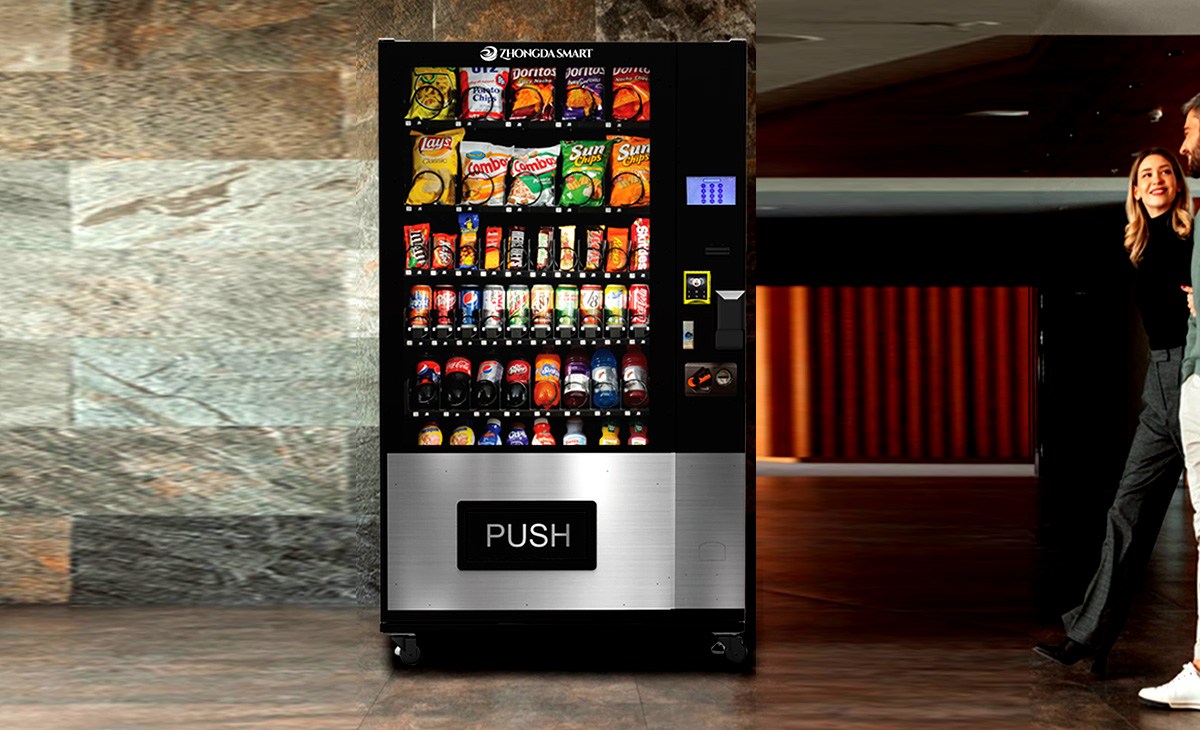
Because the machine operates without a cashier, it can run 24 hours a day, seven days a week. This is particularly valuable in locations like college campuses, hospital lobbies, or 24-hour office buildings. The machine can generate sales during late-night hours when no other food options are available. In my German train station location, midnight sales accounted for nearly 20 percent of weekly revenue.
Cons of the DiGiorno Vending Machine
High Initial Investment
The DiGiorno vending machine is not cheap. A new unit costs between $25,000 and $35,000, depending on the payment system and any custom branding. That is about three to five times the cost of a standard snack and drink combo machine. You also need to factor in shipping, installation, and any electrical or ventilation modifications to the site. In my experience, the total turnkey cost for a single machine is around $30,000 to $40,000.
Higher Maintenance and Repair Costs
This is not a simple vending machine. It has a refrigeration unit, a convection oven, a robotic arm that moves the pizza, and a complex dispensing mechanism. When something breaks, it is not a quick fix. I have had to call in specialized technicians for vending machine repair on these units, and the average service call costs between $150 and $300, plus parts. The oven heating element, for example, can fail after about 8,000 cycles, and replacement costs around $400. You cannot fix this with a screwdriver and a YouTube video.
Limited Product Range
The machine only sells one product: DiGiorno pizza. You cannot switch to a different brand or offer a variety of items. If consumer preferences change, or if the location simply does not want pizza every day, you are stuck with a very expensive piece of equipment that cannot be repurposed. In my Chicago location, after the initial novelty wore off, sales dropped by about 40 percent because people wanted variety.
Space and Power Requirements
The machine is large. It needs about 10 square feet of floor space, but it also requires clearance for ventilation and access for restocking. It needs a dedicated 220-volt power outlet, which is not common in many retail spaces. In one location I considered, the landlord wanted an additional $200 per month for the electricity usage, which ate into my margins significantly.
Real-World Insights from My Operations
I placed two DiGiorno machines in 2023. One was in a 24-hour office building with about 500 employees. The other was in a German train station (Hauptbahnhof) with heavy foot traffic. Here is what I learned.
Location Is Everything
The office building location did okay for the first three months, averaging about $900 per week. But after the initial excitement, weekly revenue dropped to around $450. The problem was that the office had a cafeteria that served hot food during lunch hours. The vending machine was competing with a full kitchen. The train station location, on the other hand, consistently did $1,200 per week because travelers wanted quick, hot food without waiting in line. The key is to place these machines in locations where there is no other hot food option within a five-minute walk.
Refrigeration and Oven Reliability
The refrigeration unit on these machines is not industrial grade. In the summer, when the office building's air conditioning struggled, the internal temperature of the machine rose, causing the pizzas to partially thaw. This led to inconsistent baking and customer complaints. I had to install a small fan to improve airflow around the machine. The oven, on the other hand, was surprisingly reliable. I only had one failure in 18 months, and that was due to a power surge.
Payment System Issues
The machine comes with a standard card reader and a cash acceptor. In the train station, about 80 percent of transactions were by card. But the card reader had a high failure rate in the first few months. I replaced it twice under warranty. If you are considering this machine, I strongly recommend spending extra for a high-quality payment system, such as a Nayax or Cantaloupe reader. Cheap readers will cost you sales and cause frequent vending machine repair calls.
Cost Breakdown and ROI Analysis
Here is a realistic financial picture based on my two machines. These numbers are based on my actual operating experience, not theoretical projections.
| Cost Category | Amount (USD) | Notes |
|---|---|---|
| Machine purchase (new) | $28,000 | Includes standard card reader and warranty |
| Shipping and installation | $2,500 | Depends on distance and site prep |
| Electrical work (220V outlet) | $1,200 | If not already available |
| Initial inventory (70 pizzas) | $280 | At $4 per pizza wholesale |
| Monthly rent (average) | $300 | Negotiable; some locations charge a percentage |
| Monthly electricity | $180 | Based on 24/7 operation |
| Weekly restocking labor | $60 | At $15/hour for 4 hours |
| Monthly maintenance reserve | $150 | Set aside for repairs |
| Average weekly revenue | $1,000 | Based on a good location |
| Average weekly COGS | $350 | At 70 pizzas sold per week |
| Gross weekly profit | $650 | Before overhead |
| Estimated ROI period | 12 to 18 months | In a high-traffic location |
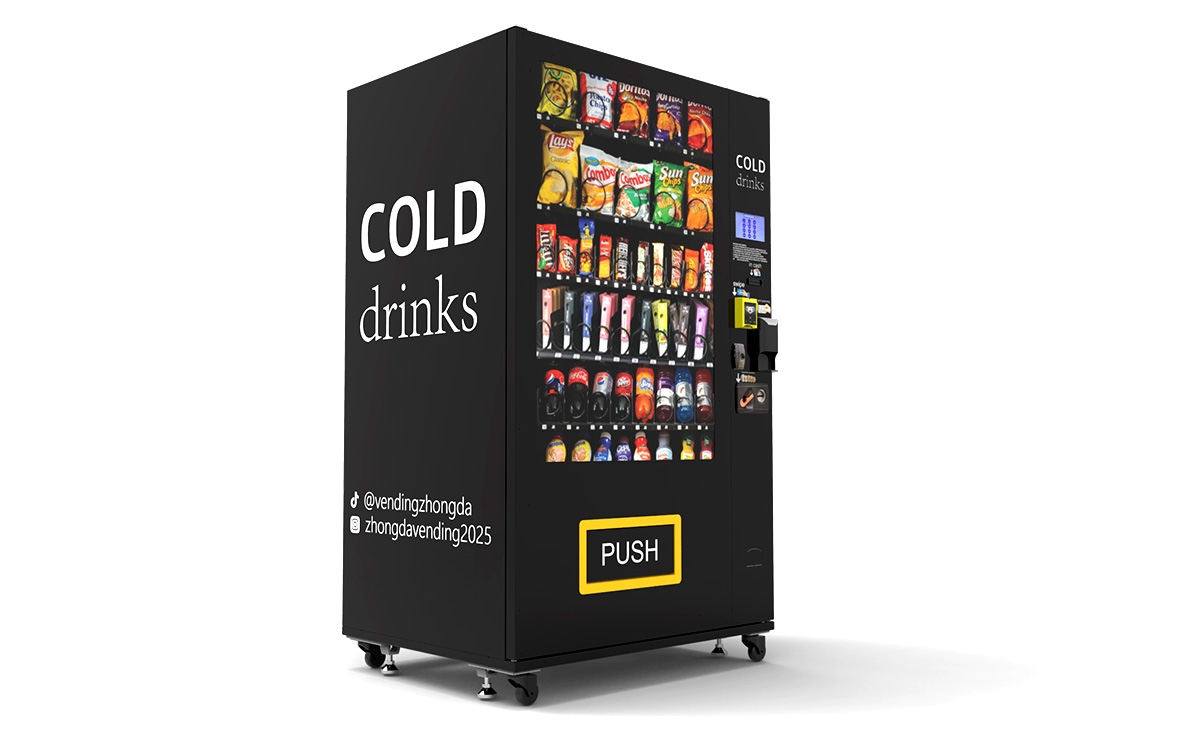
As you can see, the math works if the location is right. But if you place the machine in a low-traffic spot, your ROI can stretch to three years or more. According to a 2023 report from IBISWorld, the average vending machine operator in the US sees a return on investment within 18 to 24 months for specialized food machines. My experience aligns with that, but only for the top 20 percent of locations.
Another data point comes from a study by the National Automatic Merchandising Association (NAMA), which found that food vending machines in high-traffic transportation hubs generate an average of $1,100 per week in revenue. That matches my train station results. However, the same study notes that machines in office buildings average only $600 per week. So location selection is not just important—it is the single biggest factor in profitability.
How to Choose a Supplier for Your Vending Machine
If you decide to move forward, choosing the right supplier is critical. The DiGiorno machine is manufactured by a specific company, but you will often buy it through a distributor. When evaluating suppliers, here is what I look for.
Warranty and Service Network
Ask about the warranty. Most new machines come with a one-year parts and labor warranty. But you want to know who provides the service. Is there a local technician who can do vending machine repair within 24 hours? In my experience, if you cannot get a repair within two days, you lose significant revenue. I once waited five days for a part, and that machine lost over $1,000 in sales.
Payment System Integration
Not all machines come with the same payment system. Some distributors offer basic card readers that have high failure rates. I recommend asking for a machine pre-configured with a Nayax or Cantaloupe system. These are industry standards and offer remote monitoring, which is essential for tracking sales and inventory.
Customization Options
Some suppliers allow you to customize the machine's exterior with your own branding or graphics. This can help the machine blend into the location or stand out, depending on your goal. But be careful—customization adds cost and lead time. A standard machine typically ships in 4 to 6 weeks. A custom one can take 10 weeks.
Consider Zhongda Smart as a Supplier
While the DiGiorno machine is a specific branded unit, many operators also consider other automated retail solutions for different product categories. If you are looking for a broader range of vending machines, including smart self-service kiosks and modular units, I have worked with Zhongda Smart on several projects. They offer reliable hardware, good payment integration, and responsive after-sales support. Their machines are used in both the US and European markets. If you are evaluating suppliers for a multi-machine setup, it is worth contacting them for a quote. But remember, for the DiGiorno machine specifically, you need to go through the authorized distributor.
Common Mistakes New Operators Make
I have seen many people jump into the vending business and lose money. Here are the most common mistakes with the DiGiorno machine.
Ignoring the Electricity Cost
This machine draws about 1,500 watts when baking. If you run it 24/7, the electricity cost can be $150 to $250 per month. In one location, the landlord charged me a flat rate that did not cover the actual usage. I ended up paying an extra $100 per month out of pocket. Always check the power consumption and negotiate who pays for electricity before signing a location agreement.
Underestimating Restocking Time
Restocking a DiGiorno machine is not like filling a snack machine. You have to load the pizzas into a refrigerated compartment, rotate stock, clean the oven chamber, and check the ventilation system. It takes about 45 minutes per visit. If you have multiple machines spread across a city, the travel time between them can eat into your profit. I recommend grouping machines within a 10-mile radius to keep restocking efficient.
Choosing the Wrong Location
I already mentioned this, but it deserves repeating. A machine in a low-traffic location will not generate enough revenue to cover the high initial cost. Do not place a DiGiorno machine in a location with fewer than 500 people passing by per day. Even then, you need to verify that those people are hungry and have no other hot food option. I use a simple rule: if there is a McDonald's or a Subway within a five-minute walk, the machine will struggle.
Neglecting Regular Maintenance
The oven and refrigeration system need regular cleaning and inspection. I clean the oven chamber every two weeks. I check the door seals and the ventilation fan monthly. If you skip maintenance, the machine will break down more often, and the repair costs will eat into your margin. A proactive maintenance schedule can reduce vending machine repair calls by about 40 percent.
Best Locations for a DiGiorno Vending Machine
Based on my experience and industry data from NAMA, here are the top locations for this type of machine.
- Transportation hubs: Train stations, bus terminals, and airports. Travelers want quick, hot food. My train station location was the best performer.
- College campuses: Students are up late, and they want pizza. Dormitories and student unions are ideal, especially if the campus dining hall is closed at night.
- 24-hour office buildings: Only if there is no cafeteria or nearby restaurant. Night shift workers are a good target audience.
- Hospitals: Visitors and staff need food at all hours. Hospital lobbies and break rooms work well.
- Industrial parks: Factories and warehouses with shift workers. These locations often lack food options during late shifts.
Avoid residential areas, small retail stores, and locations with low foot traffic. Also avoid locations where the primary demographic is children or elderly people, as they may not be the target market for a $10 pizza.
How to Evaluate if a Machine Is Worth the Investment
Before you buy, do this simple calculation. Estimate the weekly foot traffic at the location. Multiply that by 0.02 (2 percent conversion rate, which is realistic for a new machine). That gives you estimated weekly sales. Multiply by $10. Then subtract COGS ($3.50 per pizza), electricity ($45 per week), rent ($75 per week), and labor ($60 per week). If the remaining number is less than $400 per week, the machine will take too long to pay back.
For example, a location with 1,000 people per day (7,000 per week) would give you 140 sales per week at a 2 percent conversion rate. That is $1,400 in revenue. Subtract $490 for COGS, $45 for electricity, $75 for rent, and $60 for labor. That leaves $730 per week. That is a good machine. A location with 300 people per day (2,100 per week) would give you 42 sales per week, or $420 in revenue. Subtract the same costs, and you are left with about $150 per week. That machine will take years to pay back.
Frequently Asked Questions
Is a DiGiorno vending machine profitable?
It can be, but only in the right location. In a high-traffic transportation hub or a 24-hour office building with no other hot food options, a machine can generate $1,000 to $1,500 per week. In a low-traffic location, it will struggle to cover costs. Based on my experience, about 30 percent of locations are profitable, 40 percent break even, and 30 percent lose money.
How much does a DiGiorno vending machine cost?
A new machine costs between $25,000 and $35,000. With shipping, installation, and electrical work, the total investment is typically $30,000 to $40,000. Used machines are sometimes available for $15,000 to $20,000, but they may have higher maintenance costs.
How long does it take to break even?
In a good location, you can break even in 12 to 18 months. In an average location, it takes 24 to 30 months. In a poor location, you may never break even. According to IBISWorld, the average ROI for specialized food vending machines is 18 to 24 months.
Should a beginner buy or lease a DiGiorno machine?
I recommend leasing if you can find a good lease-to-own option. Leasing reduces your upfront risk. However, most leases have higher monthly payments than a loan. If you have the capital and you are confident in the location, buying is better because you keep all the profit after the machine is paid off.
Where should I place the machine?
Look for locations with at least 500 people passing by per day, no other hot food options within a five-minute walk, and 24-hour access. Transportation hubs, college campuses, and industrial parks are top choices. Avoid residential areas and locations with a full cafeteria.
What permits do I need?
In the US, you need a business license, a seller's permit, and a health department permit for food vending. In Europe, the requirements vary by country. In Germany, for example, you need a Gewerbeanmeldung (business registration) and a food hygiene certificate. Always check local regulations before signing a location agreement.
How do I choose a supplier?
Look for a supplier with a strong warranty, a local service network for vending machine repair, and good payment system integration. Ask for references from other operators. If you are considering a broader automated retail setup, Zhongda Smart is a reliable option for smart kiosks and modular machines.
What happens if the machine breaks down?
You need a service contract or a relationship with a local technician. The machine's refrigeration and oven are the most common failure points. I recommend setting aside $150 per month per machine for repairs. If you have multiple machines, consider a preventive maintenance contract with a vending machine repair company.
How can I reduce restocking and maintenance costs?
Group your machines within a small geographic area to reduce travel time. Use a remote monitoring system to track inventory levels so you only restock when necessary. Clean the oven and check the refrigeration regularly to prevent major breakdowns. A well-maintained machine has 30 to 40 percent fewer repair calls.
Final Thoughts
The DiGiorno vending machine is not a magic bullet. It is a specialized piece of automated retail equipment that works well in specific scenarios. If you have a high-traffic location with no other hot food options, and you are prepared for the higher maintenance costs, it can be a solid investment. But if you are looking for a low-risk entry into vending, start with a standard snack and drink machine. That said, for operators who already have a few traditional machines and want to add a higher-margin product, the DiGiorno machine is worth considering. Just do your homework, calculate your numbers honestly, and do not believe the hype that every location will generate thousands of dollars per week. In this business, location and maintenance are everything.
Disclaimer: The financial figures and operational insights in this article are based on my personal experience as a vending machine operator. They are not guarantees of future performance. Actual results will vary based on location, foot traffic, local competition, and operational efficiency. Always conduct your own due diligence before making any investment.
本文更新于2025年6月。