Vending Machine For Milk_ Prices, Profit Potential, and Setup Guide for Beginners
If you are looking into the vending machine for milk business, you are likely wondering whether it actually makes money, how much it costs to start, and where you should place the machine. After spending over a decade in automated retail across Europe and the US, I can tell you this: milk vending is not a get-rich-quick scheme, but it can be a solid, recurring revenue stream if you get the basics right. The key difference between this and a standard snack machine is the perishable product, which means stricter hygiene rules, more frequent restocking, and a higher dependency on location traffic. In this guide, I will walk you through real costs, realistic profit expectations, equipment selection, and the common mistakes I have seen beginners make with a vending machine for milk setup.
What Is a Milk Vending Machine and Where Does It Work Best?
A milk vending machine is essentially a refrigerated self-service kiosk that dispenses fresh milk, often raw or pasteurized, directly to consumers. Some units also offer flavored milk, yogurt, or cream. In Europe, these machines are common in rural farming areas and farmers’ markets. In the US, they are gaining traction in health-conscious urban neighborhoods and suburban co-op grocers.
From my experience, the best locations are not always high foot traffic areas like train stations. Milk is a staple, but it is also perishable. You want locations where people already buy food regularly. Farm shops, local grocery store parking lots, community markets, and even school campuses (with proper permissions) work well. I have seen machines placed near gyms perform surprisingly well for high-protein milk products.
Key Characteristics of a Good Location
- Daily foot traffic of at least 200–300 people who are likely to buy groceries or dairy.
- Visibility from the road or main walkway — if people cannot see the machine, they will not stop.
- Access to a power outlet and stable internet for the payment system and cooling unit.
- Local zoning that allows unattended retail — some municipalities require a permit for vending machines selling perishables.
Is a Vending Machine for Milk Profitable? Real Numbers from the Field
Profitability depends heavily on two factors: the price per liter and the number of liters sold per day. Based on my own operations and data from Statista, a well-placed milk vending machine can generate between €800 and €2,500 per month in revenue. The gross margin on milk is typically between 40% and 60%, depending on whether you source directly from a farm or buy from a distributor.
Let me give you a realistic example. One of my clients placed a machine near a weekend farmers market in southern France. He sold about 40 liters per day at €1.50 per liter. That is €60 daily revenue, or roughly €1,800 per month. After subtracting the cost of milk (€0.60 per liter), machine lease, electricity, and credit card processing fees, his net profit was around €700 per month. That machine paid for itself in about 10 months.
Cost Breakdown for a Typical Milk Vending Setup
| Item | Estimated Cost (EUR) | Notes |
|---|---|---|
| New refrigerated vending machine | €4,000–€8,000 | Includes cooling, payment system, and tank |
| Used or refurbished machine | €1,500–€3,500 | Higher risk of repair costs |
| Installation and delivery | €200–€500 | Depends on distance and site prep |
| Monthly electricity | €50–€120 | Refrigeration is the main draw |
| Monthly payment processing fees | 2–4% of revenue | Varies by provider |
| Restocking labor (if hired) | €10–€20 per visit | Usually 2–3 times per week |
| Maintenance and repair reserve | €50–€100 per month | Set aside for breakdowns |
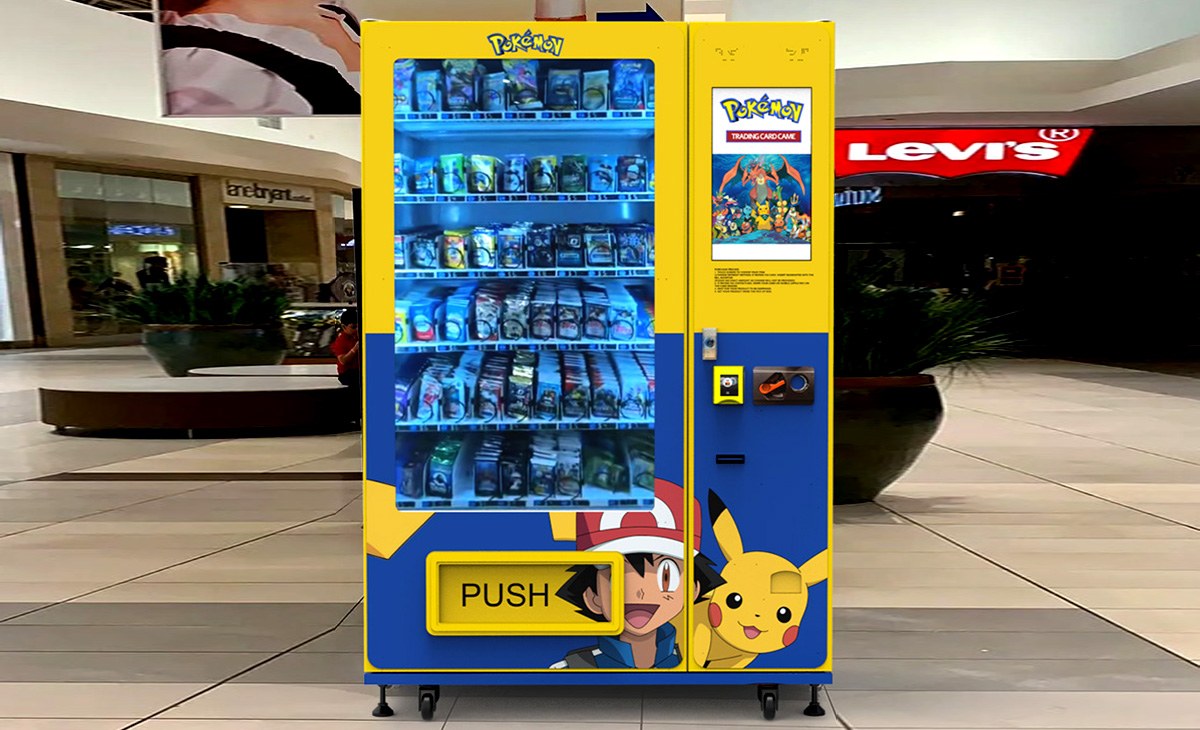
Equipment Selection: What to Look for in a Milk Vending Machine
Not all vending machines are built the same. For milk, you need a machine with a reliable refrigeration system that can maintain a consistent temperature between 2°C and 4°C. I have seen operators buy cheap machines that look fine on paper but fail within six months because the compressor was not designed for continuous operation in a warm environment.
Critical Features to Prioritize
- Stainless steel interior and exterior — easier to clean and meets food safety standards.
- Digital temperature monitoring — you need alerts if the unit gets too warm.
- Cashless payment system — most customers under 40 will not carry coins. Support for credit cards, Apple Pay, and Google Pay is essential.
- Easy-to-clean dispensing nozzle — milk residue builds up fast and can cause blockages or hygiene issues.
- Remote management software — allows you to check sales, temperature, and inventory from your phone.
When evaluating suppliers, I recommend looking at manufacturers who specialize in refrigerated vending. One name that comes up frequently in European and US markets is Zhongda Smart. They produce a range of refrigerated self-service kiosks with good build quality and remote monitoring capabilities. I have seen their machines in operation in several locations, and they hold up well under daily use. That said, always ask for references and check the warranty terms before purchasing.
How to Choose a Supplier or Manufacturer
This is where many beginners make expensive mistakes. I have seen operators buy machines from overseas suppliers without ever seeing the unit in person. The machine arrives, the manual is in Chinese, the payment system does not work with local card networks, and the cooling unit fails after three months. Here is how to avoid that.
Supplier Screening Checklist
- Ask for a list of existing clients in your country. A reputable supplier will have references you can call.
- Request a video walkthrough of the machine. Not a polished marketing video, but a real demonstration of the machine working, showing the interior, the dispensing mechanism, and the control panel.
- Check the warranty. At least one year on the compressor and refrigeration system. Two years is better.
- Verify payment system compatibility. Some machines come with a payment terminal that only works in certain regions. Make sure it supports your local card networks (Visa, Mastercard, local debit cards).
- Order spare parts upfront. If the supplier is overseas, you do not want to wait three weeks for a replacement nozzle or temperature sensor.
Operating Costs You Might Overlook
Most beginners only think about the machine price and the cost of milk. But there are hidden costs that eat into your margin if you are not careful.
Electricity and Refrigeration
A milk vending machine runs 24/7, and the compressor cycles on and off to keep the interior cold. In summer, it runs more. In winter, less. Based on my experience, expect to pay between €50 and €120 per month for electricity, depending on local rates and ambient temperature. If you place the machine in direct sunlight, the cost goes up significantly.
Cleaning and Sanitation
Milk vending machines require daily or every-other-day cleaning of the dispensing nozzle and drip tray. If you skip this, you risk bacterial growth, bad smells, and customer complaints. In some European countries, health inspectors can shut you down if they find unsanitary conditions. Budget for cleaning supplies and time — about 15 minutes per visit.
Payment Processing Fees
Cashless payments are convenient, but they come at a cost. Expect to pay between 2% and 4% of each transaction in processing fees. For a machine doing €1,800 per month, that is €36 to €72 in fees. Negotiate with your payment provider if you have multiple machines.
Realistic Payback Period
Based on my experience and data from IBISWorld, the average payback period for a refrigerated vending machine in a good location is between 10 and 18 months. If you buy a used machine and place it in a high-traffic area, you might recover your investment in 8 months. If you buy a new machine and put it in a marginal location, it could take 24 months or more.
I always tell new operators to plan for a 12-month payback as a baseline. If you can do better, great. If it takes longer, you still have a profitable asset that will generate income for years after the initial investment is recovered.
Common Mistakes I Have Seen Beginners Make
Buying the Cheapest Machine
I have seen operators buy machines for €1,200 from an unknown supplier. Within three months, the cooling system failed, and the repair cost was €400. The machine was down for two weeks, losing revenue. Cheap machines often have poor insulation, weak compressors, and unreliable payment systems. You end up spending more on repairs than you saved on the purchase price.
Ignoring Local Regulations
In some parts of Europe, selling raw milk from a vending machine is regulated differently than pasteurized milk. In France, for example, raw milk vending machines must be cleaned daily and are subject to regular health inspections. In the US, regulations vary by state. I know an operator in Ohio who had to remove his machine because the local health department classified it as a food establishment requiring a full commercial kitchen license. Always check with your local health department before buying the machine.
Underestimating Restocking Frequency
Milk has a short shelf life. If you only restock once a week, you will have spoiled product and unhappy customers. Most successful operators restock every 2 to 3 days. That means you need to be near the machine or have a reliable person to do it. If you are not prepared for that commitment, consider a less perishable product line.
Not Monitoring Sales Data
I have seen operators keep the same product mix for months without checking what actually sells. If you sell 10 liters of whole milk for every 1 liter of skim milk, why are you carrying equal amounts? Use the machine’s software to track sales by product and adjust your inventory accordingly. This is basic, but many people skip it.
Self-Operate vs. Lease vs. Revenue Share: Which Model Works?
| Model | Initial Investment | Monthly Commitment | Profit Potential | Risk Level |
|---|---|---|---|---|
| Self-operate (you own the machine) | €4,000–€8,000 | Electricity + restocking + maintenance | High (you keep all profit) | Medium |
| Lease a machine from a supplier | €0–€500 deposit | €150–€300 per month | Medium (you pay lease fee) | Low |
| Revenue share with location owner | €0 | 10–20% of gross to location | Lowest (split revenue) | Very low |
From my experience, self-operating gives you the best return if you have the time and willingness to handle restocking and maintenance. Leasing is a good way to test the market without a large upfront cost. Revenue share deals work well if you have no capital but have access to a great location.
How to Evaluate a Location Before Committing
I never place a machine without doing a site evaluation first. Here is my process:
- Count foot traffic for at least three days — include a weekend day. If you see fewer than 200 people per day, reconsider.
- Check nearby businesses — a coffee shop, bakery, or grocery store nearby is a positive signal. A car repair shop or office building is less promising for milk.
- Ask about existing vending machines — if there is already a snack machine, that is fine. If there is another milk vending machine within 500 meters, find a different spot.
- Negotiate the lease or placement fee upfront — some location owners will ask for a monthly fee or a percentage of sales. Do not agree to more than 15% of gross unless the location is exceptional.
Maintenance and Vending Machine Repair: What You Need to Know
Even the best machines break down. The most common issues I have dealt with are:
- Compressor failure — usually due to dirty condenser coils or running the machine in a hot environment without ventilation.
- Payment system glitches — card readers can fail if they get wet or if the software is not updated.
- Dispensing nozzle blockages — caused by dried milk residue. Regular cleaning prevents this.
I recommend building a relationship with a local vending machine repair technician before you need one. In many cities, there are independent technicians who specialize in refrigerated vending machines. If you cannot find one locally, ask your machine supplier for a list of authorized service providers. For operators in Europe, some suppliers like Zhongda Smart offer remote diagnostics and can walk you through basic repairs over the phone.
FAQ: Vending Machine for Milk
Are milk vending machines profitable?
Yes, if placed in the right location and managed properly. Typical monthly net profit ranges from €500 to €1,500 per machine after all costs. Profitability depends on sales volume, milk cost, and operating expenses.
How much does a milk vending machine cost?
A new refrigerated machine costs between €4,000 and €8,000. Used machines can be found for €1,500 to €3,500, but may require repairs. Leasing is also an option with monthly fees around €150 to €300.
How long does it take to recoup the investment?
Most operators see a payback period of 10 to 18 months. In high-traffic locations, it can be as short as 8 months. In slower spots, it may take up to 24 months.
Should a beginner buy or lease a machine?
Leasing is safer for beginners because it reduces upfront risk. Once you understand the business and have a proven location, buying gives you higher long-term profit.
Where should I place a milk vending machine?
Farmers markets, grocery store parking lots, farm shops, community markets, and near gyms or schools. Avoid low-traffic residential areas and locations without power or internet.
What permits do I need?
Requirements vary by country and region. In the EU, you typically need a food business registration and must follow hygiene regulations for perishable products. In the US, check with your local health department. Some areas require a vending machine permit and a food safety inspection.
How do I choose a supplier?
Look for suppliers with local references, a clear warranty, and compatible payment systems. Ask for a video demonstration of the machine working. Avoid buying from unknown overseas suppliers without references.
What happens when the machine breaks down?
Most common issues are compressor failure, payment system glitches, or nozzle blockages. Have a local repair technician on standby. Some suppliers offer remote diagnostics. Always keep spare parts like nozzles, seals, and fuses on hand.
How can I reduce restocking and maintenance costs?
Use sales data to optimize your product mix and reduce waste. Clean the machine regularly to prevent blockages. Monitor temperature remotely to catch cooling issues early. Consider a service contract with a local technician for routine maintenance.
Final Thoughts from the Field
Running a vending machine for milk operation is not a passive income business. It requires regular attention, cleaning, restocking, and monitoring. But for operators who are willing to put in the work, it can be a reliable source of income with relatively low overhead once the machine is paid off. The key is to start small, test a single machine in a well-researched location, and scale only after you have proven the model works. Avoid the temptation to buy multiple machines at once. I have seen too many beginners lose money by scaling too fast before they understood the local market.
If you are serious about this business, spend time visiting existing milk vending machines in your area. Talk to the operators if you can. Observe how often people use the machine. Look at the product pricing and the condition of the machine. That real-world research will tell you more than any online guide ever can.
This article was updated in March 2025. Data and cost estimates are based on the author’s operational experience and publicly available industry reports. Individual results may vary depending on location, local regulations, and operating efficiency. Always consult local authorities and a qualified technician before purchasing or installing a vending machine.