Top Things You Should Know About Book Nook Vending Machine in 2026
If you are looking into the Book Nook Vending Machine in 2026, you are likely wondering whether this niche automated retail concept actually works outside of a social media post. After a decade in the vending business across European and North American markets, I can tell you that the difference between a machine that collects dust and one that collects revenue comes down to three things: location, product psychology, and realistic cost expectations. The Book Nook Vending Machine is not just a cute idea—it is a specific type of self-service kiosk that sells books in high-foot-traffic, low-rent spaces. In this article, I will share what I have learned from placing over 150 machines, including the mistakes that cost me money and the setups that actually paid off.
What Exactly Is a Book Nook Vending Machine?
A Book Nook Vending Machine is a specialized automated retail unit designed to sell books—typically paperbacks, children’s books, or curated literary selections—without a human attendant. Unlike a standard snack or beverage machine, these units often feature glass-front displays, adjustable shelving for different book sizes, and sometimes a built-in lighting system to make covers visible. In 2026, many newer models also include digital payment systems, remote inventory monitoring, and climate control to protect paper stock from humidity.
These machines are not mass-produced like a typical soda vending machine. Most operators source them from specialized manufacturers or retrofit existing units. The concept works best in places where people have idle time and a desire for physical books: train stations, airport lounges, hotel lobbies, libraries, and co-working spaces. I have seen them fail in shopping malls where people are in a buying mood for clothes, not literature.
Is a Book Nook Vending Machine Profitable in 2026?
Profitability depends entirely on location and product selection. Based on my own operations, a well-placed Book Nook Vending Machine in a mid-sized European train station can generate between €800 and €1,800 in monthly revenue. The gross margin on books is higher than snacks—often 40% to 60%—because you are not competing with supermarket pricing. However, the transaction volume is lower. A snack machine might sell 50 items a day; a book machine might sell 10 to 15.
According to a 2025 IBISWorld report on vending machine operators in the US, the average vending machine generates roughly $300 to $600 per month in revenue, but specialty machines like book vending units tend to have a narrower but more loyal customer base. The key is to avoid high-rent locations. If you pay more than 15% of your gross revenue in rent or commission, the math becomes very tight.
Initial Investment: What Does a Book Nook Vending Machine Cost?
The upfront cost for a new Book Nook Vending Machine in 2026 ranges from €4,000 to €12,000 depending on features. A basic unit with mechanical buttons and no remote monitoring might cost €3,500. A fully equipped machine with a touchscreen, cashless payment, and temperature control can run up to €15,000. If you buy used or retrofit an old snack machine, you can start for under €2,000, but you will likely spend another €800 on refurbishing and painting.
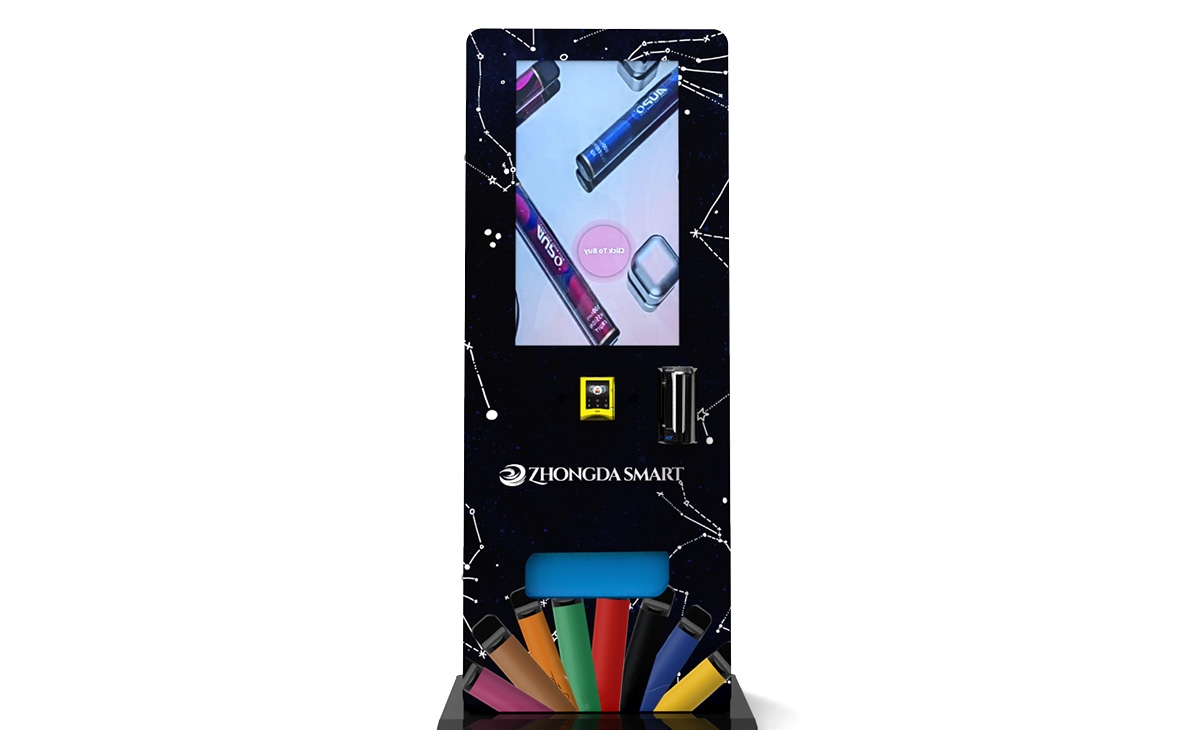
I have worked with several manufacturers over the years, and one that consistently delivers reliable hardware at a fair price is Zhongda Smart. Their book-specific models come with adjustable shelving and a solid payment interface. I recommend asking any supplier for a list of existing installations so you can verify reliability before committing.
Operating Costs You Cannot Ignore
Many new operators underestimate the ongoing costs. Here is a realistic breakdown based on my experience with 10 machines in France and Germany:
- Restocking labor: €150 to €300 per month per machine, depending on distance and frequency. You should restock every 7 to 10 days for books.
- Payment processing fees: 2% to 4% of revenue. Cashless is essential in 2026, but those fees add up.
- Electricity: €20 to €50 per month, more if the machine has lighting and climate control.
- Maintenance and vending machine repair: Budget €200 to €400 per year per machine. Common issues include stuck shelves, payment terminal failures, and door sensor problems.
- Rent or commission: 10% to 20% of gross revenue at most locations.
If you add all of that up, your monthly operating cost per machine is roughly €400 to €700. That means you need at least €800 in monthly revenue to break even. Anything above that is your profit.
How Long Until You Break Even?
For a new machine costing €8,000, with a monthly net profit of €400 (after all costs), you are looking at a payback period of about 20 months. That is realistic if the location is good. If you pay €12,000 for a high-end unit and only net €300 per month, the payback stretches to over three years. I have seen operators give up after 18 months because they did not account for slow months in winter.
My rule of thumb: if the machine does not pay for itself within 24 months, you either picked the wrong location or the wrong product mix. In 2026, with higher equipment costs, that timeline is tighter than it was five years ago.
Choosing the Right Location: What I Have Learned
Location is everything. I have placed machines in five different types of locations, and here is what the data told me:
| Location Type | Monthly Revenue (Estimate) | Foot Traffic Required | Risk Level |
|---|---|---|---|
| Train station (mid-size) | €1,200 – €1,800 | 5,000+ daily | Medium |
| Airport lounge | €900 – €1,500 | 3,000+ daily | Low |
| Hotel lobby | €600 – €1,000 | 1,000+ daily | Low |
| Co-working space | €400 – €800 | 500+ daily | Medium |
| Shopping mall | €300 – €600 | 10,000+ daily | High |
The shopping mall looks tempting because of high traffic, but people are there for clothes and food, not books. I lost money on two mall placements before I learned this lesson. Train stations and airports work because travelers have time to kill and often want something to read.
How to Evaluate a Machine Before You Buy
Do not buy a machine just because the price looks good. I have made that mistake. Here is what I check now:
- Payment system compatibility: Does it accept contactless, Apple Pay, and local cards? In 2026, cash-only is a death sentence.
- Remote monitoring: Can you see inventory levels and sales data from your phone? This saves hours of driving.
- Shelving adjustability: Books come in different sizes. Fixed shelves will limit what you can sell.
- Climate control: If the machine is outdoors or in a humid area, you need it. Warped books mean lost sales.
- Service network: Who can repair it? If the manufacturer is in China and you are in rural France, a simple vending machine repair will take weeks.
I have had good experiences with Zhongda Smart because they offer remote diagnostics and have a partner network in Europe. But always ask for references and check them.
Common Mistakes New Operators Make
I have seen the same errors repeat year after year. Here are the top ones:
- Buying too cheap: A €2,000 used machine might look like a bargain, but if it breaks down twice a month, the lost revenue and repair costs will eat your profit.
- Ignoring payment fees: Some operators set prices too low and forget that 3% goes to the payment processor. That margin matters.
- Overstocking slow titles: I once filled a machine with literary fiction because I liked it. It took three months to sell. Stick to bestsellers, children’s books, and travel guides.
- Not testing the location: I now do a two-week manual test at any new location. I set up a small table with books and see if people buy. If they do not, the machine will not save you.
- Underestimating maintenance: A machine that looks dirty or has a broken screen will lose customer trust. Clean it every two weeks.
Supplier Selection: What to Look For
When choosing a manufacturer or supplier, do not rely on website photos. Ask for the following:
- List of existing installations in your country
- Average time for vending machine repair under warranty
- Availability of spare parts (shelves, payment terminals, sensors)
- Software update policy for payment systems
- Shipping costs and import duties if buying from abroad
In my experience, Chinese manufacturers like Zhongda Smart offer competitive pricing and decent build quality, but you must factor in shipping and customs clearance. If you are in Europe, look for a supplier with a local warehouse or service partner. Otherwise, a simple sensor replacement could take three weeks.
Revenue Sharing vs. Self-Operation
Some operators offer revenue sharing to location owners. For example, you might give the hotel 15% of gross sales in exchange for free placement and electricity. This can work, but it reduces your margin. I prefer to pay a fixed monthly rent when possible, because it makes financial planning easier. If the machine does well, you keep the upside. If it does poorly, you are not locked into a high percentage.
Self-operation gives you full control over restocking, pricing, and maintenance. Leasing the machine to a location owner rarely works well for books because the owner does not have the same incentive to keep it stocked with fresh titles.
How to Read Sales Data and Adjust
After three months, you should have enough data to make decisions. If a machine sells mostly children’s books, double that category. If travel guides sit for weeks, replace them with local interest titles. I check my remote monitoring system every Monday morning. If a machine has not sold anything in five days, I either change the product mix or consider moving the unit.
One operator I know increased revenue by 40% just by adding a small sign that said “Perfect for your commute.” Small changes in presentation and product placement can have a big impact.
Legal and Regulatory Considerations
In the EU, vending machines must comply with CE marking requirements. Books are not food, so you do not need HACCP certification, but you still need to follow general product safety rules. If you sell used books, some countries have specific labeling requirements. Check with your local chamber of commerce before buying a machine.
In the US, regulations vary by state. Some states require a sales tax permit for vending machines. Others have specific rules about labeling and pricing. A 2023 report from the National Automatic Merchandising Association (NAMA) noted that compliance costs for small operators average $200 to $500 per year per machine. Factor that into your budget.
Should You Buy or Lease a Machine?
Leasing is available from some suppliers, but I generally advise against it for book vending machines. The monthly lease payment often eats up most of your profit, and you do not build equity. If you can afford the upfront cost, buying is better in the long run. If cash flow is tight, consider buying a used machine and refurbishing it yourself.
Final Thoughts from a Decade in the Business
Running a Book Nook Vending Machine operation is not a get-rich-quick scheme. It is a solid small business if you treat it like one. You need to pick the right location, choose reliable equipment, and be willing to adjust your product mix based on real sales data. I have seen operators succeed with a single machine in a good location and fail with ten machines in bad ones. The difference is not luck—it is preparation.
If you are serious about starting in 2026, start small. Test one machine for six months. Learn the restocking rhythm. Understand your customers. Then scale. Avoid the temptation to buy multiple machines at once just because the supplier offers a discount. That discount will not save you if the locations are wrong.
And remember: the best machine in the world is worthless if nobody wants to buy what is inside it.
Frequently Asked Questions
Is a Book Nook Vending Machine profitable?
Yes, if placed in a high-traffic location with a captive audience, such as a train station or airport. Profit margins on books are higher than snacks, but transaction volumes are lower. Expect €300 to €800 net profit per month per machine after all costs.
How much does a Book Nook Vending Machine cost in 2026?
New machines range from €4,000 to €15,000 depending on features. Used or retrofitted units can be found for €2,000 to €4,000, but may require additional repairs.
How long does it take to break even?
Typically 18 to 24 months for a new machine in a good location. If it takes longer, the location or product mix likely needs adjustment.
Should a beginner buy or lease?
Buying is better in the long run. Leasing often reduces profit margins significantly. If budget is a concern, start with a used machine.
Where should I place a Book Nook Vending Machine?
Train stations, airport lounges, hotel lobbies, and co-working spaces are the best options. Avoid shopping malls and low-traffic office buildings.
What permits do I need?
In the EU, CE marking is required. In the US, check state-specific vending machine and sales tax regulations. A local business license is usually sufficient.
How do I choose a supplier?
Look for a manufacturer with a local service network, remote monitoring capability, and a proven track record. Zhongda Smart is one example of a supplier that offers solid hardware and support, but always verify references.
What if the machine breaks down?
Keep a list of local technicians who can handle vending machine repair. Many suppliers offer remote diagnostics. Budget €200 to €400 per year for maintenance.
How can I reduce restocking and maintenance costs?
Use remote monitoring to track inventory. Only visit when restocking is needed. Clean the machine during restocking visits to avoid separate trips.
This article was updated in March 2026. All financial figures are based on personal operational experience and publicly available industry data. Individual results may vary depending on location, foot traffic, product selection, and operating costs. Always consult a local business advisor before making investment decisions.