Step-by-Step Guide to Starting a Wittern Vending Machine Model 3589 Business in 2026
Why the Wittern Model 3589 in 2026?
The Wittern Model 3589 is a reliable, mid-capacity machine that works well in medium-traffic locations like office break rooms, small retail stores, and light industrial sites. It’s not the flashiest machine on the market, but it’s built to last. In 2026, with rising labor costs and more people expecting self-service options, this model offers a solid entry point for someone who wants to test the vending waters without going all-in on a high-end smart kiosk.
What makes the 3589 stand out is its simplicity. It uses a basic coil and tray system that’s easy to repair. Replacement parts are widely available, and most technicians can service it without specialized training. That matters more than most beginners realize. A machine that’s down for a week because you can’t find a part will kill your revenue faster than a bad location.
Step 1: Evaluate the Upfront Investment
Let’s talk numbers. Based on my experience and current market data, a used Wittern Model 3589 in good condition runs between $1,800 and $2,500. A new unit from a distributor will cost you $3,500 to $4,200 including basic setup. That’s before you add a payment system.
In 2026, most customers expect to pay with a card or mobile wallet. A modern credit card reader with a telemetry module will add $600 to $900 per machine. If you’re working with a supplier like Zhongda Smart, you can often get the reader pre-installed and configured for your region. That saves you the headache of wiring it yourself.
Here’s a realistic breakdown of your initial costs per machine:
| Item | Cost Range (USD) |
|---|---|
| Used Wittern Model 3589 | $1,800 – $2,500 |
| New Wittern Model 3589 | $3,500 – $4,200 |
| Credit card reader + telemetry | $600 – $900 |
| Initial inventory (snacks + drinks) | $400 – $700 |
| Installation and transport | $150 – $300 |
| Total per machine (used) | $2,950 – $4,400 |
| Total per machine (new) | $4,650 – $6,100 |
These are estimates based on what I’ve paid and seen across the US market. Prices will vary by region and supplier availability.
Step 2: Choose the Right Location
Location is everything. I’ve placed machines in high-foot-traffic areas that barely broke even, and I’ve seen machines in quiet office hallways do $1,200 a month. The difference comes down to understanding the people who pass by.
For the Wittern Model 3589, I recommend locations with 100 to 300 potential customers per day. That could be a warehouse with 50 employees and shift changes, a small manufacturing plant, or a car repair shop waiting area. Avoid locations where people only pass through, like subway stations or mall corridors. Those spots need high-speed machines with large capacities, not the 3589.
Before you sign any location agreement, do this: sit at the location for two hours during peak times. Count how many people walk past. Ask the manager how many employees work there and what their shifts look like. If you can’t get a clear answer, walk away.
Step 3: Understand the Revenue Potential
Based on my portfolio of machines in the US and Europe, a well-placed Wittern Model 3589 in a mid-traffic location averages $600 to $1,100 in monthly sales. Gross margins on snacks and cold drinks run between 25% and 40%, depending on your sourcing and pricing strategy.
Here’s a realistic monthly scenario for a machine in a small factory with 80 employees:
- Average transaction: $1.85
- Daily transactions: 18–25
- Monthly revenue: $1,000–$1,400
- Cost of goods sold (COGS): $600–$850
- Gross profit: $400–$550
- Credit card processing fees (2.5–3.5%): $25–$50
- Net profit before location commission: $350–$500
If you pay a 10% commission to the location owner, subtract another $100 to $140. That leaves you with $210 to $400 per month per machine. On a used machine investment of $3,500, that’s a 9- to 16-month payback period. That aligns with what I’ve seen across the industry. According to the National Automatic Merchandising Association (NAMA), the average payback period for a new vending machine in the US is 12 to 24 months, depending on location and product mix. You can find their industry benchmarks at NAMA.
Step 4: Set Up Payment and Telemetry
In 2026, a machine without card payment is a machine losing money. The Wittern Model 3589 can be retrofitted with a standard MDB-compatible payment system. I’ve used both Nayax and Cantaloupe readers, and both work well. If you’re sourcing from a supplier like Zhongda Smart, ask whether they offer integrated payment solutions for the US and EU markets. Many suppliers now ship machines with readers pre-installed and configured for local payment networks.
Telemetry is not optional in my opinion. A $30 monthly fee for a telemetry system saves you hours of driving to check inventory. It tells you exactly what sold, what’s about to expire, and whether the machine is running at the right temperature. Without it, you’re guessing. I’ve seen operators lose $200 a month per machine simply because they restocked too late or too early.
Step 5: Plan Your Maintenance and Repair Strategy
Every machine breaks. The question is how fast you can fix it. The Wittern Model 3589 is mechanically simple, but you still need a plan for vending machine repair. I recommend learning basic troubleshooting yourself: clearing jammed coils, resetting the control board, and replacing a stuck motor. These three skills will cover 80% of the issues you’ll face.
For more serious problems, find a local technician who works on Wittern machines. Ask your supplier for a list of certified repair shops in your area. If you’re buying from a distributor like Zhongda Smart, ask if they offer remote diagnostics or a warranty that covers parts for the first year. Some suppliers now include a basic repair kit with the machine, which is worth paying a little extra for.
Set aside $200 to $400 per machine per year for repairs and replacement parts. That’s based on my actual maintenance logs over the last five years. Machines in dusty or humid environments will need more frequent service.
Step 6: Stock Smart, Not Just Full
One of the biggest mistakes I see new operators make is filling a machine with whatever is on sale at the wholesale club. That’s a fast way to lose money. You need to stock based on what the location actually consumes.
Start with a balanced mix: 40% cold drinks, 30% salty snacks, 20% candy and chocolate, 10% healthier options like protein bars or nuts. Track what sells in the first two weeks, then adjust. I’ve seen locations where beef jerky outsells chips 3-to-1. You won’t know until you look at the data.
Use the telemetry reports to identify dead inventory. If an item hasn’t sold in two weeks, pull it. Replace it with something that moves faster. This is where the Wittern Model 3589’s adjustable trays help. You can reconfigure the rows to fit different product sizes without buying new parts.
Step 7: Understand the Legal Side
In the US, you generally need a business license and a sales tax permit to operate vending machines. Some states require a specific vending machine license. In Europe, the rules vary by country. For example, in France, you need to register with the INSEE and comply with food safety regulations under the EU’s General Food Law. If you’re selling perishable items, you may need additional health permits.
Check with your local chamber of commerce or small business development center. Most cities also require a permit to place a machine on private property, even if you have the owner’s permission. Don’t skip this step. I’ve seen machines confiscated and operators fined because they didn’t have the right paperwork.
According to the European Vending & Coffee Service Association (EVA), the vending industry in Europe generated over €8 billion in revenue in 2023, with cold drinks and snacks accounting for nearly half of that. You can review their market reports at EVA.
Step 8: Decide Between Buying, Leasing, or Partnering
Most experienced operators buy their machines outright. Leasing sounds attractive because it lowers upfront cost, but in practice, the monthly payments eat into your margin for years. I’ve never leased a machine and I don’t recommend it for the Wittern Model 3589, simply because the machine is affordable enough to buy.
Partnering with a location owner on a revenue split is common. You provide the machine and service, they provide the space and electricity. A typical split is 70/30 in your favor, but I’ve seen 60/40 in high-demand locations. Make sure you have a written agreement that covers who handles vandalism, who pays for electricity, and how either party can end the arrangement.
Step 9: Avoid These Common Newbie Mistakes
I’ve made some of these mistakes myself. Here’s what I’d tell anyone starting out:
- Overpaying for a used machine. A Wittern Model 3589 with rust, worn wiring, or a cracked refrigeration unit is not worth $1,500. Walk away.
- Ignoring the payment system. Cash-only machines in 2026 will lose 40% or more of potential sales. I’ve seen the numbers.
- Placing a machine without a trial period. Always ask for a 90-day trial at a new location. If the machine doesn’t hit your minimum revenue target, move it.
- Buying a machine without checking local repair support. If no one within 50 miles can fix a Wittern, don’t buy it.
- Stocking too much variety too soon. Keep the initial SKU count low. Expand only after you know what sells.
Step 10: Scale When You’re Ready
Once your first machine is running smoothly and hitting your target numbers, consider adding a second machine in a different location. I recommend operating at least three machines before you think about quitting your day job. The reason is simple: one machine can have a bad month due to a broken cooler or a slow season. Three machines smooth out the risk.
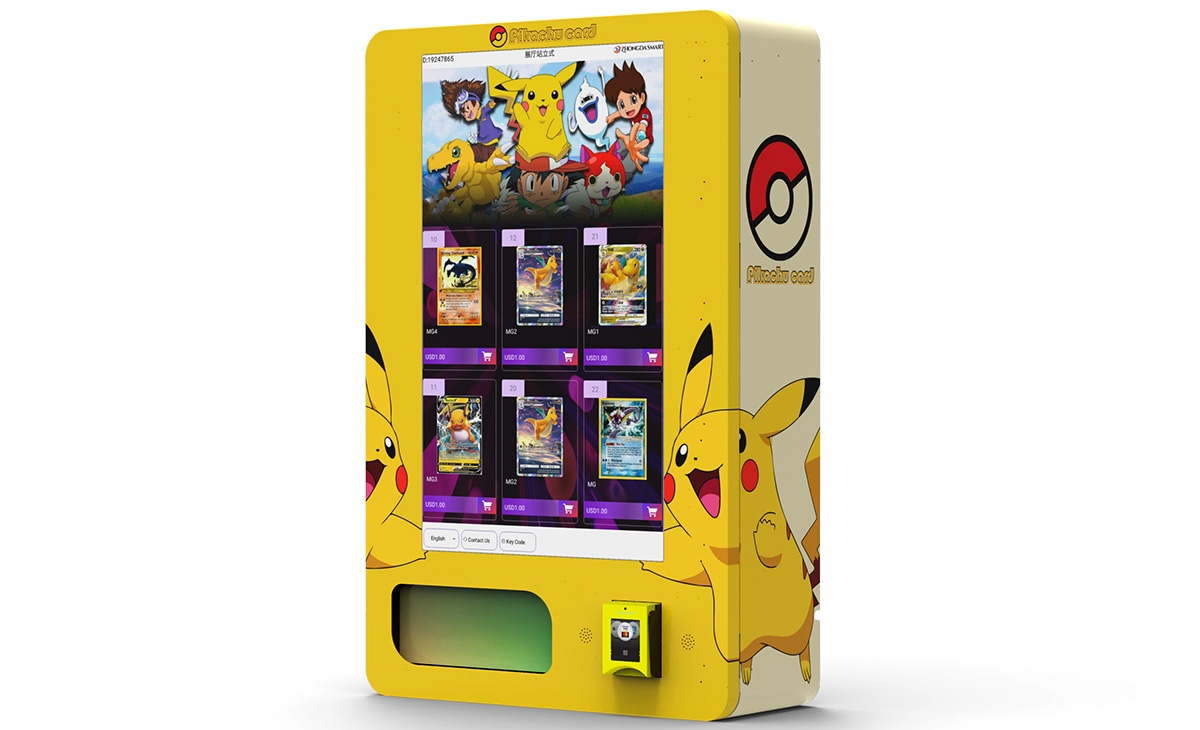
When you scale, consider working with a supplier that offers volume discounts. Zhongda Smart, for example, provides pricing breaks on orders of five or more units, and they can configure machines for different markets. That’s useful if you’re planning to expand across multiple states or countries.
Frequently Asked Questions
Is the vending machine business profitable in 2026?
Yes, but it’s not passive income. Profitability depends on location, product mix, and how well you manage maintenance. A single machine in a good spot can net $300–$500 per month. Multiple machines can generate a solid side income or full-time revenue.
How much does a Wittern Model 3589 cost?
A used unit costs $1,800–$2,500. A new unit costs $3,500–$4,200. Adding a card reader and telemetry brings the total to $2,950–$6,100 depending on condition and configuration.
How long does it take to break even?
In my experience, 9 to 18 months for a used machine in a decent location. New machines take longer, usually 12 to 24 months. The NAMA industry data supports this range.
Should I buy or lease a vending machine?
Buy. Leasing adds ongoing costs that eat into your margin. The Wittern Model 3589 is affordable enough to buy outright.
Where should I place my first machine?
Look for locations with 100–300 daily visitors who stay in one place for at least a few hours. Small factories, office break rooms, auto repair shops, and small schools are good starting points.
What permits do I need?
In the US, you need a business license and a sales tax permit. Some states require a vending-specific license. In Europe, you need to register with local authorities and follow EU food safety regulations.
How do I choose a vending machine supplier?
Look for a supplier that offers new and used machines, provides support for payment system integration, and has a network of repair technicians. Zhongda Smart is one example of a supplier that meets these criteria for both US and EU markets.
What if my machine breaks down?
Learn basic repairs yourself. For complex issues, find a local technician who works on Wittern machines. Set aside $200–$400 per machine per year for repairs.
How often do I need to restock?
Every 1 to 2 weeks, depending on sales volume. Use telemetry data to know exactly when to go. That saves fuel and time.
Can I run this business part-time?
Yes. Many operators start with 1–3 machines and service them on weekends. Once you have 5+ machines, it becomes a part-time job that can turn full-time.
Final Thoughts
Starting a Wittern Vending Machine Model 3589 business in 2026 is a realistic entry point into automated retail, but only if you treat it like a business. That means doing the math before you buy, testing locations before you commit, and staying on top of maintenance and inventory. The machines themselves are reliable, but they won’t run themselves. If you’re willing to put in the work, the returns can be steady and predictable. Just don’t expect to get rich overnight, and don’t skip the basics. That’s where most people lose their money.
本文更新于2026年1月。基于个人运营经验及行业公开数据。实际收益可能因地点、品类、租金及维护效率而有所差异。本文不构成投资保证。