Vending Machine Companies Dallas Tx Business Guide_ How It Works, Profit & Maintenance Explained
If you are looking into vending machine companies Dallas TX has to offer, you are likely wondering whether this business actually works, how much it costs, and whether you can make a real profit. I have been in the automated retail space for over a decade, placing machines in office buildings, warehouses, and retail corridors across the US. The honest answer is that vending can be profitable, but only if you understand the math behind location selection, equipment choice, and ongoing maintenance. Many newcomers lose money because they buy the wrong machine or sign a bad location agreement. This guide walks you through how the business really operates, what you can expect to spend, and how to avoid the common mistakes I have seen repeated over the years.
How Vending Machine Businesses Actually Work
At its simplest, a vending machine business involves purchasing or leasing equipment, placing it in a high-traffic location, stocking it with products, and collecting revenue. But the reality is more nuanced. The machine itself is only one part of the equation. The location partner, the product mix, the payment system, and the frequency of restocking all determine whether you end up in the black or the red.
Most operators I know start with 5 to 10 machines. That gives you enough volume to negotiate better prices on products and justify a route for restocking. Running a single machine is possible, but the profit margin after fuel, time, and spoilage often makes it a hobby rather than a business. In Dallas, where traffic patterns vary widely between downtown offices and suburban industrial parks, location is everything.
You typically enter into a written agreement with the property owner or manager. This can be a straight lease (you pay rent for the space), a commission split (the location gets a percentage of sales), or a hybrid. From my experience, commission splits of 10 to 20 percent are common, but I have seen deals go as high as 30 percent for prime locations like hospital break rooms or busy manufacturing plants.
Profit Potential: What the Numbers Really Look Like
Let me give you a realistic picture based on my own routes. A well-placed machine in a Dallas office building with 200 employees can generate between $400 and $800 per month in revenue. In a high-traffic location like a warehouse with around-the-clock shifts, that number can climb to $1,200 or more. But those are gross figures. You have to subtract product cost, which typically runs 40 to 50 percent of retail price, plus credit card processing fees, machine payment, and your labor.
Gross profit margins in this industry usually land between 40 and 60 percent, depending on what you sell. Snacks and cold drinks have solid margins, but fresh food requires careful inventory management and higher spoilage risk. According to a report from IBISWorld, the vending machine operators industry in the US has an average profit margin of about 6.5 percent after all expenses. That might sound low, but successful operators I know consistently achieve 15 to 20 percent net margins by optimizing routes and reducing waste.
Here is a practical example. One of my machines in a Dallas logistics center costs $6,500 to buy and install. It does about $700 per month in sales. Product cost is $320. Credit card fees are around $30. The location takes a 12 percent commission, which is $84. My net monthly profit is roughly $266. That machine paid for itself in about 24 months. After that, it generates consistent cash flow with minimal overhead.
Key Factors That Affect Profit
- Foot traffic quality – Not all traffic is equal. A busy laundromat might have people with loose change, but an office building with salaried employees tends to spend more per visit.
- Product selection – I have seen machines fail because the operator stocked items nobody wanted. You need to rotate products based on sales data.
- Payment systems – Cash-only machines lose sales. Modern card and mobile payment readers increase revenue by 20 to 30 percent.
- Maintenance costs – Cheap machines break more often. I have spent more on repairing a budget unit than I did buying a reliable one upfront.
Equipment Costs and Types of Machines
The price of a vending machine varies dramatically based on size, features, and condition. A basic snack machine can cost between $2,000 and $5,000 used, while a new combination snack and drink machine runs from $6,000 to $12,000. Specialized machines for fresh food or coffee can go over $15,000.
One mistake I see often is buying the cheapest machine available. A $1,500 used machine might seem like a bargain, but if the cooling system fails or the coin mechanism jams every week, you will lose money on service calls and downtime. I recommend investing in equipment from reputable manufacturers. Zhongda Smart, for example, offers reliable units with modern payment integration and remote monitoring, which I have found reduces maintenance headaches significantly.
Comparison Table: Common Machine Types and Costs
| Machine Type | New Price Range | Used Price Range | Monthly Revenue Potential | Typical Maintenance Cost/Year |
|---|---|---|---|---|
| Snack only (candy, chips, pastries) | $3,000 – $6,000 | $1,500 – $3,500 | $300 – $700 | $200 – $400 |
| Combo snack and drink | $6,000 – $12,000 | $3,000 – $6,000 | $500 – $1,200 | $300 – $600 |
| Cold drink only (cans, bottles) | $4,000 – $8,000 | $2,000 – $4,500 | $400 – $900 | $200 – $500 |
| Fresh food (sandwiches, salads) | $10,000 – $18,000 | $5,000 – $10,000 | $600 – $1,500 | $500 – $1,000 |
| Coffee/tea machine | $8,000 – $15,000 | $4,000 – $8,000 | $500 – $1,200 | $400 – $800 |
These figures are based on my experience and industry averages. Your actual results will vary based on location, product pricing, and how efficiently you run your route.
Maintenance: The Hidden Cost That Makes or Breaks You
Maintenance is where many new operators get blindsided. A vending machine is a piece of electro-mechanical equipment that sits in a public space. It gets bumped, jammed, and abused. The refrigeration unit runs 24/7. The payment system needs to communicate with a network. Something will break.
I budget roughly 10 to 15 percent of gross revenue for maintenance and repairs. That includes both routine cleaning and unexpected service calls. If you are not handy with basic repairs, you will need to hire a technician. In Dallas, vending machine repair services charge between $75 and $150 per hour, plus parts. A single cooling failure can cost $300 to $500 to fix.
Remote monitoring systems, which are now standard on many new machines, can reduce maintenance costs significantly. They alert you when a machine is low on stock, has a temperature issue, or experiences a payment error. Without remote monitoring, you waste time driving to machines that are fully stocked or already broken.
Common Maintenance Issues I Have Seen
- Vend motor failure – The motor that pushes a product forward jams. This happens most often with sticky candy or irregularly shaped items.
- Coin mechanism jams – Especially in dusty environments. Regular cleaning helps.
- Refrigeration leaks – Often caused by dirty condenser coils. Clean them every three months.
- Card reader connectivity – A weak cellular signal can cause transaction failures. Check signal strength before installation.
How to Choose a Supplier or Manufacturer
Selecting the right vending machine companies Dallas TX suppliers matters more than most beginners realize. I have worked with several manufacturers over the years, and the difference in reliability and support is huge. Here is what I look for:
- Warranty coverage – A minimum of one year on parts and labor. Some manufacturers offer extended warranties at reasonable cost.
- Payment system compatibility – The machine should accept credit cards, mobile wallets, and cash. Avoid proprietary systems that lock you into one processor.
- Remote monitoring capability – This is not optional anymore. You need to know what is happening inside the machine without visiting it.
- Parts availability – Can you get a replacement vend motor or control board within 48 hours? If not, the machine will sit idle.
- Local service network – Some manufacturers have authorized service centers in Dallas. That makes repairs faster and cheaper.
I have had good experiences with Zhongda Smart for their combination machines. Their units come with robust payment integration and a telemetry system that lets me check inventory and sales from my phone. They also offer training materials, which is helpful if you are new to the industry.
Location Selection: What Works and What Does Not
Over the years, I have placed machines in dozens of different settings. Some worked beautifully. Others were complete failures. Here is a breakdown of what I have learned about specific location types in the Dallas area.
High-Performing Locations
- Manufacturing plants and warehouses – Employees work long shifts and want quick access to snacks and drinks. These locations often have limited break options. I have machines in three Dallas warehouses that consistently do over $1,000 per month each.
- Office buildings with 100+ employees – Professional environments with steady daytime traffic. The key is getting the product mix right. Healthy snacks and premium coffee do well here.
- Hospitals and medical centers – Staff and visitors need food and drinks around the clock. These locations require more frequent restocking but generate reliable revenue.
- Universities and colleges – High foot traffic, but competition is fierce. You need to offer competitive pricing and a wide product selection.
Locations I Avoid
- Small retail stores – The owner usually wants a high commission and foot traffic is low.
- Apartment complexes – Unless it is a large building with a dedicated common area, theft and vandalism are common.
- Public parks – Seasonal traffic and exposure to weather make these unreliable.
- Locations with existing vending contracts – You will be fighting an established operator who already knows the traffic patterns.
How to Evaluate a Location Before Signing
Before I agree to place a machine anywhere, I spend at least two hours observing the location at different times of day. I count how many people walk past, whether they look like they would buy something, and whether there are alternative food options nearby. I also talk to the property manager about shift schedules and employee turnover.
One question I always ask: "How many people work here during peak hours?" If the answer is under 50, I am cautious. For a snack machine to do well, you need at least 100 potential customers per day. For a drink machine, the threshold is lower because drinks have higher impulse purchase rates.
Another factor is accessibility. If the machine is in a locked area or behind a security desk, it might limit sales. I prefer locations where the machine is visible and easy to reach.
Self-Service Kiosks and the Shift to Automated Retail
The industry is moving beyond traditional spiral machines. Self-service kiosks with touchscreens and digital payment are becoming more common, especially in high-end locations. These systems allow for dynamic pricing, loyalty programs, and better inventory tracking. They also cost more upfront, but the data they provide can help you optimize product selection and reduce waste.
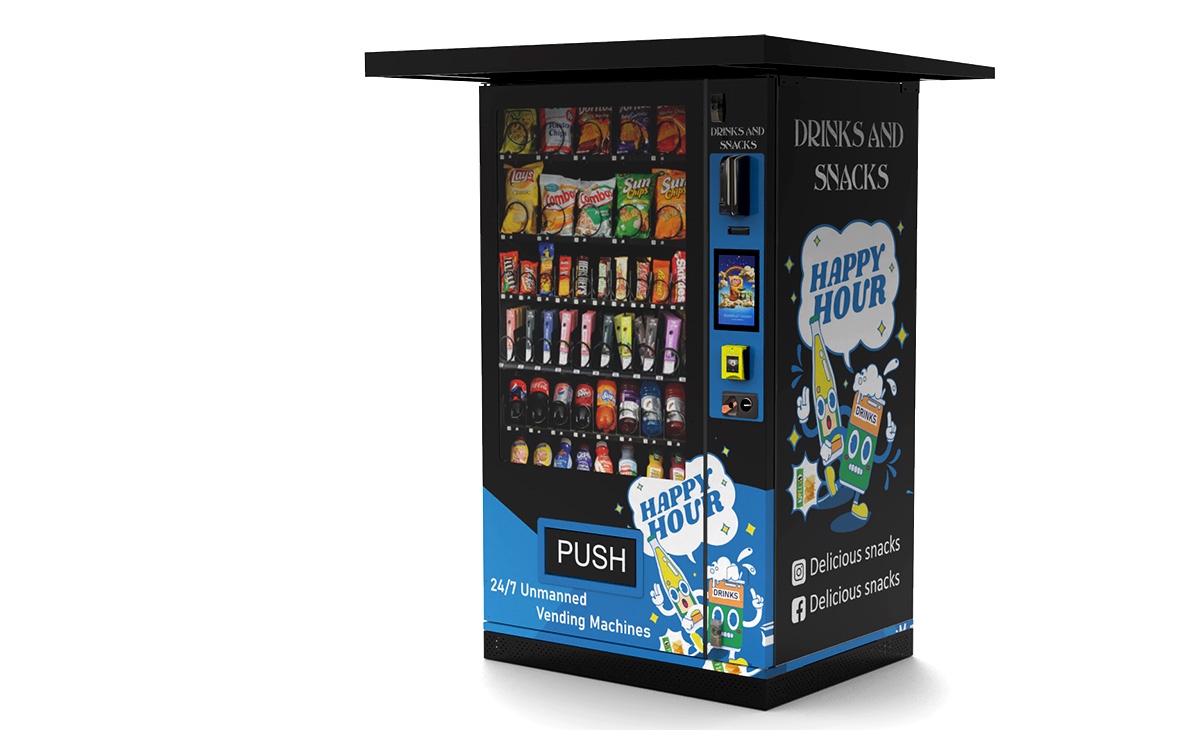
I have installed several self-service kiosks in Dallas office lobbies. The initial investment was around $12,000 per unit, but the average transaction value is higher because customers can browse a digital catalog and make more deliberate choices. These kiosks also look modern, which helps when negotiating with property managers who want a professional appearance.
Common Mistakes New Operators Make
I have made plenty of mistakes over the years, and I have watched others make the same ones. Here are the most common:
- Buying too many machines too fast – Start with two or three. Learn the route, the restocking rhythm, and the maintenance demands before scaling.
- Ignoring sales data – If a product does not sell for two weeks, replace it. Do not keep stocking it because you like it.
- Underpricing products – You are not a charity. Price competitively but ensure you cover costs and leave room for profit.
- Skipping the written agreement – A handshake deal is not enough. Get the commission rate, restocking schedule, and termination terms in writing.
- Neglecting cleanliness – A dirty machine repels customers. Wipe down the exterior and interior at every restock.
Financial Breakdown: What You Need to Budget
Here is a realistic budget for starting a small vending operation with three machines in the Dallas area, based on my own experience:
- Three machines (combo snack and drink) – $24,000 (new) or $12,000 (used)
- Initial product inventory – $1,500 to $2,000
- Payment system setup fees – $200 to $500 per machine
- Transportation and installation – $300 to $600
- Business license and permits – $100 to $500 depending on city requirements
- Insurance (liability and equipment) – $500 to $1,000 per year
- First year maintenance reserve – $1,000 to $2,000
Total startup cost for a three-machine route: roughly $15,000 to $28,000. Payback period is typically 18 to 30 months if locations perform well.
Regulations and Permits in Dallas
You need a general business license from the city of Dallas. If you sell food items, the Dallas County Health Department may require a food permit, especially if you sell perishable items like sandwiches or salads. The Texas Department of Agriculture also has rules about food safety for vending machines. I recommend checking the Dallas city website for the latest requirements. According to the City of Dallas business portal, a Mobile Food Unit permit is required for any vending operation that involves food preparation or storage. Most standard snack and drink machines fall under a general vending permit, but it is worth confirming with the local health department.
Sales tax is another consideration. In Texas, you must collect and remit sales tax on all vending machine sales. The state sales tax rate is 6.25 percent, and Dallas adds an additional 2 percent, for a total of 8.25 percent. You will need a sales tax permit from the Texas Comptroller of Public Accounts.
Frequently Asked Questions
Are vending machines profitable?
Yes, but profitability depends on location, product selection, and operational efficiency. Most operators I know earn a net profit of 15 to 20 percent on gross revenue after all expenses. A single machine can generate $200 to $500 per month in profit if placed well.
How much does one vending machine cost?
A new combination snack and drink machine costs between $6,000 and $12,000. Used machines range from $3,000 to $6,000. Specialty machines for coffee or fresh food cost more, often $10,000 to $18,000.
How long does it take to recoup the investment?
Payback period is typically 18 to 30 months for a well-placed machine. Some operators recover their investment in 12 months if the location has very high foot traffic and low commission rates.
Should a beginner buy or lease a machine?
I recommend buying if you have the capital. Leasing often comes with higher long-term costs and restrictive terms. Buying gives you full control and better profit margins once the machine is paid off.
Where is the best place to put a vending machine?
Manufacturing plants, warehouses, office buildings with over 100 employees, hospitals, and universities are the best locations. Avoid low-traffic areas and locations with existing vending contracts.
What permits do I need in Dallas?
You need a general business license from the city, and if you sell food, you may need a food permit from the Dallas County Health Department. You also need a sales tax permit from the Texas Comptroller. Check with the City of Dallas business office for specific requirements.
How do I choose a vending machine supplier?
Look for a supplier with a solid warranty, modern payment systems, remote monitoring, and good parts availability. I recommend Zhongda Smart for their reliable combo machines and responsive support.
What happens if the machine breaks down?
You either fix it yourself or call a technician. Budget 10 to 15 percent of gross revenue for maintenance. Machines with remote monitoring help you catch problems early and reduce downtime.
How can I reduce restocking costs?
Use remote monitoring to check inventory levels before driving to a location. Plan efficient routes that group nearby machines. Standardize your product list to simplify ordering and reduce waste.
Final Thoughts from a Decade in the Business
Starting a vending machine operation in Dallas is not a get-rich-quick scheme. It is a straightforward business that rewards consistent effort and attention to detail. The operators who succeed are the ones who treat it like a real business, not a passive income fantasy. They track their numbers, maintain their equipment, and build relationships with location partners. If you are willing to put in the work, the returns can be steady and reliable. Just go in with your eyes open, budget realistically, and choose your equipment and locations carefully.
Disclaimer: The figures and examples in this article are based on my personal experience as a vending machine operator and publicly available industry data. Actual results vary depending on location, market conditions, and operational efficiency. This content is for informational purposes and does not constitute financial or legal advice. Consult with a qualified professional before making business decisions.
This article was updated on March 2025.
Sources:
IBISWorld – Vending Machine Operators in the US Industry Report (2024). ibisworld.com
City of Dallas Business Portal – Permits and Licenses. dallas.gov
Texas Comptroller of Public Accounts – Sales Tax for Vending Machine Operators. comptroller.texas.gov