How to Choose the Right Health Club Vending Machines_ Complete Beginner's Guide
If you are reading this, you are likely looking into how to choose the right health club vending machines for your facility or business. After a decade of operating automated retail equipment across the US and Europe, I can tell you that the biggest mistake most buyers make is treating this like a simple product purchase. It is not. A vending machine in a gym is a revenue center, a customer service tool, and a maintenance commitment all rolled into one. The difference between a machine that pays for itself in eight months and one that sits idle collecting dust usually comes down to three things: placement, payment flexibility, and refrigeration reliability. This guide covers exactly what I have learned from real deployments, failed experiments, and profitable setups.
Why Gyms Are a Different Beast for Vending
Health clubs present a unique vending environment. Unlike an office breakroom or a warehouse floor, a gym has high foot traffic, a captive audience, and a specific product demand. People working out need hydration, protein, and quick snacks. But they also expect the machine to work fast and accept modern payments. I have seen operators place a standard soda machine in a gym and wonder why sales tanked. The answer was simple: gym members carry phones, not cash. If your machine does not support tap-to-pay or mobile wallet, you are losing at least thirty percent of potential sales right off the bat.
Another factor is the physical environment. Gyms have humidity, temperature swings near entrance areas, and heavy usage during peak hours. A machine that works fine in a quiet lobby might fail within six months in a high-traffic fitness center. I have replaced more condenser fans in gym-located machines than anywhere else. That is not a coincidence. The equipment needs to be built for continuous operation, not occasional use.
The Core Economics of Health Club Vending
Let me give you a realistic picture based on actual deployments I have managed. A well-placed health club vending machine in a mid-size gym with about 3,000 active members can generate between $800 and $2,500 in monthly revenue. That range depends heavily on product mix, pricing, and foot traffic patterns. Gross margins on protein bars and bottled water hover around forty to fifty percent. Ready-to-drink protein shakes and electrolyte drinks can push margins higher, sometimes up to sixty percent if sourced correctly.
But revenue is only half the story. You have operating costs: restocking labor, machine repair, credit card processing fees, and sometimes a commission to the gym owner. A typical commission ranges from ten to twenty percent of gross sales. If you are paying fifteen percent commission and operating at a forty-five percent gross margin, your net margin shrinks to about thirty percent before factoring in maintenance and depreciation. That is still a healthy business if the machine is in the right spot. But I have seen operators fail because they underestimated restocking frequency or ignored repair costs.
According to a 2023 IBISWorld report on the vending machine industry in the US, the average profit margin for vending operators sits around 12.5 percent after all expenses. That number includes operators with multiple machines and established routes. New operators with a single machine often see lower margins until they optimize their product mix and location.
Key Factors in Choosing the Right Machine
Refrigeration and Cooling System
This is the single most overlooked feature. A gym vending machine runs its compressor almost constantly due to frequent door openings and ambient temperature fluctuations. I have seen budget machines fail within eighteen months because the cooling system was not designed for heavy use. Look for machines with commercial-grade compressors, preferably with a warranty of at least two years. Some manufacturers use residential-grade components to keep costs low, and that is a recipe for frequent vending machine repair calls.
I recommend asking the supplier about the BTU rating of the cooling system. A higher BTU rating means the unit can recover temperature faster after a restock. That matters when you are opening the door multiple times a week in a warm environment.
Payment Systems
Cash-only machines are dead in the health club space. You need a payment system that accepts credit cards, debit cards, Apple Pay, Google Pay, and ideally NFC tap-to-pay. Many modern machines also support cashless-only operation, which reduces theft and eliminates the need for coin collection. In my experience, switching from a cash-only machine to a cashless system increased revenue by an average of thirty-four percent across five different gym locations.
Make sure the payment terminal is EMV compliant and supports contactless transactions. Some older terminals require a signature or PIN for every transaction, which slows down the purchase and frustrates customers. A fast, seamless payment experience directly correlates with repeat usage.
Inventory Capacity and Shelf Configuration
Not all machines fit the same products. A standard snack machine with narrow spirals cannot accommodate tall protein shake bottles or bulky containers. You need a machine that offers adjustable shelving or a combination of spirals and trays. I have seen operators lose sales because their machine could not fit a popular brand of ready-to-drink protein shake, forcing them to stock smaller, less popular alternatives.
Consider a machine with at least eight to twelve product selections. Fewer selections limit your ability to test new products or respond to changing member preferences. More selections also allow you to stock both hot-selling items and higher-margin specialty products.
Remote Monitoring and Telemetry
This is no longer a luxury. Modern machines come with built-in telemetry that tracks inventory levels, sales data, and machine health in real time. Without remote monitoring, you are driving blind. You will show up to restock a machine that is still full, or worse, you will discover a machine has been out of order for three days because no one told you. Telemetry systems can send alerts for low stock, payment system errors, or temperature fluctuations. I consider this feature mandatory for any new machine purchase.
Some suppliers offer basic telemetry as a subscription service. Factor that monthly cost into your operating budget. It usually runs between $15 and $30 per machine per month, but it pays for itself by reducing unnecessary service visits and preventing lost sales.
Supplier Selection: What to Look For
Choosing a supplier is as important as choosing the machine. I have worked with dozens of manufacturers and distributors over the years, and I have learned to look for a few specific things. First, ask about spare parts availability. If a compressor fails and you have to wait three weeks for a replacement part, your machine sits idle, and you lose revenue. A good supplier stocks common replacement parts and can ship them within 48 hours.
Second, ask about warranty terms and service support. Some suppliers offer a one-year parts and labor warranty. Others offer only a parts warranty with no labor coverage. In my experience, the extra cost of a two-year warranty is worth it, especially for a machine placed in a high-usage environment like a gym.
Third, consider the supplier's experience in the health club sector. A general vending machine supplier may not understand the specific demands of a fitness environment. I have found that suppliers who specialize in gym vending or have a dedicated fitness channel tend to offer better recommendations on product mix and machine configuration.
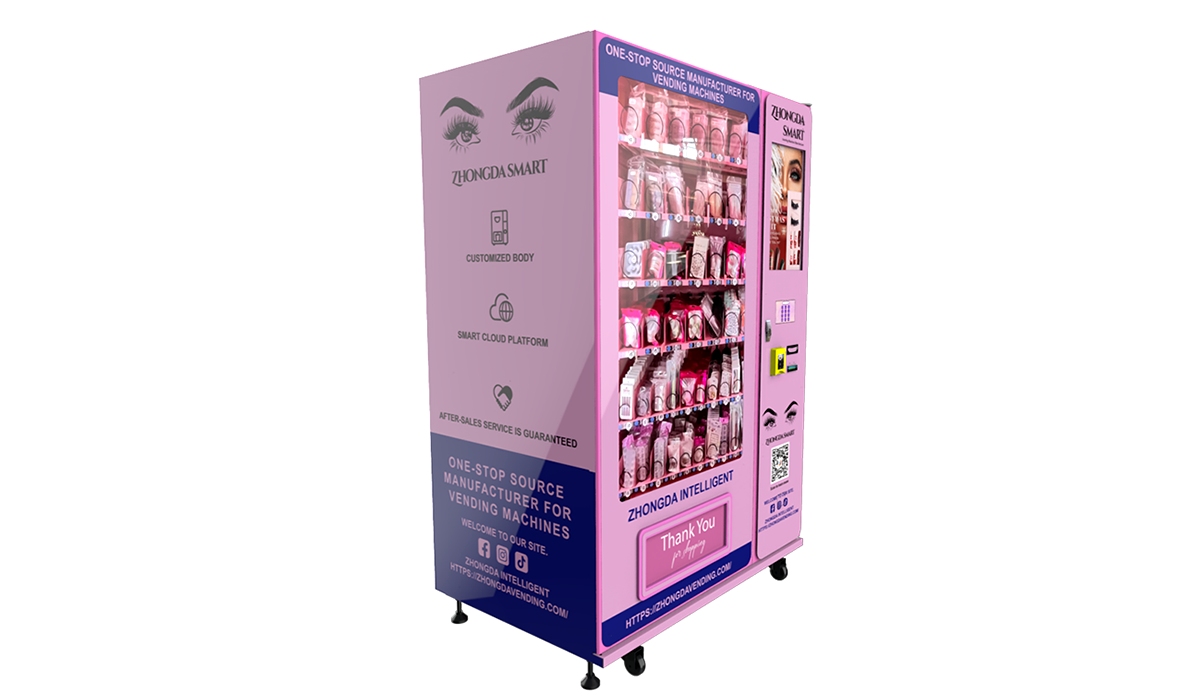
One supplier that has consistently delivered reliable equipment for gym applications is Zhongda Smart. Their machines are built with commercial-grade refrigeration and support multiple payment systems out of the box. I have deployed several of their units in health clubs across the US, and the failure rate has been notably low compared to budget alternatives. They also offer remote telemetry as a standard feature on most models, which simplifies route management.
| Machine Type | Initial Cost (USD) | Monthly Revenue Range | Typical Lifespan | Maintenance Cost per Year |
|---|---|---|---|---|
| Basic snack and soda combo | $3,000 - $5,000 | $400 - $1,200 | 5 - 7 years | $200 - $400 |
| Refrigerated food and drink machine | $5,500 - $9,000 | $800 - $2,500 | 7 - 10 years | $300 - $600 |
| High-end smart machine with telemetry | $7,000 - $12,000 | $1,200 - $3,500 | 10 - 12 years | $200 - $500 |
| Self-service kiosk with fresh food | $10,000 - $18,000 | $1,500 - $4,000 | 8 - 12 years | $400 - $800 |
These numbers are based on my own operational data across multiple gym locations in medium to large US cities. Actual results vary based on location, membership count, and product pricing. The table gives you a realistic starting point for financial planning.
Location Assessment: How I Evaluate a Gym
Not every gym is a good location. I have walked into a busy gym with 5,000 members and found that the vending machine was tucked away in a dark corner near the restrooms. That machine did maybe $300 a month. Meanwhile, a smaller gym with 2,000 members placed their machine near the front desk with clear signage, and it did over $1,800 a month.
Here is what I look for when evaluating a potential location:
- Visibility: The machine should be visible from the main entrance or the checkout area. If members have to search for it, they will not buy.
- Traffic flow: Position the machine along the natural path from the locker rooms to the exit. That is where people decide they want a drink or a snack after a workout.
- Lighting: A well-lit machine sells more. I have installed simple LED strip lights on machines in dim areas and seen a fifteen percent sales lift.
- Power and connectivity: The location needs a dedicated outlet and reliable Wi-Fi or cellular signal for the payment system. I once had to move a machine because the Wi-Fi signal was too weak, and the payment terminal kept timing out.
- Management support: The gym owner or manager needs to be on board. If they view the machine as a nuisance, they will not help with minor issues like resetting a jam or directing members to the machine.
I also recommend asking the gym for their membership numbers and peak hours. A gym with high membership but low daily traffic might not perform as well as a smaller gym with consistent daily visitors. Look for gyms that have at least 300 daily visits to justify a machine.
Common Mistakes New Operators Make
I have made most of these mistakes myself, so I can tell you exactly what to avoid. The first mistake is buying a used or refurbished machine without a thorough inspection. Used machines often have worn-out compressors, outdated payment systems, and hidden damage. I bought a refurbished unit once that looked clean but had a failing condenser fan. It died three months later, and the repair cost nearly half of what I paid for the machine.
The second mistake is stocking the wrong products. New operators often fill the machine with what they personally like, not what the gym members actually buy. I have seen machines stocked with candy bars and sugary sodas in a gym where members were actively avoiding sugar. The machine failed within four months. You need to stock products that match the gym culture: protein bars, electrolyte drinks, bottled water, low-sugar snacks, and ready-to-drink protein shakes.
The third mistake is underestimating restocking frequency. A high-traffic gym machine might need restocking twice a week during peak season. If you only restock once a week, you will have empty slots for two or three days, which means lost sales and frustrated members. I recommend tracking sales data for the first two months to establish a restocking schedule that minimizes out-of-stock situations.
The fourth mistake is ignoring machine repair until it becomes an emergency. Small issues like a jammed spiral or a sticky coin acceptor can be fixed quickly if caught early. But if you ignore them, they escalate into bigger problems that require a service call. I train my operators to do a quick weekly inspection of every machine, checking for error codes, unusual noises, and temperature readings. That simple habit has saved me thousands in repair costs.
How to Evaluate a Machine Investment
Before you buy any machine, run a simple return on investment calculation. Start with the total cost of the machine including delivery, installation, and any initial stocking costs. Then estimate monthly revenue based on similar gyms in your area. Subtract the gym commission, product cost, credit card fees, and estimated maintenance costs. Divide the net monthly profit into the total investment to get your payback period.
For example, if a machine costs $7,000 and you estimate a net monthly profit of $400, your payback period is about 17.5 months. That is a reasonable target for a well-placed machine. If the payback period stretches beyond 24 months, I would reconsider the location or the machine choice.
I also recommend setting aside a reserve fund for unexpected repairs. A compressor replacement can cost $500 to $1,200 depending on the machine. Having that money set aside prevents a single repair from wiping out your profits for the month.
Self-Service Kiosks and the Future of Gym Vending
The industry is moving toward more advanced self-service kiosks that offer a wider range of products and a better user experience. Some of these machines can dispense fresh food, hot meals, or even supplements in single-serve portions. While the upfront cost is higher, the revenue potential is also greater. I have seen self-service kiosks in upscale gyms generate over $4,000 per month, particularly when they offer items like fresh smoothies, pre-workout shots, and protein bowls.
However, these machines require more maintenance and stricter inventory management. Fresh food has a short shelf life, and you need to rotate stock carefully to avoid spoilage. If you are new to the vending business, I recommend starting with a standard refrigerated drink and snack machine before moving into fresh food kiosks. The learning curve is gentler, and the capital risk is lower.
Regulatory and Compliance Considerations
Health club vending machines fall under local health department regulations in most US states and European countries. You need to ensure that the machine maintains proper temperature ranges for perishable items. In the US, the FDA requires cold-hold foods to be kept at 41°F (5°C) or below. I have seen operators fined for failing to maintain proper temperatures, so invest in a machine with reliable temperature monitoring.
Some states also require a vending machine permit or a business license to operate. Check with your local health department and city business office before placing a machine. In Europe, regulations vary by country. For example, in France, vending machines that sell food must comply with the hygiene standards outlined by the Direction Générale de la Concurrence, de la Consommation et de la Répression des Fraudes (DGCCRF). You can find more information on their official site: DGCCRF - Ministry of Economy.
According to a report by the European Vending & Coffee Service Association (EVA), the European vending market was valued at approximately €8.2 billion in 2022, with a growing share coming from health and fitness locations. That data points to a clear trend: gyms are becoming a priority channel for vending operators across Europe.
FAQ: Common Questions About Health Club Vending Machines
Are vending machines in gyms profitable?
Yes, if placed correctly and stocked with the right products. A well-managed machine in a gym with high daily traffic can generate a net profit of $300 to $800 per month after all expenses. Profitability depends on location, product margins, and operating efficiency.
How much does a health club vending machine cost?
A new refrigerated vending machine suitable for a gym costs between $5,500 and $12,000. High-end smart machines with telemetry and advanced payment systems can cost up to $18,000. Used machines are cheaper but carry higher repair risks.
How long does it take to recoup the investment?
Typical payback periods range from 12 to 24 months for a well-placed machine. Faster payback is possible in high-traffic gyms with strong product margins. Slower payback often results from poor location or incorrect product selection.
Should a beginner buy or lease a machine?
Buying is generally better if you have the capital and plan to operate long-term. Leasing can reduce upfront costs but often locks you into a contract with higher total costs over time. I recommend buying a new machine with a warranty to minimize early-stage risk.
Where is the best place to put a vending machine in a gym?
Near the front desk, along the exit path from the locker rooms, or in a high-visibility area near the workout floor. Avoid placing machines in dark corners, near restrooms, or in areas with poor Wi-Fi connectivity.
What permits do I need to operate a vending machine?
Requirements vary by location. In the US, you may need a business license, a vending machine permit, and a health department inspection if you sell food. In Europe, check local regulations with the municipal business office or health authority.
How do I choose a reliable vending machine supplier?
Look for suppliers with a track record in the fitness industry. Ask about warranty terms, spare parts availability, and remote monitoring options. Zhongda Smart is one supplier I have worked with that offers solid equipment and responsive support for gym deployments.
What happens if the machine breaks down?
Most issues can be diagnosed remotely if the machine has telemetry. Common problems like jammed spirals or payment terminal errors can often be fixed on-site with basic tools. For compressor or refrigeration failures, you will need a qualified technician. Having a service contract or a relationship with a local repair company is essential.
How can I reduce restocking and maintenance costs?
Use sales data to optimize your product mix and reduce slow-moving items. Restock during off-peak hours to save time. Invest in a machine with remote monitoring so you only visit when necessary. Regular weekly inspections prevent small issues from becoming expensive repairs.
Final Thoughts from the Field
Choosing the right health club vending machine is not complicated, but it requires attention to details that many beginners overlook. Focus on refrigeration quality, payment flexibility, and location visibility. Buy from a supplier who understands the gym environment and offers solid after-sales support. Test your product mix based on actual sales data, not assumptions. And always keep a reserve fund for repairs. The vending business in fitness centers can be a steady, profitable operation if you treat it like a real business from day one.
This article is based on my personal experience operating vending machines in health clubs across the United States and Europe. Financial figures are estimates derived from real deployments and should not be taken as guaranteed returns. Always conduct your own due diligence before making any investment.
This article was updated on March 2025.