How to Choose the Right Smart Market Solutions Vending Machine_ Complete Beginner's Guide
If you are looking into the vending machine business for the first time, the biggest question is usually not which snacks to stock or what brand of machine looks best. It is how to choose the right smart market solutions vending machine that will actually make money in your specific location. After spending over a decade placing machines across the US and Europe, I can tell you that most beginners get the selection process backwards. They focus on price or appearance first, when they should be focusing on payment systems, refrigeration reliability, and data connectivity. This guide walks you through exactly what I look for when evaluating a machine, what costs to expect, and how to avoid the expensive mistakes I have seen others make.
What a Smart Market Solutions Vending Machine Actually Does
Let us clear up one thing right away. A smart vending machine is not just a box that dispenses a candy bar when you press a button. It is an automated retail terminal that accepts card payments, mobile wallets, and sometimes even cash. It connects to a cloud-based platform so you can see inventory levels, sales data, and machine health from your phone or laptop. In the US and Europe, the shift from cash-only machines to smart machines has been dramatic. According to a Statista report from 2023, the global smart vending machine market was valued at approximately USD 4.6 billion and is projected to grow at a compound annual growth rate of over 14 percent through 2030. That growth is driven by consumer demand for contactless payments and real-time inventory visibility.
When I say "smart market solutions vending machine," I mean a unit that does more than vend. It gives you data. It tells you when a coil is jammed, when a product is about to expire, and when the temperature in the refrigerated section has drifted outside the safe range. That data is what separates a profitable route from a money pit.
Is a Vending Machine Business Actually Profitable?
This is the question I hear most often from people who are thinking about buying their first machine. The honest answer is that it can be profitable, but it is not automatic. I have seen operators earn a 30 percent net margin on a well-placed machine in a busy office building, and I have seen others lose money for six months because they ignored the location's foot traffic patterns.
In my experience, a single machine in a decent location will generate between USD 300 and USD 800 in monthly revenue. Gross margins on the products themselves typically range from 25 to 40 percent, depending on what you are selling and how you source inventory. After you subtract location commission, restocking labor, machine payments, and occasional vending machine repair costs, a realistic net profit per machine per month is somewhere between USD 100 and USD 300. That might not sound like a lot, but scale that to ten or twenty machines and it becomes a solid side income or even a full-time business.
I always tell new operators to expect a payback period of 12 to 24 months on a new machine. If you buy used equipment, that timeline can shrink to 8 to 12 months, but you take on more risk with reliability. There is no guaranteed return, and anyone who promises you a fixed profit number is not being honest.
Key Factors to Consider Before Buying a Machine
Location Is Everything, But Not in the Way You Think
Most beginners assume that high foot traffic automatically equals high sales. That is not always true. I once placed a machine in a busy train station in Germany that barely broke even. Why? Because the passengers were commuters who had exactly two minutes to catch their train. They did not stop to browse. The machine needed to be positioned where people had dwell time, not just passing traffic. A small gym with 200 members who stay for an hour each visit will often outperform a train station with 10,000 daily passersby.
When I evaluate a location, I look for three things: dwell time, repeat visitors, and a clear need for immediate consumption items. Offices, small manufacturing facilities, medical clinics, and college dormitories are usually strong candidates. Restaurants, retail stores, and places that already sell snacks and drinks are generally weak candidates.
Payment Systems Are Non-Negotiable
If your machine does not accept credit cards and mobile payments, you are leaving at least 40 percent of potential sales on the table. In the US, cash usage has been declining steadily. According to the Federal Reserve's 2022 Diary of Consumer Payment Choice, cash represented only 18 percent of all transactions. In many European countries, contactless payment adoption is even higher. I have seen machines in France that process over 80 percent of their transactions via card or smartphone. A smart market solutions vending machine should support NFC, Apple Pay, Google Pay, and major credit cards at minimum. If a supplier offers a machine with an outdated payment terminal, walk away.
Refrigeration and Food Safety
If you plan to sell perishable items like sandwiches, salads, or dairy products, the refrigeration system is the most critical component. I have seen operators lose entire inventory loads because a machine's cooling unit failed overnight and no alert was sent. A proper smart machine will have temperature sensors that send an alert to your phone if the internal temperature rises above a safe threshold. In the European Union, food safety regulations under Regulation EC 852/2004 require that chilled food be stored at or below 8 degrees Celsius. In the US, the FDA Food Code recommends 41 degrees Fahrenheit. If your machine cannot maintain those temperatures reliably, you are exposing yourself to liability and product loss.
Costs You Should Expect: A Realistic Breakdown
Let me give you a straightforward table based on what I have seen across dozens of installations in the US and Europe. These are estimates, not guarantees, and actual costs will vary based on your region, supplier, and specific configuration.
| Expense Category | New Smart Machine (USD) | Used Machine (USD) | Notes |
|---|---|---|---|
| Machine purchase price | 3,000 – 8,000 | 1,000 – 3,500 | Includes payment system and telemetry |
| Shipping and installation | 300 – 800 | 200 – 600 | Depends on distance and location access |
| Initial inventory | 500 – 1,200 | 500 – 1,200 | First stock of products |
| Location commission (monthly) | 10 – 25% of gross sales | 10 – 25% of gross sales | Negotiable with property owner |
| Monthly connectivity fee | 15 – 40 | 15 – 40 | For cloud-based telemetry system |
| Monthly payment processing fee | 2.5 – 4% of card sales | 2.5 – 4% of card sales | Varies by processor |
| Vending machine repair (annual average) | 200 – 500 | 400 – 800 | Used machines require more frequent repairs |
One thing I want to emphasize is that the cheapest machine is almost never the best value. I have seen operators buy a USD 1,500 used machine only to spend another USD 1,200 on vending machine repair within the first year. A well-built new machine from a reputable manufacturer will cost more upfront but will save you money in downtime and maintenance over the long run.
How to Choose a Vending Machine Supplier
I have worked with suppliers across the US, Europe, and Asia. The most important factor is not the price of the machine. It is the quality of the after-sales support. When your machine goes down in the middle of a busy week, you need someone who can help you diagnose the problem quickly and ship replacement parts if needed. I have seen operators wait three weeks for a control board from a low-cost supplier. That is three weeks of zero revenue and a frustrated location owner who may kick you out.
When evaluating a supplier, ask these specific questions:
- What is the average response time for technical support?
- Are replacement parts stocked in your country or region?
- Does the machine support local payment systems and currencies?
- Can the telemetry platform integrate with your existing route management software?
- What is the warranty period, and what does it cover?
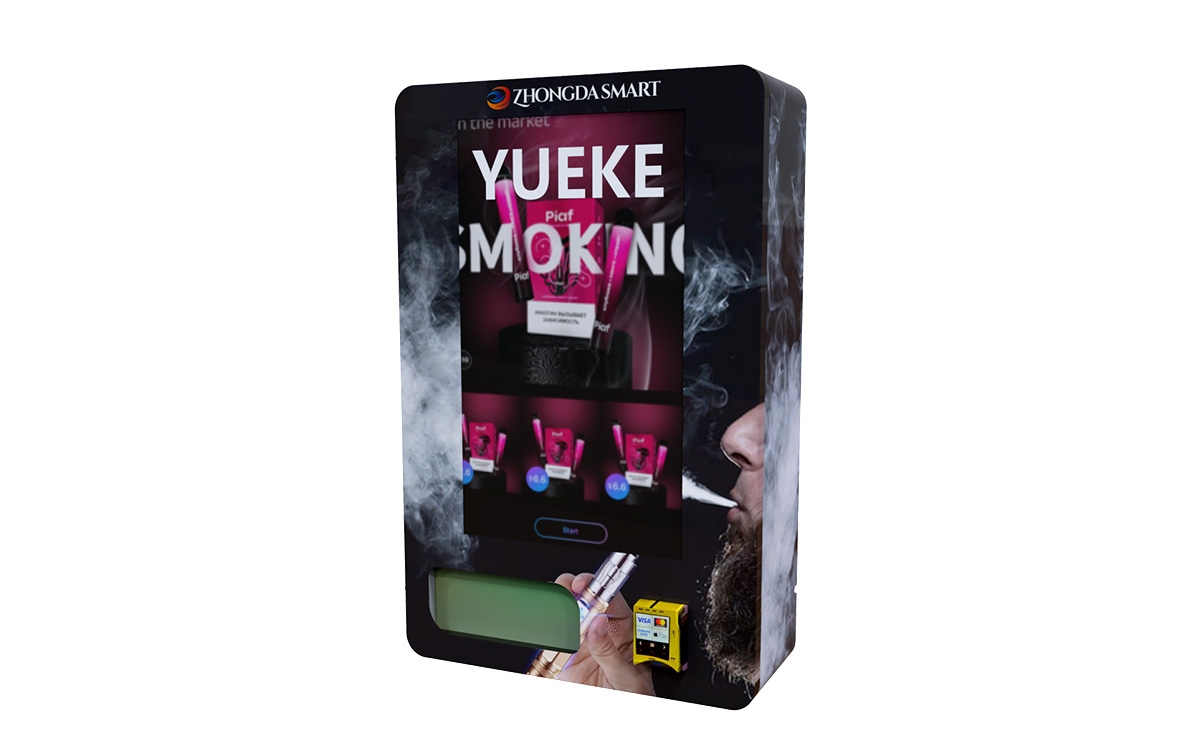
In my experience, Zhongda Smart has been a reliable option for operators looking for smart machines with solid telemetry and payment integration. Their machines are used in multiple European markets and come with a warranty that covers the compressor and main control board. I mention them because I have seen their equipment in the field and it holds up well under daily use. But I always recommend you test a machine yourself before committing to a bulk order.
Common Beginner Mistakes I Have Witnessed
Ignoring the Commission Structure
I once saw a new operator agree to a 30 percent commission with a property owner because he was desperate to get his machine into a high-traffic location. After paying for inventory, payment processing, and restocking labor, he was left with almost nothing. A fair commission for a standard location is between 10 and 20 percent. If the location is exceptional, like a hospital cafeteria with no other food options, you might agree to 25 percent. But never start with a high commission unless you have calculated the numbers and they still work.
Overstocking the Machine
New operators tend to fill every slot with a different product, thinking variety will drive sales. In reality, 80 percent of your revenue will come from 20 percent of your products. I recommend starting with a narrow selection of bestsellers like bottled water, energy drinks, chips, and chocolate bars. After a few weeks, look at your sales data and adjust. If something has not sold in two weeks, replace it with something else.
Neglecting Regular Cleaning and Maintenance
A dirty machine will lose customers fast. I have seen machines with sticky buttons, dirty glass, and expired products sitting on the shelves. That is a fast way to get your location owner to cancel your contract. I clean every machine on my route at least once every two weeks. It takes ten minutes and it keeps the machine looking professional.
Best Locations for a Smart Vending Machine
Based on my own route data and conversations with other operators, here are the location types that consistently perform well:
- Office buildings: Especially those with 100 or more employees and no on-site cafeteria.
- Manufacturing plants and warehouses: Workers need quick access to drinks and snacks during breaks.
- Medical clinics and hospitals: Staff and patients often have limited food options nearby.
- College dormitories and student lounges: Students eat at all hours and appreciate 24/7 access.
- Gyms and fitness centers: Protein bars, water, and sports drinks sell well here.
- Automotive repair shops and car dealerships: Customers waiting for service are a captive audience.
On the flip side, I avoid locations where the property owner expects a high commission, where there is already a vending machine within 100 meters, or where the foot traffic consists mostly of people who are in a hurry.
How to Evaluate Whether a Machine Is Worth the Investment
Before I buy a machine for a specific location, I do a simple break-even calculation. I estimate the monthly revenue based on the location's foot traffic and average transaction value. I subtract the commission, cost of goods sold, payment processing fees, and connectivity fees. Then I divide the total machine cost by the expected monthly net profit. If the payback period is longer than 24 months, I either negotiate a lower commission or walk away from the location.
For example, if a machine costs USD 5,000 and I expect a net profit of USD 250 per month, the payback period is 20 months. That is acceptable. If the net profit is only USD 150 per month, the payback period stretches to 33 months, and I would not proceed unless I was buying a used machine.
Frequently Asked Questions
Do vending machines actually make money?
Yes, but the profitability depends heavily on location, product selection, and operational efficiency. A well-placed machine can generate a net profit of USD 100 to USD 300 per month. Poorly placed machines can lose money.
How much does a smart vending machine cost?
A new smart machine with telemetry and card payment support typically costs between USD 3,000 and USD 8,000. Used machines range from USD 1,000 to USD 3,500, but may require more frequent vending machine repair.
How long does it take to break even?
Most operators see a payback period of 12 to 24 months for new machines and 8 to 12 months for used machines, assuming the location performs as expected.
Should a beginner buy or lease a vending machine?
I recommend buying a single machine first. Leasing often comes with long-term commitments and higher total costs. Once you understand the business, you can decide whether to scale up with owned or leased equipment.
Where should I place my first machine?
Look for locations with consistent foot traffic, dwell time, and a clear need for immediate consumption items. Offices, small factories, and medical clinics are strong starting points.
What permits or licenses do I need?
Requirements vary by country and region. In the US, you typically need a business license and a seller's permit. In the EU, you may need a food business registration if you sell perishable items. Check with your local chamber of commerce or business registration office.
How do I choose a reliable vending machine supplier?
Look for suppliers with local parts availability, responsive technical support, and machines that support your region's payment systems. Zhongda Smart is one option that meets these criteria for many operators in Europe and North America.
What happens when the machine breaks down?
Most smart machines will send an error alert through their telemetry system. You should have a basic toolkit and access to a supplier who can ship replacement parts quickly. For complex issues, you may need a local technician who specializes in vending machine repair.
How can I reduce restocking and maintenance costs?
Use the machine's sales data to identify your top-selling products and only stock those. Plan your restocking route efficiently to minimize travel time. Clean the machine regularly to prevent mechanical issues from dirt buildup.
Choosing the right smart market solutions vending machine is not about finding the cheapest option or the flashiest design. It is about matching the machine's capabilities to the specific needs of your location, your customers, and your own operational capacity. Start small, pay attention to the data, and do not be afraid to move a machine if it is not performing. The operators who succeed in this business are the ones who treat it like a business, not a hobby.
本文更新于 2025年2月。文中成本数据和收益估算基于个人运营经验以及公开行业报告,包括 Statista 的智能自动售货机市场报告(2023)和美联储消费者支付选择日记(2022)。实际结果因地区、位置、品类和运营效率而异,不构成财务承诺。