Step-by-Step Guide to Starting a Protein Shake Vending Machine Business in 2026
Why Protein Shakes in a Vending Machine Make Sense Right Now
The demand for convenient, high-protein nutrition is not slowing down. Gyms, college campuses, hospitals, and even office parks have seen a steady increase in people looking for a quick meal replacement or post-workout shake. Traditional snack vending machines do not cut it for this crowd. They want something that feels fresh, not a candy bar that has been sitting in a coil for six months. A dedicated protein shake vending machine fills that gap. It also fits a higher price point. You are not selling a two-dollar soda. You are selling a five to seven dollar product with a gross margin that can hit 40 to 55 percent if you source your inventory well.
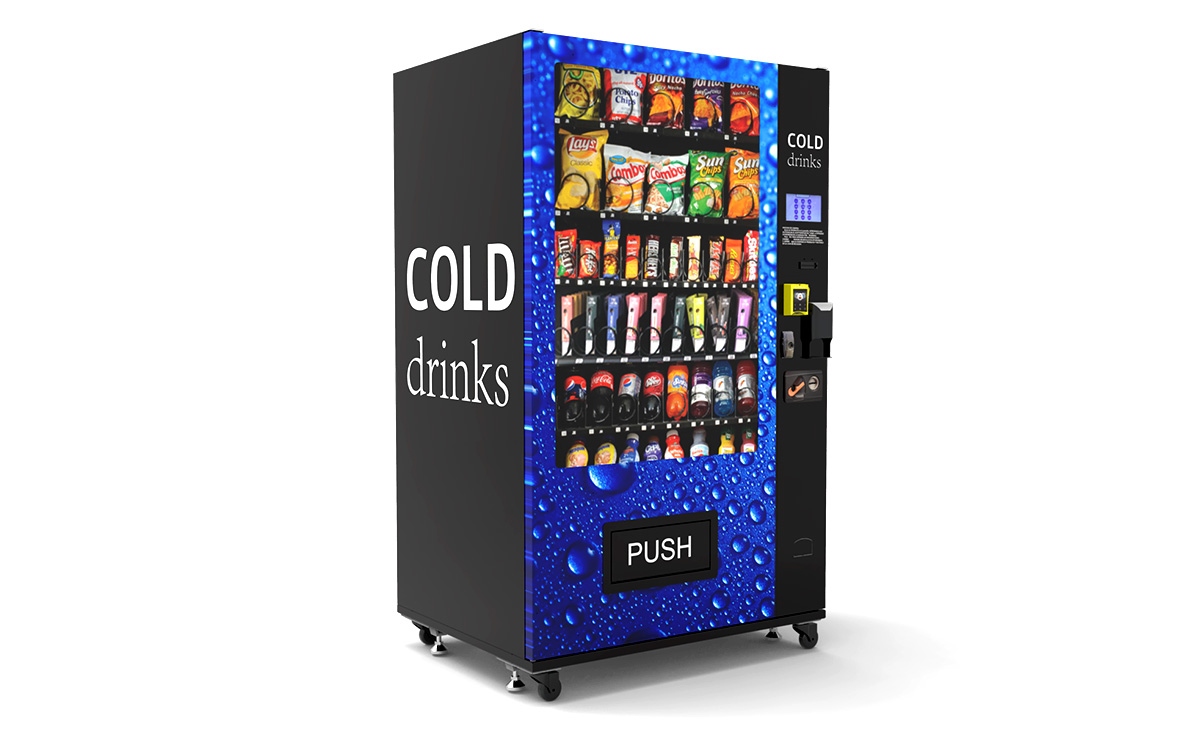
From an operational standpoint, these machines are also easier to manage than a full cold food vending setup. You are dealing with shelf-stable or refrigerated bottles and powders, not sandwiches that expire in three days. That longer shelf life gives you more flexibility on restocking schedules. In my experience, a well-placed protein shake machine needs restocking once every five to seven days, depending on traffic. That is a lot less labor than a coffee machine that needs daily cleaning and bean refills.
Step 1: Choosing the Right Machine for Protein Shakes
Not all vending machines are built to handle bottled shakes or powder-based mixes. If you try to use a standard snack and drink machine for protein shakes, you will run into problems. The coils are not designed for the weight of a 16-ounce bottle, and the refrigeration units in cheap machines struggle to maintain a consistent 38 to 40 degrees Fahrenheit. I have seen operators lose entire loads of inventory because a budget machine failed to hold temperature during a warm weekend.
You have three main equipment options for a protein shake vending machine in 2026.
Refrigerated Bottle Machines
These are the most common choice. They look similar to a standard soda machine but are built with heavier shelving and stronger cooling systems. They work well for pre-mixed protein shakes that need to stay cold. Brands like Zhongda Smart offer models specifically designed for this product category. Their machines use a dual-cooling system that keeps the internal temperature stable even when the machine is placed in direct sunlight or a warm gym lobby. That is not a minor detail. I have replaced compressors on cheaper machines within six months of installation. A reliable refrigeration unit is worth paying extra for upfront.
Powder-Based Dispensing Machines
These machines mix powder with water or milk inside the machine and dispense a fresh shake into a cup. They offer a lower cost per serving and a longer shelf life for the ingredients, but they come with higher maintenance requirements. The mixing mechanisms can clog if not cleaned regularly. The powder can cake in humid environments. I have seen these work well in high-traffic university gyms where volume justifies the extra cleaning labor, but for a first-time operator, I usually recommend starting with bottled machines. They are simpler to maintain and less likely to break down in ways that require a technician visit.
Combination Machines
Some newer models from Zhongda Smart and other manufacturers combine a refrigerated section for bottled shakes with a dry section for protein bars or snacks. This can increase your average transaction value because a customer buys a shake and a bar together. The downside is that combination machines are more expensive and have more components that can fail. I would only consider this option if you have a location with proven high traffic, like a 24-hour fitness chain or a hospital staff break room.
Step 2: Evaluating the True Cost of a Machine
Let me be direct about pricing because a lot of online guides give you numbers that do not reflect what you will actually pay. A new, commercial-grade refrigerated vending machine suitable for protein shakes will cost you between $4,500 and $8,500 in 2026. That is for a machine from a reputable manufacturer like Zhongda Smart. If you buy from a no-name supplier on an online marketplace, you might find machines for $2,500. I have bought those. I do not recommend them. The compressors fail, the payment systems are outdated, and the warranty is often worthless.
Here is a breakdown of the real costs you should expect in the first year.
| Cost Category | Estimated Range (USD) | Notes from Experience |
|---|---|---|
| New Machine (Refrigerated Bottle Type) | $4,500 – $8,500 | Zhongda Smart models fall in this range. Avoid machines under $3,000 for this product type. |
| Initial Inventory (100–150 bottles) | $600 – $1,200 | Depends on brand and wholesale pricing. Bulk buying from distributors cuts cost per unit. |
| Payment System Setup (Credit Card + Mobile) | $300 – $700 | Most modern machines include this. Retrofitting an old machine costs more. |
| Delivery and Installation | $200 – $600 | Local movers if you do not have a truck. Pallet jack required for heavy machines. |
| Annual Maintenance and Repairs | $400 – $1,200 | Higher if you use a third-party vending machine repair service. Self-service reduces cost. |
| Location Commission or Rent | 10% – 25% of gross sales | Standard for gyms and office buildings. High-traffic locations demand higher percentages. |
Your total initial investment for a single machine will likely land between $5,500 and $10,000. That is a realistic number. If someone tells you can start for under $3,000, they are either selling you a used machine that will break or they are not accounting for inventory and installation.
Step 3: Finding the Right Location
This is where most new operators fail. They think any gym will work. That is not true. A small boutique gym with 200 members might generate $150 a week in shake sales. A large commercial gym with 3,000 members and high daily foot traffic can generate $800 to $1,200 a week. The difference is not just about the number of members. It is about how often they train and whether they buy food on-site.
I look for three things when evaluating a location for a protein shake vending machine.
- Daily foot traffic of at least 200 people. That does not mean members. That means people walking past the machine. A gym entrance, a hospital cafeteria line, or a university student center all work.
- Existing demand for protein products. If the location already sells protein shakes at a counter, that is a good sign. It means the audience is already conditioned to buy. Your machine can capture the after-hours sales when the counter is closed.
- Access to power and a stable internet connection. This sounds obvious, but I have lost weeks negotiating with landlords who did not want to run a power line to a corner of the lobby. Always check the electrical situation before you sign anything.
I also avoid locations that require a long walk from the main traffic flow. A machine tucked into a dark hallway will not sell. The machine needs to be visible from the main entrance or the checkout area. If people have to go looking for it, they will not buy.
Step 4: Understanding Revenue and Profit Potential
Let me give you realistic numbers based on my own routes. A single protein shake vending machine in a good location—like a mid-sized commercial gym with 1,500 active members—will average between $400 and $700 in weekly gross sales. That is roughly 60 to 100 bottles sold per week at $6.50 to $7.00 per bottle. Your cost of goods sold (COGS) for those bottles will be around $2.50 to $3.50 per bottle if you buy from a wholesale distributor or directly from a brand. That leaves a gross profit of $3.00 to $4.00 per bottle.
After you subtract the location commission (usually 15 to 20 percent of gross sales) and your restocking labor, you are looking at a net monthly profit of $600 to $1,200 per machine. That is not a get-rich-quick number. But if you scale to ten machines in good locations, you are looking at a monthly net of $6,000 to $12,000. That is a solid small business income.
According to data from IBISWorld, the vending machine industry in the US has grown at an annual rate of 2.8 percent over the last five years, with healthy food and beverage segments outperforming traditional snack categories. The shift toward better-for-you options supports the protein shake niche specifically.
Your payback period on a single machine will be 8 to 14 months if you hit your revenue targets. If the machine underperforms, it can stretch to 18 months or longer. That is why location testing is critical. I always negotiate a three-month trial period with the location owner. If the machine does not hit a minimum sales threshold, I move it.
Step 5: Payment Systems and Cashless Transactions
In 2026, a protein shake vending machine that only takes cash is a dead machine. I would estimate that 85 percent of my transactions are cashless. Customers expect to tap a card or use Apple Pay. If your machine does not support that, you will lose sales, especially in gyms where people do not carry wallets.
Most modern machines from manufacturers like Zhongda Smart come with built-in NFC readers and 4G connectivity. You want a machine that supports credit cards, mobile wallets, and maybe even fitness app integrations if you are placing it in a tech-forward gym. The upfront cost for a good payment system is worth it. Do not try to save $200 by buying a used machine with an old coin mechanism. You will regret it.
I also recommend using a remote monitoring system. This lets you see sales data, inventory levels, and machine health from your phone. It saves you from driving to a machine that is empty or broken. Most modern machines include this software. If yours does not, budget for a third-party telemetry system. It will pay for itself in saved fuel and time within three months.
Step 6: Maintenance and Vending Machine Repair
Every machine will break. That is not pessimism. That is experience. The question is how fast you can fix it. A machine that is down for a week loses a week of revenue and frustrates the location owner. If the machine breaks twice in a month, the location owner may ask you to remove it.
I keep a basic toolkit in my truck and have learned to handle common issues like a jammed bottle, a faulty temperature sensor, or a payment reader that loses connection. For more serious problems, like a compressor failure, I have a relationship with a local vending machine repair service. I pay them a retainer of $150 per month for priority service. That is cheaper than losing a machine for two weeks while I wait for a random technician.
If you are not comfortable with basic mechanical work, I strongly suggest you start with a new machine under warranty. Zhongda Smart offers a two-year warranty on their refrigeration units and a one-year warranty on electronics. That coverage is rare in this industry and can save you thousands in repair costs during the first year. I have used their service support for a machine that had a faulty payment board, and they shipped a replacement within 48 hours. That kind of response time matters when your machine is sitting idle.
According to a report from the National Automatic Merchandising Association (NAMA), the average vending machine in the US experiences 3.2 service calls per year. Each call costs an average of $175. That is another reason to buy a reliable machine. The difference between a machine that needs one service call per year and one that needs five calls per year is thousands of dollars in lost revenue and repair costs.
Step 7: Sourcing Inventory and Managing Supply
Your protein shake inventory is the most important part of your business after the machine itself. You need products that sell consistently and have a decent margin. I work with a mix of national brands like Quest, Premier Protein, and Muscle Milk, plus a local brand that gives me better margins. The national brands drive traffic because people recognize them. The local brand boosts my profit.
You also need to think about shelf life. Most bottled protein shakes have a shelf life of 6 to 12 months, but once they are refrigerated, customers expect them to be cold and fresh. I rotate my inventory strictly. Any bottle that is within two months of its expiration date gets moved to a lower-traffic machine or donated. Selling expired product will kill your relationship with the location owner and could create liability issues.
I buy in bulk from a distributor and store the inventory in a small garage space I rent for $200 per month. That gives me room to stock 500 to 1,000 bottles at a time, which lowers my per-unit cost by about 15 percent compared to buying smaller quantities. If you are just starting with one machine, you can buy directly from a brand's wholesale program or use a service like Boxed or even a local restaurant supply store. Just make sure you are getting a consistent price.
Step 8: Legal Requirements and Permits
The regulations for a protein shake vending machine vary by state and municipality, but there are some common requirements. You will need a business license, a sales tax permit, and in most places, a food service permit if you are selling refrigerated products. Some states treat vending machines differently than restaurants, but the health department still has the right to inspect your machine.
I have had health inspectors ask to see temperature logs for my refrigerated machines. I keep a digital log that syncs to my phone. If you cannot prove that your machine stays below 41 degrees Fahrenheit, you risk a fine or having your machine shut down. Do not skip this. It is a five-minute setup that saves you major headaches.
If you are placing a machine in a gym or office building, the location owner may require you to carry liability insurance. A basic commercial liability policy for a vending operation costs about $300 to $600 per year. I consider it mandatory. If a customer gets sick from a product or injured by a machine, you do not want to pay that out of pocket.
Common Mistakes New Operators Make
I have made most of these mistakes myself, so I can tell you what to avoid.
Buying a used machine without checking the refrigeration unit. Used machines can be a good deal, but only if you know what to look for. Bring a thermometer and let the machine run for 30 minutes before you buy. If it cannot hold a stable temperature, walk away.
Overpaying for a location. Some location owners will ask for 30 percent of gross sales. That is too high unless the location is exceptionally good, like a 24-hour gym with 5,000 members. I cap my commission at 20 percent for most locations. If they insist on more, I move on. There are always other spots.
Ignoring the importance of machine placement within the location. I once placed a machine in a gym lobby near the front desk. Sales were mediocre. I moved it 15 feet to the right, next to the entrance to the locker rooms, and sales increased by 40 percent. The exact spot matters.
Underestimating the cost of vending machine repair. If you are not handy, budget for a technician. A single emergency repair call can cost $250. That eats into your profit fast. Preventative maintenance is cheaper. Clean the condenser coils every three months. Check the door seals. Lubricate the locks. That takes 20 minutes and prevents bigger problems.
How to Evaluate a Machine Investment
Before you buy any machine, run a simple calculation. Estimate the weekly foot traffic at the location. Multiply that by a conservative conversion rate. For protein shakes, I assume a 2 to 4 percent conversion rate for a new machine in a gym. That means if 500 people walk past the machine per day, you might get 10 to 20 sales per day. Multiply that by your average profit per bottle, and you get a weekly profit number. Divide the total cost of the machine by that number. That gives you a rough idea of the payback period in weeks.
If the payback period is longer than 60 weeks, I do not buy the machine for that location. I either find a better location or negotiate a lower machine cost. This simple filter has saved me from making bad investments more times than I can count.
Supplier Selection Criteria
When you are looking for a supplier, do not just compare prices. Look at warranty length, spare parts availability, and technical support. I have dealt with manufacturers that take three weeks to answer a support ticket. That is unacceptable when your machine is down. Zhongda Smart has been reliable for me in terms of both machine quality and after-sales support. They also offer customization options like branded panels and custom payment integrations, which can help you stand out in a competitive location.
Ask the supplier for references from other operators in your region. If they cannot provide at least three references, that is a red flag. Also ask about the average lifespan of their refrigeration units. A good compressor should last 8 to 10 years with proper maintenance. If they tell you 3 to 4 years, that machine is built to fail.
FAQ: Protein Shake Vending Machine Business
Is a protein shake vending machine business profitable?
It can be, but it depends heavily on location and machine reliability. A single machine in a good location can generate $400 to $700 per week in gross sales, with a net profit of $600 to $1,200 per month after costs. Scaling to multiple machines increases profitability, but each machine needs to be evaluated individually.
How much does a protein shake vending machine cost?
A new commercial-grade refrigerated machine costs between $4,500 and $8,500. Used machines can be found for $1,500 to $3,000, but they often come with higher repair costs. Total startup cost for one machine, including inventory and installation, is typically $5,500 to $10,000.
How long does it take to break even?
Most operators see a payback period of 8 to 14 months for a new machine in a good location. If the location underperforms or the machine requires frequent repairs, the payback period can extend to 18 months or more.
Should I buy or lease a vending machine?
Buying is usually better for long-term profitability. Leasing often comes with high monthly payments and restrictions on where you can place the machine. If you are testing the business, consider buying a used machine from a reputable brand or a new machine from a manufacturer with a strong warranty.
Where are the best locations for a protein shake vending machine?
Commercial gyms, university fitness centers, hospital staff areas, and large office buildings with on-site fitness rooms are the best options. Look for locations with at least 200 daily passersby and existing demand for protein products.
What permits do I need?
You will need a business license, a sales tax permit, and often a food service permit for refrigerated products. Liability insurance is also recommended. Requirements vary by state and municipality, so check with your local health department and business licensing office.
How do I choose a vending machine supplier?
Look for a supplier with a strong warranty, good technical support, and a track record of reliable machines. Ask for references and check the average lifespan of their refrigeration units. Manufacturers like Zhongda Smart offer solid warranties and responsive support, which reduces your long-term risk.
What happens if the machine breaks down?
You either fix it yourself or call a vending machine repair service. I recommend learning basic repairs like clearing jams and replacing payment readers. For major issues like compressor failure, a warranty or a service contract with a local technician is essential.
How often do I need to restock the machine?
Most machines need restocking once every five to seven days, depending on traffic. A machine in a high-traffic gym may need restocking twice a week. Remote monitoring software helps you track inventory levels so you only visit when necessary.
How can I reduce maintenance costs?
Buy a reliable machine with a good warranty. Perform basic preventative maintenance like cleaning condenser coils and checking door seals. Build a relationship with a local technician for discounted rates on emergency repairs. Avoid cheap machines that break frequently.
Starting a protein shake vending machine business in 2026 is not a passive income fantasy. It is a real business with real costs, real maintenance, and real rewards if you approach it with discipline. Focus on reliable equipment, honest location evaluation, and consistent restocking. Avoid the temptation to cut corners on the machine or the location commission. Those two decisions will determine whether you are replacing a compressor in six months or reinvesting your profits into a second machine. The market is there. The demand is growing. The execution is up to you.
This article was updated in May 2026. Data and cost estimates are based on operational experience and publicly available industry reports. Individual results may vary based on location, equipment choice, and market conditions. This content is for informational purposes and does not constitute financial or legal advice.