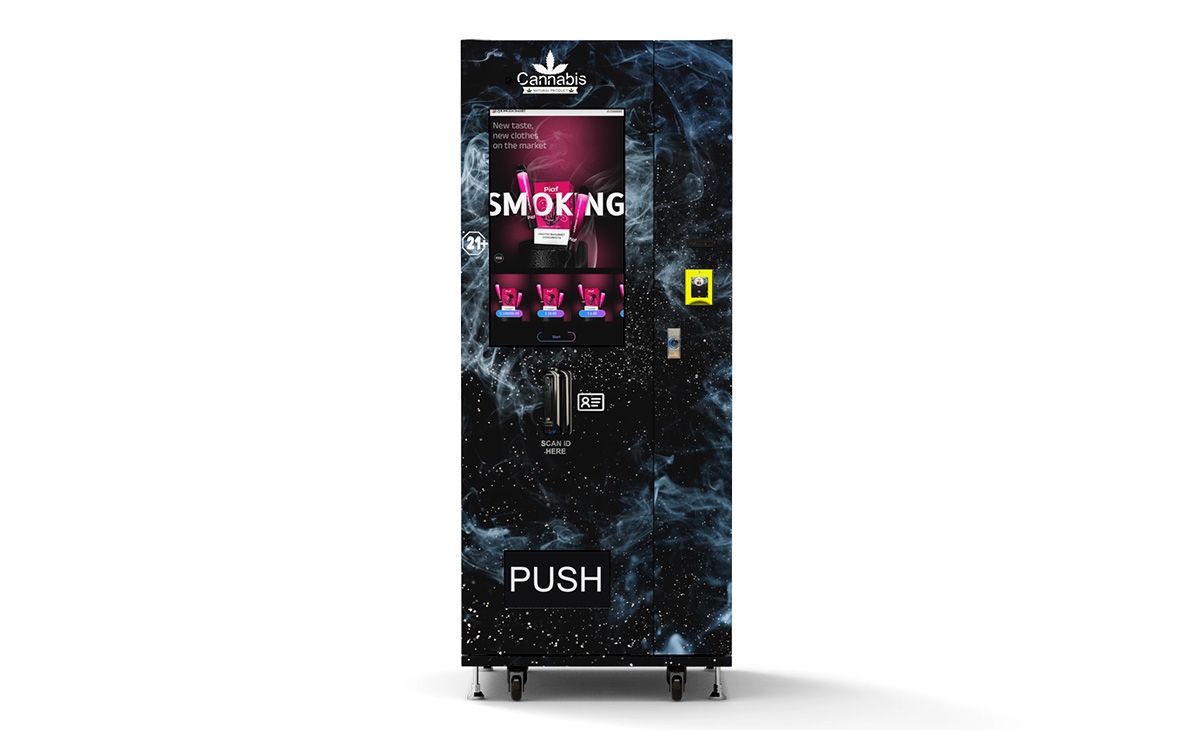
Best Pouch Vending Machine in 2026_ Ultimate Guide, Costs, and Buying Tips
If you are researching the best pouch vending machine in 2026, you are likely looking for a reliable way to sell packaged snacks, drinks, or even non-food items without the overhead of a traditional retail space. Over the past decade of operating vending routes across the U.S. and parts of Europe, I have tested dozens of machines, placed them in everything from warehouse break rooms to college campuses, and learned exactly what works. A pouch vending machine is simply a self-service kiosk designed to dispense flexible packaging like chip bags, granola bars, or sealed pouches. The key question is not whether these machines work—they do—but whether you can pick the right model, find the right location, and manage the costs effectively. This guide covers the real costs, buying tips, and operational insights I have gathered from years in the automated retail business.
What Is a Pouch Vending Machine and Where Does It Fit?
A pouch vending machine is a type of automated retail unit that stores and dispenses products in flexible packaging. Unlike traditional can or bottle machines, these units use rotating spirals or conveyor belts to handle bags, pouches, and soft packages. I have seen them used for chips, candy, dried fruit, pet treats, and even small hardware items like screws or washers.
The best pouch vending machine in 2026 will likely include features like cashless payment, remote monitoring, and adjustable shelving. But the machine itself is only half the equation. Where you place it matters just as much. In my experience, the most profitable locations are places with consistent foot traffic and limited food options: manufacturing plants, hospitals, gyms, and large office buildings.
Common Use Cases for Pouch Vending Machines
- Snack vending in break rooms and cafeterias
- Healthy snack bars in fitness centers
- Pet treat dispensers in veterinary clinics
- Emergency food and drink in hotel lobbies
- Small hardware or disposable items in auto repair shops
Each use case demands a slightly different machine configuration. For example, a gym might need a machine with a cooling system for protein bars, while a warehouse might only need ambient temperature storage. Do not assume one machine fits all scenarios.
Is a Pouch Vending Machine Business Profitable?
This is the first question I hear from new operators. The short answer is yes, but the profit depends on margins, volume, and location. Based on my own route data, a well-placed pouch machine can generate between $300 and $1,200 per month in revenue. Gross margins on snack items typically run between 30% and 50%, depending on whether you buy wholesale or use a direct distributor.
According to a 2024 report by IBISWorld, the vending machine industry in the U.S. generates approximately $7.5 billion annually, with snack machines representing a significant share. That number includes all vending types, but pouch machines are a growing segment because they handle the packaging that consumers prefer for on-the-go eating.
However, profitability is not automatic. I have seen operators lose money because they overpaid for a machine, chose a low-traffic location, or failed to rotate inventory. The best pouch vending machine in 2026 will only make money if you treat the business like a retail operation, not a passive income scheme.
Revenue and Cost Breakdown Based on My Experience
| Metric | Typical Range | Notes |
|---|---|---|
| Initial machine cost | $2,500 – $8,000 | New, with modern payment systems |
| Monthly location rent | $50 – $300 | Or revenue share agreement |
| Monthly revenue per machine | $300 – $1,200 | Depends on foot traffic and product mix |
| Gross margin | 30% – 50% | After product cost |
| Monthly maintenance cost | $20 – $80 | Cleaning, minor repairs, software updates |
| Payback period | 12 – 24 months | For a new machine in a good location |
These numbers are estimates based on my routes. Your results will vary. A machine in a busy airport concourse will perform differently than one in a small office break room. Always test a location for two months before committing to a long-term lease.
How to Choose the Best Pouch Vending Machine in 2026
Choosing a machine is not just about the price tag. I have bought cheap machines that broke down within six months, and I have invested in mid-range units that ran for years with minimal issues. Here are the factors I consider before buying any pouch vending machine.
Build Quality and Reliability
The frame, door, and dispensing mechanism must withstand daily use. Look for machines with steel frames and commercial-grade locks. I have seen operators lose money because a flimsy machine was vandalized or the door seal failed, causing product damage. The best pouch vending machine in 2026 will use durable materials and have a proven track record in the field.
Payment System Compatibility
Cashless payment is no longer optional. In the U.S., over 80% of vending transactions are now cashless, according to a 2023 study by the National Automatic Merchandising Association. Your machine must accept credit cards, mobile wallets, and contactless payments. Some machines also support cash, but I have found that cash-only machines generate 30% less revenue in urban locations.
Remote Monitoring and Telemetry
Modern machines can send you sales data, inventory levels, and error alerts via cellular or Wi-Fi. This feature saves time and reduces spoilage. I use telemetry to know exactly when a machine needs restocking, which cuts my route costs by about 20%. If a manufacturer does not offer remote monitoring, I would look elsewhere.
Energy Efficiency
If your machine has a cooling system, check the energy rating. In Europe, energy costs are higher, and an inefficient machine can eat into your margin. Look for Energy Star certified units or those with LED lighting and low-power compressors.
Supplier Reputation and Support
I have worked with several manufacturers over the years. One supplier that consistently delivers reliable pouch machines is Zhongda Smart. They offer customizable configurations, solid build quality, and responsive after-sales support. When evaluating suppliers, ask about spare parts availability and warranty terms. A machine is only as good as the support behind it.
Costs You Should Expect When Starting a Pouch Vending Business
New operators often underestimate the total cost. The machine is the biggest expense, but it is not the only one. Here is a realistic breakdown based on what I have spent and seen others spend.
Machine Purchase Price
New pouch vending machines range from $2,500 for a basic model to $8,000 for a unit with a cooling system, touchscreen, and advanced telemetry. Used machines can be found for $1,000 to $3,000, but they often lack modern payment systems and may require repairs. I generally recommend buying new for your first machine because the warranty and support reduce risk.
Location Acquisition Costs
Some locations charge rent, others take a percentage of sales. In my experience, a flat monthly rent of $100 to $200 is common for medium-traffic locations. High-traffic spots like airports or universities may demand 20% to 30% of your gross revenue. Negotiate carefully. I have walked away from deals where the rent would have made the location unprofitable.
Product and Inventory Costs
Initial inventory for a full machine costs between $400 and $800, depending on product mix. You need to rotate stock to avoid expiration. I recommend starting with 15 to 20 different SKUs and adjusting based on sales data. Over time, you will learn which items sell fast and which sit on the shelf.
Maintenance and Repairs
Even the best pouch vending machine in 2026 will need occasional repairs. Budget $20 to $80 per month per machine for routine maintenance. Common issues include jammed spirals, faulty card readers, and cooling system failures. I keep a small inventory of spare parts like motors and sensors to minimize downtime.
Insurance and Permits
In the U.S., you may need a business license, a vending permit, and liability insurance. Costs vary by state and city. In Europe, regulations differ by country. For example, in France, you need to register with the Chamber of Commerce and comply with food safety standards. Check local requirements before you buy a machine.
Where to Place a Pouch Vending Machine for Maximum Profit
Location is the single biggest factor in vending success. I have placed machines in over 100 locations, and the difference between a good and bad spot can be three times the revenue. Here is what I look for.
High Foot Traffic with Captive Audience
The best locations have people who cannot easily leave to buy food. Examples include factory floors, hospital waiting areas, and college dormitories. A 2022 study by Statista found that vending machines in workplaces generate an average of $75 per week, while those in public transit hubs generate over $150 per week. The key is finding a location where people are hungry and have limited alternatives.
Accessibility and Security
The machine must be accessible during peak hours. If the building locks at 5 PM, your machine will only sell during business hours. Also, consider security. I have had machines vandalized in poorly lit areas. Choose locations with cameras or on-site security if possible.
Low Competition
If the building already has three vending machines, adding a fourth is unlikely to be profitable. Look for locations with no existing vending or where the current machines are outdated or poorly stocked. I have replaced competitors by offering better product variety and modern payment options.
Rent vs. Revenue Share
I prefer a revenue share model for new locations because it aligns incentives. The location owner earns more when I sell more, so they are motivated to keep the area clean and promote the machine. For established high-traffic spots, a flat rent is usually better because you keep all the upside.
Common Mistakes New Operators Make
I have made many of these mistakes myself, and I have seen others repeat them. Avoid these pitfalls to save time and money.
Buying the Cheapest Machine
A low-cost machine often lacks telemetry, has a weak payment system, and breaks down frequently. The repair costs will quickly exceed the savings. I recommend investing in a mid-range machine from a reputable supplier like Zhongda Smart. The best pouch vending machine in 2026 is not the cheapest one; it is the one that runs reliably for years.
Ignoring Product Mix
Filling a machine with products you like, rather than products that sell, is a common error. Use sales data to adjust your inventory. I once stocked a machine with organic snacks, but the location was a construction site. The workers wanted chips and candy bars. After switching to mainstream brands, revenue doubled.
Neglecting Maintenance
A dirty or malfunctioning machine drives customers away. Clean the machine weekly, check the card reader, and rotate stock. I have seen machines lose 50% of their sales because a broken credit card reader was not fixed for two weeks.
Overlooking Permits and Taxes
Operating without the proper permits can lead to fines or forced removal. In some U.S. cities, you need a separate permit for each machine. In Europe, food safety regulations may require regular inspections. Do your homework before placing a machine.
How to Evaluate a Pouch Vending Machine Investment
Before buying any machine, run the numbers. Calculate the expected monthly revenue based on foot traffic and average transaction size. Then subtract rent, product cost, maintenance, and any financing costs. If the payback period is longer than 24 months, I would reconsider the location or the machine.
For example, a machine costing $5,000 with monthly revenue of $600 and a 40% gross margin will generate $240 in gross profit per month. After rent and maintenance, net profit might be $150 per month. That gives a payback period of about 33 months. That is borderline. I would look for a location with higher traffic or a lower machine cost.
Using Data to Make Decisions
Telemetry data is invaluable. I use it to identify slow-moving products, peak sales hours, and when to restock. If a machine consistently underperforms after three months, I either change the product mix or move the machine to a new location. Do not be afraid to relocate a machine. I have moved machines that went from losing money to earning $800 per month after a simple location change.
FAQ About Pouch Vending Machines
Are pouch vending machines profitable?
Yes, if placed correctly. Based on my experience, a well-located machine can generate $300 to $1,200 per month in revenue. Profitability depends on product margins, rent, and maintenance costs. Many operators see a return on investment within 12 to 24 months.
How much does a pouch vending machine cost?
New machines range from $2,500 to $8,000. Used machines can cost $1,000 to $3,000, but may require upgrades. The best pouch vending machine in 2026 will likely cost between $4,000 and $6,000 for a reliable model with modern features.
How long does it take to recoup the investment?
Most operators recoup their investment within 12 to 24 months. High-traffic locations can pay back faster. Low-traffic locations may take three years or more. I recommend testing a location for two months before committing to a long-term lease.
Should I buy a new or used machine?
For your first machine, buy new. The warranty and support reduce risk. Used machines can be a good deal if you have experience repairing them, but they often lack cashless payment and telemetry. I have seen many new operators struggle with used machines.
Where should I place a pouch vending machine?
Look for locations with high foot traffic and limited food options. Manufacturing plants, hospitals, gyms, and large offices are good candidates. Avoid locations with existing vending machines unless you can offer better products or service.
What permits do I need?
Requirements vary by location. In the U.S., you may need a business license, vending permit, and liability insurance. In Europe, check local food safety regulations. Always verify requirements before purchasing a machine.
How do I choose a supplier?
Look for suppliers with a proven track record, good warranty terms, and responsive support. Zhongda Smart is one supplier I have worked with that offers reliable machines and after-sales service. Ask for references and check online reviews before buying.
What happens if the machine breaks down?
Most issues are minor and can be fixed with basic tools. Keep spare parts like motors and sensors on hand. For major repairs, contact the manufacturer or a local technician. Remote monitoring can alert you to problems before they cause downtime.
How can I reduce maintenance costs?
Regular cleaning and preventive maintenance reduce breakdowns. Use telemetry to monitor machine health. Buy machines with durable components. I have found that investing in a higher-quality machine upfront saves money on repairs over time.
Final Thoughts from a Decade in the Vending Business
Running a pouch vending machine business is not a get-rich-quick scheme. It requires planning, consistent effort, and a willingness to learn from mistakes. But for operators who treat it like a real business, it can provide steady cash flow and room to grow. The best pouch vending machine in 2026 will combine reliability, modern payment options, and remote monitoring. Choose your machine carefully, test your locations, and always track your data. If you do that, you will be ahead of most new operators.
This article was updated in January 2026. All revenue and cost figures are based on the author's personal experience unless otherwise cited. Individual results may vary. Always consult local regulations and conduct your own market research before investing.
Sources
- IBISWorld - Vending Machine Industry in the U.S. (2024). Available at: https://www.ibisworld.com
- Statista - Average weekly revenue of vending machines by location (2022). Available at: https://www.statista.com
- National Automatic Merchandising Association - Cashless payment trends in vending (2023). Available at: https://www.namanow.org