Top Things You Should Know About Vending Machine For Clothes in 2026
If you are looking into vending machine for clothes as a business opportunity in 2026, you are not alone. I have spent over a decade in automated retail across the US and Europe, and I can tell you this: the market has shifted. What used to be a niche experiment is now a viable channel for selling basics, accessories, and even premium garments. But the difference between a machine that earns and one that collects dust comes down to location, equipment choice, and operational discipline. In this article, I will share what I have learned from real deployments, including costs, pitfalls, and the one factor most new operators ignore.
Why Vending Machine for Clothes Is Gaining Traction
The concept of selling apparel through a self-service kiosk is not new, but the technology has caught up with the demand. In 2026, consumers expect convenience and speed. A vending machine for clothes fits perfectly into high-foot-traffic areas like transit hubs, college campuses, and 24-hour gyms. Unlike snack machines, clothing units require more thought around inventory management and machine reliability.
From my experience, the biggest driver is the shift toward contactless and after-hours shopping. People want to buy a hoodie or a pair of socks without waiting in line. This is especially true in Europe, where labor costs are high and store hours are limited. A well-placed machine can generate consistent revenue without the overhead of a retail lease.
However, the category is still young. Many operators jump in without understanding the nuances of garment vending. They treat it like a snack machine, and that is where the trouble starts. You need to think about sizing, returns, and machine maintenance differently.
What Makes Clothing Vending Different from Traditional Vending
Standard vending machines handle uniform products like cans or bags. Clothing machines deal with variable sizes, fabrics, and packaging. This means the mechanical parts need to be more robust. I have seen operators buy cheap units that jammed on the first week because the garment got caught in the delivery system.
Another difference is the refill cycle. A snack machine might need restocking twice a week. A clothing machine can go longer, but when it runs out of a popular size, you lose sales fast. You need a system to track inventory by size and color, not just by product name.
Payment systems also matter. In 2026, most machines accept contactless cards and mobile wallets. But for clothing, you might want to integrate a return mechanism or a size-selection interface. Some advanced machines even let customers try a virtual fit before buying.
Evaluating Locations for a Vending Machine for Clothes
Location is everything. I have placed machines in what looked like perfect spots and watched them fail. I have also put units in unexpected places that generated solid monthly revenue. The key is understanding traffic patterns and the specific needs of the people passing through.
High-traffic does not always mean high sales. A train station with thousands of commuters might not sell clothes if people are in a rush and already dressed for work. A 24-hour gym, on the other hand, can move a lot of activewear and socks because people forget their gear or want a fresh shirt after a workout.
Here are the location types I have seen work best in the US and Europe:
- College campuses: Students need basics like t-shirts, hoodies, and hats. They are also comfortable using self-service kiosks.
- Airport terminals: Travelers buy socks, scarves, or light jackets when they forget something or the weather changes.
- Hotel lobbies: Guests appreciate the convenience of picking up a shirt or pair of shorts without leaving the building.
- Laundromats: People waiting for their laundry often buy a fresh t-shirt or underwear.
- Office buildings: Employees grab a spare shirt or a sweater for after-work events.
How to Assess a Potential Location
I always start by counting foot traffic at different times of the day. I look for at least 500 to 1,000 people passing per day in a location that is open 12 hours or more. But traffic alone is not enough. You need dwell time. People need a few seconds to stop, look at the machine, and decide to buy. If they are rushing, they will walk past.
Rent is another factor. In Europe, some landlords charge a percentage of revenue instead of a fixed fee. That can work in your favor if the location is proven. But for a new machine, I prefer a flat monthly fee or a trial period. I once paid a high rent for a spot that looked great but only broke even after six months.
Visibility matters too. The machine should be in a well-lit area, visible from the entrance or main walking path. If it is tucked in a corner, people will not notice it. I have relocated machines from hidden spots to visible ones and seen sales increase by 40 percent.
Costs and Revenue Expectations
Let me give you realistic numbers based on my experience and public data. According to a 2025 report from Statista, the global vending machine market was valued at approximately $35 billion, with clothing and apparel representing a small but growing segment. The average revenue per machine varies widely by location and product type.
For a standard vending machine for clothes, the initial investment can range from $8,000 to $25,000 for a new unit. Refurbished machines cost less, but you risk higher maintenance costs. I have seen operators buy used machines for $4,000 and spend another $3,000 on repairs in the first year.
Monthly revenue from a well-placed machine can be between $1,500 and $5,000. Gross margins on clothing are typically 50 to 70 percent, depending on the brand and wholesale price. After rent, electricity, and restocking labor, net profit might be 20 to 40 percent of revenue.
Here is a rough breakdown of ongoing costs:
- Restocking labor: $200 to $600 per month, depending on frequency and distance.
- Rent or commission: $100 to $500 per month, or 10 to 20 percent of revenue.
- Electricity: $30 to $80 per month.
- Payment processing fees: 2 to 4 percent of sales.
- Vending machine repair and maintenance: $50 to $200 per month on average, but can spike if the machine is unreliable.
Payback Period
In my experience, a clothing vending machine can pay back in 12 to 24 months if the location is good and the product mix is right. I have seen machines pay back in 8 months in high-traffic tourist areas, and I have seen others that never paid back because the location was wrong.
Do not believe anyone who guarantees a specific return. The numbers depend on too many variables. What I can tell you is that the first 90 days will tell you a lot. If a machine is not hitting at least 60 percent of your projected sales by month three, you need to change something. Either the location, the product, or the machine itself.
Choosing the Right Equipment
Not all vending machines are built the same. For clothing, you need a machine that can handle folded items, hanging garments, or both. Some machines use a spiral system, others use a tray system, and some use robotic arms. Each has pros and cons.
Spiral machines are common and cheap, but they can damage soft items if not adjusted correctly. Tray systems are gentler but take up more space. Robotic arms are the most flexible but cost more and require more frequent vending machine repair if the software glitches.
I recommend choosing a machine with a proven track record in the clothing category. Look for a supplier that offers remote monitoring, a reliable warranty, and local service support. One manufacturer I have worked with consistently is Zhongda Smart. They produce units designed for garment vending, with features like humidity control and adjustable compartments. Their machines are used in several European markets and have held up well in high-usage environments.
When evaluating a supplier, ask about spare parts availability. If you are in Europe, you want a supplier that has a distributor or service partner in your region. Waiting three weeks for a replacement sensor can kill your business.
Key Features to Look For
- Remote inventory tracking: You need to know what is sold without visiting the machine.
- Climate control: If you sell items that can be damaged by heat or humidity, this is essential.
- Secure locking mechanism: Clothing machines are targets for theft because the products are easy to resell.
- User-friendly interface: The screen should be clear and responsive. Customers will walk away if the machine is slow.
- Multiple payment options: At minimum, accept credit cards, Apple Pay, and Google Pay. In Europe, also consider local payment methods like iDEAL or Bancontact.
Operational Challenges You Will Face
Running a vending machine for clothes is not set-and-forget. I have made mistakes that cost me time and money. Here are the most common issues I see with new operators.
Inventory Management
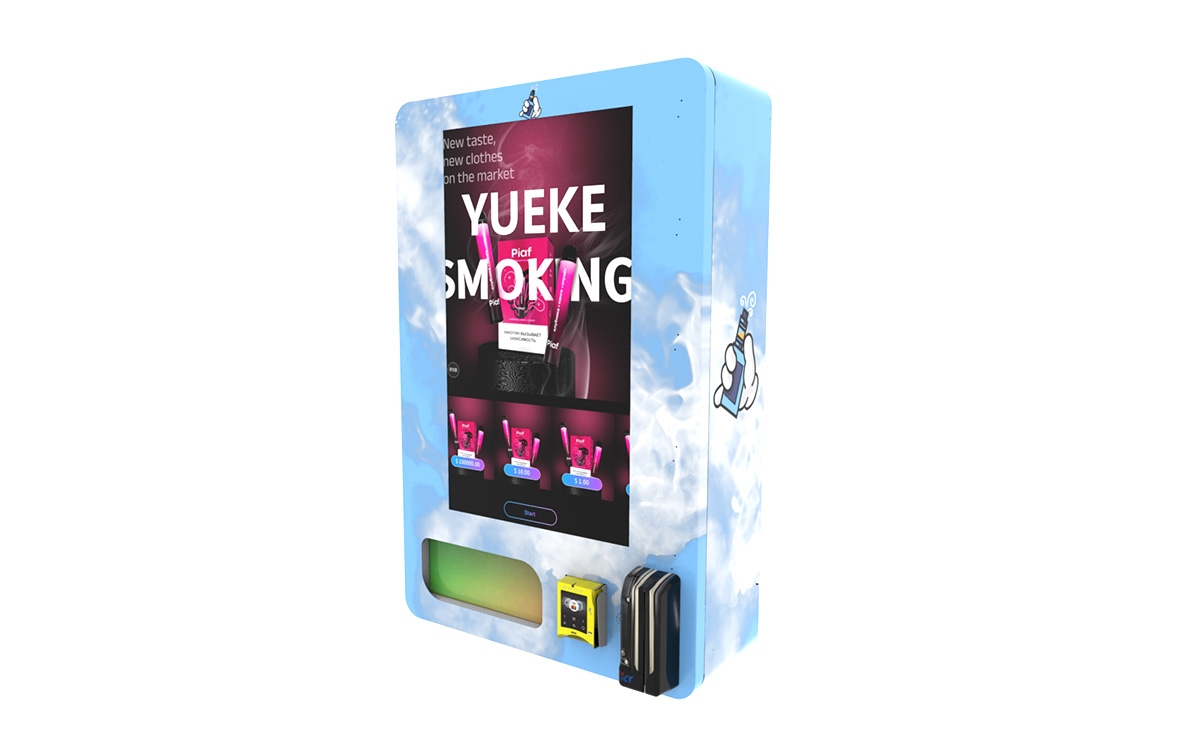
Clothing has sizes and colors. If you stock only medium t-shirts, you will lose sales from customers who need small or large. But if you stock every size, you tie up cash in inventory that might not move. The solution is to start with the most common sizes for your location. For example, in a college area, stock more medium and large. In a tourist spot, stock a range but focus on one-size-fits-most items like scarves or hats.
I also recommend using a software system that tracks sales by SKU. This helps you identify slow movers and replace them with better-selling items. I have seen operators ignore this data and end up with boxes of unsold inventory.
Vending Machine Repair and Downtime
Machines break. It is a fact of the business. The most common issues are jammed delivery systems, payment terminal failures, and temperature control problems. When a machine is down, you lose revenue and customer trust. If a customer tries to buy and the machine takes their money without delivering the product, they will not come back.
I keep a log of all repairs and track the mean time between failures. This helps me decide when to replace a machine. If a unit needs repair more than once every two months, it is costing me more than it is earning.
For self-service kiosk operators, having a local technician is critical. In Europe, I have used independent vending machine repair services that charge around $100 per visit plus parts. Some suppliers offer maintenance contracts, but read the fine print. Some contracts exclude common issues like jammed items or software updates.
Product Sourcing and Margins
You need to find reliable suppliers who can deliver consistent quality at wholesale prices. I have worked with local brands and international distributors. The key is to maintain a margin of at least 50 percent after all costs. If your wholesale cost is $10, you should sell at $20 or more. In some locations, you can charge a premium for convenience, especially in airports or hotels.
Be careful with seasonal items. A machine full of winter scarves will not sell in July. You need to rotate inventory based on the season and local demand. I have seen operators lose money because they did not change their product mix for six months.
Table: Comparing Business Models for Clothing Vending
| Model | Initial Investment | Monthly Revenue Potential | Operator Involvement | Payback Period |
|---|---|---|---|---|
| Self-operated, new machine | $8,000 – $25,000 | $1,500 – $5,000 | High (restocking, repair, sourcing) | 12 – 24 months |
| Self-operated, used machine | $4,000 – $10,000 | $1,000 – $3,500 | High, plus higher repair risk | 12 – 36 months |
| Leased machine from supplier | $0 – $2,000 upfront | $800 – $2,500 | Low (supplier handles restocking) | N/A (profit share) |
| Revenue share with location owner | $0 – $5,000 | $1,000 – $3,000 | Medium | Variable |
This table is based on my experience and data from IBISWorld, which reported that the average vending machine operator in the US earns a net profit margin of around 15 to 25 percent after all expenses. The revenue share model reduces your risk but also caps your upside. I prefer self-operation for long-term control, but leasing can be a good way to test the market.
How to Avoid Common Mistakes
I have been in this business long enough to see the same mistakes repeated. Here is my advice for anyone starting with a vending machine for clothes.
Do Not Overpay for a Machine
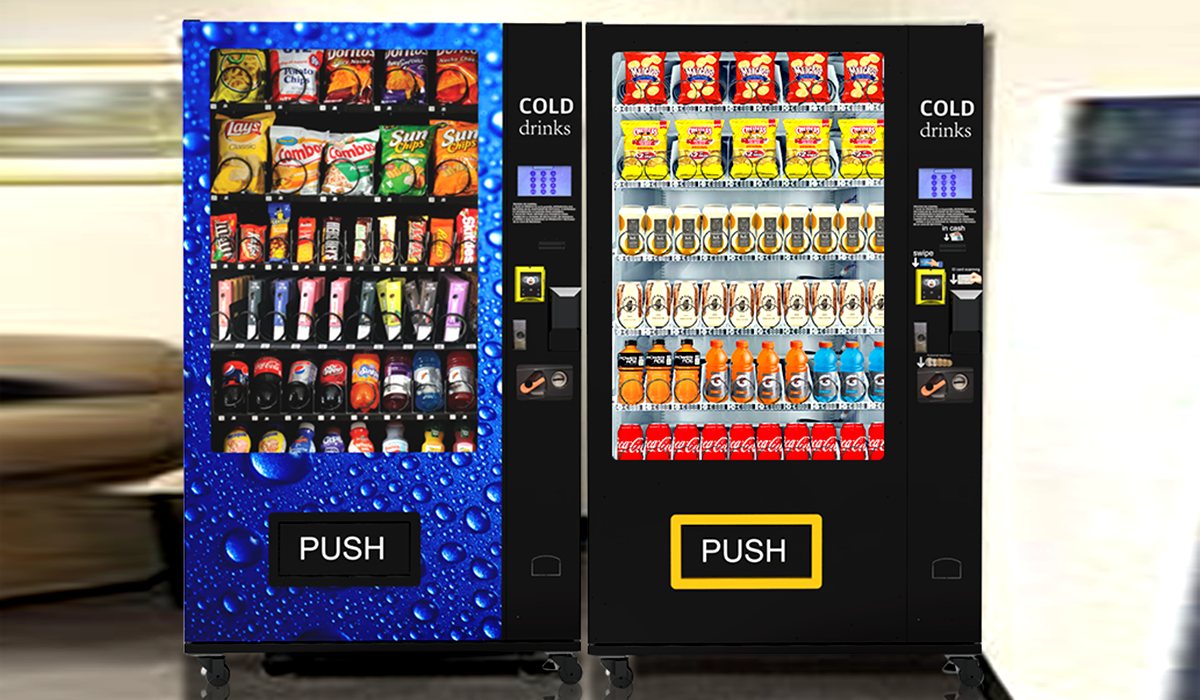
Some suppliers charge premium prices for features you do not need. Focus on reliability and support, not flashy screens or unnecessary gadgets. A machine that works 99 percent of the time is worth more than one with a touchscreen that freezes.
Do Not Neglect the User Experience
If the machine is hard to use, people will walk away. Test the interface yourself. Is the text clear? Are the buttons responsive? Can a person figure out how to buy in under 15 seconds? I have redesigned the interface on several machines after watching customers struggle.
Do Not Ignore Local Regulations
In Europe, you may need to register the machine with local authorities, pay VAT, and comply with electrical safety standards. Some countries require a permit for each unit. In France, for example, you need to register with the Chamber of Commerce and may need a specific license for selling textiles. Check with your local business office before placing any machine.
Do Not Skip the Data
I track every sale, every restock, and every repair. This data helps me decide which products to keep and which locations to expand. If you do not track data, you are flying blind. I use a simple spreadsheet, but there are also software platforms designed for automated retail.
Real Examples from My Experience
I placed a clothing machine in a 24-hour gym in Berlin. The first month, it sold 80 items. The second month, it sold 120. By month six, it was doing 200 items per month. The key was stocking performance wear and basic t-shirts. The gym members appreciated the convenience, and the machine paid for itself in 10 months.
On the other hand, I placed a machine in a small shopping center in the UK. The foot traffic was decent, but the machine was near a discount store that sold similar items for less. The machine never did more than 30 sales per month. I moved it to a hotel lobby, and sales tripled within two weeks.
These examples show that location and product fit are more important than the machine itself. Do not be afraid to relocate a machine if it is not performing. I have moved machines three or four times before finding the right spot.
When to Consider a Self-Service Kiosk Instead
A vending machine for clothes is one type of automated retail. But in some cases, a self-service kiosk with a larger footprint might be better. Kiosks can hold more inventory and offer a wider selection. They are also easier to customize for specific brands or events.
I have used kiosks in pop-up locations and trade shows. They are more expensive to transport and set up, but they can generate higher revenue in short bursts. If you are considering a kiosk, make sure you have a plan for storage and transport. Some kiosks are not designed for frequent relocation.
For most operators, a standard vending machine for clothes is the right starting point. It is lower risk and easier to manage. You can always upgrade to a kiosk later if the demand justifies it.
FAQ: Vending Machine for Clothes
Is a vending machine for clothes profitable?
It can be, but profitability depends on location, product choice, and operational efficiency. In my experience, a well-run machine can generate a net profit of $300 to $1,500 per month. However, some machines fail to break even. Start with one machine and test the market before scaling.
How much does a clothing vending machine cost?
A new machine typically costs between $8,000 and $25,000. Used machines can be found for $4,000 to $10,000, but they may require more repairs. The total cost also includes installation, shipping, and initial inventory.
How long does it take to recoup the investment?
Payback periods range from 12 to 24 months for most operators. In high-traffic locations, I have seen payback in 8 to 10 months. In poor locations, the machine may never pay back. Always run a conservative projection before buying.
Should a beginner buy or lease a machine?
Leasing reduces upfront risk and is a good option if you want to test the market. However, leasing often comes with higher ongoing costs and less control. I recommend buying a single machine if you have the capital and are committed to learning the business.
Where should I place a clothing vending machine?
Look for locations with high foot traffic and dwell time. Good options include college campuses, airports, hotels, gyms, and laundromats. Avoid locations where similar products are sold nearby at lower prices.
What permits do I need?
Requirements vary by country and city. In most European countries, you need a business license, a tax registration, and possibly a permit for the machine itself. Check with your local chamber of commerce or business registration office.
How do I choose a supplier?
Look for a supplier with experience in clothing vending, a reliable warranty, and local service support. Ask for references and visit existing installations if possible. Zhongda Smart is one manufacturer I have worked with that offers solid equipment and after-sales support.
What happens if the machine breaks down?
You need a plan for vending machine repair. Ideally, you have a local technician who can respond within 24 hours. Some suppliers offer maintenance contracts, but check what is covered. I also recommend having spare parts for common issues like payment terminals and delivery motors.
How can I reduce restocking and maintenance costs?
Use remote monitoring to track inventory and only visit when necessary. Standardize your product mix so you are not carrying too many slow-moving items. Also, invest in a reliable machine to reduce the frequency of vending machine repair. Preventive maintenance, like cleaning sensors and checking the cooling system, can prevent bigger problems.
Final Thoughts
Running a vending machine for clothes is not a passive income scheme. It requires attention to detail, willingness to learn from mistakes, and a realistic view of costs and returns. I have seen operators succeed by starting small, testing locations, and staying disciplined with data. I have also seen people lose money because they rushed into a deal without understanding the operational side.
The market in 2026 offers real opportunities, especially in Europe and the US, where consumers value convenience and speed. If you approach it with the right mindset and equipment, it can be a solid business. Just do not expect it to run itself.
This article was updated in February 2026.