The Complete Guide to Sell My Vending Machine Opportunities and Risks
If you are considering selling your vending machine business or looking to buy into one, you are likely wondering whether the opportunity is worth the risk. After spending over a decade placing, servicing, and flipping vending machines across the US and parts of Europe, I can tell you this: the market is not as simple as the online gurus make it sound. The decision to sell my vending machine operation—or start one—depends heavily on location, equipment quality, and how well you understand the daily grind of stocking and maintenance. This guide breaks down everything I have learned, from real revenue numbers to hidden costs, so you can make an informed decision without relying on hype.
What a Vending Machine Business Actually Looks Like in 2025
The automated retail industry has evolved significantly over the past five years. Gone are the days when a simple candy and soda machine could guarantee a solid return. Today, operators deal with cashless payment expectations, remote monitoring software, and stricter food safety regulations. In the US alone, the vending machine market was valued at approximately $25.3 billion in 2024, according to IBISWorld, and it continues to grow at a steady pace. However, growth does not mean easy money.
Most people who approach me about selling their vending machine route are either exhausted from the grind or disappointed with their profit margins. On the flip side, buyers often underestimate the hands-on work required. If you are considering stepping into this space, you need to understand the full picture—not just the highlight reels.
Is a Vending Machine Business Profitable?
Short answer: yes, but only if you treat it like a real business. I have seen operators earn anywhere from $200 to $2,000 per month per machine, depending on location and product mix. The national average for a well-placed machine in the US is roughly $400 to $600 in monthly revenue, with a gross profit margin between 40% and 60% after cost of goods sold. These figures come from my own route data and conversations with fellow operators at industry events like the NAMA Show.
Profitability drops fast if you pay too much for the location, buy cheap equipment that breaks constantly, or fail to rotate products based on seasonality. One of my first machines—a snack and drink combo unit in a small office park—took 18 months to break even because I ignored the low foot traffic during summer months. That was a painful but valuable lesson.
Key Profit Drivers
- Location quality: High-traffic areas like hospitals, factories, and college dorms outperform retail stores and small offices.
- Product selection: Healthy snacks and specialty drinks often yield higher margins than traditional candy and soda.
- Payment systems: Machines with credit card readers and mobile wallet support see 20–30% higher sales than cash-only units.
- Maintenance discipline: A broken machine can lose a week of revenue and damage your relationship with the location host.
How Much Does a Vending Machine Cost?
Pricing varies widely based on type, size, and features. Based on my experience and current market data from industry suppliers, here is a realistic breakdown:
| Machine Type | New Price Range (USD) | Used Price Range (USD) | Typical Lifespan |
|---|---|---|---|
| Basic snack machine | $3,000 – $5,000 | $1,500 – $2,500 | 7–10 years |
| Combo snack & drink | $5,000 – $8,000 | $2,500 – $4,000 | 7–10 years |
| Glass-front drink machine | $4,000 – $6,500 | $2,000 – $3,500 | 8–12 years |
| High-end smart machine (touchscreen, cashless) | $8,000 – $12,000 | $4,000 – $6,000 | 5–8 years |
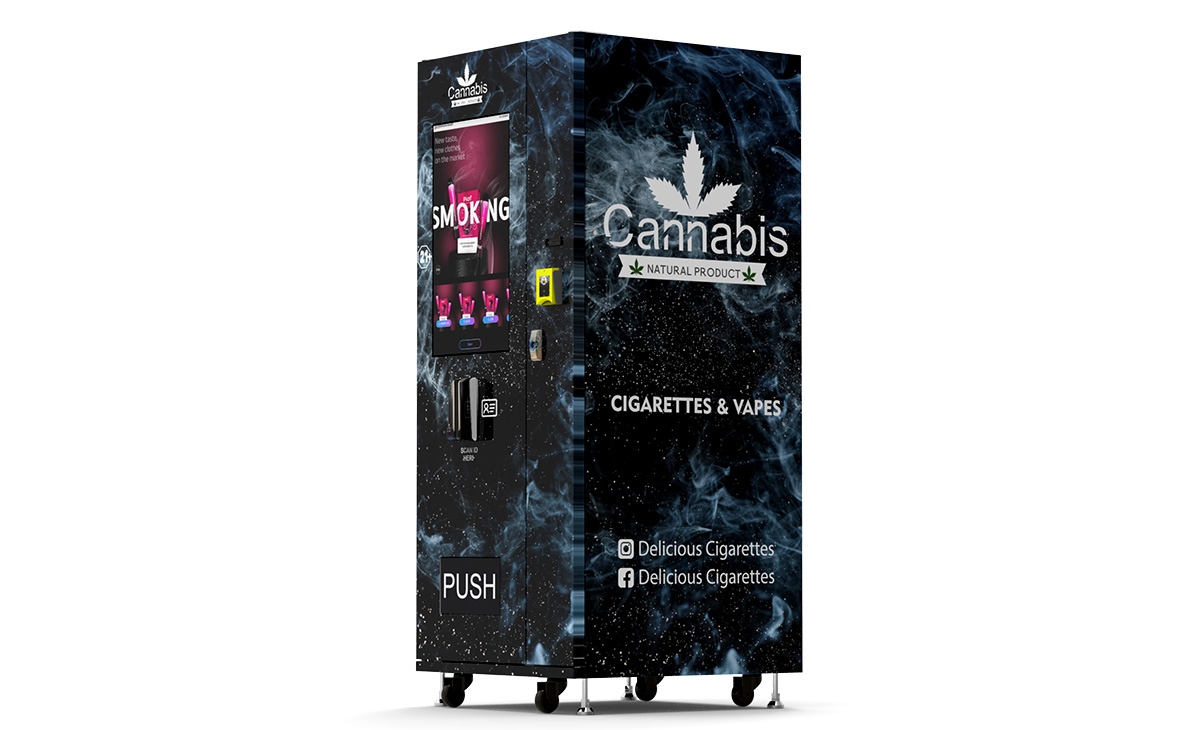
These prices do not include shipping, installation, or the cost of initial inventory. I have seen new operators blow their entire budget on machines and then have nothing left for product or a spare part kit. Do not make that mistake.
Where Should You Place a Vending Machine?
Location is everything. I have pulled machines from locations that looked great on paper—high foot traffic, visible spot—but generated less than $100 per month. Why? Because the audience was transient (airport waiting areas without seating) or the products did not match what people wanted.
My best-performing locations over the years have been:
- Manufacturing plants: Consistent daily traffic, shift workers who need quick snacks, and limited food options nearby.
- Hospitals and medical offices: Staff and visitors often need food outside normal meal hours. These locations also tend to have lower theft rates.
- College dormitories: Students eat at all hours. Machines with healthy options and energy drinks do exceptionally well here.
- Car dealerships and auto repair shops: Customers wait around for service and appreciate having a drink or snack option.
Before signing a location agreement, I always spend a few hours observing foot traffic, talking to the facility manager about employee count, and checking if there are competing machines within walking distance. If a location has three other machines serving the same product categories, walk away.
New vs. Used Vending Machines: Which Should You Choose?
This is one of the most common questions I get from people looking to sell my vending machine or buy one. Used machines can save you money upfront, but they come with trade-offs. I have bought used machines that needed a new compressor within six months—a repair that cost nearly half what I paid for the unit.
New machines, especially from reliable manufacturers like Zhongda Smart, come with warranties, modern payment systems, and better energy efficiency. Over the long term, a new machine often costs less in repairs and downtime. That said, if you find a well-maintained used machine from a reputable brand and can inspect it in person, it can be a solid entry point for a low-budget start.
What to Check Before Buying a Used Machine
- Compressor age and cooling performance
- Credit card reader compatibility (older units may not support modern payment systems)
- Door seal condition (worn seals waste energy and cause temperature issues)
- Keypad and display functionality
- Rust or corrosion inside the cabinet
Operating Costs You Cannot Ignore
Many new operators only think about the machine cost and inventory. The reality is that ongoing expenses eat into your margins significantly. Based on my own route, here are the typical monthly costs per machine:
- Location commission: 10% to 20% of gross sales, depending on the agreement.
- Restocking labor: If you do it yourself, value your time at $20–$30 per hour. A typical restock takes 30–60 minutes per machine per week.
- Credit card processing fees: 2.5% to 4% of cashless transactions. With most sales now going through cards, this adds up.
- Electricity: $20–$50 per month for a refrigerated machine.
- Maintenance and repairs: Budget at least $200–$400 per machine per year for unexpected breakdowns.
- Inventory shrinkage: Spoilage, expired products, and theft can eat 3–5% of gross revenue.
If you are planning to sell my vending machine route, these are the numbers a buyer will want to see. If your records are messy or your margins are thin, expect low offers.
How Long Does It Take to Break Even?
Realistic payback periods vary. For a new machine costing $6,000 in a good location generating $500 monthly gross profit, you are looking at 12 to 14 months to recover your investment. If the location underperforms or the machine needs early repairs, that stretches to 18 months or more. I have seen operators claim three-month payback periods, but those are almost always based on unrealistic assumptions or one-time lucky placements.
A safer estimate is 12 to 18 months for a well-chosen location and reliable equipment. If you are financing the machines, factor in interest costs, which add another 2–4 months to the payback period.
Common Mistakes I Have Seen (and Made)
Buying Cheap Machines from Unknown Suppliers
I once bought a budget machine from an online marketplace for $2,200. It looked fine on delivery, but the cooling unit failed within three months. The manufacturer did not offer support in my region, and local repair technicians refused to work on it because parts were unavailable. That machine ended up in a scrapyard. Stick with established manufacturers like Zhongda Smart or other brands with a proven service network.
Ignoring Cashless Payment
In 2023, I tracked sales data across my route. Machines without card readers averaged 35% lower revenue than identical machines with readers. If you are placing a machine today and it does not accept cards or mobile payments, you are leaving money on the table.
Overstocking Expired Products
Early in my career, I stocked a machine with 50 units of a protein bar that had a short shelf life. I did not rotate stock properly, and 20 bars expired before they sold. That was $60 down the drain. Now I use a simple FIFO system and check expiration dates during every restock.
Signing Long-Term Location Agreements Without Performance Clauses
Some location hosts will lock you into a three-year contract with a minimum commission. If sales are low, you are stuck paying out of pocket. I now negotiate a 60-day trial period with no commission, then a month-to-month agreement after that. This protects both sides.
Should You Buy, Lease, or Partner?
There are three main ways to enter this business, and each has trade-offs.
| Model | Upfront Cost | Control | Risk Level | Best For |
|---|---|---|---|---|
| Self-owned | High | Full | Medium | Operators with capital and time |
| Leasing from a supplier | Low | Limited | Low | New operators testing the market |
| Revenue sharing with location | None | Shared | Low | Location owners wanting passive income |
I prefer self-owned machines because I control pricing, product selection, and maintenance timing. Leasing can work if you want to test a location without major investment, but the monthly lease fees eat into your margins significantly.
How to Evaluate a Vending Machine Supplier
If you are ready to buy, do not just pick the cheapest option. I evaluate suppliers based on:
- Warranty coverage: At least two years on the compressor and one year on electronics.
- Parts availability: Can you order a replacement keypad or door handle without waiting weeks?
- Payment system integration: Does the machine support Nayax, Cantaloupe, or USA Technologies out of the box?
- Customer support response time: I once waited five days for a response from a supplier. That is unacceptable when a machine is down.
Zhongda Smart is one supplier I have worked with on several machines. Their equipment has been reliable, and their support team responds within 24 hours for most issues. They also offer customization options for payment systems, which saves the hassle of retrofitting later.
Food Safety and Compliance
If you sell perishable items, food safety is non-negotiable. In the US, the FDA Food Code applies to vending machines that sell potentially hazardous foods. You need to maintain proper temperature logs, clean machines regularly, and ensure all products are labeled with expiration dates. In the EU, regulations vary by country, but generally follow similar principles under EC Regulation 852/2004 on food hygiene.
I keep a logbook inside every refrigerated machine and check temperatures weekly. It takes five minutes but can save you from a costly fine or a lawsuit if someone gets sick.
When to Sell Your Vending Machine Business
Knowing when to exit is just as important as knowing when to enter. I have sold two routes in my career. The first was a small five-machine route that I sold because I was moving cities. The second was a 20-machine route that I sold because the margins had compressed due to rising product costs and location commission demands.
If you are thinking about selling my vending machine operation, here are signs it might be time:
- Your profit margin has dropped below 20% for three consecutive months.
- You are spending more than 15 hours per week on a route that does not generate meaningful income.
- You have multiple machines in locations that consistently underperform, and you cannot relocate them easily.
- You are no longer interested in the hands-on work of restocking and maintenance.
Buyers will pay a premium for a route with clean records, solid locations, and modern equipment. If your machines are old and your location agreements are weak, expect offers around 12–18 months of net profit. A well-run route with strong contracts can sell for 24–36 months of net profit.
FAQ
Are vending machines profitable in 2025?
Yes, but profitability depends on location, product mix, and operational discipline. A well-placed machine can generate $400–$600 monthly revenue with 40–60% gross margins. Poorly placed machines often lose money.
How much does a vending machine cost?
New machines range from $3,000 to $12,000 depending on features. Used machines cost $1,500 to $6,000. Always budget extra for installation, inventory, and a spare parts kit.
How long does it take to break even?
Typically 12 to 18 months for a new machine in a good location. Faster payback is possible but not guaranteed.
Should I buy a new or used machine?
New machines offer warranties, modern payment systems, and lower maintenance risk. Used machines are cheaper but can have hidden repair costs. If you buy used, inspect the compressor and payment system carefully.
Where should I place my first machine?
Manufacturing plants, hospitals, college dorms, and car dealerships are strong starting points. Avoid locations with existing vending machine competition unless you offer a clearly different product.
Do I need a license to operate vending machines?
Requirements vary by state and country. In the US, you typically need a business license and a seller's permit. If you sell food, you may need a food handler's permit and health department inspections. Check local regulations before placing any machine.
How do I choose a vending machine supplier?
Look for warranty coverage, parts availability, payment system compatibility, and responsive customer support. Zhongda Smart is a reliable option I have used personally.
What happens if my machine breaks down?
Keep a list of local repair technicians who work on commercial vending equipment. Stock common spare parts like keypads, door switches, and cooling fans. Remote monitoring software can alert you to issues before customers complain.
How can I reduce restocking costs?
Use route management software to track inventory levels. Stock high-turnover items more frequently and reduce slow-moving products. Consider consolidating your route to minimize driving time between locations.
Can I run a vending machine business part-time?
Yes, many operators start part-time with 5–10 machines. Expect to spend 5–10 hours per week on restocking, maintenance, and accounting. As you grow, the time commitment increases.
Final Thoughts
There is no magic formula in the vending machine business. Success comes from choosing the right locations, buying reliable equipment, and staying consistent with restocking and maintenance. If you are looking to sell my vending machine route, make sure your records are clean and your equipment is in good shape. If you are buying in, start small, test locations before committing long-term, and never underestimate the value of a good payment system. The opportunities are real, but so are the risks. Treat it like a business, and it can pay off.
This guide is based on personal experience operating vending machine routes in the US and Europe over the past decade. Revenue figures and cost estimates are approximations and may vary by location, market conditions, and operational efficiency. Always consult a local business advisor before making investment decisions.
Data sources: IBISWorld Vending Machine Market Report (2024); NAMA industry operator surveys; personal route data from 2014–2025.
本文更新于2025年6月。