Best How To Get Your Vending Machine In A Store in 2026_ Ultimate Guide, Costs, and Buying Tips
If you are serious about getting a vending machine in a store in 2026, stop thinking of it as buying a box that sells snacks and start thinking of it as leasing a small retail space inside someone else’s business. Over the last decade, I have placed machines in gas stations, office break rooms, gyms, and even a car dealership waiting area. The single biggest mistake I see newcomers make is treating this like a passive income hack. It is not. It is a logistics business with a retail component. This ultimate guide covers exactly how to get your vending machine in a store, the real costs you will face, and the buying tips that separate profitable operators from those who dump their machine on Craigslist six months later.
What a Vending Machine Business Actually Looks Like in 2026
The vending industry has shifted dramatically since 2020. Cash is nearly dead in many Western markets. Telemetry and remote monitoring are no longer optional upgrades—they are standard on any decent machine. The average consumer expects a touchscreen, card reader, and sometimes even a loyalty app integration. If you are shopping for equipment that still runs on coins only, you are buying a relic.
In 2026, a modern vending machine is essentially an unattended retail point-of-sale system. It tracks inventory, reports sales in real time, and alerts you when a product is low or a component fails. This technology reduces labor costs significantly, but it also means your upfront investment is higher than it was five years ago.
Is a Vending Machine Business Profitable?
Yes, but only if you control three variables: location, product margin, and operating cost. I have seen single machines gross over $2,000 per month in a busy hospital cafeteria, and I have seen identical machines struggle to break $150 per month in a quiet office lobby. The difference is never the machine. It is the foot traffic and the product mix.
According to data from the National Automatic Merchandising Association (NAMA), the average gross profit margin for vending machine products in the United States sits around 35% to 40% after cost of goods sold. That aligns with my own experience. If you sell a candy bar for $1.75 and it costs you $0.80, your margin is roughly 54% on that item. But once you factor in restocking labor, machine repair, credit card processing fees, and location commissions, your net profit margin typically lands between 10% and 25%.
A well-placed machine in a medium-traffic location (around 100 to 150 transactions per week) can generate $800 to $1,200 in monthly revenue. After all expenses, you might clear $150 to $300 per machine per month. That is not life-changing money from one unit, but scale changes the math. Operators with 20 or 30 machines can build a solid small business.
How Much Does a Vending Machine Cost in 2026?
This is where most beginners get surprised. Prices have climbed. Here is a realistic breakdown based on current market conditions and my own purchasing experience:
| Machine Type | New Price Range (USD) | Used Price Range (USD) | Typical Lifespan |
|---|---|---|---|
| Basic snack machine (non-touchscreen) | $3,000 – $5,000 | $1,500 – $3,000 | 5–7 years |
| Combo snack and drink machine | $5,500 – $9,000 | $3,000 – $5,500 | 6–8 years |
| Touchscreen smart vending machine | $7,000 – $12,000 | $4,000 – $7,500 | 8–10 years |
| Refrigerated food machine (fresh items) | $8,000 – $15,000 | $4,500 – $8,000 | 7–10 years |
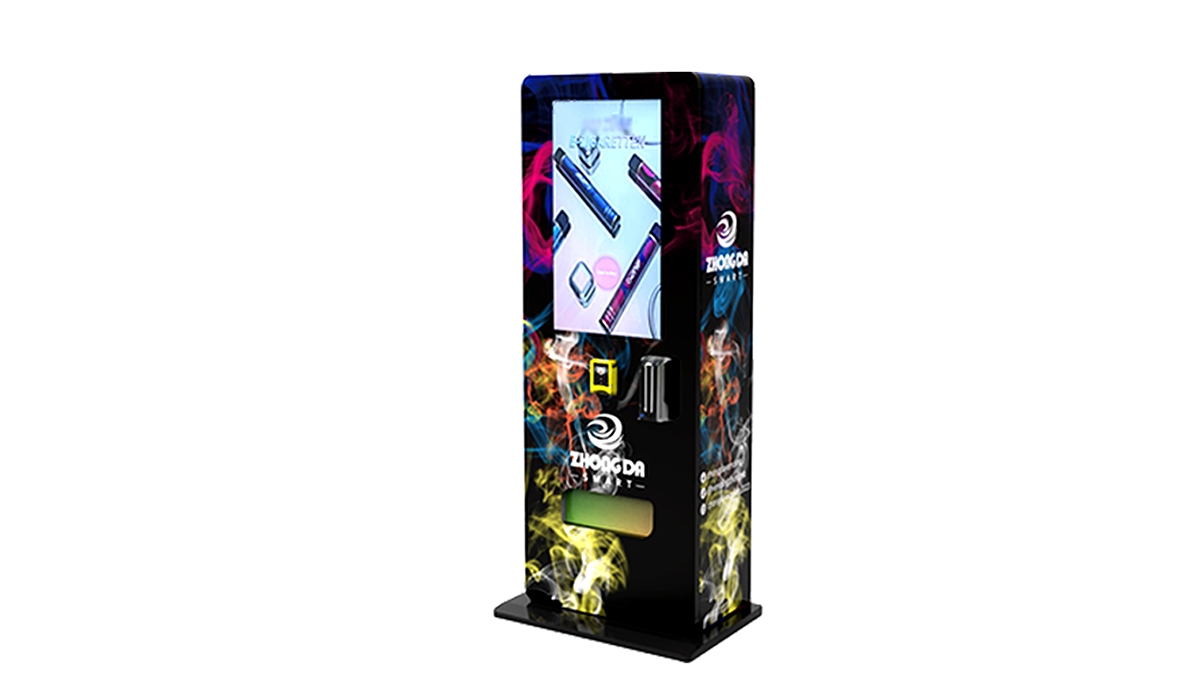
These prices include card readers and basic telemetry. If you buy from a supplier like Zhongda Smart, you can often get a fully configured machine with remote monitoring included in the base price, which saves you from piecing together components from different vendors. I have used their equipment in two locations and found the build quality comparable to major Western brands at a lower cost point.
How to Get Your Vending Machine Into a Store: The Real Process
Step 1: Stop Looking for Machines First
Every beginner I have mentored starts by buying a machine, then trying to find a place to put it. That is backwards. You should secure a location first, or at minimum identify a specific opportunity, then buy the machine that fits that space and traffic pattern. Otherwise, you end up with a machine that is too big for a small break room or too small for a high-traffic retail store.
Step 2: Identify the Right Locations
Not every store wants a vending machine. Many retailers see it as competition for their own impulse purchases. The best locations are businesses that do not sell the products you plan to vend, or where the owner sees your machine as a service to their customers rather than a threat. Good examples include:
- Auto repair shops with waiting areas
- Gyms and fitness studios
- Laundromats
- Small manufacturing facilities
- Medical office buildings
- College dormitories
- Car dealership service departments
I once placed a machine in a tire shop. The owner had no interest in selling drinks, but his customers often waited 45 minutes for a tire change. That machine averaged $1,400 per month for three years. The location owner was happy because his customers stopped walking across the street to buy soda.
Step 3: Pitch the Store Owner Properly
Store owners are busy. Do not walk in with a vague proposal. Have a one-page summary ready that includes:
- What products you will stock
- Who handles restocking and machine repair
- What commission you offer (typically 10% to 20% of gross sales)
- Who pays for electricity (usually the location owner)
- Your liability insurance coverage
Commission structures vary. I have paid as little as 8% in a low-traffic office and as much as 25% in a high-traffic gym. The key is to keep the location owner happy but not give away so much that your margin disappears.
Step 4: Negotiate a Simple Agreement
Get it in writing. Even a one-page letter of agreement is better than a handshake. Include the commission percentage, payment schedule (monthly or quarterly), who handles machine repair costs, and a clause that allows either party to terminate with 30 days notice. I have seen too many operators lose a good spot because the new manager showed up and had no record of the agreement.
Hidden Costs That Eat Your Profit
Beginners focus on the machine price and forget the rest. Here are the costs that hit your bottom line:
Credit Card Processing Fees
Cashless payments are now the norm. Processing fees typically run 2.5% to 3.5% per transaction. On a $2,000 monthly gross, that is $50 to $70 in fees. Some operators pass this cost to the customer with a small surcharge, but check local laws first.
Machine Repair and Maintenance
A new machine will need less service, but no machine is bulletproof. I budget $200 to $400 per machine per year for vending machine repair. Common issues include jammed coin mechanisms, failed refrigeration compressors, and card reader connectivity problems. If you cannot fix basic issues yourself, plan to pay a technician $75 to $150 per service call.
Restocking Labor
Your time is not free. Even if you restock yourself, calculate your hourly rate. A typical restock visit takes 30 to 60 minutes per machine, depending on capacity. If you drive 20 minutes each way, that is two hours per visit. At $25 per hour, each restock costs you $50 in labor. Restocking twice a week adds $400 per month in hidden cost.
Inventory Shrinkage
Products expire. Packages get damaged. Occasionally, a machine malfunctions and ruins a row of chocolate bars. I factor 2% to 3% shrinkage into my cost calculations. It sounds small, but on $1,000 in monthly sales, that is $20 to $30 you never see.
Buying Tips: New vs. Used, Domestic vs. Import
New Machines
Buying new gives you a warranty, modern payment systems, and better energy efficiency. The downside is the upfront cost. If you have the capital and a confirmed location, new is almost always better. The warranty alone saves you from unexpected vending machine repair bills during the first year.
Used Machines
Used machines can be a good entry point if you are handy with tools. I bought a used combo machine for $2,200, spent $400 on a new card reader and $150 on a refrigeration repair, and had a fully functional unit for under $2,800. But I also bought a used machine once that looked clean and died within three months. The compressor replacement cost me $700. You need to inspect used machines carefully, or bring someone who knows what to check.
Import vs. Domestic
European and American manufacturers produce high-quality machines, but they come at a premium. Chinese manufacturers like Zhongda Smart have improved dramatically in the last five years. Their machines now include reliable telemetry, good refrigeration, and modern payment interfaces at a price point that is often 30% to 40% lower than comparable Western models. The trade-off is longer shipping times and potentially slower support for vending machine repair if parts need to come from overseas. I recommend having a local technician who is willing to work on imported equipment before you buy one.
How to Evaluate a Location Before You Commit
Do not rely on gut feeling. Use data. Here is the checklist I use for every potential location:
- Count foot traffic during peak hours. At least 50 people per hour passing the machine area is a minimum for decent sales.
- Check if there is existing competition. If the store already sells drinks at a cooler, your machine will cannibalize their sales, and the owner may not allow it.
- Verify the electrical outlet is within 6 feet of the planned machine location. Running extension cords through a retail space is often against fire codes.
- Ask about cleaning schedules. Machines in dusty environments need more frequent maintenance.
- Look at the customer demographic. A machine in a senior center should stock different products than one in a college dorm.
According to a 2023 report from IBISWorld, the vending machine industry in the US generates approximately $8 billion annually, with the average operator managing 25 machines. That scale is where real profitability emerges. A single machine can work, but it is rarely a full-time income.
Common Mistakes That Kill a Vending Machine Business
Buying the Cheapest Machine Possible
I have seen operators buy $1,500 machines from online marketplaces that had no card reader, no telemetry, and a cooling system that failed in six months. They saved $1,000 upfront and spent $2,000 on vending machine repair and lost sales within the first year. Cheap machines are rarely cheap in the long run.
Ignoring Product Rotation
If you stock the same items for months without checking sales data, you will have stale inventory and unhappy customers. Use your telemetry data to identify the top 20% of products and cut the bottom 20% every quarter. I have doubled revenue on some machines just by swapping out slow movers for better options.
Overpaying for Location Commissions
A new operator once told me he was paying 30% commission to a small office building. That left him with almost no profit. I advised him to find a new location. He did, negotiated 12%, and his machine became profitable within two months. Never agree to a commission that leaves you with less than 30% gross margin after all costs.
Neglecting Machine Repair Until It Is an Emergency
If your card reader stops working on a Friday afternoon and you wait until Monday to fix it, you lose three days of sales. That could be $100 to $200 in lost revenue, plus an angry location owner. Keep spare parts for common failures—a card reader, a power supply, and a cooling fan. I carry a small repair kit in my car at all times.
How to Choose a Vending Machine Supplier
You want a supplier that offers more than just hardware. Look for these qualities:
- Clear warranty terms (at least one year on refrigeration and electronics)
- Availability of spare parts for vending machine repair
- Integration with popular payment systems like Nayax, Cantaloupe, or USA Technologies
- Remote monitoring software included or available at a reasonable monthly fee
- Positive reviews from other operators, not just marketing claims
In my experience, Zhongda Smart provides a solid balance of cost and reliability. I have used their machines in two locations and found the build quality consistent. Their remote monitoring system works well, and replacement parts are available through their distribution network. That said, always ask for references from operators in your region before committing to any supplier.
FAQ: Vending Machine Business Questions Answered
Are vending machines profitable in 2026?
Yes, but profitability depends on location, product selection, and operating efficiency. A single machine in a good location can net $150 to $400 per month after all costs. Scaling to multiple machines improves overall margins through route efficiency.
How much does a vending machine cost?
A new basic snack machine starts around $3,000. A touchscreen smart vending machine with telemetry and card reader costs between $7,000 and $12,000. Used machines range from $1,500 to $7,500 depending on condition and age.
How long does it take to recoup the investment?
Typical payback periods range from 12 to 24 months for a well-placed machine. If your machine costs $6,000 and nets $300 per month, payback is 20 months. Faster payback is possible in high-traffic locations with high-margin products.
Should a beginner buy or lease a vending machine?
Buy if you have the capital and a confirmed location. Lease if you want to test the business with lower risk, but understand that leasing usually costs more over time. I recommend buying a used machine for your first unit to keep initial investment low.
Where is the best place to put a vending machine?
Locations with captive audiences that do not sell competing products are ideal. Auto repair shops, gyms, laundromats, and medical offices consistently perform well. Avoid locations where the owner sees your machine as direct competition.
What permits or licenses do I need?
Requirements vary by city and state. Most locations require a business license, a sales tax permit, and liability insurance. Some cities require a specific vending machine permit. Check with your local business licensing office before placing any machine.
How do I choose a vending machine supplier?
Look for suppliers with clear warranty terms, available spare parts, and integration with modern payment systems. Read reviews from other operators. Ask about remote monitoring capabilities and post-sale support for vending machine repair.
What happens if the machine breaks down?
You are responsible for repair unless you have a service contract. Carry spare parts for common failures. If you are not mechanically inclined, find a local technician before you need one. Response time matters—you lose money every day the machine is down.
How can I reduce restocking and maintenance costs?
Use telemetry to track inventory and only visit machines when they need restocking. Group your machines on a single route to minimize driving time. Buy machines with reliable components to reduce frequency of vending machine repair. Stock high-turnover items to maximize sales per visit.
Final Thoughts From a Decade in the Business
Getting your vending machine in a store is not complicated, but it requires discipline. You need to treat it like a real business from day one. That means researching locations, negotiating fair commissions, buying equipment that will not fail after six months, and staying on top of machine repair and restocking. The operators who succeed are the ones who show up consistently, track their numbers, and adapt when a location underperforms.
I have seen people enter this business with a single machine and grow it into a full route of 30 units over five years. I have also seen people buy a machine, place it in a bad spot, lose money for a year, and sell the machine at a loss. The difference is almost always preparation. If you follow the process outlined here—secure the location first, buy the right machine, manage your costs, and monitor your data—you have a solid chance of building a profitable operation.
This article is based on my personal experience operating vending machines in the United States and Europe since 2014. Costs and returns vary by region, inflation rates, and local market conditions. Always verify current pricing and regulations in your specific area before making purchasing decisions.
Data sources: National Automatic Merchandising Association (NAMA) industry reports, IBISWorld Vending Machine Industry Report (2023), and personal operational records spanning 2014–2025.
本文更新于2026年1月