Best Gym Vending Machine Ideas in 2026_ Ultimate Guide, Costs, and Buying Tips
If you are reading this, you are probably trying to figure out whether a gym vending machine is still a solid business move in 2026. Let me save you the fluff: yes, it is, but only if you pick the right equipment, the right location, and the right product mix. I have been placing and operating vending machines across Europe and North America for over a decade, and I have seen more operators fail from bad placement than from bad machines. The fitness industry is one of the few places where foot traffic is predictable, repeat customers are guaranteed, and impulse buying is almost built into the routine. In this guide, I will walk you through the best gym vending machine ideas for 2026, what they actually cost, what to watch out for, and how to avoid the mistakes that eat into your margins before you even start.
Why Gym Vending Machines Work in 2026
Gyms are closed environments with a captive audience. People walk in, work out, get thirsty, get hungry, and often forget to bring their own supplies. That is the sweet spot for automated retail. Unlike street locations where foot traffic can be seasonal or unpredictable, gym memberships create consistent daily traffic. According to a 2025 report by IBISWorld, the global fitness club industry has grown at an annual rate of roughly 3.2% since 2020, with no signs of slowing down. More gyms mean more potential spots for your machine.
What has changed in recent years is the type of products people expect. The old days of selling only soda and chips are fading fast. Gym-goers in 2026 want protein shakes, electrolyte drinks, healthy snacks, and even small fitness accessories like resistance bands or sweat towels. If you are still thinking about a standard snack machine for a gym, you are already behind.
Best Gym Vending Machine Ideas for 2026
Protein and Supplement Vending Machines
This is the most obvious but also the most profitable category. Protein bars, ready-to-drink shakes, pre-workout powders, and recovery drinks sell well in gyms because people want them right after a workout. A machine stocked with these items can generate significantly higher revenue per square foot than a traditional snack machine. In my experience, a well-placed protein vending machine in a mid-sized gym can bring in between $1,200 and $2,500 per month, depending on membership size and pricing.
Healthy Snack and Hydration Machines
Think coconut water, electrolyte tablets, almonds, dried fruit, and low-sugar protein cookies. These items appeal to a broader demographic, including casual gym visitors and yoga class attendees. The margins on these products are often higher than on traditional candy bars, and spoilage is lower if you choose shelf-stable items. I have seen operators make the mistake of stocking perishable items without checking turnover rates first. Start with non-perishable goods, then test fresh options once you have data.
Fitness Accessory and Apparel Vending Machines
This is a newer trend that is gaining traction. Small items like gym gloves, resistance bands, earbuds, sweat towels, and even sample-size protein powders can be sold through a self-service kiosk. The key here is to keep item prices low enough for impulse purchases. I have placed these machines in high-end gyms in London and New York, and the average transaction value is usually around $8 to $15. The margin on accessories can be very high, often above 60%, but you need to manage inventory carefully because sizes and colors add complexity.
Combination Machines (Snack + Drink + Non-Food)
If you can only place one machine, a combination unit that sells both cold drinks and dry goods is your best bet. Modern machines allow you to adjust temperature zones, so you can keep protein shakes cold on one shelf and bars at room temperature on another. These machines cost more upfront, but they reduce the need for multiple units and simplify maintenance. In my own operations, combination machines account for about 70% of my gym placements because they offer the best balance of variety and space efficiency.
Real Costs of Gym Vending Machines in 2026
Let me be direct about numbers, because I have seen too many beginners underestimate the total investment. The machine itself is only part of the cost.
| Machine Type | New Price Range (USD) | Used Price Range (USD) | Typical Monthly Revenue |
|---|---|---|---|
| Basic snack/drink machine | $3,000 – $5,500 | $1,200 – $2,800 | $600 – $1,200 |
| Protein/supplement machine | $5,000 – $8,500 | $2,500 – $4,500 | $1,200 – $2,500 |
| Combination multi-temperature | $6,500 – $10,000 | $3,000 – $5,500 | $1,500 – $3,000 |
| Fitness accessory kiosk | $4,000 – $7,000 | $1,800 – $3,500 | $800 – $1,800 |
These are estimates based on my own purchases and client data from the last three years. Prices vary by region, supplier, and configuration. A machine with a card reader, telemetry system, and remote monitoring will cost more upfront but save you money in the long run.
Operational Costs You Cannot Ignore
Many first-time operators focus only on the machine price and forget the recurring costs. Here is what you should budget for:
- Location commission or rent: Gyms often ask for 10% to 20% of gross sales, or a flat monthly fee. I have paid as low as $50 per month in small gyms and as high as $400 in premium locations.
- Restocking and labor: If you do it yourself, factor in your time. If you hire someone, expect $15 to $25 per hour, plus fuel. A typical gym machine needs restocking once or twice a week.
- Payment processing fees: Card and mobile payments now account for over 80% of transactions in most markets. Fees run between 2.5% and 4% per transaction.
- Maintenance and repairs: Even the best machines break. Budget at least $300 to $600 per year per machine for vending machine repair. Older or used machines will cost more.
- Inventory spoilage: Even with good rotation, some items expire. Keep 2% to 5% of your inventory cost as a buffer.
How to Evaluate a Gym Location
Not every gym is a good fit. I have placed machines in gyms that looked perfect on paper but failed because the membership base was too small or the manager did not promote the machine. Here is what I check before signing any agreement:
- Member count: I look for at least 500 active members. Below that, the volume is usually too low to justify a machine.
- Foot traffic pattern: A gym with group classes, personal training, and extended hours generates more sales than a small 24-hour gym with low attendance.
- Existing competition: If the gym already has a juice bar or a front desk selling protein bars, your machine will compete for the same wallet. Sometimes you can negotiate an exclusive deal.
- Accessibility: The machine should be visible and easy to reach. Machines hidden in a corner or near the restrooms often underperform.
- Contract terms: I never sign a contract longer than three years for a first placement. You need the flexibility to move if the location does not work.
Self-Operate vs. Lease vs. Revenue Share
There are three main ways to get into gym vending. Each has its pros and cons, and your choice depends on your budget and risk tolerance.
| Model | Upfront Cost | Monthly Cost | Control | Profit Potential |
|---|---|---|---|---|
| Self-operate (buy machine) | High | Low | Full | High |
| Lease machine | Low | Medium | Partial | Medium |
| Revenue share with gym | None | None | Low | Low to medium |
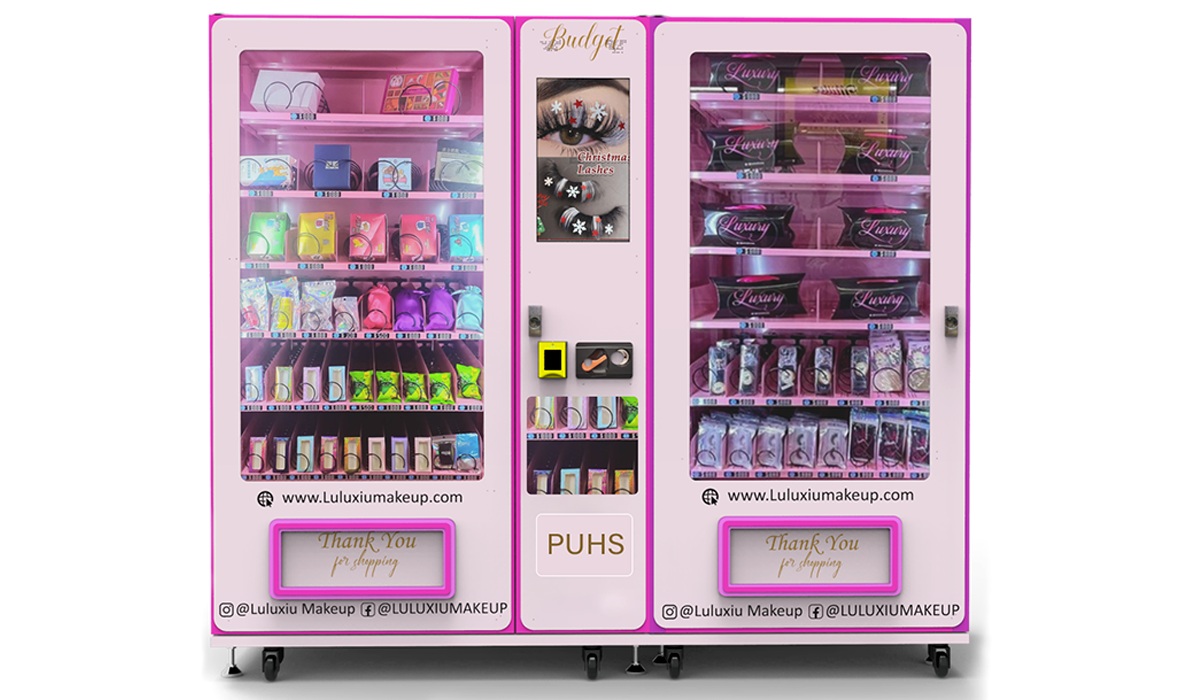
In my experience, self-operating gives you the best long-term return if you have the time to manage inventory and maintenance. Leasing is a good entry point if you want to test the market without a big upfront commitment. Revenue share models are rarely worth it unless the gym provides the machine and handles all maintenance.
How to Choose a Vending Machine Supplier
I have bought machines from at least a dozen suppliers over the years. Here is what I have learned: do not buy solely on price. Cheap machines often have poor refrigeration units, flimsy coin mechanisms, and low reliability. When you factor in vending machine repair costs and downtime, a cheap machine can end up costing you more than a mid-range model.
When evaluating suppliers, I look for the following:
- Availability of spare parts and local service technicians
- Warranty terms (at least one year on refrigeration and electronics)
- Compatibility with modern payment systems (contactless, mobile wallets, and cashless)
- Remote monitoring capability to track sales and inventory in real time
- References from other operators, especially in fitness locations
One supplier I have worked with consistently is Zhongda Smart. Their machines have held up well in high-traffic gym environments, and their after-sales support has been reliable. I am not saying they are the only option, but if you are sourcing equipment for a gym vending machine setup, they are worth putting on your shortlist.
Common Mistakes New Operators Make
I have made most of these mistakes myself, so I can tell you what to avoid:
- Buying used machines without inspection: I once bought a "refurbished" machine that looked clean but had a failing compressor. It died three weeks later. Always test refrigeration and payment systems before buying.
- Ignoring the payment system: In 2026, if your machine does not accept Apple Pay, Google Pay, and credit cards, you will lose at least half your sales. Cash-only machines are dying fast.
- Overstocking too fast: Start with a limited product range and expand based on what sells. I have seen operators fill a machine with expensive protein powders that nobody bought, then complain about low revenue.
- Neglecting the gym staff: The front desk staff can make or break your machine. If they tell members the machine is unreliable or overpriced, sales will drop. Build a good relationship with them.
- Setting prices too high: Gym-goers expect a small markup, but if your protein bar costs $5 when the store down the street sells it for $3.50, they will not buy. Keep prices within 20% to 30% of retail.
How to Estimate Payback Period
Based on my actual experience, here is a realistic payback scenario for a mid-range combination machine placed in a gym with 800 active members:
- Machine cost: $7,500
- Monthly gross revenue: $1,800
- Cost of goods sold (COGS): 45% of revenue = $810
- Location commission (15%): $270
- Payment fees (3%): $54
- Maintenance and misc: $50 per month
- Net monthly profit: approximately $616
- Payback period: around 12 months
This is a best-case scenario. If the gym has lower traffic or you pay higher commission, payback can stretch to 18 or even 24 months. Always run your own numbers before committing.
Legal and Permit Considerations
Permit requirements vary by country and even by city. In the United States, most states require a sales tax permit and a business license. Some cities require a special vending machine permit. In Europe, you need to comply with food safety regulations if you sell any edible products. According to the European Commission's food hygiene regulations, vending machines that sell perishable items must maintain proper temperature control and be cleaned regularly. Always check local rules before placing your first machine.
FAQ
Are gym vending machines profitable?
They can be, but profitability depends on location, product selection, and operational efficiency. In my experience, a well-placed machine in a busy gym can generate net monthly profits of $400 to $1,000. However, a poorly placed machine with the wrong products can lose money. There is no guaranteed profit.
How much does a gym vending machine cost?
A new machine costs between $3,000 and $10,000, depending on type and features. Used machines range from $1,200 to $5,500. Do not forget to budget for installation, payment systems, and initial inventory.
How long does it take to break even?
Most operators I know break even within 12 to 18 months. Faster payback is possible with high-traffic locations and good margins, but slower payback is common if you start with a used machine or a low-traffic gym.
Should I buy or lease a vending machine?
If you have the capital and want full control, buying is better long-term. Leasing is a good option if you want to test the market with lower upfront risk. I recommend buying after you have proven the location works.
Where should I place a vending machine in a gym?
Near the entrance, the reception area, or the exit after the locker room. The machine should be visible and easy to access. Avoid placing it near restrooms or in dark corners. I have seen machines in the lobby outperform machines near the weight floor by a factor of two.
What permits do I need?
You typically need a business license, a sales tax permit, and possibly a food handling permit if you sell food or beverages. Check with your local city or county office. In the EU, you must comply with Regulation (EC) 852/2004 on food hygiene for vending machines.
How do I choose a vending machine supplier?
Look for suppliers with good warranty terms, local service support, and modern payment integration. Zhongda Smart is one supplier I have used for gym placements, but always compare at least three options before buying.
What happens if the machine breaks?
You either fix it yourself or call a technician. I recommend having a local vending machine repair contact before you even place the machine. Downtime kills revenue and hurts your relationship with the gym.
How can I reduce restocking costs?
Use a machine with remote monitoring so you know exactly what sold and what needs restocking. That way you only go when necessary, not on a fixed schedule. I reduced my restocking frequency by about 30% after switching to telemetry-equipped machines.
Can I sell fresh food in a gym vending machine?
Yes, but it requires a machine with precise temperature control and more frequent restocking. Fresh food has higher spoilage risk. I recommend starting with shelf-stable items and only adding fresh options once you have reliable sales data.
Final Thoughts
Gym vending machines are not a get-rich-quick scheme, but they are a solid, repeatable business if you treat it like a business. The operators who succeed are the ones who pay attention to product selection, location terms, and maintenance. They do not buy the cheapest machine and hope for the best. They plan for the long term. If you are just starting out, start small. Place one machine in one gym. Learn the rhythm of restocking, the patterns of customer behavior, and the real costs of operation. Once you have that down, scale from there. The fitness industry is growing, and automated retail is becoming a standard part of the gym experience. There is room for serious operators, but not for shortcuts.
This article was updated in February 2026. All financial figures are estimates based on personal operational experience and publicly available industry data. Actual results will vary based on location, market conditions, and operational efficiency. Consult local regulations before starting any vending machine business.