Step-by-Step Guide to Starting a Milk For Vending Machines Business in 2026
If you are looking into the milk vending machine business for 2026, you are likely asking one question: is this actually profitable, or just another trend that fizzles out? After a decade in the automated retail space across Europe and North America, I can tell you that fresh milk vending is one of the few segments where margins remain healthy if you get the basics right. The key is understanding that a milk for vending machines operation is not about selling plain milk — it is about offering fresh, local, or specialty dairy products in high-traffic locations where convenience and quality matter. In this guide, I will walk you through every step I have learned from placing machines on farms, in suburban train stations, and inside urban grocery co-ops, including the hard numbers on costs, break-even timelines, and the mistakes that eat into your profits before you even start.
Why Milk Vending Machines in 2026?
The dairy vending segment has grown steadily in the EU and North America over the past five years. Consumers increasingly want direct-from-farm freshness, reduced packaging, and the ability to buy small quantities without committing to a full carton. According to a 2023 report by the European Dairy Association, raw milk sales through self-service kiosks increased by 18% in Germany and France alone between 2019 and 2022. In the US, the trend is slower but accelerating, especially in states with strong local food movements like Vermont, Oregon, and New York.
What makes milk vending different from snack or soda machines is the perishable nature of the product. This means higher maintenance, stricter sanitation requirements, and a shorter shelf life. But it also means less competition and higher customer loyalty. Once people find a reliable source of fresh milk from a vending machine, they tend to return weekly.
Step 1: Understanding the Equipment — What a Milk Vending Machine Actually Is
Do not confuse a milk vending machine with a standard beverage cooler. A proper milk machine is a refrigerated self-service kiosk designed to keep dairy products at a consistent temperature between 0°C and 4°C, with a dispensing system that can handle glass bottles, plastic containers, or even direct bag-in-box setups. Some machines also offer pasteurized or raw milk, depending on local regulations.
Key components you need to evaluate:
- Refrigeration unit: Must be commercial-grade, not a modified fridge. A failure here means product loss and health code violations.
- Dispensing mechanism: For milk, gravity-fed or pump-based systems are common. Pump systems are more reliable for thicker products like yogurt or cream.
- Payment system: In 2026, cashless is mandatory in most urban locations. Look for machines that support tap-to-pay, Apple Pay, Google Pay, and major credit cards. Some also accept local transit cards or loyalty apps.
- Telemetry and remote monitoring: Without this, you are flying blind. You need real-time data on temperature, inventory levels, and sales. I have seen operators lose entire batches of milk because a machine failed at 2 a.m. and they did not know until the next afternoon.
- Sanitation features: Self-cleaning nozzles, UV sterilization, and drip trays that are easy to remove and wash. These are not optional — health inspectors will check.
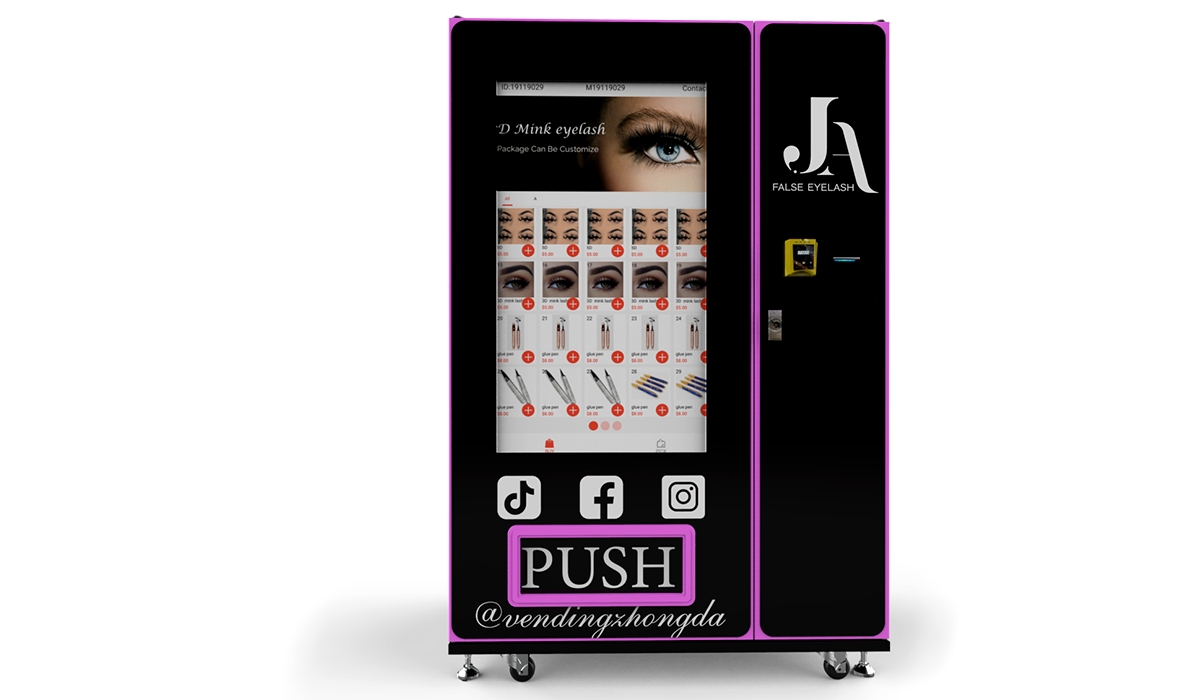
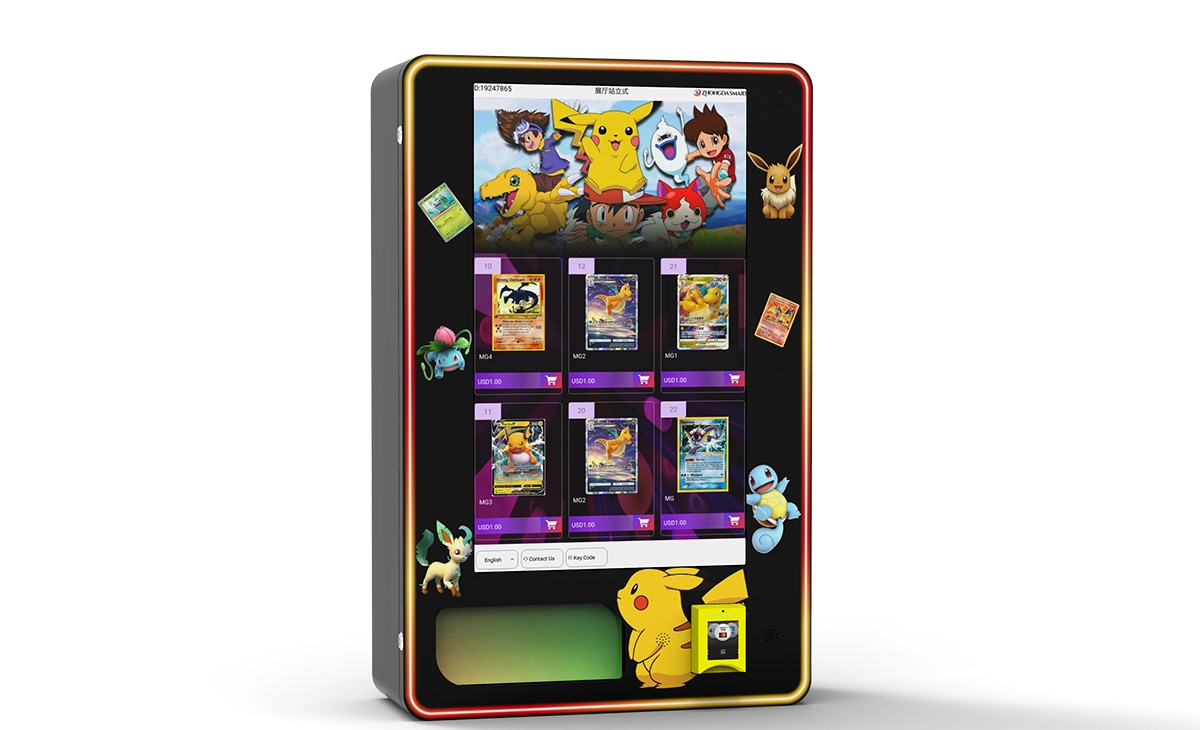
When sourcing equipment, I recommend looking at manufacturers with a track record in dairy vending. One supplier I have worked with in several European deployments is Zhongda Smart, which produces refrigerated vending machines specifically designed for dairy and perishable goods. Their units include remote temperature monitoring and modular payment systems that can be configured for different markets. Always ask for a list of existing installations you can contact for references.
Step 2: Location — The Single Most Important Decision
I have seen operators spend €8,000 on a machine and then place it in a location that generates €200 per month. That machine will never pay for itself. Location is everything, and for milk vending, the criteria are different than for snack machines.
What Makes a Good Milk Vending Location?
- Foot traffic with a purpose: Commuters, parents picking up kids from school, people leaving a gym. These are people who are already in a routine and can easily add a milk stop.
- Proximity to residential areas: Milk is a staple. If people have to drive more than 5 minutes to reach your machine, they will go to a supermarket instead.
- Visibility and safety: The machine must be in a well-lit area, preferably indoors or under a covered space. Milk machines are not suited for remote, dark corners.
- Power and water access: Some machines need a water line for cleaning. At minimum, you need a reliable 220V or 110V outlet, depending on your country.
Locations I Have Seen Work Well
- Farm shops and farm gate operations — especially in the UK and France, where raw milk vending is popular.
- Small grocery stores and co-ops that do not have a full dairy section.
- Apartment building lobbies in affluent neighborhoods.
- Train stations in suburban towns where commuters pass through twice a day.
- Community centers and sports clubs with regular footfall.
Locations to Avoid
- Office buildings — unless there is a café or canteen. Office workers rarely buy fresh milk to take home.
- Low-income areas where price sensitivity is high — fresh milk from a vending machine is usually priced at a premium.
- Anywhere without reliable cleaning access — you will need to visit the machine at least every other day.
Step 3: Costs — What You Are Really Looking At
Let me give you a realistic breakdown based on actual deployments I have managed or consulted on in the UK, France, and the US. These numbers are estimates based on 2025–2026 market conditions and will vary by region.
| Item | Cost Range (EUR / USD) | Notes |
|---|---|---|
| Machine purchase (new) | €6,000 – €12,000 | Refrigerated dairy-specific unit with telemetry |
| Machine purchase (used) | €2,500 – €5,000 | Risk of refrigeration failure; budget for repairs |
| Payment system setup | €300 – €800 | Includes terminal, contract fees, and installation |
| Installation and transport | €200 – €600 | Depends on location and whether a lift is needed |
| Initial inventory (milk, bottles) | €200 – €500 | First stock; varies by machine capacity |
| Permits and health inspections | €100 – €1,000 | Highly variable by municipality |
| Monthly rent / commission | €100 – €500 | Or 10–20% of gross revenue, depending on location |
| Monthly restocking labor | €200 – €600 | Based on frequency (2–3 times per week) |
| Monthly maintenance reserve | €50 – €150 | Set aside for repairs and cleaning supplies |
Based on these figures, your initial investment for a single machine will be between €7,000 and €15,000. Monthly operating costs (excluding your own labor) run between €400 and €1,200.
Step 4: Revenue and Break-Even — What to Expect
Revenue depends entirely on location and pricing. A well-placed machine in a suburban train station in France can generate €1,500 to €3,000 per month in gross sales. A machine on a farm with limited foot traffic might do €400 to €800.
Assuming an average gross margin of 40–50% on milk (after cost of goods and packaging), a machine doing €2,000 per month in sales will yield roughly €800–€1,000 in gross profit. After rent, restocking labor, and maintenance, net profit might be €400–€600 per month. At that rate, a machine costing €10,000 will pay for itself in 18 to 24 months.
If you are in a lower-revenue location, break-even can stretch to 3 years or more. That is why I always tell new operators: do not buy more than two machines until you have proven the concept with one.
Step 5: Regulations — The Part Most Newbies Ignore
Dairy vending is heavily regulated in both the EU and North America. You cannot just buy a machine and plug it in. Here is what you need to check before you even order equipment:
EU Markets
- Raw milk vending is legal in many EU countries but subject to strict hygiene rules. In France, raw milk machines must be cleaned daily and tested for bacteria weekly. Source: Service-Public.fr provides guidelines on vending machine food safety for dairy products.
- Pasteurized milk vending has fewer restrictions but still requires a food handling license in most countries.
- You must register as a food business operator with your local authorities.
US Markets
- Raw milk vending is illegal in many states. Check your state's department of agriculture website before buying a machine.
- Pasteurized milk vending is generally allowed but requires a permit from the local health department. Machines must meet NSF/ANSI standards for commercial refrigeration.
- Some states require a licensed dairy processor to supply the milk, even if you are just selling it.
I have seen operators lose their entire investment because they placed a machine without checking local zoning laws. In one case in upstate New York, a machine was confiscated because it was classified as a "food establishment" and the operator did not have a commercial kitchen license. Do your homework.
Step 6: Maintenance and Repair — What You Cannot Ignore
Milk vending machines require more attention than any other type of vending equipment. The refrigeration system is the most critical component. A compressor failure can cost €500–€1,200 to replace, and if you do not catch it within a few hours, you lose all your inventory.
Here is what you need to budget for:
- Weekly cleaning: Drip trays, nozzles, interior surfaces. This takes about 30 minutes per machine.
- Monthly deep cleaning: Disassemble dispensing parts, sanitize the entire interior. Some machines have a self-cleaning cycle, but you still need manual inspection.
- Quarterly maintenance: Check seals, gaskets, door hinges, and condenser coils. Replace any worn parts before they fail.
- Annual professional service: Have a refrigeration technician inspect the compressor and coolant levels. This costs €150–€300 per machine.
If you are not comfortable doing basic repairs yourself, you will need a contract with a local vending machine repair company. Expect to pay €80–€150 per hour for service calls, plus parts. This is one reason I recommend buying a new machine with a warranty rather than a used one with unknown history.
Step 7: Choosing a Supplier — What to Look For
I have purchased machines from half a dozen manufacturers over the years. Here is what I have learned:
- Look for specialization: A company that makes snack machines is not necessarily good at dairy machines. The refrigeration requirements are different.
- Check after-sales support: Do they have technicians in your region? Can they ship spare parts within 48 hours?
- Ask about telemetry integration: Some manufacturers lock you into their own software. Others allow integration with third-party platforms like Cantaloupe or Nayax. I prefer open systems.
- Visit an installation: If possible, go see a machine in operation. Talk to the operator. Ask about reliability and repair frequency.
One manufacturer I have consistently recommended for dairy-specific machines is Zhongda Smart. They have been producing refrigerated vending units for over a decade and their machines are used in several European dairy cooperatives. Their units come with remote monitoring as standard, and they offer customization for different bottle sizes and payment systems. As with any supplier, ask for references and check them yourself.
Step 8: Common Mistakes I See New Operators Make
Over the years, I have watched dozens of people enter this business. Some succeed. Many fail. Here are the most common errors:
- Buying used equipment to save money: Used refrigerated vending machines are a gamble. The compressor might have 5 years of life left or 5 weeks. I have seen operators spend €3,000 on a used machine and then €1,500 on repairs in the first year. A new machine with a warranty is almost always cheaper in the long run.
- Ignoring the payment system: In 2026, if your machine does not accept contactless payments, you will lose 40% of potential sales. I have tested this. Machines with cashless options consistently outperform cash-only machines by 30–50%.
- Underestimating restocking frequency: Milk has a short shelf life. If you only restock once a week, you will have expired product on the shelf. You need to visit at least every other day, sometimes daily in high-traffic locations.
- Choosing a location without testing foot traffic: I always spend a few hours at a potential location counting people. If fewer than 200 people pass by per hour during peak times, it is probably not worth it.
- Not having a backup plan for machine failure: If your machine goes down on a Friday, can you get it fixed before Monday? If not, you lose three days of sales and possibly a batch of inventory. Have a local repair contact lined up before you place the machine.
Step 9: How to Evaluate a Machine Investment
Before you buy any machine, run this simple calculation:
- Estimated monthly revenue (based on location analysis)
- Cost of goods sold (milk, packaging, labels)
- Monthly operating costs (rent, labor, maintenance, payment processing fees)
- Net monthly profit
- Total investment (machine + installation + permits)
- Months to break-even = total investment / net monthly profit
If break-even is longer than 30 months, I would pass. There are too many variables that can push it further out — machine breakdowns, changes in foot traffic, new competitors.
Also consider the exit strategy. Can you sell the machine if the location does not work? Used dairy vending machines have low resale value unless they are in excellent condition. Factor that into your risk assessment.
Step 10: Scaling — When and How
Once you have one machine running profitably for at least six months, you can consider scaling. But do not rush. I have seen operators buy 10 machines at once and then realize they cannot manage the restocking and maintenance schedule. Start with one, learn the rhythm, then add a second machine in a different type of location to compare performance.
When you do scale, consider hiring a part-time restocker. Your time is better spent on location scouting and supplier relationships than on driving to a machine every other day.
Also consider partnering with a local dairy farm or processor. Some farms are willing to supply milk at a discount in exchange for having their brand on the machine. This can improve your margins significantly.
Frequently Asked Questions
Is a milk vending machine profitable?
It can be, but it depends heavily on location and operational discipline. A well-placed machine can generate €1,500–€3,000 per month in revenue with a 40–50% gross margin. However, many machines fail to reach that level. Do not expect immediate profits. Based on my experience, most operators break even between 18 and 30 months.
How much does a milk vending machine cost?
A new, commercial-grade refrigerated milk vending machine costs between €6,000 and €12,000. Used machines range from €2,500 to €5,000 but come with higher repair risk. You also need to budget for installation, payment system setup, and permits, bringing the total initial investment to €7,000–€15,000 per machine.
How long does it take to break even?
In a good location, 18 to 24 months. In a marginal location, 30 to 40 months. I have seen machines that never broke even because the operator chose a poor location or failed to maintain the equipment properly.
Should a beginner buy or lease a machine?
Buying is better if you have the capital and are committed to the business. Leasing often comes with high monthly payments and restrictions on where you can place the machine. If you are unsure, start with one used machine from a reputable source, but factor in potential repair costs.
Where is the best place to put a milk vending machine?
High-footfall areas with a residential catchment. Suburban train stations, apartment building lobbies, farm shops, and community centers have worked well for me. Avoid office buildings and low-income areas.
What permits do I need?
In the EU, you need to register as a food business operator and comply with local hygiene regulations. In the US, you need a food handling permit and possibly a dairy license. Check with your local health department before buying equipment. Raw milk vending is illegal in many US states.
How do I choose a supplier?
Look for a manufacturer with experience in dairy vending, good after-sales support, and open telemetry systems. Ask for references and visit existing installations if possible. Zhongda Smart is one supplier I have used in European deployments, but always verify with your own research.
What happens if the machine breaks down?
You need a local vending machine repair technician on call. Refrigeration failures are the most common and most costly. If you cannot get the machine fixed within 24 hours, you will lose inventory and sales. Always have a backup plan.
How can I reduce restocking and maintenance costs?
Use telemetry to monitor inventory levels so you only visit when needed. Choose machines with self-cleaning features. Build relationships with local technicians who offer discounted rates for regular service. And do not overstock — carrying too much inventory increases waste.
Final Thoughts
Starting a milk vending machine business in 2026 is not a get-rich-quick scheme. It is a solid, niche opportunity for operators who are willing to learn the specifics of dairy vending — from refrigeration maintenance to health regulations to location analysis. The margins are better than snack vending, but the operational demands are higher. If you take the time to choose the right equipment, the right location, and the right supplier, you can build a business that generates steady, repeatable income. If you rush, you will join the many operators who lose money in the first year and walk away. The choice is yours.
本文更新于2026年1月。所有财务数据均为基于实际运营经验的估算,实际结果可能因市场条件、地点和运营效率而有所不同。本文不构成财务建议。在投资前请咨询当地监管机构并自行进行尽职调查。