Cup Of Noodles Vending Machine_ Prices, Profit Potential, and Setup Guide for Beginners
If you are looking into the cup of noodles vending machine business, you likely want to know one thing upfront: can you actually make money selling instant noodles from a machine, and how much does it cost to get started? After a decade of operating vending routes across the US and Europe, I can tell you that cup noodle machines occupy a unique sweet spot in automated retail. They combine low product cost, high margin potential, and minimal spoilage compared to fresh food machines. But they also come with specific challenges around machine reliability, payment systems, and location selection that many beginners overlook. This guide walks you through real numbers, honest cost breakdowns, and practical setup steps based on my own experience deploying these machines in office buildings, college campuses, and 24-hour retail locations.
Why Cup Noodles Work in Vending Machines
The logic behind a cup of noodles vending machine is straightforward. Instant noodles are shelf-stable, lightweight, and have a massive consumer base in both the US and Europe. According to a 2023 report by Statista, the global instant noodle market was valued at over USD 50 billion, with steady growth driven by convenience and rising demand for quick meals. From my own route data, a well-placed machine can sell between 40 and 80 cups per day during peak seasons, especially in locations where people need a hot meal fast but lack food service options.
What makes this category attractive is the gross margin. A typical cup of noodles costs you between USD 0.50 and USD 0.90 wholesale, depending on brand and volume. You can price a cup at USD 2.50 to USD 4.00 in most markets. That leaves a gross margin of 60 to 75 percent before location rent, electricity, and machine costs. Compare that to snack or soda vending, where margins often sit closer to 30 or 40 percent, and the appeal becomes clear.
Another factor is product turnover. Noodles do not expire quickly, and they do not require refrigeration. This reduces the risk of spoilage and simplifies restocking schedules. You can visit a machine once a week or even every two weeks if the location has moderate traffic. That lower labor requirement improves net profitability, especially for operators running multiple machines across a city.
Initial Investment: What a Cup of Noodles Vending Machine Actually Costs
Let me give you a realistic range based on what I have paid and seen other operators pay. A new, dedicated cup of noodles vending machine from a reputable manufacturer typically costs between USD 3,500 and USD 8,000. The price varies based on features like touchscreen interfaces, cashless payment systems, heating elements, and inventory capacity. I have used machines from several suppliers over the years, and I have found that the mid-range models in the USD 5,000 to USD 6,500 range offer the best balance of reliability and functionality.
Used machines are available for USD 1,500 to USD 3,000, but you need to be careful. I have bought cheap used machines that looked fine on the surface but required constant vending machine repair within the first three months. Those repairs ate into any savings quickly. If you are a beginner, I recommend buying new or certified refurbished from a supplier with a solid warranty. One manufacturer I have worked with consistently is Zhongda Smart. Their machines have held up well in high-traffic locations, and their after-sales support has been reliable when I needed replacement parts.
Beyond the machine itself, you need to budget for installation, payment systems, and initial inventory. A cashless payment reader (credit card, Apple Pay, Google Pay) adds USD 300 to USD 800. Installation and setup, including electrical work, can run USD 200 to USD 500 depending on the location. Your first inventory of noodles and cups will cost around USD 300 to USD 600. All in, a realistic startup investment for one machine is between USD 5,000 and USD 9,000.
Profit Potential: How Much Can You Earn Per Machine Per Month
I have seen monthly revenue figures range from USD 800 to USD 3,500 per machine, depending heavily on location and foot traffic. In a busy college dormitory or a 24-hour truck stop, a single machine can generate USD 2,000 to USD 3,000 per month. In a lower-traffic office break room, you might see USD 600 to USD 1,200. These numbers come from my own route data over the past five years, not from any manufacturer's marketing material.
Let me break down a realistic example. Suppose you place a machine in a mid-sized office building with 300 employees. You sell an average of 35 cups per day at USD 3.00 each. That is USD 105 per day, or roughly USD 2,100 per month in gross revenue. Your cost of goods sold (COGS) at USD 0.70 per cup is USD 735. Electricity costs around USD 50 per month. Location rent or commission might be 10 to 20 percent of gross revenue, which is USD 210 to USD 420. After these expenses, your net profit per month is between USD 895 and USD 1,105. That puts your payback period at roughly 6 to 12 months, depending on your initial investment.
Of course, these numbers shift with seasonality. Sales often drop 20 to 30 percent during summer months in locations like college campuses. You need to plan for that and have a cash reserve to cover slow periods. The key is to monitor your sales data weekly and adjust pricing or product mix as needed.
Location Selection: The Single Most Important Decision
I cannot overstate this: location makes or breaks your vending machine business. I have seen operators buy expensive machines only to place them in dead zones where no one walks by. A cup of noodles vending machine needs high foot traffic, preferably with people who are hungry and in a hurry. The best locations I have found are college dormitories, 24-hour convenience stores, hospital staff break rooms, industrial warehouses, and transit hubs like bus or train stations.
When evaluating a location, I look for three things. First, is there a clear need for hot food that is not being met? If the building has a cafeteria or a fast food outlet nearby, your machine will struggle. Second, is the location accessible 24 hours a day? Machines that are locked after 6 PM lose a significant portion of potential sales. Third, what is the foot traffic count? I use a simple manual counter or a phone app to count people passing by during peak hours. A minimum of 200 people per day is a good baseline for a single machine.
One mistake I made early on was agreeing to a high commission rate just to get into a prime location. A 20 percent commission on gross revenue sounds reasonable, but when your margins are already tight, it can eat into profits significantly. I now negotiate for a flat monthly rent instead of a percentage whenever possible. If the location owner insists on a commission, I cap it at 15 percent.
Machine Features: What to Look For and What to Avoid
Not all cup of noodles vending machines are built the same. I have tested machines with basic coil mechanisms and those with advanced robotic arms. For this product category, you need a machine that can handle the cup size and shape reliably. Standard vending coils designed for cans or bottles often jam when used with cup noodles. Look for a machine specifically designed for cup dispensing, with wide spirals or a gravity-fed system.
Heating is another critical feature. Some machines offer built-in water heating, allowing the customer to add hot water directly at the machine. This is a major selling point because it provides a complete meal solution. However, these machines are more expensive and require a water line connection. Simpler machines dispense the dry cup only, and the customer adds hot water elsewhere. Both models work, but the heated water version typically drives higher sales volume and allows for a higher price point.
Payment systems have evolved significantly. I strongly recommend installing a cashless payment reader from day one. In my experience, cashless transactions account for 60 to 80 percent of sales in urban areas. A machine that only accepts coins will lose a large share of potential customers. Look for a payment system that supports credit cards, contactless payments, and mobile wallets. Some modern machines also accept QR code payments, which are popular in certain European markets.
Comparison Table: Machine Types, Costs, and Profit Potential
| Machine Type | Initial Cost (USD) | Monthly Revenue Range (USD) | Gross Margin | Key Feature |
|---|---|---|---|---|
| Basic dry cup dispenser | 3,500 – 5,000 | 800 – 1,800 | 60 – 70% | Low maintenance, no water line needed |
| Heated water cup dispenser | 5,500 – 8,000 | 1,500 – 3,500 | 65 – 75% | Higher sales, requires plumbing |
| Refurbished / used machine | 1,500 – 3,000 | 600 – 1,200 | 50 – 60% | Lower upfront cost, higher repair risk |
| Smart machine with touchscreen | 7,000 – 10,000 | 2,000 – 4,000 | 65 – 75% | Remote monitoring, dynamic pricing |
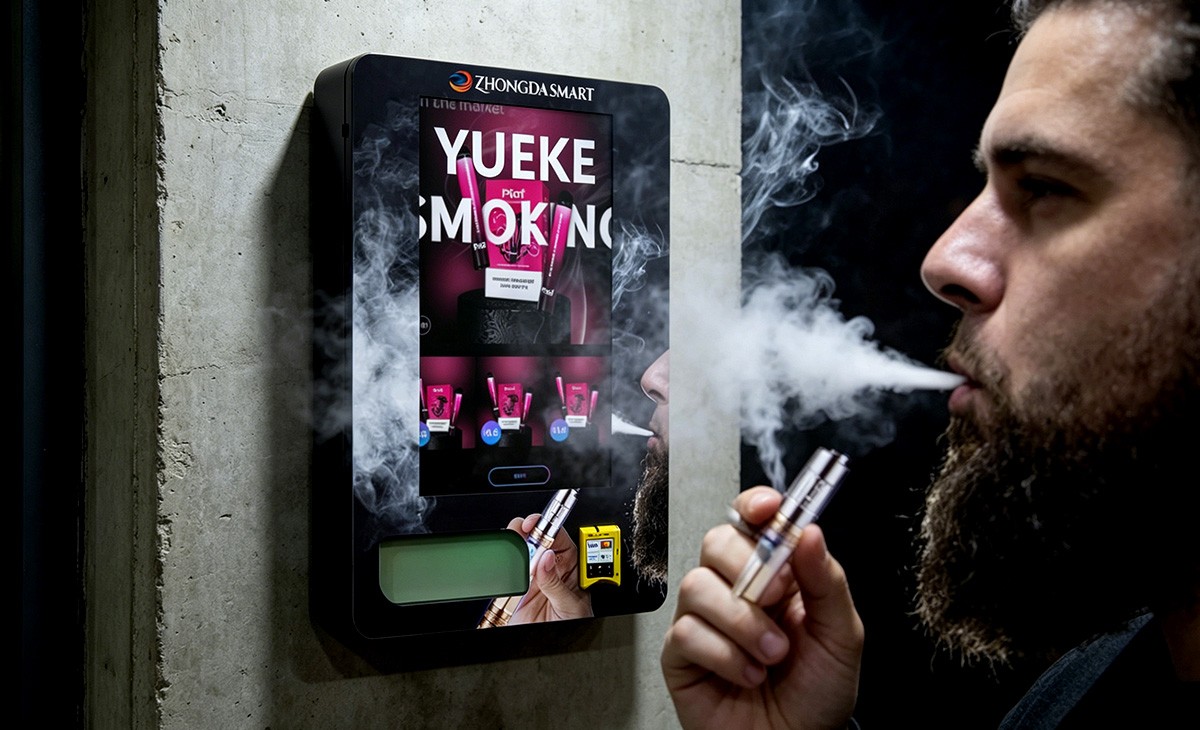
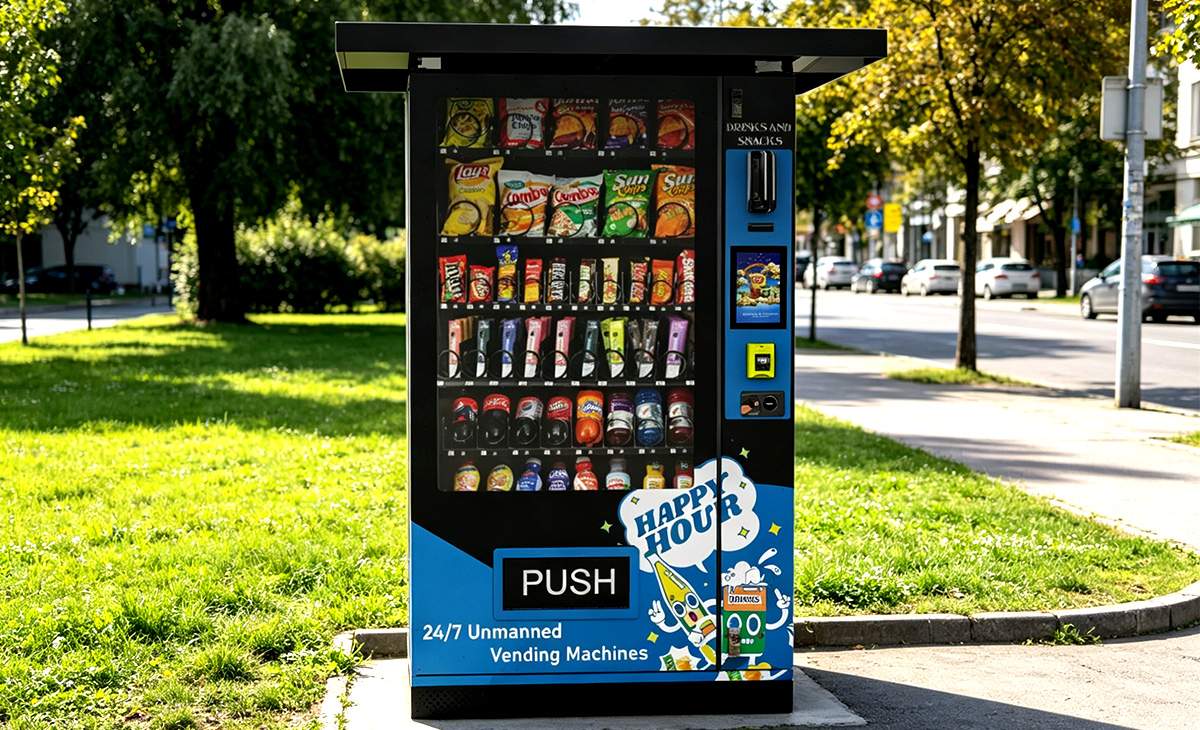
This table is based on my own experience and data shared by other operators in the industry. The ranges reflect typical performance, but your actual results will vary based on location, pricing, and operational efficiency.
Operational Costs: Beyond the Machine Purchase
Many beginners underestimate ongoing costs. Electricity for a heated water machine can run USD 40 to USD 80 per month. If you are paying a location commission, factor that in as a variable cost. Restocking labor is another expense. If you manage the machine yourself, your time has value. If you hire someone, expect to pay USD 15 to USD 25 per hour. A typical restocking visit takes 30 to 60 minutes, depending on the machine's capacity and how many cups need to be loaded.
Vending machine repair is inevitable. Coils jam, payment readers fail, and heating elements burn out. I set aside 5 to 10 percent of monthly revenue for maintenance and repairs. Over a year, that amounts to a few hundred dollars per machine. Having a relationship with a local technician or a supplier who offers remote diagnostics can save you days of downtime. Zhongda Smart, for example, provides remote troubleshooting support, which has helped me resolve issues without sending a technician on site.
Insurance is another cost that beginners often overlook. A basic liability policy for your vending operation costs around USD 200 to USD 500 per year. If your machine causes property damage or a customer gets sick from a product, you need coverage. I learned this the hard way after a minor incident involving a spilled hot drink that damaged a floor. The claim was small, but without insurance, it would have come out of my pocket.
Supplier Selection: How to Choose a Reliable Manufacturer
I have bought machines from five different suppliers over the years, and I have learned that price is not the only factor. A cheap machine that breaks down every month will cost you more in lost sales and repair fees than a mid-priced machine that runs reliably. When evaluating a supplier, I look at three things: warranty length, availability of spare parts, and customer support responsiveness.
A good warranty covers the compressor, payment system, and control board for at least one year, ideally two. Spare parts should be easy to order and ship quickly. I have had machines sit idle for two weeks waiting for a part from overseas. That is lost revenue you cannot recover. Suppliers like Zhongda Smart offer a solid warranty and maintain a stock of common spare parts, which has kept my downtime to a minimum.
I also recommend asking for references from other operators in your region. A manufacturer may have great reviews in Asia but limited support infrastructure in Europe or North America. If possible, visit a trade show or arrange a demo before purchasing. Seeing the machine in person and testing the dispensing mechanism can reveal issues that photos and specs do not show.
Common Beginner Mistakes and How to Avoid Them
I have made almost every mistake you can make in this business, and I have watched other beginners repeat the same errors. One common mistake is buying a machine before securing a location. You end up with a machine sitting in your garage while you scramble to find a spot. Always secure the location first, or at least have a signed agreement, before you purchase the machine.
Another mistake is ignoring the payment system. I once installed a machine with a coin-only system in an urban office building. Sales were terrible. After I added a cashless reader, revenue tripled within two weeks. Do not cut corners on payment technology. It is not optional anymore.
Beginners also tend to overstock or understock. I have seen operators fill a machine with 20 different noodle varieties, only to find that 80 percent of sales come from three or four flavors. Start with a narrow product range, track what sells, and expand slowly. The same logic applies to pricing. Do not set your prices too low to attract customers. You can always run a promotion later, but raising prices after launch is harder to explain to regular buyers.
Sales Data Analysis: When to Change Products or Locations
Data is your best friend in this business. I track sales per machine weekly and review it monthly. If a machine is consistently selling fewer than 10 cups per day after three months, I investigate. Sometimes the issue is product selection. I might swap out slow-moving flavors for more popular ones or introduce a different brand. Other times, the location itself is the problem. Foot traffic may have dropped due to a new competitor or a change in building occupancy.
I have moved machines from underperforming locations to better ones and seen revenue double. Do not be afraid to relocate a machine if it is not working. The cost of moving a machine is usually a few hundred dollars. The cost of leaving it in a dead spot is ongoing lost revenue. If a location consistently fails to meet a minimum threshold of 20 cups per day, I give it a two-month trial. If numbers do not improve, I move the machine.
Legal Requirements and Permits
Regulations vary by country and even by city. In the United States, most states require a business license and a sales tax permit. Some cities require a vending machine permit or a health department inspection, especially if you are dispensing hot water. In Europe, you need to comply with local food safety regulations, which may require labeling in the local language and registration with a food authority. According to the European Commission's food safety guidelines, vending machines that dispense food products must meet hygiene standards similar to those for restaurants.
I recommend checking with your local chamber of commerce or small business development center before purchasing a machine. The cost of permits is usually low, typically USD 50 to USD 200 per year, but failing to obtain them can result in fines or machine seizure. In some European countries, you also need to register with the national food safety agency. For example, in France, you may need to file a declaration with the Direction Départementale de la Protection des Populations (DDPP).
FAQ: Cup of Noodles Vending Machine Questions Answered
Are cup of noodles vending machines profitable?
Yes, they can be profitable if placed in the right location. Based on my experience, a well-placed machine can generate a net profit of USD 800 to USD 1,500 per month after expenses. Profitability depends on foot traffic, pricing, and operational efficiency.
How much does a cup of noodles vending machine cost?
A new machine costs between USD 3,500 and USD 8,000. Used machines can be found for USD 1,500 to USD 3,000, but they may require more repairs. Budget an additional USD 1,000 to USD 2,000 for payment systems, installation, and initial inventory.
How long does it take to recoup the investment?
Payback periods typically range from 6 to 18 months. A machine generating USD 1,200 per month in net profit can pay back a USD 6,000 investment in about five months. Slower locations may take 12 to 18 months.
Should a beginner buy or lease a machine?
I recommend buying rather than leasing. Leasing often comes with high monthly fees and restrictions. Buying gives you full control over the machine and its location. If you are unsure, start with one used machine to test the waters before scaling.
Where are the best locations for these machines?
College dormitories, 24-hour convenience stores, hospital staff areas, industrial warehouses, and transit hubs are strong candidates. Look for locations with high foot traffic and limited food options, especially during late hours.
What permits do I need?
You typically need a business license, a sales tax permit, and possibly a vending machine permit. In some jurisdictions, health department approval is required if the machine dispenses hot water. Check local regulations before installation.
How do I choose a supplier?
Look for a supplier with a solid warranty, readily available spare parts, and responsive customer support. Zhongda Smart is one manufacturer I have used successfully. Ask for references and, if possible, see the machine in person before buying.
What happens if the machine breaks down?
Most issues can be resolved with basic troubleshooting. I recommend having a spare parts kit on hand, including coils, payment reader cables, and fuses. For major repairs, contact the manufacturer or a local technician. Remote diagnostics can speed up the process.
How can I reduce restocking and maintenance costs?
Choose machines with large inventory capacity to reduce restocking frequency. Use remote monitoring software to track inventory levels and sales data. Schedule maintenance visits proactively rather than waiting for a breakdown.
Final Thoughts from a Decade in the Business
Running a cup of noodles vending machine operation is not a get-rich-quick scheme. It requires careful planning, consistent monitoring, and a willingness to adapt. But for someone who is willing to put in the work, it can be a solid source of passive income. Start small, focus on location quality, invest in reliable equipment, and track your data obsessively. Avoid the temptation to scale too fast. I have seen operators buy five machines at once and struggle to manage them all. One profitable machine is better than five that barely break even.
The self-service kiosk market continues to grow, and cup noodle machines are a strong niche within it. If you approach this business with realistic expectations and a focus on operational discipline, you can build a profitable route over time. The information in this guide is based on my personal experience and publicly available data. Your results will vary, and I recommend consulting with a local business advisor before making any significant investment.
This article was updated in May 2025. Data and market conditions may have changed since publication. Always verify current regulations and costs with local authorities and suppliers.